

 プリントを購入
 シェアする
シェアする シェアする
シェアする
 詳細を見る
詳細を見る

 ダウンロード
 似ている作品
 スライドショー
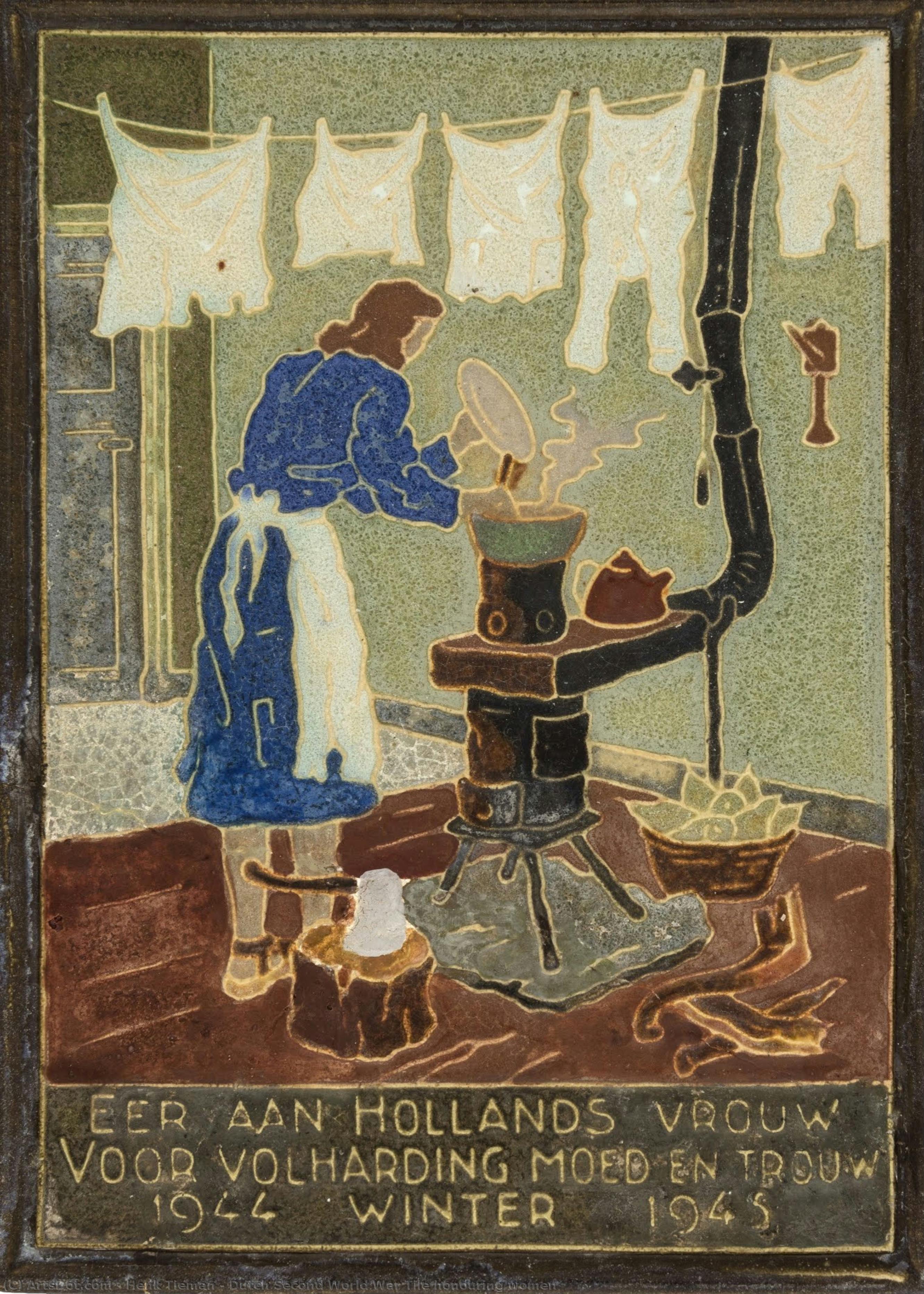
Dutch Second World War Tile honouring women
 Ceramic
- Sculpture
- Contemporary Realism
 1945
1945- Modern
 19.0 x 14.0 cm
 University of Pretoria Museums
 詳細を見る
詳細を見る




































作品のオリジナル比率に合わせた、当店の規定サイズからお選びください。

特定のフレームやスペースに合わせて、ご希望のサイズをご入力いただけます。選択されたサイズが元の画像の比率と異なる場合、アートワークをトリミングするか、手描きで要素を追加して絵画を拡張いたします。デジタルモックアップ を制作し、制作開始前にご確認(承認)をいただきます。
画面上のプレビューは、実際のトリミングや拡張を正確に反映しているものではありません。最終的な構図は、モックアップによってのみ正確にご確認いただけます。
カスタムサイズもご利用いただけますが、元の比率を維持するためには、あらかじめ用意されたリストからサイズを選択することをお勧めいたします。
ご注文後、ArtsDot.com チームより詳細な指示をお送りするとともに、仕上がりイメージ(モックアップ)をご提供いたします。


 ガラスオプションは、110cm未満のサイズでのみご利用いただけます。

Dutch Second World War Tile honouring women
複製技法
複製画のサイズ
-


合計金額
$ 263
作品解説
A Silent Testament to Resilience
In the quiet, frozen landscape of the Netherlands during the winter of 1945-1946, a profound story of human endurance was being written in the shadows of the Second World War. The ceramic tile by Henk Tieman, titled Dutch Second World War Tile honouring women, serves as a poignant window into this era of scarcity and strength. This exquisite piece from the renowned De Porceleyne Fles factory does not merely depict a domestic scene; it captures the very essence of survival. Through the delicate medium of Delftware, Tieman immortalizes the quiet heroism of women who navigated a world stripped of power, heat, and basic resources, finding ways to sustain their families amidst the biting cold and the remnants of conflict.
The composition centers on a woman engaged in the rhythmic, essential labors of domestic life. She is positioned by a small stove, tending to a pot that promises warmth and sustenance, while laundry hangs nearby, a testament to the ongoing struggle to maintain dignity and cleanliness under impossible circumstances. A small oil lamp flickers on the back wall, casting a soft, diffused light that illuminates the steam rising from the pot and creates gentle shadows across the scene. This lighting technique does more than provide visibility; it imbue the artwork with a sense of intimacy and warmth, contrasting sharply with the historical reality of the harsh Dutch winter it commemorates.
Mastery of Form and Historical Depth
Technically, the tile is a masterclass in the use of ceramic underglazes and overglazes to create depth and texture. Tieman utilizes a style that leans toward realism, yet retains a slightly stylized, almost nostalgic quality that elevates the scene from a mere historical record to a work of fine art. The organic shapes of the woman’s form and the rounded contours of the household objects provide a sense of softness and humanity. Every line, from the way the laundry drapes to the structural details of the stove, is meticulously rendered to guide the viewer's eye through the narrative of daily toil.
For collectors and interior designers, this piece offers much more than aesthetic beauty; it provides a profound emotional anchor for any space. The tile symbolizes the strength, perseverance, and quiet dignity of the female spirit. It is an evocative conversation piece that invites contemplation on themes of family, labor, and the indomitable nature of the human will. Whether displayed as part of a curated collection of historical ceramics or used as a focal point in a room designed with a sense of heritage and warmth, this reproduction brings a touch of historical soul and timeless charm to its surroundings.
関連作品


アーティストの略歴
A Legacy Etched in Ceramic: The Story of Henk Tieman
Henk Tieman, a Dutch artist whose name may not be widely celebrated but whose work speaks volumes about resilience and remembrance, emerged from the shadows of World War II to create powerfully evocative ceramic tiles. Born in 1921, his life unfolded against a backdrop of immense upheaval and subsequent rebuilding, experiences that profoundly shaped his artistic vision. While biographical details remain scarce—a testament perhaps to the humble nature of the artist himself—the impact of his most recognized work, the ‘Dutch WWII Rebuilding Tiles,’ is undeniable. These are not merely decorative objects; they are poignant historical documents rendered in clay, offering a unique perspective on a nation’s recovery and the often-unsung contributions of its people.Wartime Echoes and Artistic Beginnings
The Netherlands during World War II endured brutal occupation and widespread devastation. It was a period that left an indelible mark on the collective psyche, and for artists like Tieman, it became both a source of trauma and inspiration. The precise details of Tieman’s early life and artistic training remain elusive; however, his choice of medium—ceramic—suggests a connection to traditional Dutch craftsmanship. Ceramic production had deep roots in the Netherlands, particularly in regions like Delft, renowned for its iconic blue-and-white pottery. It is plausible that Tieman drew upon this heritage, adapting it to express the urgent realities of his time. The tiles themselves were created in 1946, immediately following the liberation, indicating a deliberate and timely response to the war’s conclusion. This wasn't art born from detached observation but from lived experience—a visceral need to commemorate and honor those who had suffered and rebuilt.The ‘Dutch WWII Rebuilding Tiles’: A Symbol of Collective Effort
Tieman is best known for a series of ceramic tiles commissioned to depict the arduous process of rebuilding the Netherlands after the war. These weren’t grand monuments or sweeping landscapes, but intimate scenes focusing on the everyday heroes: women clearing rubble, families returning to their homes, and communities working together to restore infrastructure. The tiles are remarkable for their realism—they don't glorify war, nor do they shy away from its harsh consequences. Instead, they present a grounded portrayal of human endurance and collective effort. The ‘Dutch WWII Tile honoring women’, in particular, stands out as a powerful tribute to the often-overlooked contributions of women during wartime and reconstruction. The tiles were intended not for museums or galleries but for inclusion in buildings being rebuilt—a deliberate act of embedding remembrance into the fabric of daily life.Style and Influences
Pinpointing Tieman’s artistic style proves challenging, as his known body of work is relatively limited. However, a sense of social realism permeates his tiles—a focus on depicting ordinary people and their struggles with honesty and empathy. While not overtly aligned with any specific art movement, one can detect echoes of post-war European art that sought to grapple with the trauma of conflict and the need for social renewal. The simplicity of form and directness of expression suggest a rejection of elaborate ornamentation in favor of conveying raw emotion and historical truth. His work shares affinities with documentary photography and neorealist cinema—art forms that prioritized authenticity over aesthetic refinement.Historical Significance and Enduring Legacy
Henk Tieman’s legacy lies not in prolific output but in the profound impact of his ‘Dutch WWII Rebuilding Tiles.’ These tiles serve as a powerful reminder of the human cost of war and the importance of collective memory. They offer a unique counterpoint to more conventional depictions of wartime heroism, focusing instead on the quiet resilience of ordinary citizens. Today, these tiles are increasingly recognized for their historical significance, appearing in auctions and private collections. While Tieman himself remained largely out of the public eye, his work continues to resonate with audiences, offering a poignant glimpse into a pivotal moment in Dutch history—a testament to the enduring power of art to bear witness and inspire hope. His tiles are not just artifacts; they are fragments of a nation’s soul, etched in ceramic for generations to come.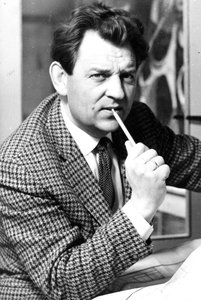
henk tieman
Netherlands
基本情報
- Date Of Death: Living
- Full Name: Henk Tieman
- Nationality: Dutch
- Notable Artworks: ['Dutch WWII Tile honoring women']
- Place Of Birth: Netherlands
関連記事

Golden Age Reflections: Dutch Baroque Painting & Cultural Innovation
Explore the Dutch Golden Age of painting! Discover key artists like Vermeer & ter Borch, their innovative techniques, and the rich cultural context behind these Baroque masterpieces. Learn about collecting & appreciating this iconic art period.
Illuminating Realism: Exploring the Dutch Golden Age of Painting (1600-1700)
Explore the Dutch Golden Age of painting (1600-1700) with ArtsDot. Discover Rembrandt, Vermeer & other masters. Learn about techniques, history & find museum-quality reproductions.

Illuminating Innovation: Exploring the Dutch Golden Age of Painting
Explore the Dutch Golden Age of painting with ArtsDot. Discover Rembrandt, Vermeer & other Masters. Learn about key characteristics, iconic artworks, and lasting influence. Expert insights for collectors & enthusiasts.

黄金世紀の巨匠たち:バロック絵画が彩る10選|ArtsDot
オランダ黄金時代の10大傑作を紐解く!レンブラント、フェルメール…バロック絵画の魅力と時代背景を深く探求。ArtsDotで、至高のアートコレクションと空間演出のヒントを見つけよう。高品質なアートプリントで、お部屋を華やかに。
Charles Leickert: Capturing the Dutch Golden Age Light – A Comprehensive Study of Technique, Context, and Legacy
Explore the captivating winter landscapes of Charles Leickert, a master of Dutch Golden Age light & atmosphere. Discover his techniques, symbolism, and lasting legacy – a comprehensive study for art enthusiasts and collectors.

