

 プレビュー
プレビュー
 プリントを購入
 シェアする
シェアする シェアする
シェアする
 詳細を見る
詳細を見る

 ダウンロード
 似ている作品
 X線調査
X線調査 スライドショー
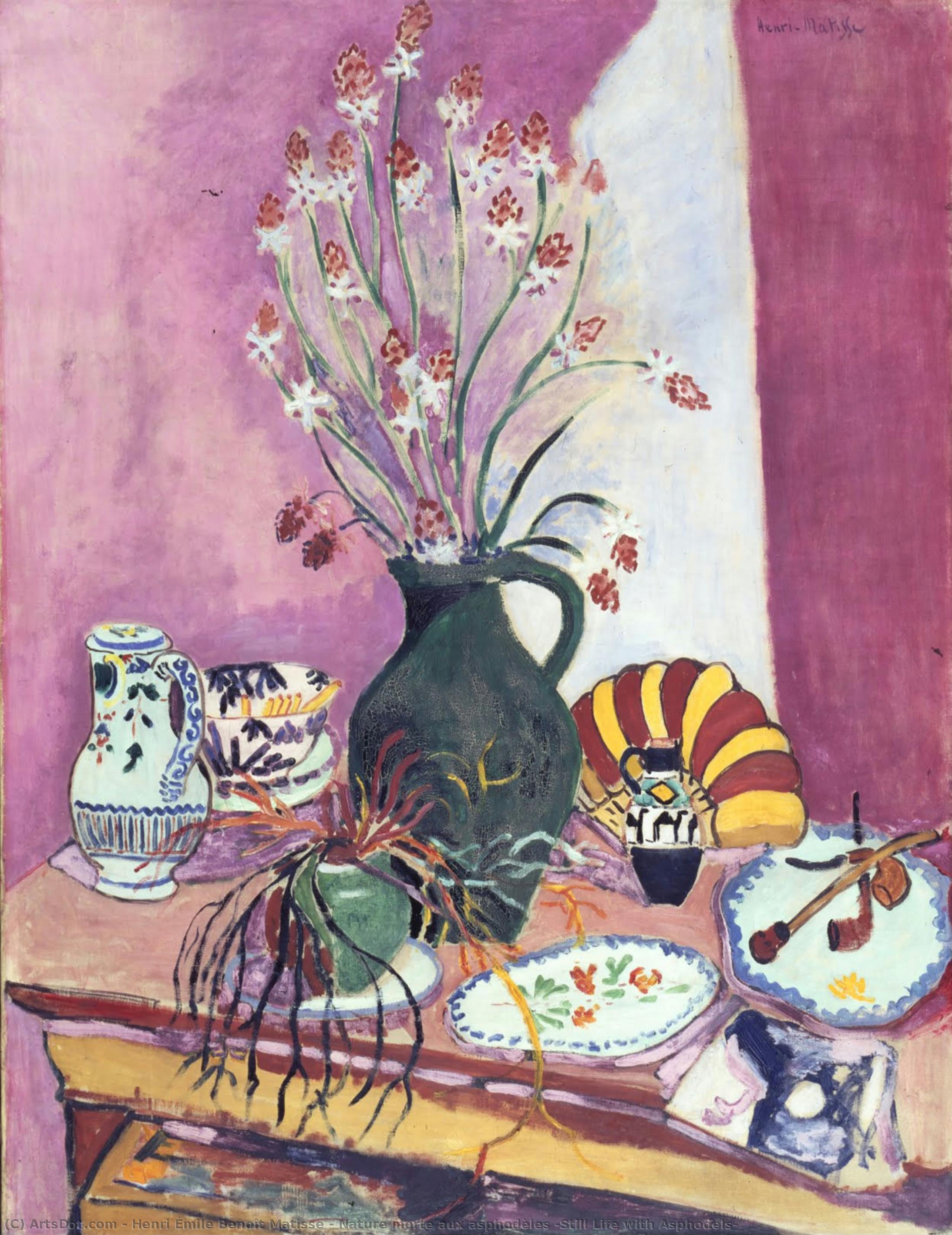
Nature morte aux asphodèles (Still Life with Asphodels)


 詳細を見る
詳細を見る




P118B $10

P118H $10

P118W $10

P438Z $10

P508JH $12

P508YH $12

P805H $10

P805Z $10

P919BZ $10

P919G $10

P919XJ $10

P959ZH $10

P968JZ $12

W106C $8

W218G $10

W218JH $8

W218Y $10

W307PJ $10

W316G $10

W316PJ $8

W316Y $10

W398PJ $8

W4111J $10

W500HY $15

W500JH $15

W692G $12

W849H $8

W940BG $15

W953PJ $8




作品のオリジナル比率に合わせた、当店の規定サイズからお選びください。

特定のフレームやスペースに合わせて、ご希望のサイズをご入力いただけます。選択されたサイズが元の画像の比率と異なる場合、アートワークをトリミングするか、手描きで要素を追加して絵画を拡張いたします。デジタルモックアップ を制作し、制作開始前にご確認(承認)をいただきます。
画面上のプレビューは、実際のトリミングや拡張を正確に反映しているものではありません。最終的な構図は、モックアップによってのみ正確にご確認いただけます。
カスタムサイズもご利用いただけますが、元の比率を維持するためには、あらかじめ用意されたリストからサイズを選択することをお勧めいたします。
ご注文後、ArtsDot.com チームより詳細な指示をお送りするとともに、仕上がりイメージ(モックアップ)をご提供いたします。


 ガラスオプションは、110cm未満のサイズでのみご利用いただけます。

Nature morte aux asphodèles (Still Life with Asphodels)
複製技法
複製画のサイズ
-


合計金額
$ 263
The Languid Beauty of Still Life
To gaze upon this arrangement, Nature morte aux asphodèles, is to step into a moment suspended between vibrant life and inevitable decay. Matisse’s handling of the still life genre transcends mere documentation; it becomes an eloquent meditation on existence itself. The composition centers around a generous vase overflowing with asphodels, their forms rendered with a palpable sense of weight and lushness. Surrounding this focal point, potted plants anchor the scene to a richly textured table surface, while the inclusion of simple objects—the delicate cups and the central bowl—grounds the ethereal beauty in tangible reality. It is a close-up intimacy that invites the viewer to lean in, to observe the subtle interplay of light catching on porcelain and the velvety texture of petals.
A Brushstroke of Fauvist Emotion
While Matisse’s career spanned diverse stylistic explorations, this work carries the unmistakable resonance of his mature period. Though perhaps not bursting with the raw, unbridled color shock of his most famous Fauve canvases, the underlying spirit remains: an insistence on emotional truth over mere optical fidelity. His technique allows the colors to sing against each other, creating a vibrant harmony that speaks directly to the viewer's inner landscape. The application of paint is masterful; one can almost feel the gesture of the brush, the confident sweep that builds form while simultaneously suggesting movement within the arrangement. It is art that feels both meticulously composed and spontaneously alive.
Symbolism Woven in Petals
The choice of subject matter—the asphodel—is deeply evocative. In various traditions, these flowers carry potent symbolism, often associated with remembrance, sleep, or the threshold between worlds. Paired with the quiet domesticity suggested by the cups and bowl, the still life becomes a poignant allegory. It speaks to the passage of time, the cyclical nature of beauty that flourishes only to fade. For the collector or designer, this depth means the piece offers more than just decoration; it provides a continuous source of contemplation, a visual poem about memory and transience.
Bringing Matisse Home: Decorating with Depth
For those seeking to integrate the spirit of modern masters into a contemporary living space, a reproduction of this work offers unparalleled sophistication. The rich palette and complex arrangement make it an ideal centerpiece for a dining room or drawing-room. It possesses enough visual weight through its subject matter—the abundance of life in the flowers—to anchor a wall, yet its inherent elegance ensures it complements various interior styles, from bohemian maximalism to refined modernism. Owning this piece is not merely acquiring art; it is curating an atmosphere steeped in artistic history and quiet contemplation.
関連作品
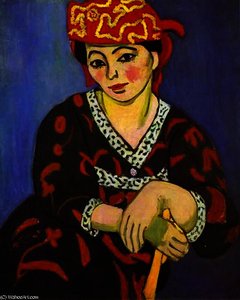
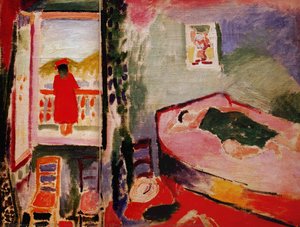
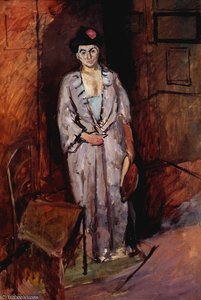
アーティストの略歴
Early Life and Artistic Beginnings
- Born: December 31, 1869, Le Cateau-Cambrésis, France
- Died: November 3, 1954, Nice, France
- Matisse's early life was marked by a period of illness in his youth which led him to pursue art as a hobby.
- He initially studied law but abandoned it to dedicate himself to painting.
- Early influences included Gustave Moreau and Édouard Manet, whose works he encountered during trips to Paris.
- His initial artistic style leaned towards realism before evolving into more experimental approaches.
The Fauvist Period and Artistic Development
- Matisse became a leading figure in the Fauvist movement around 1905.
- Fauvism, meaning "wild beasts," was characterized by its intense, non-naturalistic use of color.
- Key works from this period include "Woman with a Hat" (1905) and "The Joy of Life" (1906).
- He sought to express emotion through bold colors rather than representational accuracy.
- His approach challenged conventional artistic norms and sparked considerable controversy.
Mature Style and Continued Exploration
- After Fauvism, Matisse developed a more refined and decorative style.
- He explored flattened forms, simplified compositions, and intricate patterns.
- Travels to North Africa (Morocco) significantly influenced his palette and subject matter.
- His works from this period often feature luxurious interiors, portraits of women, and landscapes with vibrant colors.
- Notable paintings include "Moroccan in Green" (1911) and various depictions of dancers.
Later Years: Cut-Outs and Legacy
- In his later years, Matisse faced health challenges that limited his ability to paint traditionally.
- He innovatively developed a technique using cut-out paper collages.
- These "cut-outs" involved cutting shapes from colored paper and arranging them into compositions.
- The Chapelle de la Médiathèque in Nice, France, is a testament to his late work, featuring murals created with this technique.
- Historical Significance: Matisse's contributions to modern art are immense. He profoundly influenced subsequent generations of artists and helped shape the development of abstract expressionism and other movements. His emphasis on color, form, and decorative elements continues to inspire artists today.
Key Influences and Artistic Relationships
- Paul Cézanne: Matisse admired Cézanne's structural approach to painting and his exploration of form.
- Pablo Picasso: A contemporary and rival, Picasso shared a similar drive to revolutionize art. Their artistic dialogues shaped the course of 20th-century art.
- Gertrude Stein & Etta Cone: These American collectors were significant patrons of Matisse's work and played a crucial role in his career.
- Japanese Prints: The simplicity, flat planes, and bold patterns of Japanese prints deeply influenced Matisse’s aesthetic sensibilities.
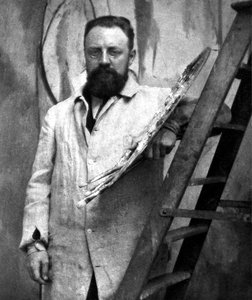
henri émile benoît matisse
1869 - 1954 , France
基本情報
- Artistic Movement Or Style: Fauvism, Post-Impressionism
- Date Of Birth: December 31, 1869
- Date Of Death: 1954
- Full Name: Henri Émile Benoît Matisse
- Nationality: French
- Notable Artworks:
- Carla Accardi Grigo Bruno
- The Banks of the Marne
- Belle-Île, rochers
- Moroccan in Green
- Place Of Birth: Le Cateau-Cambrésis, France
関連記事
アンリ・マティスの傑作25選:色彩と情熱の軌跡|ArtsDot
アンリ・マティスの傑作25選🎨 色彩と情熱が織りなす世界を旅する。フォーヴィスム代表の巨匠、マティスの絵画の魅力と歴史を紐解きます。ArtsDotで高品質なアートプリントや複製画を見つけ、インテリアに芸術的な輝きを✨ Explore the full collection online
Fauvism's Boldest Visions: 10 Masterpieces That Revolutionized Modern Art | ArtsDot
Explore 10 Fauvist masterpieces by Matisse, Derain & Vlaminck that ignited Modern Art! Discover bold colors, expressionist landscapes & the history of this revolutionary movement. Find museum-quality prints at ArtsDot.com.
至福の色彩が彩る:フォーヴィズムを定義づけた10大名作
鮮烈な色彩が時代を席巻!フォーヴィズムを代表する10大名作を徹底解剖。マティスら巨匠の技と情熱に触れ、アートの新たな世界を発見。ArtsDot.comで至高の美術館級レプリカと洗練されたインテリアアイデアを見つけよう。
Bold Strokes & Powerful Visions: 10 Artworks That Command Attention | ArtsDot
Experience art's raw power! Explore 10 iconic paintings – Van Gogh, Kahlo & more – that define 'bold'. Discover the stories behind these expressive masterpieces and find museum-quality reproductions for your home at ArtsDot.com.
Henri Matisse: A Revolutionary Use of Color and Form in Modern Art
Explore the revolutionary art of Henri Matisse! Discover his bold use of color, Fauvist origins, and lasting impact on modern painting. A comprehensive guide for art enthusiasts.