

 プレビュー
プレビュー
 プリントを購入
 シェアする
シェアする シェアする
シェアする
 詳細を見る
詳細を見る

 ダウンロード
 似ている作品
 X線調査
X線調査 スライドショー
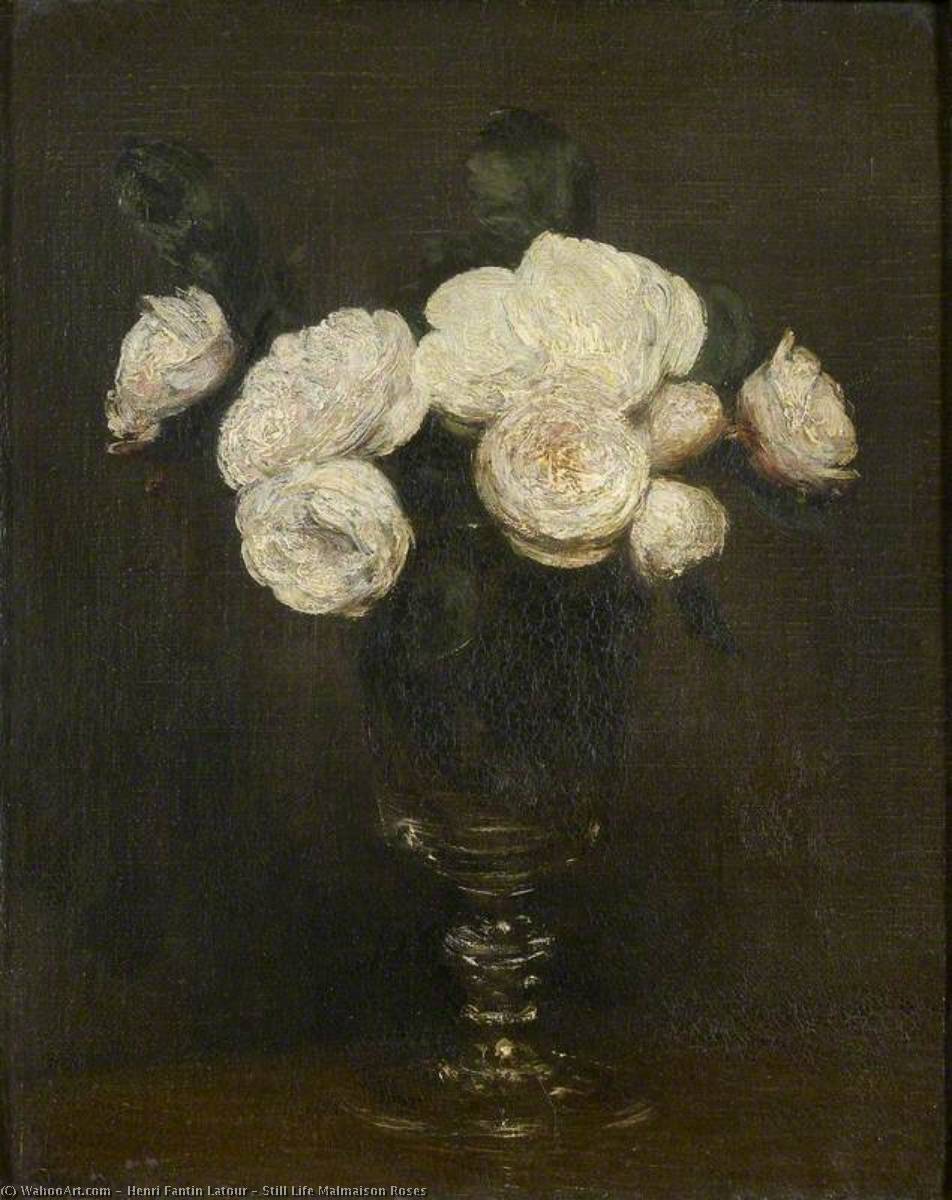
Still Life Malmaison Roses
 Oil On Canvas
- WallArt
- Impressionistic Realism
 1872
1872 30.0 x 24.0 cm
 アシュモリアン美術館
 詳細を見る
詳細を見る




P118B $10

P118H $10

P118W $10

P438Z $10

P508JH $12

P508YH $12

P805H $10

P805Z $10

P919BZ $10

P919G $10

P919XJ $10

P959ZH $10

P968JZ $12

W106C $8

W218G $10

W218JH $8

W218Y $10

W307PJ $10

W316G $10

W316PJ $8

W316Y $10

W398PJ $8

W4111J $10

W500HY $15

W500JH $15

W692G $12

W849H $8

W940BG $15

W953PJ $8




作品のオリジナル比率に合わせた、当店の規定サイズからお選びください。

特定のフレームやスペースに合わせて、ご希望のサイズをご入力いただけます。選択されたサイズが元の画像の比率と異なる場合、アートワークをトリミングするか、手描きで要素を追加して絵画を拡張いたします。デジタルモックアップ を制作し、制作開始前にご確認(承認)をいただきます。
画面上のプレビューは、実際のトリミングや拡張を正確に反映しているものではありません。最終的な構図は、モックアップによってのみ正確にご確認いただけます。
カスタムサイズもご利用いただけますが、元の比率を維持するためには、あらかじめ用意されたリストからサイズを選択することをお勧めいたします。
ご注文後、ArtsDot.com チームより詳細な指示をお送りするとともに、仕上がりイメージ(モックアップ)をご提供いたします。


 ガラスオプションは、110cm未満のサイズでのみご利用いただけます。

Still Life Malmaison Roses
複製技法
複製画のサイズ
-


合計金額
$ 263
作品解説
Still Life Malmaison Roses: A Delicate Dance Between Observation and Emotion
Henri Fantin-Latour’s “Still Life Malmaison Roses,” painted in 1872, transcends mere botanical depiction; it embodies a profound exploration of beauty and melancholy—a hallmark of Fantin-Latour's distinctive artistic vision. Executed in oil on canvas with meticulous detail, the artwork captures a vase brimming with roses and carnations arranged upon a simple wooden table. The artist’s masterful brushstrokes convey not just visual accuracy but also an intangible sense of stillness and contemplation. Fantin-Latour’s approach to painting stemmed from his unwavering belief in drawing from memory—a revolutionary technique championed by Horace Lecoq de Boisbaudran at the École des Beaux-Arts—allowing him to distill observation into a deeply personal expression. This method is evident in the subtle gradations of color and texture, mirroring the velvety petals of the roses and the delicate sheen of the carnations. The artist’s careful attention to light and shadow enhances the dramatic effect, creating an atmosphere that feels both luminous and subtly shadowed—a deliberate choice reflecting the complexities of human experience. The painting's historical context is firmly rooted in the Victorian era, a period characterized by a fascination with natural beauty alongside anxieties about mortality. Fantin-Latour’s penchant for capturing fleeting moments of grace speaks to this broader cultural preoccupation. Roses, traditionally associated with love and passion, juxtaposed against the muted tones of the table convey a poignant awareness of life's ephemeral nature—a sentiment echoed in the melancholic gaze conveyed by the composition itself. The Ashmolean Museum houses this masterpiece, offering visitors an opportunity to immerse themselves in Fantin-Latour’s artistic legacy.- Artist: Henri Fantin-Latour
- Year Created: 1872
- Medium: Oil on Canvas
- Location: Ashmolean Museum of Art and Archaeology, Oxford
Exploring Fantin-Latour’s Unique Artistic Method
Fantin-Latour's revolutionary technique—drawing from memory rather than slavishly copying nature—was a radical departure from prevailing artistic conventions. He meticulously studied Old Masters at the Louvre, absorbing their compositional strategies and mastering their pigment handling skills. However, he prioritized capturing the essence of his subject matter through internal perception—a process that demanded unwavering concentration and profound empathy for the natural world. This approach resulted in paintings imbued with an unparalleled sense of atmosphere and emotional depth.- Technique: Memory Drawing
- Influenced By: Horace Lecoq de Boisbaudran
- Focus: Capturing Essence Over Literal Representation
Symbolism Within Floral Still Life
The selection of flowers—roses and carnations—holds significant symbolic weight within the context of Victorian art. Roses, representing love and passion, symbolize idealized beauty and enduring affection. Conversely, carnations convey remembrance and mourning—a subtle acknowledgment of mortality’s inevitable presence. Fantin-Latour skillfully integrates these symbols into his composition, creating a visual narrative that transcends mere botanical accuracy. The arrangement itself suggests a deliberate consideration of form and color—elements carefully chosen to evoke specific emotions and reinforce the painting's overarching thematic concerns.A Legacy of Poetic Realism
Fantin-Latour’s “Still Life Malmaison Roses” exemplifies his signature style—a harmonious blend of realism and poetic idealism. He achieved this remarkable feat by prioritizing emotional resonance alongside meticulous technical execution, securing his place as one of the foremost practitioners of "poetic realism." The painting continues to inspire artists and collectors alike, serving as a poignant reminder that true beauty resides not only in visual splendor but also in the capacity for profound contemplation—a timeless masterpiece destined to endure for generations to come.関連作品

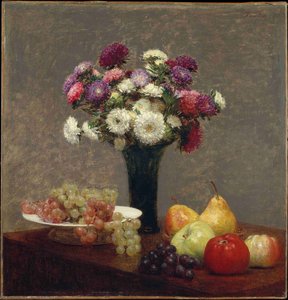
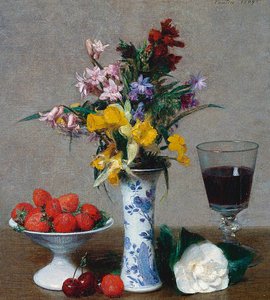
アーティストの略歴
生誕と芸術への傾倒
1836年、フランスのグルノーブルに生まれたイニャス・アンリ・ジャン=テオドール・ファントゥン=ラトゥールは、現実主義と象徴主義が交錯する時代を生き、その人生は繊細な調和の中で展開されました。幼少の頃から芸術的な才能を示し、父テオドール・ファントゥン=ラトゥール自身も肖像画家であったことから、基礎的なデッサン指導を受けました。この家族の温かい励ましが、1850年にパリへと向かうきっかけとなり、そこでエコール・ド・デッサンに入学し、革新的なオラス・ルコック・ド・ボアボードランに師事します。ルコックの型にはまらない指導法—厳密な模倣ではなく記憶に基づいた描画を重視する—は、ファントゥン=ラトゥールに成熟した作品を特徴づける独自の観察と表現方法を植え付けました。その後、エコール・デ・ボザールで正式な訓練を受け、ルーブル美術館の聖堂で古 masters の研究に没頭し、その技法や構図を丹念に模写しました。後に印象派の萌芽となる前衛的なサークルにも身を置きましたが、ウィスラーやマネといった芸術家と交流しながらも、自身の芸術的道を歩み続け、変化する芸術潮流を取り込みながらも保守的なスタイルを貫きました。詩的な静物画と文学肖像
ファントゥン=ラトゥールの名声は、特に花を描いた精緻な静物画によって確立されました。これらは単なる植物学的な研究ではなく、静謐な感情的な響きを湛えた入念に構成された作品でした。彼はジャンルを超越し、それぞれの花に象徴的な意味を与え、色彩と形の微妙な調和を探求しました。『花と果実の静物画』はその卓越した光と質感の表現において、日常的な対象を見事な美しさに昇華させています。しかし、ファントゥン=ラトゥールの芸術的ビジョンは花の領域に留まりませんでした。彼は著名な文学者や芸術家の肖像画でも知られるようになり、特に彼らが集う場面を描いた作品で高い評価を得ました。これらのグループ構成—しばしば17世紀のオランダのギルド肖像画を彷彿とさせる—は、19世紀パリの知的生活に興味深い光を当てています。『テーブルを囲む人々』(1872年)は、パルナッス派の詩人たちの集まりを描いた彼の最も有名な作品であり、テオフィル・ゴーティエやシャルル・ボードレールの姿を繊細な心理描写とともに不朽のものとしています。これらの肖像画は単なる容貌の再現ではなく、創造性と知的な交友関係を祝うものでした。現実主義と象徴主義の架け橋
ファントゥン=ラトゥールは芸術界において特異な位置を占め、現実主義と象徴主義の境界線を曖昧にしていました。彼の細部へのこだわりや忠実な形態の描写は現実主義の伝統に合致する一方で、色彩の使い方、構図、そして主題はより深い象徴的な意味を示唆しています。静物画に描かれた花々は、しばしば寓意的な関連性を持って選択されました—スミレは謙虚さを表し、ユリは純粋さを象徴します。彼の肖像画もまた、単なる個人の表現にとどまらず、創造性の精神と人間関係の複雑さを探求するものでした。彼は同時代の芸術家のように衝撃を与えたり革命を起こそうとはせず、代わりに美しさと知的な刺激を両立させた作品を生み出そうとしました。観察と解釈、現実主義と象徴主義—この繊細なバランスがファントゥン=ラトゥールの個性を際立たせ、彼の芸術の永続的な魅力を生み出しています。彼は卓越した観察眼を持ち、絵画に注意深く考察を促す多層的な意味を忍ばせていました。晩年と遺産
1875年、ファントゥン=ラトゥールは同じく画家であるヴィクトリア・デュブールと結婚し、彼女は生涯のパートナーとなるだけでなく、芸術的な協力者にもなりました。二人は夏の間、彼女の家族が所有するノルマンディーの邸宅で過ごし、穏やかな田園地帯からインスピレーションを得ました。この時期になると、ファントゥン=ラトゥールはリトグラフ制作にますます傾倒し、新しい表現的可能性を探求しました。彼はリヒャルト・ワーグナーやエクトル・ベルリオーズといった作曲家の印象的な肖像画を制作し、彼らの個性を卓越した感性で捉えました。彼の版画作品はしばしば伝記作品の挿絵として用いられ、同時代の知的潮流に深く関わっているという彼の評判を確固たるものとしました。ファントゥン=ラトゥールは1904年にブーレ(オルヌ県)で亡くなり、後世に多くの感動とインスピレーションを与える作品群を残しました。彼の影響は現実主義と象徴的な意味合いを組み合わせようとした後続の芸術家の作品に見られ、彼の絵画は世界中のコレクターや美術館から高く評価されています。彼は静かな観察力、微妙な象徴性、そして永続する芸術的調和の証です。主要作品と芸術的つながり
- 暁の女神の宮殿(1873年):夢のような美学と豊かな象徴性を特徴とする象徴主義絵画で、ファントゥン=ラトゥールの才能を示しています。
- テーブルを囲む人々(1872年):パルナッス派の詩人たちの集まりを描いた現実主義の傑作であり、19世紀パリの知的生活に洞察を与えています。
- 花と果実の静物画(様々な年代):色彩、構図、そして静物画ジャンルにおける象徴的な表現の卓越した技量を示しています。
- シャルロット・デュブールの肖像画(1882年):肖像画における彼の才能を証明し、容貌と心理的深さを捉えています。
- 影響:歴史的な場面や劇的な構図を重視したトマス・クチュール。ルーブル美術館で研究した古 masters は、技法と古典主義の原則の基礎を提供しました。
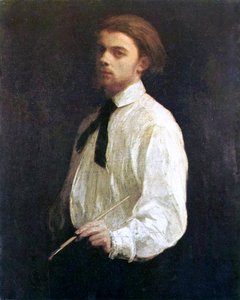
アンリ・ファンタン=ラトゥール
1836 - 1904 , フランス
基本情報
- Artistic Movement Or Style: 写実主義、象徴主義
- Artists Or Movements Influenced By This Artist: ['印象派']
- Artists Who Influenced This Artist:
- 旧マスター
- クールベ
- Date Of Birth: 1836年1月14日
- Date Of Death: 1904年8月25日
- Full Name: アンリ・ファンタン=ラトゥール
- Nationality: フランス人
- Notable Artworks (List Of Titles):
- 静物画
- テーブルを囲む人々
- Place Of Birth (City And Country): フランス、グルノーブル
関連記事
アンリ・マティスの傑作25選:色彩と情熱の軌跡|ArtsDot
アンリ・マティスの傑作25選🎨 色彩と情熱が織りなす世界を旅する。フォーヴィスム代表の巨匠、マティスの絵画の魅力と歴史を紐解きます。ArtsDotで高品質なアートプリントや複製画を見つけ、インテリアに芸術的な輝きを✨ Explore the full collection online
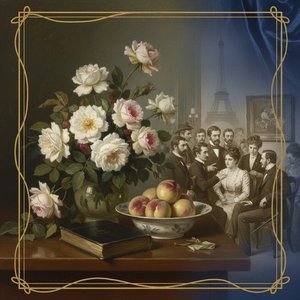
Henri Fantin-Latour: A Poetic Realism Between Still Life and the Parisian Avant-Garde
Explore the captivating world of Henri Fantin-Latour, a master of still life and portraiture. Discover his unique blend of Realism & Symbolism, Parisian connections, and enduring legacy with ArtsDot.

The Enduring Legacy of Oil on Canvas: Technique, History & Aesthetic Impact
Explore the rich history & techniques of oil painting – from Renaissance masters to Impressionism. Discover pigments, layering methods, and why this timeless medium endures. Expert insights for artists & art enthusiasts.

Oil on Canvas: A Historical & Technical Exploration of a Timeless Artistic Medium
Explore the rich history & enduring techniques of oil painting on canvas. Discover the science behind its longevity, conservation practices, and contemporary relevance. Expert insights for art enthusiasts.

The Enduring Power of Painting: A Historical & Contemporary Exploration of Form and Emotion
Explore the rich history & enduring techniques of oil painting with ArtsDot. Discover masterpieces, learn about art collecting, and find authentic handmade reproductions crafted by skilled artists.

