

 プレビュー
プレビュー
 プリントを購入
 シェアする
シェアする シェアする
シェアする
 詳細を見る
詳細を見る

 ダウンロード
 似ている作品
 X線調査
X線調査 スライドショー
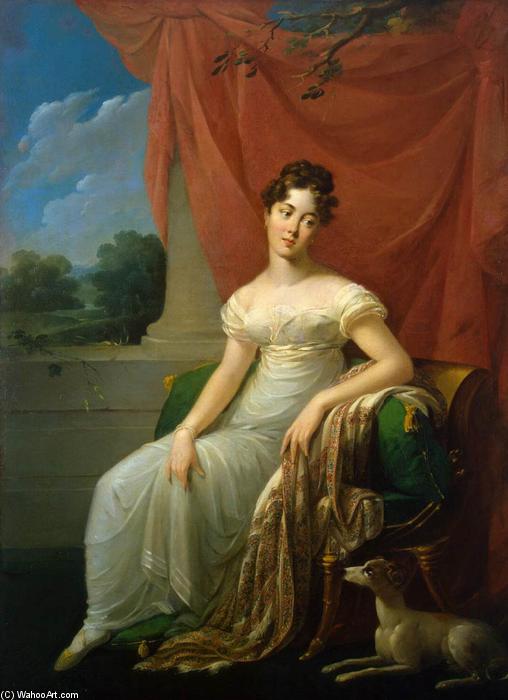
Portrait of Sofia Apraxina
 Oil On Canvas
- WallArt
- Neoclassicism
 1818
1818 175.0 x 120.0 cm
 エルミタージュ美術館
 詳細を見る
詳細を見る




P118B $10

P118H $10

P118W $10

P438Z $10

P508JH $12

P508YH $12

P805H $10

P805Z $10

P919BZ $10

P919G $10

P919XJ $10

P959ZH $10

P968JZ $12

W106C $8

W218G $10

W218JH $8

W218Y $10

W307PJ $10

W316G $10

W316PJ $8

W316Y $10

W398PJ $8

W4111J $10

W500HY $15

W500JH $15

W692G $12

W849H $8

W940BG $15

W953PJ $8




作品のオリジナル比率に合わせた、当店の規定サイズからお選びください。

特定のフレームやスペースに合わせて、ご希望のサイズをご入力いただけます。選択されたサイズが元の画像の比率と異なる場合、アートワークをトリミングするか、手描きで要素を追加して絵画を拡張いたします。デジタルモックアップ を制作し、制作開始前にご確認(承認)をいただきます。
画面上のプレビューは、実際のトリミングや拡張を正確に反映しているものではありません。最終的な構図は、モックアップによってのみ正確にご確認いただけます。
カスタムサイズもご利用いただけますが、元の比率を維持するためには、あらかじめ用意されたリストからサイズを選択することをお勧めいたします。
ご注文後、ArtsDot.com チームより詳細な指示をお送りするとともに、仕上がりイメージ(モックアップ)をご提供いたします。


 ガラスオプションは、110cm未満のサイズでのみご利用いただけます。

Portrait of Sofia Apraxina
複製技法
複製画のサイズ
-


合計金額
$ 263
Portrait of Sofia Apraxina: A Neoclassical Jewel of Intimacy
Henri François Riesener’s “Portrait of Sofia Apraxina,” painted in 1818, is more than just a likeness; it's a carefully constructed tableau of aristocratic grace and understated elegance. Housed within the venerable halls of The Hermitage Museum in St. Petersburg, this oil on canvas offers a captivating glimpse into the world of early 19th-century Russian nobility – a world defined by refined manners, artistic patronage, and a deep appreciation for classical ideals. Measuring a substantial 175 x 120 cm, the painting commands attention not merely through its scale but through the sheer artistry with which it captures the subject’s poise and inner life.
Riesener, a Parisian artist deeply influenced by both François-André Vincent and Jacques-Louis David, masterfully employs the tenets of Neoclassicism. The composition is meticulously balanced, reflecting the era's fascination with symmetry and order. Sofia Apraxina, seated in an opulent chair draped in rich fabrics – crimson velvet and gold brocade – exudes a quiet confidence. Her posture is impeccable, her gaze direct yet not confrontational; she’s clearly accustomed to being observed, yet retains a subtle air of vulnerability. The inclusion of the small dog at her feet—a breed likely a Papillon or similar delicate variety—adds an element of warmth and companionship, hinting at a life filled with gentle pleasures.
A Symphony of Light and Shadow
The painting’s technical brilliance lies in Riesener's masterful manipulation of light and shadow. He doesn’t simply depict the subject; he sculpts her form through carefully layered brushstrokes that create an illusion of depth and volume. Soft, diffused lighting washes over Sofia’s face, highlighting the delicate curve of her cheekbones and the subtle expression in her eyes. The artist skillfully uses chiaroscuro – the dramatic contrast between light and dark – to define the folds of her dress and the textures of the chair, adding a tactile quality to the scene. Notice how the drapery subtly recedes into the background, creating a sense of spaciousness and drawing the viewer’s eye towards the central figure.
The backdrop is dominated by a large red curtain, a deliberate choice that serves both aesthetic and symbolic purposes. Red, historically associated with royalty and power, elevates Sofia's status while simultaneously suggesting a private, intimate space—a sanctuary shielded from the world outside. The glimpse of a distant landscape through an opening in the drapery introduces a touch of nature, subtly reminding us of the connection between nobility and the natural world – a recurring theme in Neoclassical art.
Symbolism and Context
“Portrait of Sofia Apraxina” is not merely a representation of a woman; it’s a carefully constructed statement about her social standing and the values of her time. The setting itself—an opulent interior with luxurious furnishings—underscores her wealth and privilege. The dog, as mentioned earlier, symbolizes loyalty and companionship, qualities highly valued in aristocratic circles. The painting was created during a period of significant political and artistic change – the aftermath of Napoleon’s reign and the rise of Romanticism. Riesener's work reflects this transition, retaining the formality of Neoclassicism while subtly incorporating elements of emotional expression.
Further research reveals that Henri François Riesener was a prolific artist active in Paris during the Napoleonic era, known for his portraits of prominent figures including opera singers and members of the royal family. The Hermitage Museum’s collection offers further insights into his artistic style and career, alongside works by contemporaries such as Herri Met De Bles and Heinrich Von Angeli. The availability of high-quality reproductions through platforms like ArtsDot allows art enthusiasts to experience the beauty and artistry of “Portrait of Sofia Apraxina” in their own homes, bringing a touch of timeless elegance to any space.
A Legacy of Elegance
“Portrait of Sofia Apraxina” stands as a testament to Riesener’s skill and the enduring appeal of Neoclassical art. It's a painting that invites contemplation, prompting us to consider not only the subject’s appearance but also her social context and the artistic principles that shaped its creation. The meticulous detail, harmonious color palette, and masterful use of light and shadow combine to create an image of remarkable beauty and sophistication—a timeless masterpiece that continues to captivate viewers centuries after its completion.
関連作品



アーティストの略歴
A Legacy of Elegance: The Life and Art of Henri François Riesener
In the grand, sweeping tapestry of French art history, few names evoke the refined grace of the Napoleonic era quite like Henri François Riesener. Born in Paris in 1767, Riesener was a man shaped by both the meticulous precision of craftsmanship and the turbulent winds of revolution. He descended from a prestigious lineage of German cabinetmakers, most notably his father, Jean-Henri Riesener, whose legendary skill in creating exquisite furniture for the French court instilled in the younger Riesener an innate appreciation for fine detail and aesthetic harmony. This heritage provided a foundation of discipline that would later define his approach to the delicate medium of miniature painting and the commanding presence of his larger portraits.
Riesener’s artistic journey was far from a quiet studio existence; it was a life lived amidst the very heart of historical transformation. His formal education brought him under the guidance of masters such as François-André Vincent and the titan of Neoclassicism, Jacques-Louis David. From these mentors, he absorbed the rigorous anatomical accuracy and the dignified, structured compositions that characterized the era. Yet, his horizons were expanded far beyond the borders of Paris. Driven by a spirit of adventure, Riesener joined Napoleon’s army during the Italian campaigns and later traveled to Egypt. These expeditions exposed him to the exoticism of distant cultures and the stark beauty of ancient landscapes, infusing his later work with a subtle psychological depth and a worldly perspective that set him apart from his contemporaries.
Mastery of the Portrait and the Miniature
Upon his return to a post-war Paris, Riesener established himself as a premier portraitist, a role that allowed him to navigate the highest echel's of society. His ability to capture not just the physical likeness, but the very essence of his subjects, made him a favorite among the elite. His canvases served as windows into the Napoleonic age, documenting the faces of power and culture. Whether he was rendering the authoritative presence of Maurice Quay or the intellectual dignity of figures like Charles Maurice de Talleyrand-Périgord, Riesener utilized a Neoclassical technique that emphasized clarity, light, and a sense of timelessness.
Beyond the grand scale of oil portraiture, Riesener found profound success as a miniaturist. This medium required an extraordinary level of patience and a delicate touch, qualities he possessed in abundance. His miniatures were prized for their intimacy, offering a portable piece of art that could be held close to the heart. His repertoire was remarkably diverse, ranging from:
- The commanding portraits of military and political figures such as Eugène de Beauharnais.
- Captivating depictions of celebrated opera singers, which brought a sense of movement and lyricism to his work.
- Intimate studies of the Parisian socialites, including Madame Sallandrouze.
- Tributes to fellow artists, such as his poignant portrait of the sculptor Antoine André Ravrio, now preserved in the Louvre Museum.
Historical Significance and Enduring Impression
The significance of Henri François Riesener lies in his role as a visual chronicler of a pivotal era. As France transitioned from the twilight of the Enlightenment through the fervor of the Revolution and into the grandeur of the First Empire, Riesener’s brush captured the shifting moods of a nation. His work embodies the tension between the structured elegance of Neoclassicism and the burgeoning emotional intensity of Romanticism. Through his portraits, we gain an intimate understanding of the faces that shaped modern Europe, seeing them not merely as historical icons, but as living, breathing individuals caught in the currents of change.
Today, Riesener’s legacy continues to resonate through the prestigious collections of the Louvre and other world-class institutions. His ability to blend the technical precision inherited from his father's craft with the grand stylistic innovations of his teachers ensures that his work remains a vital subject of study for art historians. To look upon a Riesener portrait is to witness the intersection of personal artistry and historical destiny, a testament to a life spent capturing the fleeting beauty and enduring dignity of the human spirit.
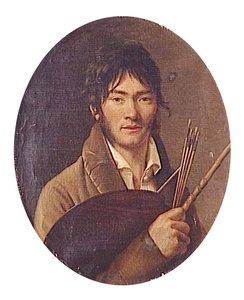
henri françois riesener
1767 - 1828 , France
基本情報
- Artistic Movement Or Style: Neoclassical Portraiture
- Artists Or Movements Influenced By This Artist: ['Classical Portraiture']
- Artists Who Influenced This Artist:
- François-André Vincent
- Jacques-Louis David
- Date Of Birth: Paris, France (1767)
- Date Of Death: 1828
- Full Name: Henri François Riesener
- Nationality: French
- Notable Artworks:
- Portrait de François Adrien Boieldieu
- Portrait of Sofia Apraxina
- Portrait en pied de l’Impératrice Joséphine
- Place Of Birth: Paris
関連記事
サンクトペテルブルク・エルミタージュ美術館:至宝25選 - 歴史と芸術の輝きをあなたの空間に
サンクトペテルブルク・エルミタージュ美術館の至宝25選。レムブランド、ダ・ヴィンチの名作を紐解き、歴史と芸術の輝きをご堪能ください。ArtsDot.comで高品質な複製画やインテリアアートを見つけ、空間に感動を。今すぐコレクションをご覧ください。

The Enduring Legacy of Oil on Canvas: Technique, History & Aesthetic Impact
Explore the rich history & techniques of oil painting – from Renaissance masters to Impressionism. Discover pigments, layering methods, and why this timeless medium endures. Expert insights for artists & art enthusiasts.

Oil on Canvas: A Historical & Technical Exploration of a Timeless Artistic Medium
Explore the rich history & enduring techniques of oil painting on canvas. Discover the science behind its longevity, conservation practices, and contemporary relevance. Expert insights for art enthusiasts.

The Enduring Power of Painting: A Historical & Contemporary Exploration of Form and Emotion
Explore the rich history & enduring techniques of oil painting with ArtsDot. Discover masterpieces, learn about art collecting, and find authentic handmade reproductions crafted by skilled artists.

油彩のキャンバス:技法、歴史、そして現代の実践 - 古典美術愛好家へ
油彩の技法、歴史、巨匠たちの秘密を徹底解説。古典美術愛好家向けに、初期フランドル絵画から現代の実践まで深く掘り下げます。ArtsDotで高品質な複製画やカスタムオーダーも承ります。

