

 プレビュー
プレビュー
 プリントを購入
 シェアする
シェアする シェアする
シェアする
 詳細を見る
詳細を見る

 ダウンロード
 似ている作品
 X線調査
X線調査 スライドショー
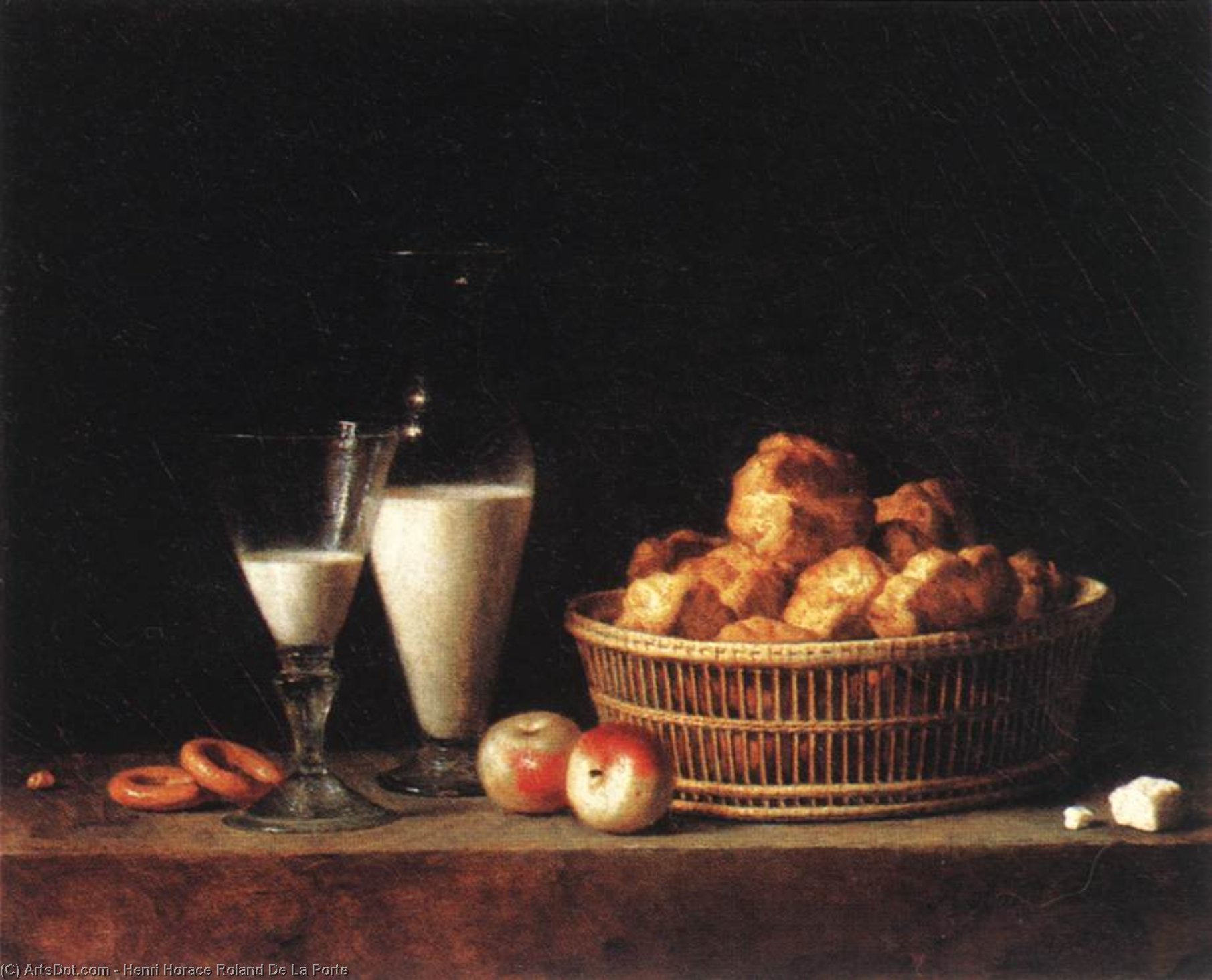
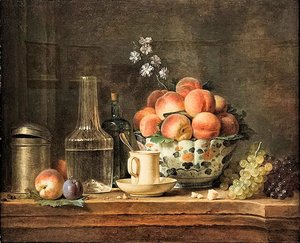
Still-Life with a Carafe of Barley Wine


 詳細を見る
詳細を見る
オンラインプレビューをはるかに凌ぐ、高解像度で鮮明なデジタル画像をご購入いただけます。
各ファイルは、社内の専門家が高度なツールと熟練した手作業によるレタッチを用いて、細心の注意を払って準備されています。すべての画像において、卓越した鮮明度、正確な色彩再現性、そして繊細なディテールを保証いたします。
最終ファイルは、プロフェッショナルな編集・印刷環境ですぐにご利用いただけるよう最適化された状態で、72時間以内にメールにてお届けいたします。これは、一流のデザインスタジオ、出版社、ギャラリーから信頼されているものと同等の品質です。
デジタル画像のご注文に付随する特典
高品質なデジタル画像配信を、確かな品質で。
ArtsDot.com を選ぶことは、単に画像を手に入れることではありません。それは、プロの手によって精密に仕上げられ、満足保証が付いた高品質なデジタルアートワークを受け取ることを意味します。ご注文いただいた際に自動的に付随する内容は、以下の通りです:

メールですぐにお届け
ご注文から72時間以内に、高解像度のデジタル画像ファイルがメールでお手元に届きます。すぐにそのままご利用いただけます。

AI技術で最適化されたデジタルファイル
お客様の作品は、高度なAIツールと専門家による手作業の編集を組み合わせてプロフェッショナルに最適化されており、細部のディテール、鮮明さ、そして正確な色再現性を最大限に引き出しています。

一生涯無料の再送サービス
ファイルを誤って削除したり、紛失してしまったりしましたか?ご安心ください。いつでも無料で再送いたします。

輸入手数料は一切かかりません
関税や手数料、配送料を気にすることなく、お気に入りのアートワークをすぐにお楽しみいただけます。デジタルダウンロードは常に免税です。

色彩再現の保証
プロ仕様のツールとカラーマネジメント技術を用いることで、デジタル画像が元の色を最大限に忠実に再現することを保証いたします。

60日間満足保証
ご購入いただいたデジタル画像にご満足いただけない場合は、60日以内であれば、修正または100%の返金(理由を問う必要はありません)をさせていただきます。

100% 返金保証
ご満足いただけない場合は、デジタルファイルを受け取ってから60日以内であれば、理由を問わず全額返金いたします。

まとめ買い割引
3枚購入で10%OFF - 5枚購入で15%OFF - 10枚以上購入で20%OFF。クリエイティブなプロジェクト、ギャラリー、エージェンシーに最適です。
関連作品







作家の略歴
Henri-Horace Roland de la Porte: A Master of Quiet Elegance
Henri-Horace Roland de la Porte (c. 1724 – November 23, 1793) remains a quietly significant figure in the history of French still life painting. Often overshadowed by his more flamboyant contemporaries, De La Porte’s work possesses a subtle grace and meticulous observation that reveals a profound understanding of light, texture, and the inherent beauty within everyday objects. Born in Paris, he initially trained under Jean-Baptiste Oudry, a master known for his depictions of exotic animals and vibrant floral arrangements – an influence readily apparent in his early works. However, De La Porte quickly developed a distinct style, one characterized by a restrained palette, carefully considered compositions, and a remarkable ability to imbue seemingly mundane subjects with a sense of quiet dignity.
His artistic journey was marked by acceptance into the Royal Academy of Painting and Sculpture in 1763, where he presented his “reception piece,” *Vase de lapis orné de bronze et musette à soufflet* (1763). This ambitious work, now housed in the Louvre Museum, immediately established him as a skilled painter capable of rendering complex textures and intricate details. It showcased his burgeoning talent for trompe-l’œil – creating illusions of three-dimensional objects on a two-dimensional surface – a technique he would continue to refine throughout his career. The painting itself, a lavish display of lapis lazuli, bronze, and musical instruments, exemplifies De La Porte's fascination with luxurious materials and the interplay of light and shadow.
The Language of Still Life
De La Porte’s still lifes are not merely arrangements of objects; they are carefully constructed narratives. He meticulously studied the principles of composition, employing techniques borrowed from classical architecture to create balanced and harmonious scenes. A key element in his work is the use of equilateral triangles – a compositional device frequently observed in his paintings, as seen in works like *Nature morte aux instruments de musique* (1765) and *Apprêts d’un déjeuner rustique*. Within these triangular frameworks, repeated shapes and colors subtly reinforce each other, generating a sense of visual unity. He skillfully manipulated light to highlight specific elements within the composition, drawing the viewer's eye to key details – a glistening grape, a delicate porcelain cup, or the polished surface of a musical instrument.
Furthermore, De La Porte’s approach was deeply influenced by Chardin, whose quiet realism and focus on everyday objects resonated with the artist. Like Chardin, De La Porte sought to capture the essence of his subjects through subtle gestures and carefully observed details. His brushwork is notably dry and precise, reflecting a meticulous attention to surface texture – the sheen of polished silver, the rough grain of wood, or the delicate folds of fabric. This painstaking detail elevates even the simplest objects into works of art.
Musical Instruments and Everyday Objects
A defining characteristic of De La Porte’s oeuvre is his fascination with musical instruments. He produced numerous still lifes depicting violins, cellos, harpsichords, and other instruments, often arranged in intimate settings alongside food and drink. These paintings are not simply depictions of objects; they evoke a sense of leisure, refinement, and the pleasures of the table. The inclusion of musical instruments suggests an appreciation for beauty, harmony, and the pursuit of artistic expression – values that were highly valued during the 18th century.
Alongside his celebrated depictions of musical instruments, De La Porte also painted a wide range of everyday objects: fruit bowls overflowing with seasonal produce, stacks of bread and cheese, and arrangements of tableware. These works demonstrate his ability to find beauty in the ordinary, transforming simple items into subjects worthy of artistic contemplation. His *Nature morte au potiron et aux champignons* (Still Life with Pumpkin and Mushrooms) exemplifies this talent, showcasing a rustic charm and an appreciation for the bounty of nature.
Legacy and Historical Context
Despite his considerable skill and consistent output, De La Porte’s work received relatively little recognition during his lifetime. His style, characterized by its restraint and subtlety, contrasted with the more flamboyant tendencies of other still life painters of the era. However, in recent decades, scholars have increasingly recognized De La Porte's unique contribution to French painting. His meticulous observation, masterful use of light and shadow, and profound understanding of composition have earned him a place among the most important artists of the 18th century.
De La Porte’s career coincided with significant social and political changes in France. The Enlightenment emphasized reason, science, and individual expression – values that found their way into his art. His paintings reflect a desire to capture the beauty of the natural world and the pleasures of everyday life, offering a counterpoint to the grandeur and excess of the aristocracy. His work serves as a poignant reminder of the quiet elegance and understated grace that can be found in the most unexpected places.
henri horace roland de la porte
1724 - 1793 , France
プロフィール概要
- Artistic Movement Or Style: Still life, Trompe-l'œil
- Artists Or Movements Influenced By This Artist: ['Jean Siméon Chardin']
- Artists Who Influenced This Artist: ['Jean-Baptiste Oudry']
- Date Of Birth: c. 1724
- Date Of Death: 1793
- Full Name: Henri-Horace Roland Delaporte
- Nationality: French
- Notable Artworks:
- Vase of Lapis
- Nature morte à la vielle
- Basket of Eggs
- Place Of Birth: Paris, France

