 プレビュー
プレビュー
 シェアする
シェアする シェアする
シェアする
 詳細を見る
詳細を見る

 ダウンロード
 似ている作品
 X線調査
X線調査 スライドショー
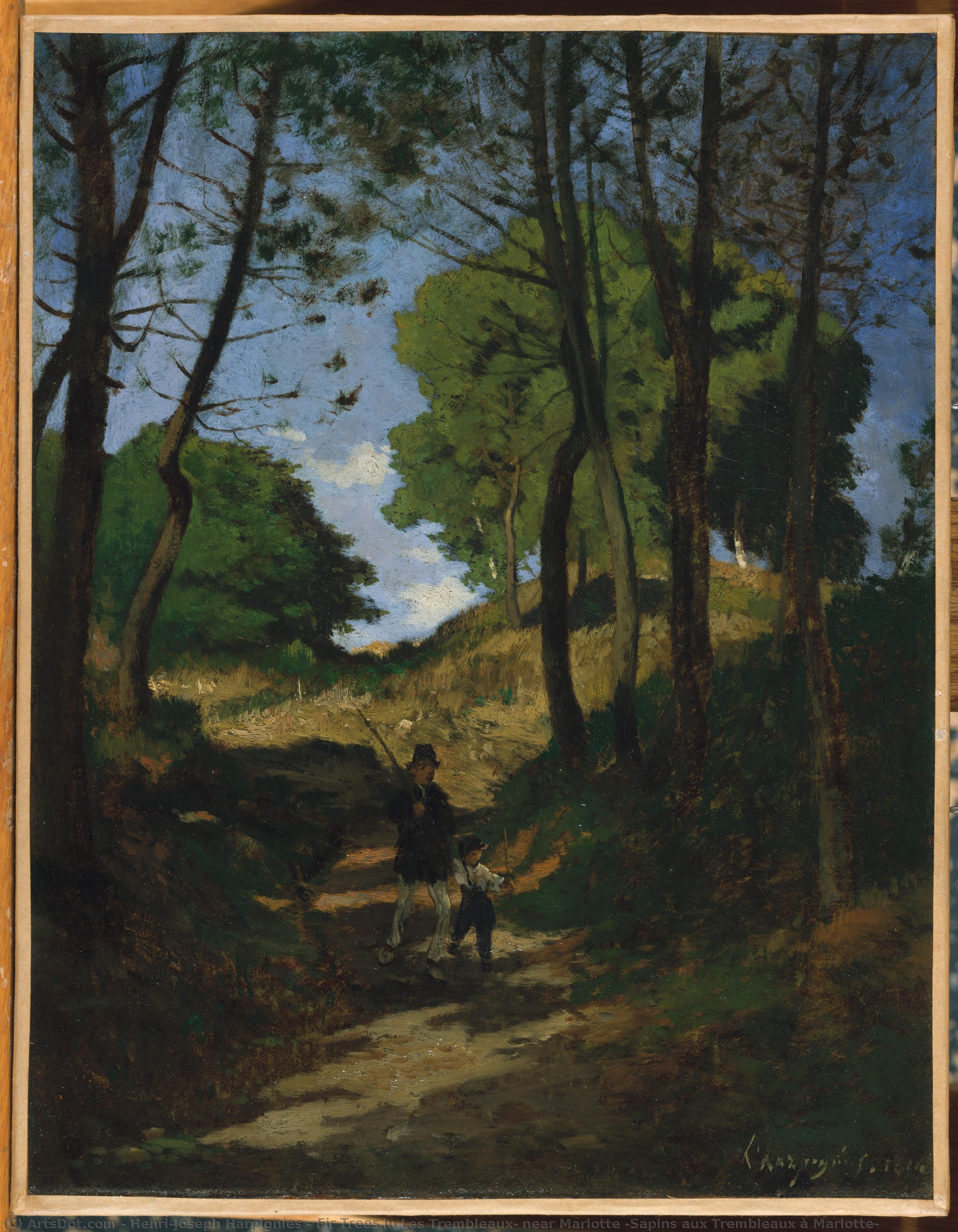
Fir Trees in Les Trembleaux, near Marlotte (Sapins aux Trembleaux à Marlotte)
 Acrylic On Canvas
- WallArt
- Barbizon School
 1854
1854 41.0 x 32.0 cm
 メトロポリタン美術館
 詳細を見る
詳細を見る
ジークレー/アートプリント
迅速な制作と多彩な仕上げオプションを備えた、ミュージアムクオリティのジークレーまたはキャンバスプリント。 ( 手描きの絵画を購入 画像を購入)




P118B $10

P118H $10

P118W $10

P438Z $10

P508JH $12

P508YH $12

P805H $10

P805Z $10

P919BZ $10

P919G $10

P919XJ $10

P959ZH $10

P968JZ $12

W106C $8

W218G $10

W218JH $8

W218Y $10

W307PJ $10

W316G $10

W316PJ $8

W316Y $10

W398PJ $8

W4111J $10

W500HY $15

W500JH $15

W692G $12

W849H $8

W940BG $15

W953PJ $8




作品のオリジナル比率に合わせた、当店の規定サイズからお選びください。

特定のフレームやスペースに合わせて、ご自身でサイズを指定することも可能です。選択されたサイズが元の画像の比率と一致しない場合、作品をトリミングするか、鏡面反射または単色での塗りつぶしによって画像を拡張いたします。制作を開始する前に、ご確認用のデジタルモックアップをお送りいたします。
画面上のプレビューには、実際のトリミングや拡張は反映されませんのでご注意ください。最終的な構図を正確に確認できるのは、モックアップのみとなります。
カスタムサイズも承っておりますが、元の比率を維持するためには、あらかじめ用意されたリストからサイズを選択することをお勧めいたします。


 ガラスオプションは、110cm未満のサイズでのみご利用いただけます。

Fir Trees in Les Trembleaux, near Marlotte (Sapins aux Trembleaux à Marlotte)
ジークレー/アートプリント
複製画のサイズ
-


合計金額
$ 62
A Woodland Reverie: Henri-Joseph Harpignies’ “Fir Trees in Les Trembleaux”
Henri-Joseph Harpignies' "Fir Trees in Les Trembleaux, near Marlotte" is more than a landscape painting; it’s an invitation into a hushed sanctuary of the French countryside. Completed in 1854, this vertically oriented work captures a fleeting moment within the Forest of Fontainebleau, a region steeped in artistic tradition and profoundly influential on generations of painters. It's a piece that speaks to the Romantic ideal of nature as both sublime and deeply personal, offering a glimpse into the artist’s meticulous observation and his ability to translate it onto canvas with remarkable sensitivity.
The painting immediately draws the eye with its masterful use of light and shadow. Harpignies, a key figure in the Barbizon School, eschewed the polished surfaces and historical subjects favored by the established Salon painters. Instead, he embraced *plein air* painting – working directly from nature – resulting in a freshness and immediacy rarely found in contemporary art. The golden hour bathes the foreground, illuminating the path winding through the trees and highlighting the figures of a father and son strolling together. This deliberate choice emphasizes the tranquility and connection between man and his surroundings, a core tenet of the Barbizon philosophy.
The Language of Light and Shadow: Technique and Style
Harpignies’ technique is characterized by its loose, expressive brushstrokes – a far cry from the smooth, blended surfaces of academic painting. He employed a broken color approach, layering thin washes of paint to create subtle gradations of tone and texture. This technique not only captures the atmospheric effects of light filtering through the trees but also imbues the landscape with a sense of movement and vitality. The artist’s attention to detail is evident in the meticulously rendered foliage, each pine needle and branch conveying a remarkable sense of realism while simultaneously contributing to the overall impressionistic effect.
The composition itself is carefully constructed. The receding path created by the trees acts as a visual pathway, drawing the viewer into the scene and creating a powerful sense of depth. The verticality of the firs contrasts beautifully with the horizontal expanse of the distant hills, establishing a dynamic balance within the painting. Notice how Harpignies uses color to guide the eye – cooler blues and greens dominate the shaded foreground, gradually transitioning to warmer yellows and oranges in the background, creating a harmonious and visually engaging experience.
A Barbizon Vision: Context and Symbolism
“Fir Trees in Les Trembleaux” is firmly rooted within the Barbizon School’s artistic principles. The Barbizon painters sought to depict nature as it truly was – unidealized, untamed, and imbued with a sense of timelessness. They rejected the artificiality of studio painting and embraced the challenges of working outdoors, often in inclement weather. This commitment to direct observation is evident throughout Harpignies’ work, particularly in his ability to capture the subtle nuances of light and atmosphere.
The inclusion of the father and son walking through the forest adds a layer of symbolic meaning to the painting. It represents a connection to nature, a celebration of family, and perhaps even a reflection on the cyclical rhythms of life. The path itself can be interpreted as a metaphor for the journey of self-discovery, inviting the viewer to contemplate their own relationship with the natural world. The scene evokes a sense of nostalgia and peace – a reminder of simpler times spent in communion with nature.
A Timeless Masterpiece: Emotional Impact and Legacy
“Fir Trees in Les Trembleaux” is not merely a beautiful landscape; it’s an emotionally resonant work that continues to captivate viewers today. Harpignies' ability to evoke a sense of tranquility, wonder, and connection with nature speaks to the enduring power of art to transport us beyond our everyday lives. The painting’s luminous quality, combined with its masterful technique and evocative symbolism, makes it a truly timeless masterpiece.
Reproductions of this work offer an exceptional opportunity to bring the serenity of the Forest of Fontainebleau into your home or office. The rich colors and textured brushstrokes are faithfully reproduced, allowing you to experience the full beauty and emotional impact of Harpignies’ original vision. It's a piece that will undoubtedly become a cherished addition to any art collection.
関連作品
アーティストの略歴
アンリ=ジョゼフ・アルピーニェの生涯と風景画の世界
1819年6月28日、フランスのヴァランシエンヌに生まれたアンリ=ジョゼフ・アルピーニェは、当初、両親から実業家としての道を期待されていました。しかし、彼の心は芸術への情熱で満たされており、その強い思いを抑えることはできませんでした。ベルギー出身の家族は、当初の計画を変更し、彼はアーティストになることを決意します。27歳にして、パリで正式に芸術の訓練を開始し、ジャン・アシャールのアトリエに入りました。この基礎的な時期は、アルピーニェの作品の中心となるであろう確かな描写力を養うことに重点が置かれました。
バルビゾン派とイタリアの影響
アシャールの指導のもと2年間学び、アルピーニェは1848年に重要な旅に出発します。それはイタリアへの旅でした。この経験は彼の芸術的視点に深い影響を与えました。1850年に帰国後、彼はジャン=バティスト・カミール・コローを含むバルビゾン派の主要な人物たちと出会います。自然を直接観察すること、そして田園生活を写実的に描くというバルビゾン派の姿勢は、アルピーニェに深く共鳴しました。1860年には、コローとの共同旅行で再びイタリアを訪れ、芸術的な繋がりをさらに強固なものとします。
芸術的発展とスタイル
アルピーニェのスタイルは、フランス田園地方の穏やかで牧歌的な風景描写によって特徴づけられます。彼は光や大気の微妙なニュアンスを見事に捉え、静けさと調和を感じさせる風景画を創造しました。彼の技法は、注意深い観察と洗練された構図への理解に基づいています。バルビゾン派の写実主義の影響を受けながらも、アルピーニェは独自の表現を確立し、作品に詩的な感性をしばしば取り入れました。
代表作
- ロワール川岸の夕暮れ (Soir sur les bords de la Loire) – 1861: 大気的な風景画の典型例であり、ロワール渓谷の美しさを際立たせています。
- カラス (Les corbeaux) – 1865: 自然環境におけるムードと細部の描写能力を示しています。
- 夕暮れ (Le soir) – 1866: 夕暮れの静かな美しさを捉えた魅力的な作品です。
- ロワール川 (La loire) – 1882: ロワール川の美しい描写であり、光と水の表現における彼の卓越した才能を際立たせています。
- サン=プリヴェの眺め (Vue de Saint-Privé) – 1883: 美しいフランスの村を描いた風光明媚な作品です。
遺産と影響
アルピーニェの芸術的遺産は、彼自身の絵画にとどまりません。彼は献身的な教師であり、エミール・アパイ(1876-1935)やジェームズ・ウィルソン・モリス (1865-1924)を含む多くの学生に知識と技術を伝えました。彼の影響は、19世紀後半から20世紀初頭にかけてのフランス風景画の発展に見ることができます。彼はバルビゾン派の影響を後世の世代のアーティストたちに広めました。
歴史的意義
アンリ=ジョゼフ・アルピーニェは、フランス風景画の歴史において重要な位置を占めています。彼の作品は、自然への深い感謝と、誠実さと繊細さをもってその美しさを捉えようとする姿勢を反映しています。彼は1916年に亡くなりましたが、豊かな芸術的遺産を残し、今日でも多くの人々を魅了し続けています。彼の絵画は、ヴァランス美術館を含む著名な博物館のコレクションに収蔵されており、風景画家としての彼の永続的な評価を確かなものとしています。
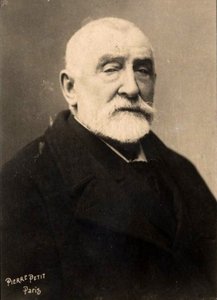
アンリ=ジョゼフ・アルピニエ
1819 - 1916 , フランス
基本情報
- Artistic Movement Or Style: バルビゾン派
- Artists Or Movements Influenced By This Artist:
- エミール・アパイ
- ジェームズ・ウィルソン・モリス
- Artists Who Influenced This Artist: ['ジャン=バティスト・コロー']
- Date Of Birth: 1819年6月28日
- Date Of Death: 1916年
- Full Name: アンリ=ジョゼフ・アルピーニエ
- Nationality: フランス人
- Notable Artworks (List Of Titles):
- ロワール川の夕暮れ
- カラス
- Place Of Birth (City And Country): フランス、ヴァランシエンヌ
関連記事
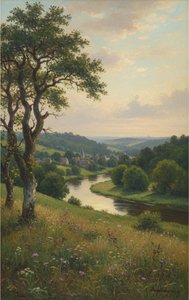
Henri-Joseph Harpignies: Capturing the Poetic Essence of the French Landscape
Explore the serene landscapes of Henri-Joseph Harpignies, a master of the Barbizon School. Discover his atmospheric paintings, recurring themes & enduring legacy in 19th-century French art. Learn more at ArtsDot.
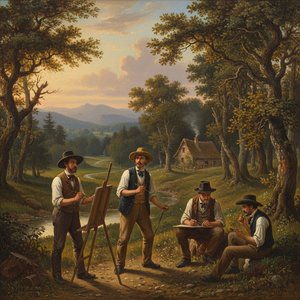
The Barbizon School: Pioneering Realism & the Pastoral Vision in 19th-Century French Painting
Explore the Barbizon School's pivotal role in 19th-century French painting. Discover how these artists revolutionized landscape art with their commitment to Realism and a profound connection to nature. Learn about key figures like Rousseau, Millet & Corot.
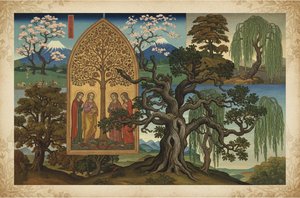
Arboreal Echoes: A Historical & Artistic Exploration of Trees in Painting
Explore the rich history of trees in painting! Discover symbolism, Romantic masterpieces by Caspar David Friedrich & beyond. A curated journey for art enthusiasts.
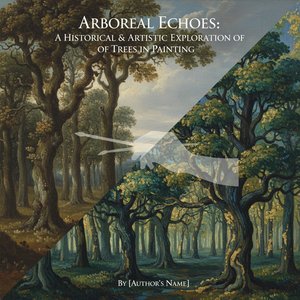
Arboreal Echoes: A Historical & Artistic Exploration of Trees in Painting
Explore the rich history of trees in painting! Discover symbolism, Romantic masterpieces by Caspar David Friedrich & beyond. A curated journey for art enthusiasts.
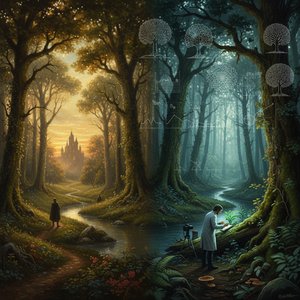
The Enchanted Canopy: Exploring Forests in Art History – From Romantic Idealization to Ecological Consciousness
Explore the rich history of forests in art! Discover Romantic masterpieces by Friedrich & Monet, Symbolist depths, and contemporary visions. Find inspiration & quality reproductions at ArtsDot.