

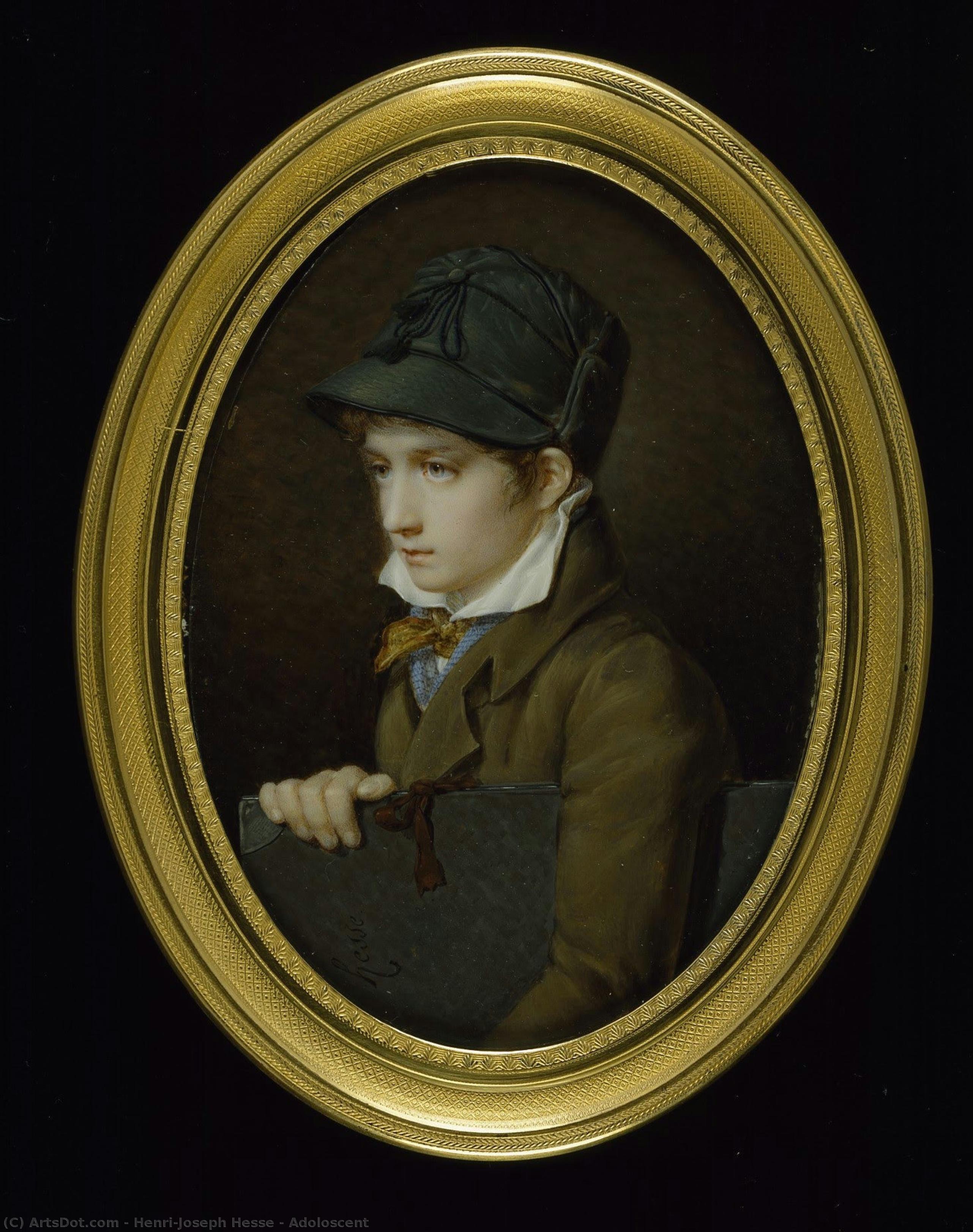
 プレビュー
プレビュー
 シェアする
シェアする シェアする
シェアする
 詳細を見る
詳細を見る

 ダウンロード
 似ている作品
 X線調査
X線調査 スライドショー
 Stats
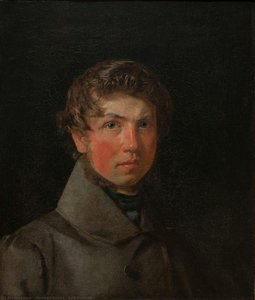
StatsAdoloscent
 9.0 x 13.0 cm
 Palazzo Madama
 詳細を見る
詳細を見る
オンラインプレビューをはるかに凌ぐ、高解像度で鮮明なデジタル画像をご購入いただけます。
各ファイルは、社内の専門家が高度なツールと熟練した手作業によるレタッチを用いて、細心の注意を払って準備されています。すべての画像において、卓越した鮮明度、正確な色彩再現性、そして繊細なディテールを保証いたします。
最終ファイルは、プロフェッショナルな編集・印刷環境ですぐにご利用いただけるよう最適化された状態で、72時間以内にメールにてお届けいたします。これは、一流のデザインスタジオ、出版社、ギャラリーから信頼されているものと同等の品質です。
デジタルアート
個人での鑑賞、印刷、クリエイティブなプロジェクト用に、高解像度ファイルをダウンロードできます。 ( Switch to Print 手描きの絵画を購入)
デジタル画像のご注文に付随する特典
高品質なデジタル画像配信を、確かな品質で。
ArtsDot.com を選ぶことは、単に画像を手に入れることではありません。それは、プロの手によって精密に仕上げられ、満足保証が付いた高品質なデジタルアートワークを受け取ることを意味します。ご注文いただいた際に自動的に付随する内容は、以下の通りです:

メールですぐにお届け
ご注文から72時間以内に、高解像度のデジタル画像ファイルがメールでお手元に届きます。すぐにそのままご利用いただけます。

AI技術で最適化されたデジタルファイル
お客様の作品は、高度なAIツールと専門家による手作業の編集を組み合わせてプロフェッショナルに最適化されており、細部のディテール、鮮明さ、そして正確な色再現性を最大限に引き出しています。

一生涯無料の再送サービス
ファイルを誤って削除したり、紛失してしまったりしましたか?ご安心ください。いつでも無料で再送いたします。

輸入手数料は一切かかりません
関税や手数料、配送料を気にすることなく、お気に入りのアートワークをすぐにお楽しみいただけます。デジタルダウンロードは常に免税です。

色彩再現の保証
プロ仕様のツールとカラーマネジメント技術を用いることで、デジタル画像が元の色を最大限に忠実に再現することを保証いたします。

100日間満足保証
ご購入いただいたデジタル画像にご満足いただけない場合は、100日以内であれば、理由を問わず修正または100%の返金対応をさせていただきます。

100% 返金保証
ご満足いただけない場合は、デジタルファイルを受け取ってから100日以内であれば、理由を問わず全額返金いたします。

まとめ買い割引
3枚購入で10%OFF - 5枚購入で15%OFF - 10枚以上購入で20%OFF。クリエイティブなプロジェクト、ギャラリー、エージェンシーに最適です。
関連作品






作家の略歴
Henry Fuseli: Architect of the Night
Johann Heinrich Füssli, better known as Henry Fuseli, remains a singularly compelling figure in the history of art – a Swiss-born artist who profoundly impacted European painting during the late 18th and early 19th centuries. Born in Zürich in 1741, Fuseli’s journey from aspiring theologian to celebrated painter was marked by intellectual curiosity, political upheaval, and an uncanny ability to tap into the darker recesses of the human psyche. His work, particularly *The Nightmare* (1781), continues to provoke intense reactions, cementing his reputation as a master of dramatic imagery and a pioneer in exploring themes of fear, sexuality, and the unconscious.
Fuseli’s early life was steeped in artistic and intellectual ferment. Raised within a family that valued education and culture, he initially pursued a career in theology before realizing his true calling lay in art. His relocation to London in 1764 proved pivotal, offering him access to the vibrant artistic circles of the era and, crucially, the patronage of Sir Joshua Reynolds, considered the leading portrait painter of his time. Reynolds recognized Fuseli’s unique talent for creating emotionally charged scenes and encouraged him to develop a more expressive style. This period in London saw Fuseli honing his skills, experimenting with various techniques, and establishing himself as a promising artist within the Royal Academy.
However, political instability in Switzerland forced Fuseli into exile, leading him to spend several years studying art in Italy. This immersion in the classical traditions of Rome profoundly shaped his artistic sensibilities. He was particularly influenced by Michelangelo’s powerful figures and the dramatic narratives of antiquity, which he would later incorporate into his own work. Returning to London, Fuseli continued to develop his distinctive style, characterized by a theatrical use of light and shadow, dynamic compositions, and an unsettling portrayal of human emotion. His paintings often depicted scenes from mythology, literature, and folklore, frequently imbued with a sense of mystery and foreboding.
The Nightmare: A Descent into the Unconscious
*The Nightmare*, arguably Fuseli’s most famous work, is a masterpiece of psychological drama. Painted in 1781, it depicts a woman lying in bed, seemingly trapped within a terrifying dream. The composition is instantly arresting – a central figure, her arms and head hanging off the edge of the mattress, dominated by an apelike creature perched upon her chest and a menacing horse rearing up from the shadows. The painting’s power lies not in explicit horror but in its evocative suggestion of primal fears and anxieties.
Art historians have long debated the precise meaning of *The Nightmare*. Some interpret the incubus as a symbol of malevolent spirits, while others see it as representing the repressed desires and anxieties that haunt the human psyche. Sigmund Freud famously cited the painting as an early example of the visual representation of dreams, suggesting its resonance with the unconscious mind. Fuseli himself described the scene as “a dream,” emphasizing its subjective and irrational nature. The use of chiaroscuro – the dramatic contrast between light and shadow – further intensifies the sense of unease and mystery, drawing the viewer into the woman’s terrifying experience.
The painting's initial reception at the Royal Academy was remarkably controversial. Many viewers were shocked by its unsettling imagery and perceived it as a violation of conventional artistic standards. However, *The Nightmare* quickly gained notoriety and became a subject of intense discussion and speculation. It established Fuseli’s reputation as an artist who dared to explore taboo subjects and challenge societal norms.
A Legacy of Dramatic Imagery
Beyond *The Nightmare*, Fuseli produced a prolific body of work that encompassed portraits, historical scenes, mythological compositions, and illustrations for literary works. His paintings are characterized by their dramatic intensity, expressive brushwork, and skillful manipulation of light and shadow. He was particularly drawn to subjects involving women in states of distress or vulnerability, often depicting them as victims of supernatural forces or psychological torment.
Fuseli’s influence extended far beyond his own lifetime. His work paved the way for later Romantic artists who sought to capture the emotional intensity and subjective experience of human consciousness. Artists such as William Blake were profoundly influenced by Fuseli's exploration of darkness, symbolism, and the power of dreams. His legacy can be seen in the works of numerous painters who followed, demonstrating his enduring impact on the development of European art.
Henry Fuseli died in Putney Hill, London, in 1825 at the age of 84. He left behind a remarkable body of work that continues to fascinate and intrigue viewers today. His paintings serve as a potent reminder of the enduring power of art to explore the darkest corners of the human experience – the realm of dreams, fears, and the unconscious mind.

henri-joseph hesse
1781 - 1849 , France
プロフィール概要
- Artistic Movement Or Style: Rococo, Romanticism
- Artists Or Movements Influenced By This Artist: ['William Blake']
- Artists Who Influenced This Artist:
- Michelangelo
- classical art
- Date Of Birth: February 7, 1741
- Date Of Death: April 16, 1825
- Full Name: Johann Heinrich Füssli
- Nationality: Swiss
- Notable Artworks:
- The Nightmare
- Portrait of Voltaire
- Place Of Birth: Zürich, Switzerland