

 プレビュー
プレビュー
 プリントを購入
 シェアする
シェアする シェアする
シェアする
 詳細を見る
詳細を見る

 ダウンロード
 似ている作品
 X線調査
X線調査 スライドショー
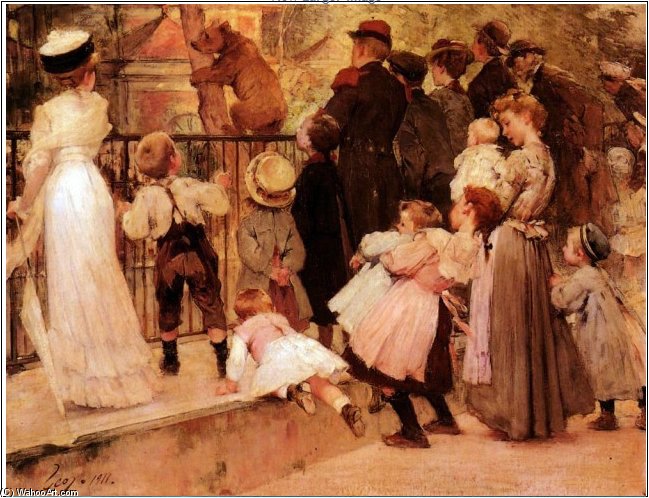
At The Botanical Gardens
 詳細を見る
詳細を見る
オンラインプレビューをはるかに凌ぐ、高解像度で鮮明なデジタル画像をご購入いただけます。
各ファイルは、社内の専門家が高度なツールと熟練した手作業によるレタッチを用いて、細心の注意を払って準備されています。すべての画像において、卓越した鮮明度、正確な色彩再現性、そして繊細なディテールを保証いたします。
最終ファイルは、プロフェッショナルな編集・印刷環境ですぐにご利用いただけるよう最適化された状態で、72時間以内にメールにてお届けいたします。これは、一流のデザインスタジオ、出版社、ギャラリーから信頼されているものと同等の品質です。
デジタル画像のご注文に付随する特典
高品質なデジタル画像配信を、確かな品質で。
ArtsDot.com を選ぶことは、単に画像を手に入れることではありません。それは、プロの手によって精密に仕上げられ、満足保証が付いた高品質なデジタルアートワークを受け取ることを意味します。ご注文いただいた際に自動的に付随する内容は、以下の通りです:

メールですぐにお届け
ご注文から72時間以内に、高解像度のデジタル画像ファイルがメールでお手元に届きます。すぐにそのままご利用いただけます。

AI技術で最適化されたデジタルファイル
お客様の作品は、高度なAIツールと専門家による手作業の編集を組み合わせてプロフェッショナルに最適化されており、細部のディテール、鮮明さ、そして正確な色再現性を最大限に引き出しています。

一生涯無料の再送サービス
ファイルを誤って削除したり、紛失してしまったりしましたか?ご安心ください。いつでも無料で再送いたします。

輸入手数料は一切かかりません
関税や手数料、配送料を気にすることなく、お気に入りのアートワークをすぐにお楽しみいただけます。デジタルダウンロードは常に免税です。

色彩再現の保証
プロ仕様のツールとカラーマネジメント技術を用いることで、デジタル画像が元の色を最大限に忠実に再現することを保証いたします。

60日間満足保証
ご購入いただいたデジタル画像にご満足いただけない場合は、60日以内であれば、修正または100%の返金(理由を問う必要はありません)をさせていただきます。

100% 返金保証
ご満足いただけない場合は、デジタルファイルを受け取ってから60日以内であれば、理由を問わず全額返金いたします。

まとめ買い割引
3枚購入で10%OFF - 5枚購入で15%OFF - 10枚以上購入で20%OFF。クリエイティブなプロジェクト、ギャラリー、エージェンシーに最適です。
関連作品
作家の略歴
A Dream Woven in Paint: The Life and Art of Henri Geoffroy dit Geo
Henri Geoffroy, known to the art world as Geo, remains a somewhat enigmatic figure despite his captivating oeuvre. Born in Évreux, France, in 1853, he emerged from a milieu steeped in artistic tradition yet forged a path distinctly his own—one characterized by Symbolist leanings and an intensely personal vision. His early life offered little indication of the profound emotional depth that would come to define his paintings; however, a growing fascination with the works of Jean-François Millet, particularly the artist’s depictions of rural life and the dignity of labor, proved formative. This initial attraction wasn't merely stylistic imitation but rather an appreciation for Millet’s ability to imbue everyday scenes with a sense of quiet spirituality—a quality Geo would strive to replicate in his own work. He received formal training at the École des Beaux-Arts in Paris, though he quickly found himself drawn away from the academic rigidity of the institution and towards a more independent exploration of artistic expression.The Blossoming of a Symbolist Style
Geo’s mature style began to coalesce during the late 1880s and early 1890s, coinciding with the height of the Symbolist movement. While he never formally aligned himself with any specific group or manifesto, his paintings share key characteristics with those of artists like Gustave Moreau and Odilon Redon—a preoccupation with inner states, a rejection of naturalistic representation in favor of evocative imagery, and a frequent use of dreamlike symbolism. He wasn’t interested in depicting the external world as it appeared but rather in translating emotions, memories, and spiritual longings onto canvas. His palette is often muted, favoring soft grays, blues, and browns that contribute to the melancholic atmosphere prevalent in his work. Figures are frequently rendered with a delicate precision, yet they exist within ambiguous spaces, their narratives open to interpretation. This ambiguity wasn’t a lack of skill but rather a deliberate strategy—Geo sought to create paintings that resonated on an emotional level, inviting viewers to project their own experiences and interpretations onto the canvas.Themes of Memory, Loss, and Spiritual Yearning
Recurring themes in Geo's work include childhood memories, the transience of life, and a profound sense of spiritual yearning. Portraits, often depicting women lost in thought or contemplation, are particularly poignant, capturing fleeting moments of introspection and vulnerability. Landscapes, too, are imbued with emotional weight—they aren’t simply representations of places but rather reflections of inner states. His paintings frequently evoke a feeling of nostalgia, a longing for a past that is both idealized and unattainable. The influence of literature, particularly the poetry of Baudelaire and Verlaine, is also evident in his work; he often sought to translate the evocative power of language into visual form. He wasn’t interested in illustrating specific literary works but rather in capturing the mood and atmosphere they conveyed—the sense of mystery, melancholy, and spiritual longing that permeated Symbolist poetry.Recognition and Legacy
Despite not achieving widespread commercial success during his lifetime, Geo garnered a devoted following among fellow artists and critics who appreciated the originality and emotional depth of his work. He exhibited regularly at the Salon des Indépendants and other prominent venues in Paris. His paintings found their way into the collections of discerning private collectors and, importantly, into the Musée Thomas-Henry in Évreux—a testament to his local roots—and the Musée Henner, also in Paris.- His work was often praised for its technical mastery, particularly his delicate brushwork and subtle use of color.
- Critics noted the psychological depth of his portraits, their ability to capture the inner lives of his subjects.
- The dreamlike quality of his landscapes was also frequently commented upon, with some comparing his work to that of the Impressionists—though Geo’s focus was decidedly more introspective and less concerned with capturing fleeting moments of light and color.
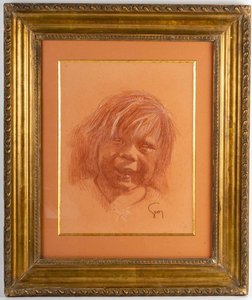
henri jules jean geoffroy dit geo
1853 - 1924

