 プレビュー
プレビュー
 シェアする
シェアする シェアする
シェアする
 詳細を見る
詳細を見る

 ダウンロード
 似ている作品
 X線調査
X線調査 スライドショー
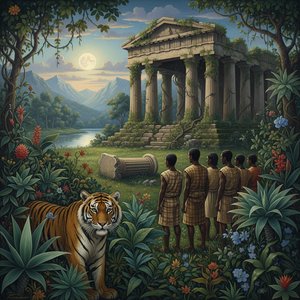
Forest Rendezvous


 詳細を見る
詳細を見る
ジークレー/アートプリント
迅速な制作と多彩な仕上げオプションを備えた、ミュージアムクオリティのジークレーまたはキャンバスプリント。 ( 手描きの絵画を購入 画像を購入)




P118B $10

P118H $10

P118W $10

P438Z $10

P508JH $12

P508YH $12

P805H $10

P805Z $10

P919BZ $10

P919G $10

P919XJ $10

P959ZH $10

P968JZ $12

W106C $8

W218G $10

W218JH $8

W218Y $10

W307PJ $10

W316G $10

W316PJ $8

W316Y $10

W398PJ $8

W4111J $10

W500HY $15

W500JH $15

W692G $12

W849H $8

W940BG $15

W953PJ $8




作品のオリジナル比率に合わせた、当店の規定サイズからお選びください。

特定のフレームやスペースに合わせて、ご自身でサイズを指定することも可能です。選択されたサイズが元の画像の比率と一致しない場合、作品をトリミングするか、鏡面反射または単色での塗りつぶしによって画像を拡張いたします。制作を開始する前に、ご確認用のデジタルモックアップをお送りいたします。
画面上のプレビューには、実際のトリミングや拡張は反映されませんのでご注意ください。最終的な構図を正確に確認できるのは、モックアップのみとなります。
カスタムサイズも承っておりますが、元の比率を維持するためには、あらかじめ用意されたリストからサイズを選択することをお勧めいたします。


 ガラスオプションは、110cm未満のサイズでのみご利用いただけます。

Forest Rendezvous
ジークレー/アートプリント
複製画のサイズ
-


合計金額
$ 62
作品詳細説明
A Forest’s Silent Echoes: Henri Rousseau's "Forest Rendezvous"
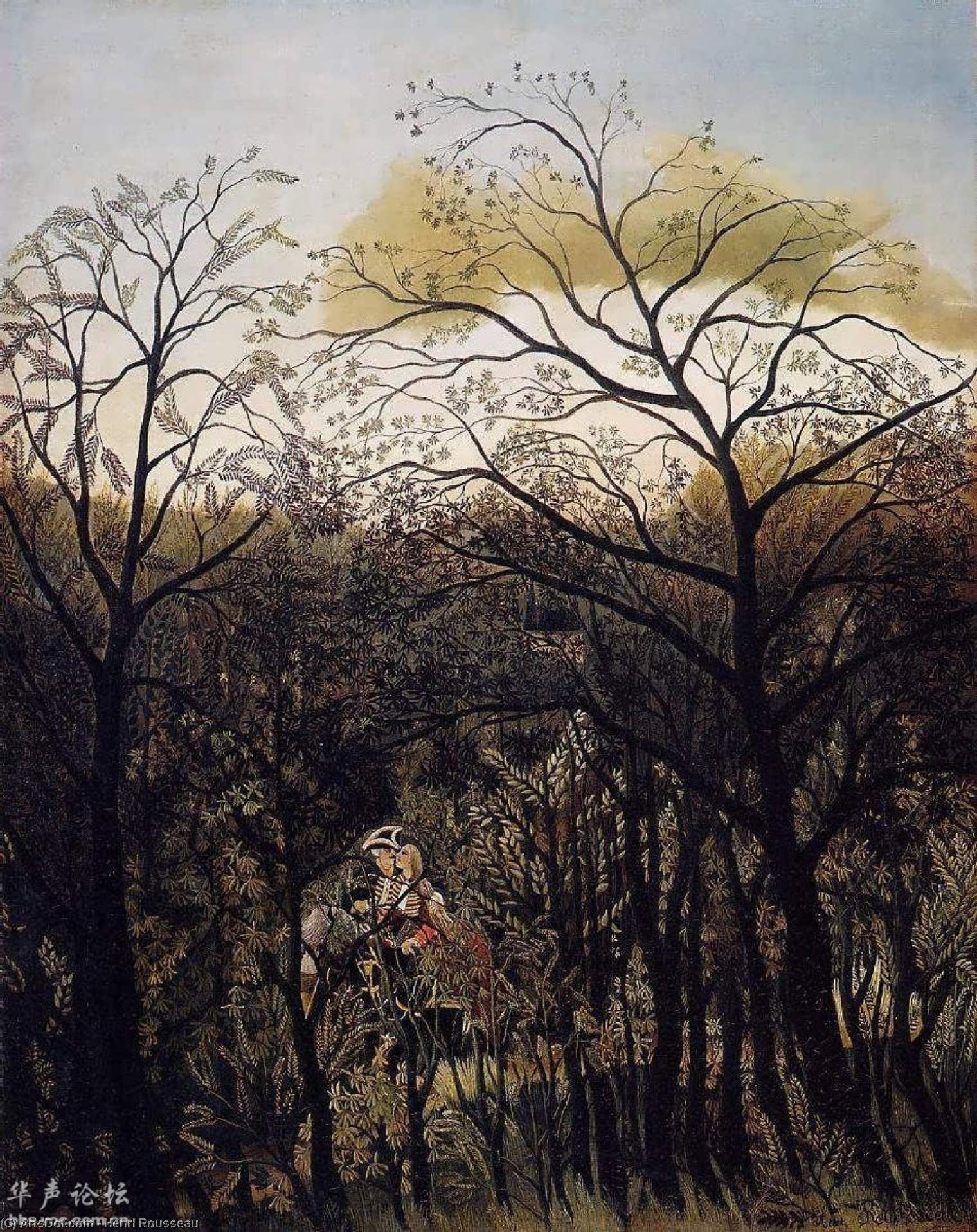
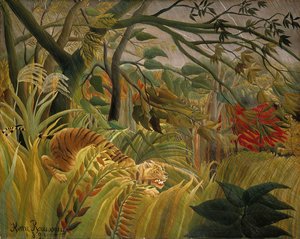
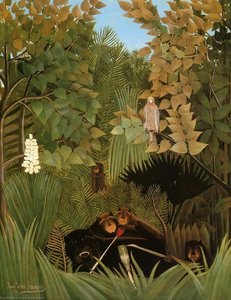
Henri Julien Félix Rousseau, known affectionately as “Le Douanier” – the customs officer – possessed an extraordinary gift: he painted not what he *saw*, but what he *felt*. “Forest Rendezvous,” completed in 1886, is a prime example of this deeply personal approach. It’s more than just a depiction of a woodland scene; it's a portal into the artist’s subconscious, a vibrant tapestry woven from memory, emotion, and an almost childlike fascination with the natural world. The painting immediately draws the viewer in with its rich, saturated colors – deep greens, earthy browns, and flashes of crimson and gold – creating an atmosphere both inviting and slightly unsettling.
Rousseau’s style is undeniably distinctive, firmly rooted in what we now recognize as Naïve or Primitive art. He deliberately eschewed academic techniques like linear perspective and meticulous detail, opting instead for simplified forms, flattened spaces, and a direct, unmediated approach to his subject matter. This wasn't a rejection of skill; rather, it was an embrace of a raw, unfiltered vision. The figures within the forest – a small group of individuals engaged in some unseen activity – are rendered with broad brushstrokes and a remarkable lack of precision, yet they possess a potent sense of presence. They aren’t portraits in the traditional sense, but embodiments of mood and feeling.
A Journey into Rousseau's World
Born in Laval, France, in 1844, Rousseau led a life largely defined by his occupation as a toll collector. This seemingly mundane existence provided him with a unique vantage point – observing the rhythms of rural life and absorbing the textures and colors of the natural world. It’s believed that he began painting seriously only around age forty, spurred on by encouragement from a friend who recognized his innate artistic talent. This late start is crucial to understanding the work; Rousseau wasn't striving for realism or social commentary; he was simply expressing himself through color and form.
The historical context of “Forest Rendezvous” is equally important. Painted during the waning years of the 19th century, it reflects a growing interest in folklore, mythology, and the exotic – trends that were gaining momentum within European art circles. Rousseau’s jungle scenes, populated by fantastical creatures and imbued with a dreamlike quality, can be seen as a response to this cultural shift. He drew inspiration from his own imagination, combined with elements of African and Oceanic art, creating a world entirely his own.
Symbolism and Emotional Resonance
While the precise meaning of “Forest Rendezvous” remains open to interpretation, several symbolic elements contribute to its overall impact. The dense foliage suggests both concealment and protection, while the scattered figures hint at human interaction within this wild space. The vibrant colors – particularly the crimson accents – evoke a sense of energy and vitality, contrasting with the muted tones of the forest floor. It’s possible that Rousseau was exploring themes of solitude, connection to nature, or perhaps even the subconscious mind.
More than just a visual experience, “Forest Rendezvous” evokes a powerful emotional response. There's a feeling of mystery and enchantment, a sense of being transported to another realm. The painting’s simplicity belies its depth; it invites viewers to lose themselves in its intricate details and contemplate the hidden meanings within.
A Legacy of Naïve Genius
Henri Rousseau’s work was largely dismissed during his lifetime, but today he is recognized as a pioneering figure in the development of modern art. His unique style paved the way for later artists such as Paul Gauguin and Marc Chagall, and his paintings continue to captivate audiences with their raw emotion and imaginative power. Reproductions of “Forest Rendezvous” offer a remarkable opportunity to experience this extraordinary artist’s vision firsthand – a testament to the enduring beauty of Naïve art and the profound insights of a truly singular talent.
アーティストの略歴
アンリ・ジュリアン・フェリックス・ルソー:芸術に捧げた生涯
生い立ちと背景
- 1844年5月21日、フランスのラヴァルに
誕生したアンリ・ジュリアン・フェリックス・ルソーは、後に高名な画家となる前、極めて型破りな人生を歩んでいました。 - 彼の幼少期は控えめな環境の中にあり、父はブリキ職人でした。ルソー自身も、若き日はさまざまな仕事を転々としていました。
- 基礎的な教育を受け、描画の才能を見せてはいたものの、最終的に彼が選んだ道は徴税官としてのキャリアでした。この仕事が、彼に「ル・ドゥアニエ(税関吏)」という愛称をもたらすことになります。
- 軍隊での4年間の服務期間を経て、彼はパリの徴税所(オクトロワ)に落ち着き、都市へ流入する物品への税を徴収する職務に就きました。
芸術的発展とスタイル
- ルソーは、ほぼ
独学 で画家としての道を切り拓きました。本格的に絵画を描き始めたのは、友人からの励ましを受けた40代に入ってからのことでした。 - 彼のスタイルを特徴づけるのは、その
ナイーブ(素朴)あるいはプリミティブな質感 です。平坦な遠近法、簡略化された形態、そして鮮やかで、時に現実離れした色彩が、見る者を惹きつけて止みません。 - 彼のインスピレーションの源は、自然への直接的な観察ではなく、植物園や図解入りの雑誌、そしてパリの植物園(ジャルダン・デ・プランテ)への訪問といった、間接的な体験にありました。
- ルソーの作品には、鬱蒼としたジャングルの情景、異国の動物、肖像画、そして日常の風景がしばしば描かれます。それらはすべて、独自の驚きと想像力に満ちた筆致で表現されています。
影響と芸術的文脈
- 独学でありながら、ルソーは自身の時代を席巻していた
印象派 やポスト印象派 といった芸術運動を意識していました。しかし、彼はそれらとは一線を画す、極めて個人的なスタイルを確立したのです。 - 彼は
ウジェーヌ・ドラクロワ のような画家たちに敬意を払い、彼らの色彩感覚やエキゾチックな主題からインスピレーションを得ていました。 - ルソーの作品は、後の
シュルレアリスム や、20世紀初頭のアヴァンギャルド運動の側面を、先取りしていたとも言えるのです。
主要作品と功績
- ルソーの最も名高い作品には、以下のようなものがあります:
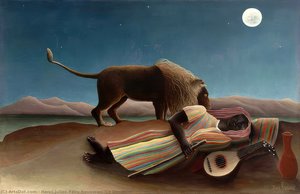
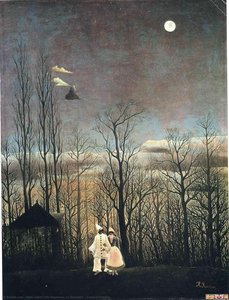
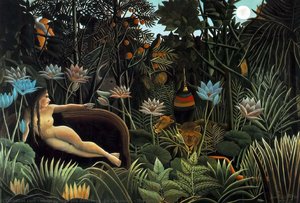
睡れるジプシー (1897年) – ジャングルの舞台で眠る女性を、夢幻的に描き出した傑作。熱帯の嵐の中の虎(驚き!) (1891年) – 劇的な色彩と構図が際立つ作品。自画像 (1890年) – パレットと筆を手に、画家としての姿を端正に捉えた肖像画。カーニバルの夜 (1886年) – 緻密なディテールで祝祭の情景を切り取った作品。- 彼は
サロン・デ・ザンデパンダン(独立派サロン) に定期的に出品し、同時代の画家たちの間で認知を高め、徐々に批評家たちの注目を集めていきました。
歴史的意義と遺産
- 当初、その型破りなスタイルゆえに多くの批評家から嘲笑されたルソーでしたが、彼の作品は最終的に、芸術的ヴィジョンの比類なき表現として高く評価されるようになりました。
- 彼は
パブロ・ピカソ をはじめとする、アヴァンギャルド運動の重要人物たちに多大なインスピレーションを与えました。 - 1908年、ピカソはルソーを称え、その影響力を認めるための祝祭的なイベント「ル・バンケ・ルソー(ルソーの宴)」を、有名なエピソードとして開催しました。
- ルソーの絵画は、その夢のような質感、鮮やかな色彩、そして想像力豊かな主題によって、今なお観る者を魅了し続けています。
- 彼の作品は、自己表現の持つ力と、
ナイーブ・アート が持つ不変の魅力を物語る証として、歴史に刻まれています。
逝去と死後の評価
- アンリ・ルソーは1910年9月2日、パリにてその生涯を閉じました。
- 彼の遺志は死後も広がり続け、近代美術史における重要な人物としての地位を不動のものにしました。
- 今日、彼の作品は世界中の主要な美術館に展示されており、アーティストやアート愛好家たちにインスピレーションを与え続けています。
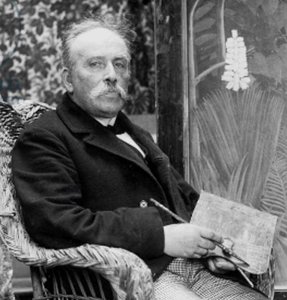
アンリ・ルソー
1844 - 1910 , フランス
基本情報
- Birth Date: 1844年4月17日
- Birth Place: フランス、ラヴァル
- Death Date: 1910年9月2日
- Influenced:
- フィンセント・ファン・ゴッホ
- ポール・ゴーギャン
- Influenced By: 印象派およびポスト印象派の同時代人
- Movement: ポスト印象派、ナイーブ・アート
- Name: アンリ・ジュリアン・フェリックス・ルソー
- Nationality: フランス
- Notable Works:
- 眠れるジプシー
- 夢
- カーニバルの夜
- 熱帯の嵐の中の虎
- 税関
関連記事
アンリ・マティスの傑作25選:色彩と情熱の軌跡|ArtsDot
アンリ・マティスの傑作25選🎨 色彩と情熱が織りなす世界を旅する。フォーヴィスム代表の巨匠、マティスの絵画の魅力と歴史を紐解きます。ArtsDotで高品質なアートプリントや複製画を見つけ、インテリアに芸術的な輝きを✨ Explore the full collection online

ロマン派ランドスケープ:時代を彩る巨匠の10選|アートとインテリアの世界
ロマン派絵画の時代を彩る10選。巨匠たちの風景が織りなす感動の世界へ。ターナー、ルーベンスなど、名作の裏話と高精細複製でアートをお部屋に。ArtsDot.comで至福のアート体験を。

Evocations of Place: A Historical Journey Through Landscape Art
Explore the rich history of landscape art with ArtsDot. Discover renowned artists, movements like Impressionism & Romanticism, and expert guidance for collecting timeless pieces. Find your perfect serene escape today!
Henri Rousseau: Primitivism, Paradox & Subversion of Academic Tradition
Explore the captivating world of Henri Rousseau, the celebrated Naïve artist who challenged academic traditions with his unique jungle scenes & dreamlike symbolism. Discover his lasting influence on modern art and collecting today.

ジョン・コンスタブルの傑作25選:英国風景画の巨匠が描く自然と光の詩 | ArtsDot
ジョン・コンスタブルの傑作25選。英国風景画の巨匠が描く自然と光の詩の世界へ。ロマン主義を代表する絵画、デダム・ヴェールやヘイ・ウェインなど、ArtsDotで高品質なアートプリントをお楽しみください。インテリアに深みと感動を。コレクションはこちら。