 プレビュー
プレビュー
 プリントを購入
 シェアする
シェアする シェアする
シェアする
 詳細を見る
詳細を見る

 ダウンロード
 似ている作品
 X線調査
X線調査 スライドショー
Portrait of a Woman
 Acrylic On Canvas
- WallArt
- Naïve/Primitive Art
 1895
1895 115.0 x 198.0 cm
 オルセー美術館
 詳細を見る
詳細を見る




P118B $10

P118H $10

P118W $10

P438Z $10

P508JH $12

P508YH $12

P805H $10

P805Z $10

P919BZ $10

P919G $10

P919XJ $10

P959ZH $10

P968JZ $12

W106C $8

W218G $10

W218JH $8

W218Y $10

W307PJ $10

W316G $10

W316PJ $8

W316Y $10

W398PJ $8

W4111J $10

W500HY $15

W500JH $15

W692G $12

W849H $8

W940BG $15

W953PJ $8




作品のオリジナル比率に合わせた、当店の規定サイズからお選びください。

特定のフレームやスペースに合わせて、ご希望のサイズをご入力いただけます。選択されたサイズが元の画像の比率と異なる場合、アートワークをトリミングするか、手描きで要素を追加して絵画を拡張いたします。デジタルモックアップ を制作し、制作開始前にご確認(承認)をいただきます。
画面上のプレビューは、実際のトリミングや拡張を正確に反映しているものではありません。最終的な構図は、モックアップによってのみ正確にご確認いただけます。
カスタムサイズもご利用いただけますが、元の比率を維持するためには、あらかじめ用意されたリストからサイズを選択することをお勧めいたします。
ご注文後、ArtsDot.com チームより詳細な指示をお送りするとともに、仕上がりイメージ(モックアップ)をご提供いたします。


 ガラスオプションは、110cm未満のサイズでのみご利用いただけます。

Portrait of a Woman
複製技法
複製画のサイズ
-


合計金額
$ 263
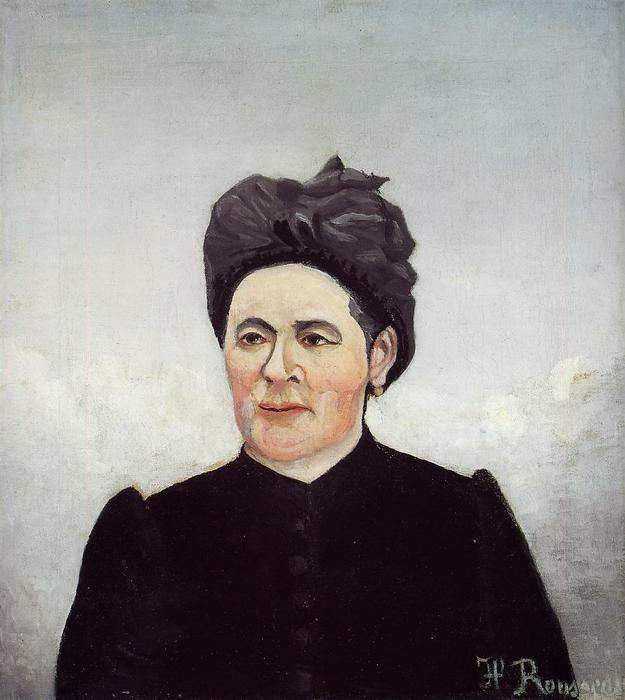
A Silent Gaze: Henri Rousseau’s ‘Portrait of a Woman’ (1895)
Henri Julien Félix Rousseau, known affectionately as “Le Douanier” – the customs officer – wasn't a name typically associated with the grand halls of Parisian art. Yet, within his humble studio, fueled by a lifetime spent collecting taxes and observing the world through a uniquely perceptive lens, he crafted images that continue to resonate with an almost unsettling beauty. ‘Portrait of a Woman,’ painted in 1895, is not merely a likeness; it’s a carefully constructed tableau of quiet dignity, veiled mystery, and a profound sense of timelessness – a testament to Rousseau's singular artistic vision.
The painting immediately draws the eye with its stark simplicity. A woman, rendered in the muted tones of charcoal, ivory, and subtle grey, dominates the composition. She occupies nearly all of the canvas’s space, her posture formal yet not rigid, suggesting a contained strength. Her gaze is direct, unwavering, and profoundly unsettling. It's a look that doesn’t invite conversation but rather demands attention, as if she holds a secret known only to herself. The background – a hazy wash of indeterminate blue-grey – serves primarily to isolate the subject, amplifying her presence and reinforcing the painting’s intimate scale.
The Naïve Aesthetic: A World Within
Rousseau's style is inextricably linked to the “naïve art” movement, a phenomenon that emerged in 19th-century France. Rejecting academic conventions of perspective and realism, these artists – often self-taught – created works characterized by flattened spaces, simplified forms, and vibrant, sometimes dreamlike imagery. ‘Portrait of a Woman’ exemplifies this approach perfectly. The lines are soft and blended, creating an almost velvety texture; there's no sharp definition, no attempt to mimic the precise details of reality. Instead, Rousseau prioritizes feeling and atmosphere, capturing a mood rather than a photographic likeness.
This deliberate lack of technical precision is crucial to understanding the painting’s power. It allows the viewer to project their own emotions and interpretations onto the subject. The absence of intricate detail forces us to focus on the woman's expression – her enigmatic gaze, the subtle curve of her lips, the hint of melancholy in her eyes. It’s a portrait that invites contemplation, prompting questions about her life, her thoughts, and her story.
Color, Texture, and Symbolism
The color palette is deliberately restrained, dominated by blacks, whites, and muted flesh tones. The use of black for the woman's dress and the shadows around her face creates a sense of formality and seriousness. White highlights on her skin suggest an underlying luminosity, hinting at a hidden vitality beneath the surface. The subtle variations in grey contribute to the painting’s overall atmosphere of quiet introspection.
Rousseau’s technique involved layering colors meticulously to create tonal nuances – a process that lends the painting a remarkable depth and richness despite its apparent simplicity. The brushstrokes are visible but not overtly emphasized, contributing to the work's tactile quality. Beyond the purely visual, one might interpret the portrait through the lens of symbolism. The woman’s stern expression could represent authority, resilience, or perhaps even a quiet sorrow. Her solitary presence speaks to themes of introspection and isolation – common threads in Rousseau’s oeuvre.
A Legacy of Wonder
'Portrait of a Woman' is more than just a painting; it’s a window into the mind of Henri Rousseau—a man who found beauty and meaning in the overlooked corners of the world. His work, initially dismissed as primitive, has since been recognized for its profound emotional resonance and its influence on subsequent generations of artists. Reproductions of this captivating portrait offer a chance to experience firsthand the magic and mystery that defined Rousseau’s unique artistic vision – a silent gaze that continues to hold us in thrall.
関連作品
アーティストの略歴
アンリ・ジュリアン・フェリックス・ルソー:芸術に捧げた生涯
生い立ちと背景
- 1844年5月21日、フランスのラヴァルに
誕生したアンリ・ジュリアン・フェリックス・ルソーは、後に高名な画家となる前、極めて型破りな人生を歩んでいました。 - 彼の幼少期は控えめな環境の中にあり、父はブリキ職人でした。ルソー自身も、若き日はさまざまな仕事を転々としていました。
- 基礎的な教育を受け、描画の才能を見せてはいたものの、最終的に彼が選んだ道は徴税官としてのキャリアでした。この仕事が、彼に「ル・ドゥアニエ(税関吏)」という愛称をもたらすことになります。
- 軍隊での4年間の服務期間を経て、彼はパリの徴税所(オクトロワ)に落ち着き、都市へ流入する物品への税を徴収する職務に就きました。
芸術的発展とスタイル
- ルソーは、ほぼ
独学 で画家としての道を切り拓きました。本格的に絵画を描き始めたのは、友人からの励ましを受けた40代に入ってからのことでした。 - 彼のスタイルを特徴づけるのは、その
ナイーブ(素朴)あるいはプリミティブな質感 です。平坦な遠近法、簡略化された形態、そして鮮やかで、時に現実離れした色彩が、見る者を惹きつけて止みません。 - 彼のインスピレーションの源は、自然への直接的な観察ではなく、植物園や図解入りの雑誌、そしてパリの植物園(ジャルダン・デ・プランテ)への訪問といった、間接的な体験にありました。
- ルソーの作品には、鬱蒼としたジャングルの情景、異国の動物、肖像画、そして日常の風景がしばしば描かれます。それらはすべて、独自の驚きと想像力に満ちた筆致で表現されています。
影響と芸術的文脈
- 独学でありながら、ルソーは自身の時代を席巻していた
印象派 やポスト印象派 といった芸術運動を意識していました。しかし、彼はそれらとは一線を画す、極めて個人的なスタイルを確立したのです。 - 彼は
ウジェーヌ・ドラクロワ のような画家たちに敬意を払い、彼らの色彩感覚やエキゾチックな主題からインスピレーションを得ていました。 - ルソーの作品は、後の
シュルレアリスム や、20世紀初頭のアヴァンギャルド運動の側面を、先取りしていたとも言えるのです。
主要作品と功績
- ルソーの最も名高い作品には、以下のようなものがあります:
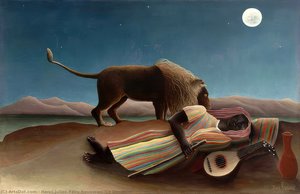
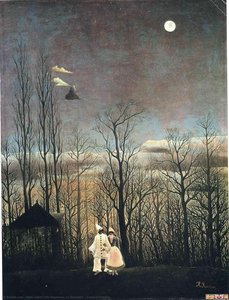
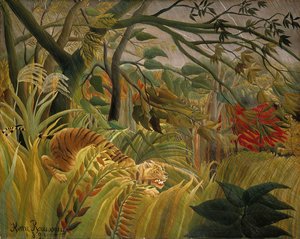
睡れるジプシー (1897年) – ジャングルの舞台で眠る女性を、夢幻的に描き出した傑作。熱帯の嵐の中の虎(驚き!) (1891年) – 劇的な色彩と構図が際立つ作品。自画像 (1890年) – パレットと筆を手に、画家としての姿を端正に捉えた肖像画。カーニバルの夜 (1886年) – 緻密なディテールで祝祭の情景を切り取った作品。- 彼は
サロン・デ・ザンデパンダン(独立派サロン) に定期的に出品し、同時代の画家たちの間で認知を高め、徐々に批評家たちの注目を集めていきました。
歴史的意義と遺産
- 当初、その型破りなスタイルゆえに多くの批評家から嘲笑されたルソーでしたが、彼の作品は最終的に、芸術的ヴィジョンの比類なき表現として高く評価されるようになりました。
- 彼は
パブロ・ピカソ をはじめとする、アヴァンギャルド運動の重要人物たちに多大なインスピレーションを与えました。 - 1908年、ピカソはルソーを称え、その影響力を認めるための祝祭的なイベント「ル・バンケ・ルソー(ルソーの宴)」を、有名なエピソードとして開催しました。
- ルソーの絵画は、その夢のような質感、鮮やかな色彩、そして想像力豊かな主題によって、今なお観る者を魅了し続けています。
- 彼の作品は、自己表現の持つ力と、
ナイーブ・アート が持つ不変の魅力を物語る証として、歴史に刻まれています。
逝去と死後の評価
- アンリ・ルソーは1910年9月2日、パリにてその生涯を閉じました。
- 彼の遺志は死後も広がり続け、近代美術史における重要な人物としての地位を不動のものにしました。
- 今日、彼の作品は世界中の主要な美術館に展示されており、アーティストやアート愛好家たちにインスピレーションを与え続けています。
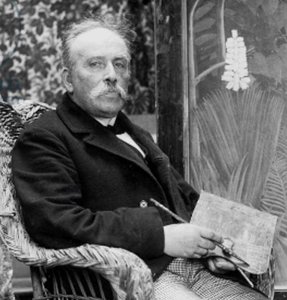
アンリ・ルソー
1844 - 1910 , フランス
基本情報
- Birth Date: 1844年4月17日
- Birth Place: フランス、ラヴァル
- Death Date: 1910年9月2日
- Influenced:
- フィンセント・ファン・ゴッホ
- ポール・ゴーギャン
- Influenced By: 印象派およびポスト印象派の同時代人
- Movement: ポスト印象派、ナイーブ・アート
- Name: アンリ・ジュリアン・フェリックス・ルソー
- Nationality: フランス
- Notable Works:
- 眠れるジプシー
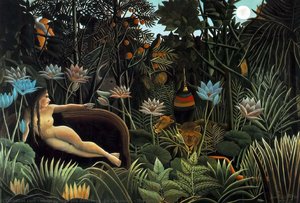
- 夢
- カーニバルの夜
- 熱帯の嵐の中の虎
- 税関
関連記事

アンリ・マティスの傑作25選:色彩と情熱の軌跡|ArtsDot
アンリ・マティスの傑作25選🎨 色彩と情熱が織りなす世界を旅する。フォーヴィスム代表の巨匠、マティスの絵画の魅力と歴史を紐解きます。ArtsDotで高品質なアートプリントや複製画を見つけ、インテリアに芸術的な輝きを✨ Explore the full collection online
Henri Rousseau: Primitivism, Paradox & Subversion of Academic Tradition
Explore the captivating world of Henri Rousseau, the celebrated Naïve artist who challenged academic traditions with his unique jungle scenes & dreamlike symbolism. Discover his lasting influence on modern art and collecting today.
The Untamed Vision: Exploring Naïve Art & Primitivism's Rejection of Convention
Explore the revolutionary world of Naïve Art & Primitivism! Discover how artists challenged academic traditions with raw emotion & unique styles. Learn about Picasso, Rousseau & more at ArtsDot.
The Unconventional Vision: Exploring the Characteristics, History & Enduring Appeal of Naïve Art
Explore the captivating world of naïve art! Discover its history, characteristics, key artists & collecting tips from ArtsDot's experts. Find your perfect piece today.
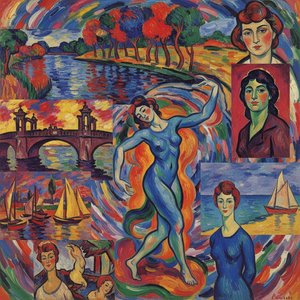
Fauvism's Boldest Visions: 10 Masterpieces That Revolutionized Modern Art | ArtsDot
Explore 10 Fauvist masterpieces by Matisse, Derain & Vlaminck that ignited Modern Art! Discover bold colors, expressionist landscapes & the history of this revolutionary movement. Find museum-quality prints at ArtsDot.com.