 プレビュー
プレビュー
 シェアする
シェアする シェアする
シェアする
 詳細を見る
詳細を見る

 ダウンロード
 似ている作品
 X線調査
X線調査 スライドショー
 Stats
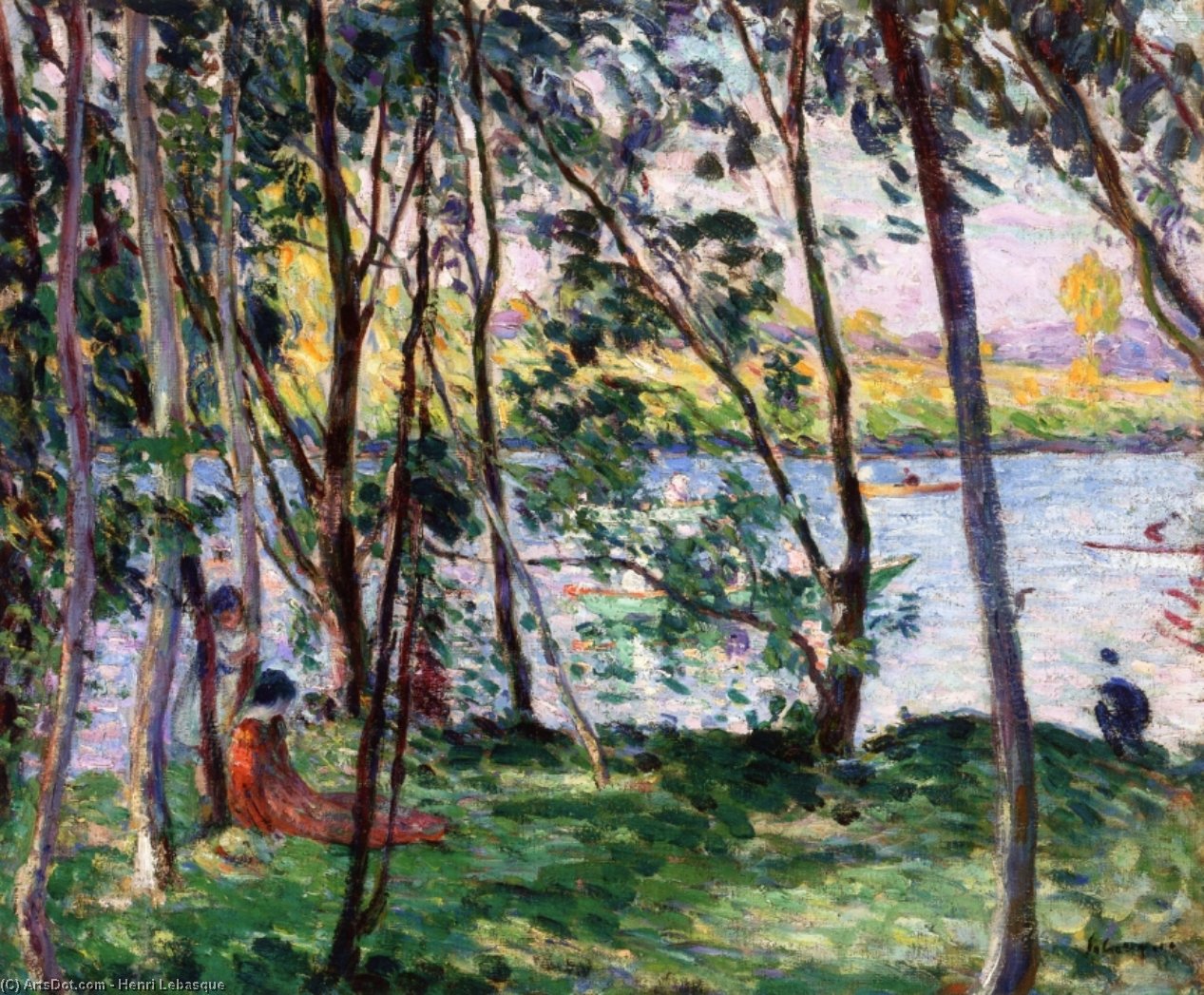
StatsRest on the Banks of the Yaudet
 Oil On Canvas
- WallArt
- Post-Impressionism
 1897
1897- 19th Century
 50.0 x 61.0 cm
 詳細を見る
詳細を見る
手描き油彩複製画
当社のアーティストが、お客様のご希望のサイズと額縁に合わせて、キャンバスに手描きで制作する油彩画です。 ( Switch to Print Switch to Digital Image)




P118B $10

P118H $10

P118W $10

P438Z $10

P508JH $12

P508YH $12

P805H $10

P805Z $10

P919BZ $10

P919G $10

P919XJ $10

P959ZH $10

P968JZ $12

W106C $8

W218G $10

W218JH $8

W218Y $10

W307PJ $10

W316G $10

W316PJ $8

W316Y $10

W398PJ $8

W4111J $10

W500HY $15

W500JH $15

W692G $12

W849H $8

W940BG $15

W953PJ $8




作品のオリジナル比率に合わせた、当店の規定サイズからお選びください。

特定のフレームやスペースに合わせて、ご希望のサイズをご入力いただけます。選択されたサイズが元の画像の比率と異なる場合、アートワークをトリミングするか、手描きで要素を追加して絵画を拡張いたします。デジタルモックアップ を制作し、制作開始前にご確認(承認)をいただきます。
画面上のプレビューは、実際のトリミングや拡張を正確に反映しているものではありません。最終的な構図は、モックアップによってのみ正確にご確認いただけます。
カスタムサイズもご利用いただけますが、元の比率を維持するためには、あらかじめ用意されたリストからサイズを選択することをお勧めいたします。
ご注文後、ArtsDot.com チームより詳細な指示をお送りするとともに、仕上がりイメージ(モックアップ)をご提供いたします。


 ガラスオプションは、110cm未満のサイズでのみご利用いただけます。

Rest on the Banks of the Yaudet
複製技法
複製画のサイズ
-


合計金額
$ 288
Rest on the Banks of the Yaudet: A Post-Impressionist Masterpiece
The Rest on the Banks of the Yaudet is a beautiful oil on canvas painting created by Henri Lebasque in 1897. This stunning piece measures 50 x 61 cm and showcases the artist's ability to capture the tranquility of nature.
Artistic Style and Influences
Henri Lebasque was a French painter known for his Post-Impressionist style, which is evident in this painting. His work was influenced by other notable artists of the time, such as Georges Pierre Seurat, who pioneered the Pointillism movement. To learn more about Georges Pierre Seurat and his works, visit /art/list/?Filter=6E3T9U-Georges-Pierre-Seurat-El-arcoiris-1883.
Notable Features and Symbolism
The painting features several notable elements, including two boats on the water and a bench in the center of the scene. These elements add to the overall sense of serenity and tranquility, inviting the viewer to step into the peaceful world created by Henri Lebasque.
- The use of oil on canvas allows for a rich and vibrant color palette, which is characteristic of Post-Impressionist art.
- The scene's tranquility is enhanced by the presence of natural elements, such as trees and water.
- The painting's composition and symbolism are reminiscent of other notable works, such as those found in the Setagaya Art Museum in Tokyo, Japan. To learn more about this museum, visit /art/list/?Filter=A@D3BEXZ-El-Museo-Setagaya-Art-Museum-(Tokio-Japon).
Emotional Impact and Legacy
The Rest on the Banks of the Yaudet is a captivating piece that showcases Henri Lebasque's skill as a painter and his ability to evoke emotions through his art. As a handmade oil painting reproduction, it can be a beautiful addition to any art collection. For more information on handmade oil painting reproductions, visit https://ArtsDot.com.
関連作品
アーティストの略歴
A Painter of Joy and Light: The Life and Art of Henri Lebasque
Henri Lebasque, a name perhaps less immediately recognized than some of his Post-Impressionist contemporaries, nevertheless occupies a significant place in the artistic landscape of early 20th-century France. Born in Champigné, Maine-et-Loire, in 1865, Lebasque’s journey toward becoming a celebrated painter was one marked by diligent study, evolving influences, and an unwavering commitment to capturing beauty in everyday life. His early education at the École régionale des beaux-arts d'Angers provided a foundational grounding, but it was his move to Paris in 1886 that truly ignited his artistic development. There, under the tutelage of Léon Bonnat and through assisting Ferdinand Humbert with decorative murals at the Panthéon, he honed his technical skills while immersing himself in the vibrant Parisian art scene. This period proved crucial, bringing him into contact with pivotal figures like Camille Pissarro and Auguste Renoir, whose emphasis on light and color would profoundly shape his aesthetic sensibilities.Early Influences and Artistic Formation
Lebasque’s formative years were steeped in artistic tradition. He initially pursued classical studies at the École supérieure des beaux-arts de Paris, absorbing the lessons of academic painting—a discipline that prioritized meticulous detail and idealized representations. However, it was his encounter with Impressionism – particularly the work of Claude Monet and Pierre-Auguste Renoir – that irrevocably altered his artistic trajectory. The Impressionists’ revolutionary technique of capturing fleeting moments of light and color challenged the conventions of realism, prompting Lebasque to experiment with looser brushstrokes and brighter hues. This exposure instilled in him a fascination for atmospheric perspective and an appreciation for the expressive potential of color—elements that would become integral to his distinctive style.The Embrace of Les Nabis: A Dialogue with Intimacy
Around 1890, Lebasque joined Les Nabis – a group of artists who championed a radically different aesthetic vision. Led by Édouard Vuillard and Pierre Bonnard, the Nabis rejected grand narratives and monumental scale, instead focusing on domestic interiors and intimate portraits—scenes that conveyed profound emotional resonance. This affiliation profoundly impacted Lebasque’s artistic sensibilities, fostering in him a desire to depict human experience with sensitivity and nuance. The Nabis' meticulous attention to detail—particularly their use of muted colors and flattened forms—served as a catalyst for Lebasque’s own stylistic innovations. He meticulously observed the subtleties of light and shadow, striving to capture the essence of his subjects with remarkable accuracy.Chromatic Harmony: Technique and Artistic Vision
Lebasque's artistic technique was characterized by a masterful command of color—a cornerstone of both Impressionism and Chromoluminarism. He employed a layered approach, applying thin washes of pigment over multiple coats to achieve luminous effects that defied conventional representation. Lebasque skillfully utilized complementary color pairings – blues and oranges, reds and greens – to create visual excitement while maintaining an overall sense of balance and harmony. This meticulous attention to color theory—influenced by the theories of Georges Seurat and Paul Signac—allowed him to imbue his canvases with an extraordinary vibrancy and depth. His brushstrokes were deliberate and expressive, conveying emotion through subtle variations in texture and tone.A Legacy of Serenity: Recognition and Artistic Significance
Throughout his prolific career, Lebasque garnered considerable acclaim for his artistic achievements. He participated in numerous Salon exhibitions—including the Salon d’Automne, which he helped establish alongside Henri Matisse—and secured commissions for decorative murals at prestigious venues such as the Champs-Élysées theatre and on transatlantic liners. His paintings are now housed in prominent museums across France and internationally—demonstrating his enduring artistic influence and securing his place among the most celebrated figures of Post-Impressionism. Lebasque’s unwavering commitment to capturing beauty in everyday life—his ability to convey profound emotion through simple compositions—continues to inspire artists and viewers alike, cementing his legacy as a painter of joy and light.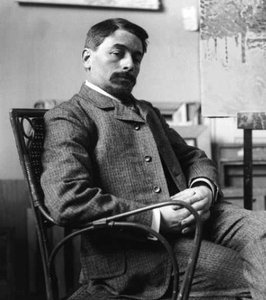
フェルナンド・レジェ
1865 - 1937 , フランス
基本情報
- Artistic Movement Or Style: 印象派の後継者
- Artists Or Movements Influenced By This Artist: ['キュビスム']
- Artists Who Influenced This Artist:
- ピサロー氏
- ルノワール氏
- Date Of Birth: 1865年9月25日
- Date Of Death: 1937年8月7日
- Full Name: Henri Baptiste Lebasque
- Nationality: フランス人
- Notable Artworks: ['マドモアゼル・レベスと彼女の娘たち']
- Place Of Birth: フランス・シャンピニエ
関連記事
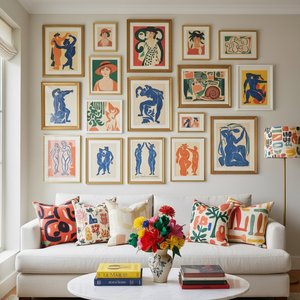
アンリ・マティスの傑作25選:色彩と情熱の軌跡|ArtsDot
アンリ・マティスの傑作25選🎨 色彩と情熱が織りなす世界を旅する。フォーヴィスム代表の巨匠、マティスの絵画の魅力と歴史を紐解きます。ArtsDotで高品質なアートプリントや複製画を見つけ、インテリアに芸術的な輝きを✨ Explore the full collection online
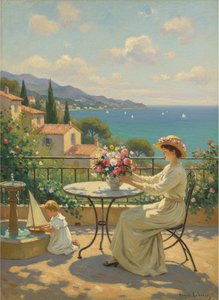
Henri Lebasque: A Study in Post-Impressionist Harmony & the Poetics of Everyday Life
Explore the serene Post-Impressionist world of Henri Lebasque. Discover his intimate domestic scenes, vibrant landscapes & connection to the Nabis group. Expert insights for collectors and art enthusiasts.

ポール・セザンヌ:至高の25選 - 傑作と革新の軌跡 | ArtsDot
ポール・セザンヌの至高の25選。ポスト印象派を代表する画家、セザンヌの傑作と革新的な技法を紐解きます。ArtsDotで高品質な複製画やインテリアアートを見つけ、芸術の世界をご自宅に。今すぐコレクションをご覧ください。

Evoking Tranquility: A Comprehensive Exploration of Serene Landscapes in Art History
Explore the history of serene landscapes in art! Discover renowned artists like Monet & Munch, movements from Impressionism to Tonalism, and find the perfect piece to bring tranquility to your home. Expert insights at ArtsDot.

Evocations of Place: A Historical Journey Through Landscape Art
Explore the rich history of landscape art with ArtsDot. Discover renowned artists, movements like Impressionism & Romanticism, and expert guidance for collecting timeless pieces. Find your perfect serene escape today!