 プレビュー
プレビュー
 プリントを購入
 シェアする
シェアする シェアする
シェアする
 詳細を見る
詳細を見る

 ダウンロード
 似ている作品
 X線調査
X線調査 スライドショー
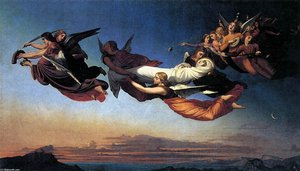
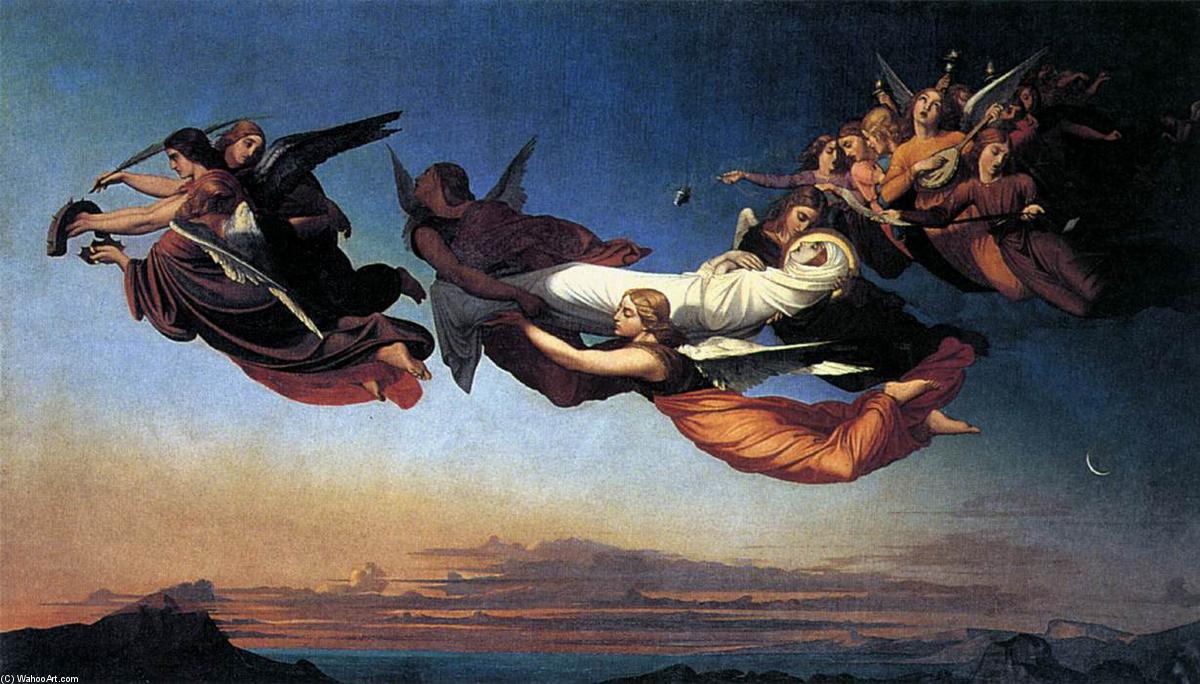
聖 カテリーナ アレクサンドリア
 キャンバスにアクリル絵具
- ウォールアート
- Neoclassicism
 1839
1839 152.0 x 262.0 cm
 ミュゼ・ファーブル
 詳細を見る
詳細を見る




P118B $10

P118H $10

P118W $10

P438Z $10

P508JH $12

P508YH $12

P805H $10

P805Z $10

P919BZ $10

P919G $10

P919XJ $10

P959ZH $10

P968JZ $12

W106C $8

W218G $10

W218JH $8

W218Y $10

W307PJ $10

W316G $10

W316PJ $8

W316Y $10

W398PJ $8

W4111J $10

W500HY $15

W500JH $15

W692G $12

W849H $8

W940BG $15

W953PJ $8




作品のオリジナル比率に合わせた、当店の規定サイズからお選びください。

特定のフレームやスペースに合わせて、ご希望のサイズをご入力いただけます。選択されたサイズが元の画像の比率と異なる場合、アートワークをトリミングするか、手描きで要素を追加して絵画を拡張いたします。デジタルモックアップ を制作し、制作開始前にご確認(承認)をいただきます。
画面上のプレビューは、実際のトリミングや拡張を正確に反映しているものではありません。最終的な構図は、モックアップによってのみ正確にご確認いただけます。
カスタムサイズもご利用いただけますが、元の比率を維持するためには、あらかじめ用意されたリストからサイズを選択することをお勧めいたします。
ご注文後、ArtsDot.com チームより詳細な指示をお送りするとともに、仕上がりイメージ(モックアップ)をご提供いたします。


 ガラスオプションは、110cm未満のサイズでのみご利用いただけます。

聖 カテリーナ アレクサンドリア
複製技法
複製画のサイズ
-


合計金額
$ 263
作品解説
聖カサリンとアレクサンドリアの絵画:ヘンリー・レマンの宗教的な視点
フランス美術におけるヘンリー・レマンは、特に宗教的なテーマを扱う作品で知られる画家の一人です。彼の傑作「聖カサリンとアレクサンドリア」は、1839年に完成された油絵で、モントピエールにあるミュゼ・ファブラに収蔵されています。この絵画は単なる美しい色彩の組み合わせではありません。それは、当時の宗教的な価値観と芸術的伝統を反映した深い意味を持つ作品なのです。絵画の詳細な特徴とスタイル
レマンの絵画は、ナヴォーヴァシエニズムの影響を受けています。ナヴォーヴァシエニズムは、古典的な形式と技術を重視する芸術運動であり、レマンはこれらの要素を巧みに取り入れました。特に彼の卓越した光と影の表現は、絵画に奥行きと立体感を加え、見る人に感動を与えます。聖カサリンは白いドレスを着ており、そのコントラストが背景の色を引き立てています。彼女の手には聖書と剣があり、これは彼女の伝説における象徴的なモチーフです。周囲には天使たちが舞い回り、音楽を奏でたり、聖書を持ったりしています。これらの天使たちは翼を持ち、神聖な存在としての特徴を表しています。歴史的背景と宗教的なシンボル
この絵画は、カサリンの聖母マリアの殉教を描いた作品として制作されました。カサリンはローマ帝国で信仰のために処刑された聖女であり、彼女の物語は多くの芸術家たちにインスピレーションを与えました。「聖カサリンとアレクサンドリア」は、カサリンの勇気と信仰を表現するだけでなく、当時のヨーロッパにおける宗教的な精神性を反映しています。絵画全体には、希望と救済といったテーマが込められています。レマンは、この絵画を通して、人間の魂に訴えかける芸術家としての力量を示しました。インテリアデザインへの応用とコレクション愛好家のための魅力
「聖カサリンとアレクサンドリア」のような宗教的な絵画は、洗練された空間に調和をもたらし、見る人に感動と精神的な豊かさを与えます。特に高品質な複製品は、美術愛好家やインテリアデザイナーにとって特別な価値を持つでしょう。この絵画の美しい色彩と繊細な表現は、時代を超えた芸術的魅力を持っています。レマンの作品は、単なる美術品ではなく、人間の心の奥深さを表現した芸術的な遺産なのです。関連作品
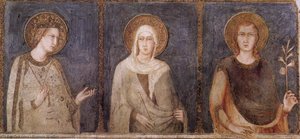
![Legend Of St Francis - [23] - St Francis Mourned By St Clare — ジョット, Gothic](/media/artworks/images-thumb/17/1c/171c284c41dc3ef8bca83e51c1e1e531.jpg)
アーティストの略歴
The Legacy of Henri Lehmann: A Master of Line and Devotion
In the grand tapestry of nineteenth-century French art, few threads are as finely woven as those left by Henri Lehmann. Born Heinrich Salem Lehmann in the quiet dignity of Kiel, Germany, his journey from a student in Hamburg to a celebrated figure in the Parisian salons is a testament to the enduring power of classical discipline. His early years were shaped by the intimate guidance of his father, Leo Lehmann, a respected portraitist, which provided him with a foundational mastery of detail and a deep respect for the human form. However, it was his arrival in Paris in 1831 that would irrevocably alter the course of his life, as he entered the studio of the legendary Jean Auguste Dominique Ingres. This encounter was more than mere mentorship; it was a spiritual and technical initiation into the heart of Neoclassicism.
As a devoted pupil of Ingres, Lehmann did not merely mimic his master’s style but became an essential collaborator in the realization of monumental visions. Their partnership flourished during Lehmann's time in Rome between 1838 and 1841, where the presence of the French Academy allowed him to absorb the grandeur of High Renaissance masters and the stark beauty of classical monuments. This period of Roman study infused his work with a profound sense of historical weight and an architectural precision in draftsmanship. Whether he was working on large-scale religious compositions or intimate portraits, Lehmann’s hand remained guided by that quintessential Ingres-inspired commitment to pure line and idealized grace.
A Versatile Vision: From Sacred Narratives to Secular Elegance
Lehmann’s oeuvre is a remarkable study in versatility, spanning the sacred and the profane with equal command. He possessed a rare ability to navigate the demanding requirements of religious commissions, imbuing biblical scenes with a palpable sense of drama and spiritual clarity. His works for prestigious venues such as the Sainte-Clothilde Church and various judicial palaces demonstrate his capacity to handle complex allegories and theological narratives through a lens of academic excellence. Yet, simultaneously, he was a master of the portrait, capturing the very essence of the nineteenth-century cultural elite. His portraits were not merely likenesses but psychological windows into the era, featuring luminaries such as Franz Liszt and the spirited Marie d'Agoult.
Beyond the religious and the portraiture, Lehmann drew boundless inspiration from the literary and mythological realms. He found profound meaning in the works of Shakespeare and classical mythology, translating poetic themes into visual realities that resonated with the Romantic sensibilities of his time. His ability to blend the rigorous structure of academic painting with the emotive depth of literary subjects allowed him to transcend the label of a "dry" academician. Instead, he emerged as an artist capable of profound elegance, where every brushstroke served to elevate the subject matter toward a state of timeless beauty.
Recognition and Lasting Academic Influence
The trajectory of Lehmann’s career was marked by consistent triumph within the competitive arena of the Paris Salon. His early success, winning a second-class medal in 1835, served as a prelude to a series of prestigious first-class medals in 1840, 1848, and 1855. These accolades were not merely personal victories but affirmations of his standing within the French artistic hierarchy. His integration into the highest echelons of society was complete; he became a French citizen and a respected member of the Institut, embodying the very pinnacle of academic achievement.
Lehmann’s contribution to art extended far beyond the canvas through his role as an educator. As a professor at the École des Beaux-Arts, he sought to pass on the rigorous standards of his training to the next generation of painters. His commitment to excellence was so profound that he established the Lehmann Prize, a legacy designed to recognize and nurture academic distinction in young artists. Today, we remember Henri Lehmann not just as a follower of Ingres, but as a master in his own right—an artist who bridged the gap between German precision and French elegance, leaving behind a body of work that remains a cornerstone of nineteenth-century historical and portrait painting.
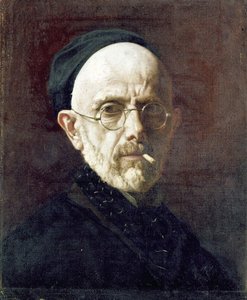
Henri Lehmann
1814 - 1882 , Germany
基本情報
- Artistic Movement Or Style: Historical Painting; Portraiture
- Artists Or Movements Influenced By This Artist: Romanticism
- Artists Who Influenced This Artist: Jean Auguste Dominique Ingres
- Date Of Birth: April 14, 1814
- Date Of Death: March 30, 1882
- Full Name: Henri Lehmann
- Nationality: German-French
- Notable Artworks:
- St Catherine of Alexandria
- Lille Lehmann le Repos
- Faustine Léo
- Place Of Birth: Kiel, Germany
関連記事
アンリ・マティスの傑作25選:色彩と情熱の軌跡|ArtsDot
アンリ・マティスの傑作25選🎨 色彩と情熱が織りなす世界を旅する。フォーヴィスム代表の巨匠、マティスの絵画の魅力と歴史を紐解きます。ArtsDotで高品質なアートプリントや複製画を見つけ、インテリアに芸術的な輝きを✨ Explore the full collection online
エル・グレコの傑作25選:魂を揺さぶる宗教画と芸術の深淵 | ArtsDot
エル・グレコの傑作25選:魂を揺さぶる宗教画の世界へ。スペイン絵画の巨匠、マニエリスム様式と Toledo の光彩を紐解きます。ArtsDot.com で名画のアートプリントや複製画をお楽しみください。コレクションはこちら →
Fauvism's Boldest Visions: 10 Masterpieces That Revolutionized Modern Art | ArtsDot
Explore 10 Fauvist masterpieces by Matisse, Derain & Vlaminck that ignited Modern Art! Discover bold colors, expressionist landscapes & the history of this revolutionary movement. Find museum-quality prints at ArtsDot.com.
Robert Henri & the Spirit of American Realism: A Legacy of Urban Life and Artistic Independence
Explore the life & legacy of Robert Henri, a pivotal figure in American Realism. Discover his captivating portraits, influence on the Ashcan School, and enduring impact on art history. Learn more at ArtsDot.
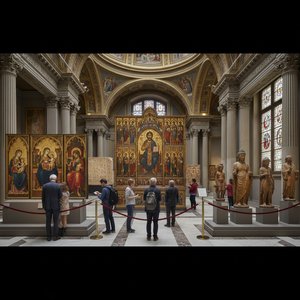
Sacred Narratives Embodied: A Comprehensive Exploration of Religious Iconography in Art History
Explore the rich history of religious iconography in art! Discover symbolism, movements & masterpieces from Byzantine to Renaissance periods. Expert insights for collectors and enthusiasts at ArtsDot.