

 プレビュー
プレビュー
 プリントを購入
 シェアする
シェアする シェアする
シェアする
 詳細を見る
詳細を見る

 ダウンロード
 似ている作品
 X線調査
X線調査 スライドショー
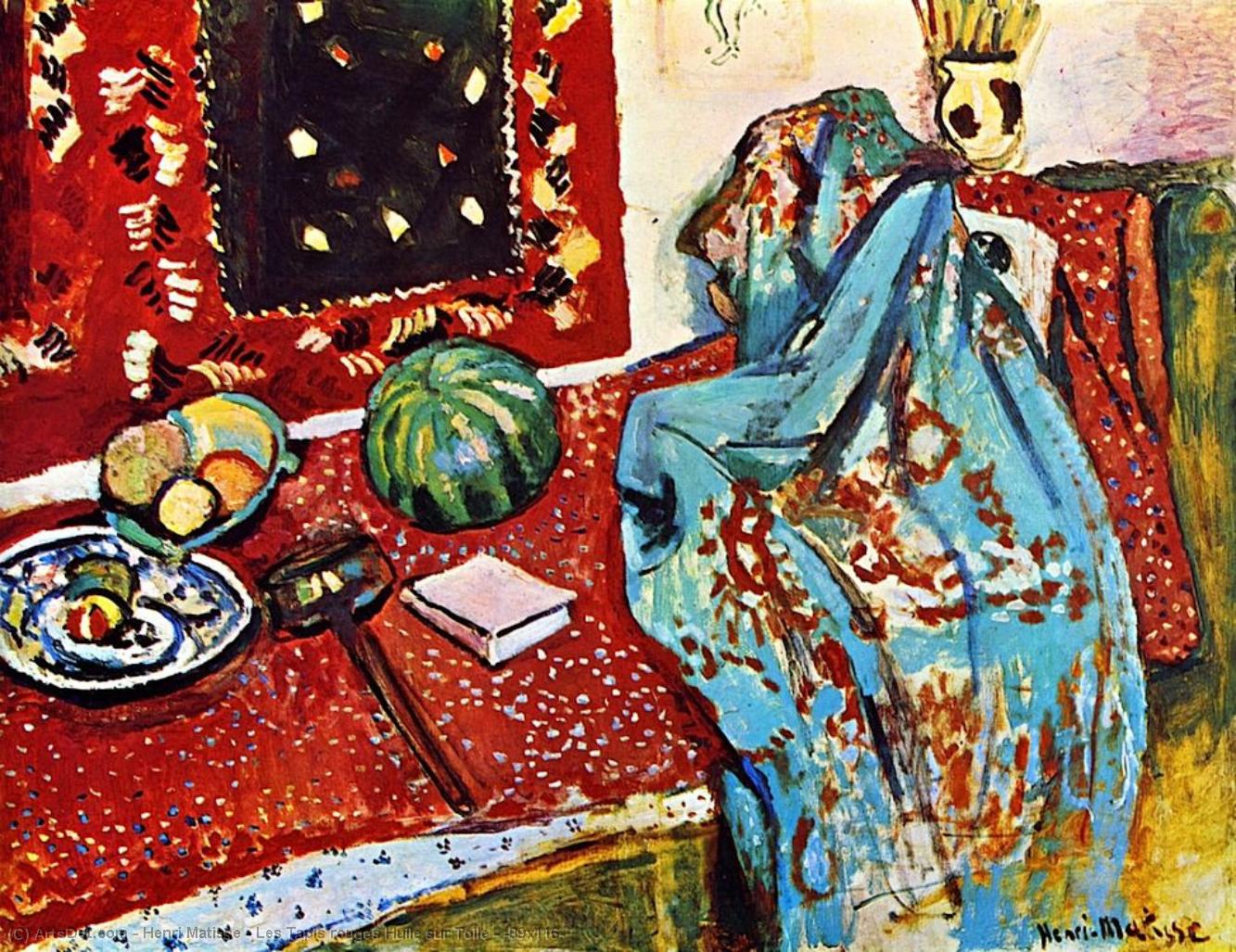
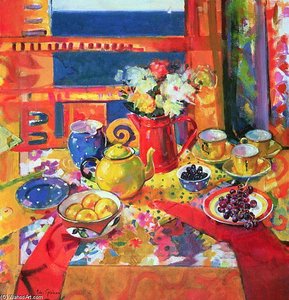
Les Tapis rouges Huile sur Toile - (89x116)


 詳細を見る
詳細を見る
オンラインプレビューをはるかに凌ぐ、高解像度で鮮明なデジタル画像をご購入いただけます。
各ファイルは、社内の専門家が高度なツールと熟練した手作業によるレタッチを用いて、細心の注意を払って準備されています。すべての画像において、卓越した鮮明度、正確な色彩再現性、そして繊細なディテールを保証いたします。
最終ファイルは、プロフェッショナルな編集・印刷環境ですぐにご利用いただけるよう最適化された状態で、72時間以内にメールにてお届けいたします。これは、一流のデザインスタジオ、出版社、ギャラリーから信頼されているものと同等の品質です。
デジタル画像のご注文に付随する特典
高品質なデジタル画像配信を、確かな品質で。
ArtsDot.com を選ぶことは、単に画像を手に入れることではありません。それは、プロの手によって精密に仕上げられ、満足保証が付いた高品質なデジタルアートワークを受け取ることを意味します。ご注文いただいた際に自動的に付随する内容は、以下の通りです:

メールですぐにお届け
ご注文から72時間以内に、高解像度のデジタル画像ファイルがメールでお手元に届きます。すぐにそのままご利用いただけます。

AI技術で最適化されたデジタルファイル
お客様の作品は、高度なAIツールと専門家による手作業の編集を組み合わせてプロフェッショナルに最適化されており、細部のディテール、鮮明さ、そして正確な色再現性を最大限に引き出しています。

一生涯無料の再送サービス
ファイルを誤って削除したり、紛失してしまったりしましたか?ご安心ください。いつでも無料で再送いたします。

輸入手数料は一切かかりません
関税や手数料、配送料を気にすることなく、お気に入りのアートワークをすぐにお楽しみいただけます。デジタルダウンロードは常に免税です。

色彩再現の保証
プロ仕様のツールとカラーマネジメント技術を用いることで、デジタル画像が元の色を最大限に忠実に再現することを保証いたします。

60日間満足保証
ご購入いただいたデジタル画像にご満足いただけない場合は、60日以内であれば、修正または100%の返金(理由を問う必要はありません)をさせていただきます。

100% 返金保証
ご満足いただけない場合は、デジタルファイルを受け取ってから60日以内であれば、理由を問わず全額返金いたします。

まとめ買い割引
3枚購入で10%OFF - 5枚購入で15%OFF - 10枚以上購入で20%OFF。クリエイティブなプロジェクト、ギャラリー、エージェンシーに最適です。
作品の詳細
Les Tapis rouges Huile sur Toile - (89x116)
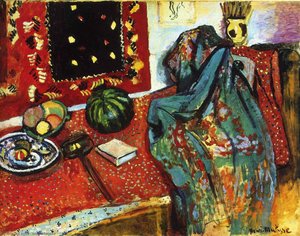
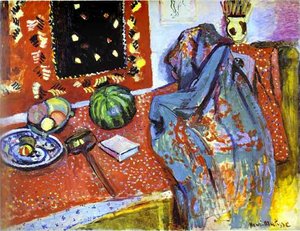
Henri Matisse’s “Les Tapis Rouges” stands as an emblem of Fauvist art, capturing the movement's audacious embrace of color and its rejection of traditional representational conventions. Painted in 1906 during a pivotal period of artistic experimentation, this still life transcends mere depiction; it strives to evoke emotion directly through vibrant hues and dynamic brushstrokes—a testament to Matisse’s revolutionary vision. The canvas depicts a dining table adorned with simple yet impactful elements: a bowl brimming with ripe fruit – apples and oranges – alongside plates laden with food, complemented by two cups and a vase strategically positioned in the background. At the center of this composition sits a woman seated gracefully at the table, embodying tranquility amidst the lively scene. Her attire—a striking blue dress—adds to the overall aesthetic harmony, while a handbag rests beside her on the table, subtly grounding the figure within the broader context of domestic life. Scattered across the tabletop are carefully arranged objects: a book contributes to the intimate atmosphere of the room, reinforcing the sense of quiet contemplation.- Artist: Henri Matisse
- Painting Title: Les Tapis Rouges
- Museum: Musée de Grenoble
- Style: Fauvism
The Artistic Movement: Fauvism
Fauvism emerged in the early 20th century as a reaction against Impressionism’s focus on capturing fleeting moments of light and atmosphere. Artists like Matisse and André Derain spearheaded this movement, deliberately abandoning naturalistic color palettes for bold, unnatural hues—primarily reds, yellows, and blues—to express subjective emotion rather than objective observation. This stylistic choice was considered scandalous at the time by many critics who championed academic traditions, yet it proved to be profoundly influential in shaping the trajectory of modern art. Matisse’s Fauvist period marked a decisive break from artistic conventions, prioritizing expressive color over accurate representation.Composition and Elements
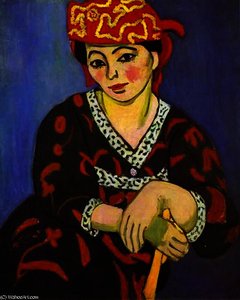
Matisse meticulously crafted “Les Tapis Rouges” with an eye toward creating visual impact. The dominant reds dominate the canvas, radiating warmth and vibrancy—a deliberate decision intended to stimulate the viewer’s senses and convey feelings of comfort and passion. Complementary blues provide a counterbalance to the fiery reds, fostering equilibrium within the composition. Furthermore, Matisse skillfully employs textural variations through loose brushstrokes, simulating the tactile qualities of fabrics like carpets and drapery. The woman's figure is rendered with simplified forms, prioritizing her presence as an embodiment of serenity rather than striving for detailed anatomical accuracy—a hallmark of Fauvist technique.Artistic Techniques
Matisse’s masterful use of color is arguably his most distinctive contribution to the Fauvist movement. He achieved this effect through layering thin washes of pigment onto the canvas, allowing colors to bleed into one another and creating luminous surfaces that shimmer with reflected light. The artist's brushstrokes are characterized by their fluidity and spontaneity—a deliberate departure from academic precision—capturing the energy and dynamism inherent in the scene. The interplay between color and texture underscores Matisse’s commitment to conveying emotion through visual form, establishing “Les Tapis Rouges” as a cornerstone of Fauvist aesthetics.Context and Significance
“Les Tapis Rouges” reflects Matisse's exploration of expressive color during his formative Fauvist years—a period marked by experimentation and innovation. Alongside masterpieces like "Seville Still Life" and "Still Life with Sleeper," this painting exemplifies Matisse’s pioneering approach to still life compositions, demonstrating the transformative potential of artistic vision. The Baltimore Museum of Art houses a significant collection of modern art, ensuring that “Les Tapis Rouges” remains accessible to audiences eager to experience the legacy of Fauvist artistry. For those seeking a high-quality reproduction of this iconic artwork, ArtsDot offers exceptional prints and canvases—allowing admirers worldwide to immerse themselves in Matisse’s vibrant aesthetic.For more information on Henri Matisse and his works, visit Henri Matisse.
作家の略歴
色彩の魔術師、アンリ・マティス:近代美術への革命
アンリ・マティスは、19世紀末から20世紀にかけて活躍したフランスの画家であり、色彩と線描の卓越した表現力によって、近代美術に多大な影響を与えた芸術家です。1869年12月31日、北フランスのル・カトウ=カンブレーシスの小さな町で生まれました。当初は法律を志望し、パリで法学を学びましたが、1889年の虫垂炎の発病が彼の人生を劇的に変えました。療養中に母親から贈られた絵具セットを手にしたことをきっかけに、芸術への情熱が芽生え、法廷の弁護士になるはずだった彼は、色彩とキャンバスの世界へと足を踏み入れたのです。幼少期をボーアン=アン=ヴェルマンдуаで過ごし、穀物商の両親のもとで育ちましたが、ボヘミアンな芸術家の生活とは一見相容れない存在でした。しかし、その種は既に蒔かれており、療養生活によって育まれ、生涯にわたる芸術への献身へと花開いたのです。アカデミー・ジュリアンやÉcole Nationale des Beaux-Artsでウィリアム=アドルフ・ブルゲーローやギュスターヴ・モローといった巨匠の下で学び、古典的な技法を習得しましたが、初期の作品にはその影響が見られ、独自の個性が確立されるまでには時間がかかりました。fauve(野獣)の誕生:色彩への解放
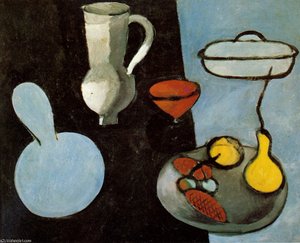
1896年のベル=イル訪問が転換点となりました。オーストラリア人画家ジョン・ラッセルとの出会いは、彼に印象派の世界と、より重要なことに、フィンセント・ファン・ゴッホの感情を揺さぶるようなキャンバスを紹介しました。この経験は、マティスのそれまでの抑制された色彩感覚を打ち砕き、より大胆で主観的なアプローチへと駆り立てました。地味な色合いから離れ、感情に共鳴する鮮やかな色彩を受け入れ、1905年頃には fauve(野獣)と呼ばれる芸術運動が誕生しました。この名称は当初、批評家によって彼らの作品の鮮烈な色彩に対して用いられた嘲笑的な表現でしたが、やがてマティスを中心とするグループを指す言葉として定着しました。アンドレ・ドランやモーリス・ド・ヴラマンクといった画家たちと共に、マティスは色彩を独立した表現要素として捉え、従来の写実性を無視して感情を直接的に伝えることを追求しました。The Gourds(1905年)に見られるように、赤、緑、黄色の鮮やかな色彩が大胆に用いられ、伝統的な遠近法や模倣を無視した自由な表現が特徴です。装飾性と調和:新たな美の探求
fauve運動の熱狂期を経て、マティスのスタイルは洗練され、装飾性を重視する方向へと変化しました。色彩への愛着を持ちながらも、より平坦化された形態と複雑なパターンを強調し、調和のとれた構成を生み出しました。1917年に南フランスのニースに移住したことで、彼の作品には穏やかさと古典的なバランスが加味されるようになりました。彼は絵画だけでなく、陶芸やテキスタイルなど、様々なメディアを通して芸術的表現の領域を広げました。単に風景を描写するのではなく、鑑賞者を美しさで包み込むような世界を構築しようとしたのです。晩年:制限からの革新—切り絵による創造
晩年は、健康状態の悪化により従来の画法が困難になったため、彼は新たな芸術的表現として切り絵(découpages)に挑戦しました。1947年頃から始まったこの技法は、車椅子生活を送る中で生まれた実用的な解決策でしたが、やがて色彩と形態に関する新しい思考へと発展しました。鮮やかな色彩の大きな紙を切り抜き、有機的な形や人物などをキャンバス上に配置することで、ダイナミックでありながらも一見すると単純な構成を生み出しました。これらのdécoupagesは、単なる代替手段ではなく、色彩、形態、構成に対する新たなアプローチを示すものでした。彼は肉体的な制約にも屈することなく、芸術家としての進化を続けました。切り絵の技法は、彼が絵具では困難だった純粋な形態と色彩を実現することを可能にし、過去のテーマやモチーフを新鮮で革新的な方法で再解釈する手段となりました。近代美術への遺産:色彩の力
1954年11月3日、ニースで死去したアンリ・マティスは、世界中の美術館に彼の作品が収蔵され、今なお多くの芸術家や愛好家に影響を与え続けています。彼は伝統的な表現方法に挑戦し、色彩の表現力を称揚することで、近代美術の流れを大きく変えました。パブロ・ピカソと並び称される最も重要な20世紀の芸術家の一人として、マティスはモダニズムを根本的に形作り、喜び、美しさ、そして色彩の持つ変革的な可能性を祝福する芸術哲学を提唱しました。彼は世界を描写したのではなく、鑑賞者に感情的な体験を促し、光と鮮やかな色彩に満たされた世界への共有を招いたのです。マティスの遺産は、彼の作品を超え、様々な分野のアーティストたちに影響を与え続けており、真の芸術の巨匠としての地位を確固たるものとしています。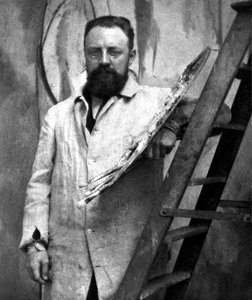
マティス
1869 - 1954 , フランス
プロフィール概要
- フルネーム: アンリ・マティス
- 主な作品:
- 風の歌
- 豪華な静寂
- 踊り
- 出生地: ル・カトウ=カンブレーシス、フランス
- 国籍: フランス人
- 影響を与えたアーティストや運動:
- モダニズム
- 表現主義
- 影響を受けたアーティスト:
- フィンセント・ファン・ゴッホ
- シャルダン
- 没年月日: 1954年11月3日
- 生年月日: 1869年12月31日
- 芸術運動またはスタイル: フォーヴィスム

