

 プレビュー
プレビュー
 シェアする
シェアする シェアする
シェアする
 詳細を見る
詳細を見る

 ダウンロード
 似ている作品
 X線調査
X線調査 スライドショー
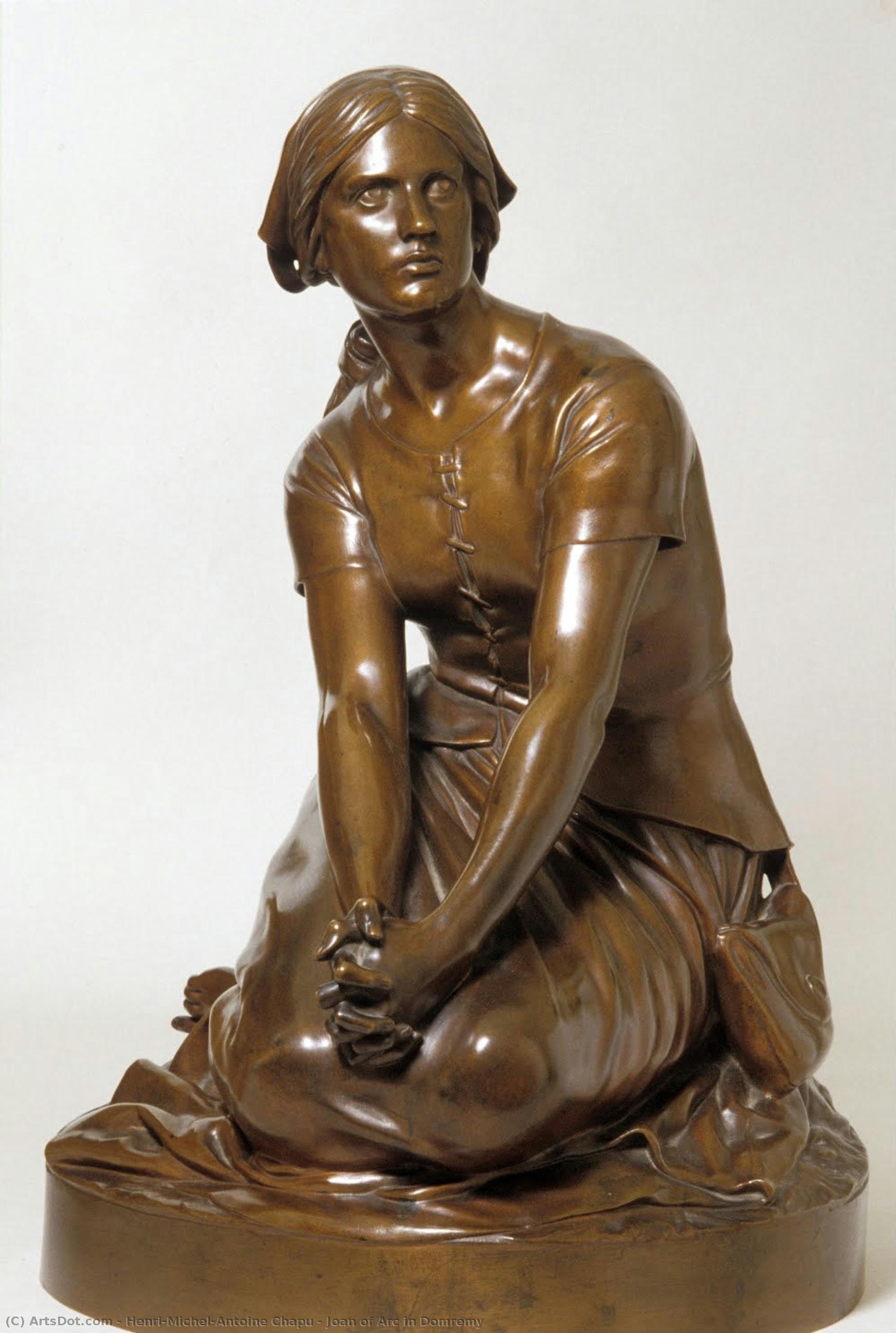
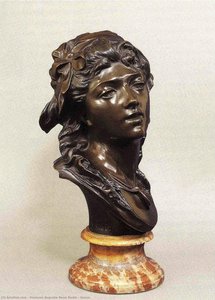
Joan of Arc in Domrémy

 詳細を見る
詳細を見る
ジークレー/アートプリント
迅速な制作と多彩な仕上げオプションを備えた、ミュージアムクオリティのジークレーまたはキャンバスプリント。 ( 手描きの絵画を購入 画像を購入)




































作品のオリジナル比率に合わせた、当店の規定サイズからお選びください。

特定のフレームやスペースに合わせて、ご自身でサイズを指定することも可能です。選択されたサイズが元の画像の比率と一致しない場合、作品をトリミングするか、鏡面反射または単色での塗りつぶしによって画像を拡張いたします。制作を開始する前に、ご確認用のデジタルモックアップをお送りいたします。
画面上のプレビューには、実際のトリミングや拡張は反映されませんのでご注意ください。最終的な構図を正確に確認できるのは、モックアップのみとなります。
カスタムサイズも承っておりますが、元の比率を維持するためには、あらかじめ用意されたリストからサイズを選択することをお勧めいたします。


 ガラスオプションは、110cm未満のサイズでのみご利用いただけます。

Joan of Arc in Domrémy
ジークレー/アートプリント
複製画のサイズ
-


合計金額
$ 62
関連作品






アーティストの略歴
A Life Sculpted in Allegory: The World of Henri Chapu
Henri-Michel-Antoine Chapu, known simply as Henri Chapu, was a pivotal figure in 19th-century French sculpture, bridging the gap between Neoclassical tradition and a burgeoning interest in allegorical representation. Born on September 29, 1833, in Le Mée-sur-Seine, France, his artistic journey began not amidst grand studios but within a family life that would soon relocate to Paris in 1847. This move proved crucial, providing young Henri access to the city’s vibrant art scene and laying the foundation for his formal training. He enrolled first at the Petit École, honing foundational skills before gaining admission to the prestigious École des Beaux-Arts where he studied under James Pradier and Francisque Duret – sculptors who instilled in him a deep respect for classical form and technique.From Rome to Recognition: The Shaping of a Style
Chapu’s dedication and talent were quickly recognized, culminating in the coveted Prix de Rome in 1855. This award granted him five years of study in Italy, an experience that profoundly shaped his artistic sensibilities. Immersed in the world of Renaissance masterpieces and ancient sculpture, Chapu absorbed the principles of anatomical accuracy, balanced composition, and idealized beauty. However, he didn’t simply replicate; instead, he began to infuse classical forms with a distinctly French sensibility – one characterized by emotional depth and narrative power. Upon his return to Paris, he swiftly established himself as a rising star. His early works, particularly Mercury of 1861 and Jeanne d'Arc of 1870, garnered significant acclaim, marking the beginning of a prolific career fueled by numerous commissions. These pieces weren’t merely displays of technical skill; they were imbued with symbolism and allegory, themes that would become hallmarks of his oeuvre.Allegory in Stone: The Core of Chapu's Artistic Vision
Chapu distinguished himself through his masterful use of allegory – the representation of abstract ideas or concepts through tangible forms. He wasn’t content to simply depict historical figures; he sought to embody virtues, emotions, and philosophical principles within his sculptures. Jeanne d'Arc, for example, transcends a simple portrayal of the French heroine; it becomes an embodiment of courage, faith, and national pride. This approach resonated deeply with audiences seeking art that not only pleased the eye but also stirred the soul. Beyond large-scale statues, Chapu revitalized the art of the medal in France. He saw the medal as more than a commemorative object; he elevated it to a miniature sculptural form capable of conveying complex narratives and profound symbolism. His meticulous attention to detail and innovative compositions breathed new life into this often-overlooked artistic medium.Teaching and Legacy: A Lasting Influence
Chapu’s influence extended beyond his own creations. He dedicated himself to education, accepting a teaching position at the Académie Julian in Paris. Here, he imparted his knowledge of classical technique, allegorical representation, and the importance of meticulous craftsmanship to a new generation of sculptors. His students benefited from his rigorous training and insightful guidance, ensuring the continuation of his artistic principles. Henri Chapu passed away in Paris on April 21, 1891, leaving behind a rich legacy of sculptures and medals that continue to captivate and inspire. The enduring presence of at least four full-scale reproductions of Jeanne d'Arc on permanent display at universities in Virginia stands as a testament to the lasting power of his vision – a vision sculpted in allegory, imbued with emotion, and deeply rooted in the traditions of French art.Major Achievements & Historical Significance
- Revival of the Medal: Chapu is celebrated for spearheading a renaissance in French medal design, transforming it into a respected artistic form.
- Jeanne d'Arc Statues: His iconic depictions of Joan of Arc became symbols of French patriotism and courage, widely reproduced and admired.
- Allegorical Mastery: Chapu’s ability to embody abstract concepts through sculpture set him apart from his contemporaries, influencing subsequent generations of artists.
- Influence on Sculpture Education: As a professor at the Académie Julian, he shaped the artistic development of numerous sculptors, perpetuating classical techniques and allegorical approaches.
- Bridging Traditions: Chapu successfully blended Neoclassical principles with a uniquely French emotional sensibility, creating works that were both technically refined and deeply expressive.

henri-michel-antoine chapu
1833 - 1891 , France
基本情報
- Artistic Movement Or Style: Modified Neoclassical
- Artists Who Influenced This Artist:
- James Pradier
- Francisque Duret
- Date Of Birth: September 29, 1833
- Date Of Death: April 21, 1891
- Full Name: Henri-Michel-Antoine Chapu
- Nationality: French
- Notable Artworks:
- Mercury (1861)
- Joan of Arc (1870)
- Place Of Birth: Le Mée-sur-Seine, France

