

 プレビュー
プレビュー
 シェアする
シェアする シェアする
シェアする
 詳細を見る
詳細を見る

 ダウンロード
 似ている作品
 X線調査
X線調査 スライドショー
 Stats
StatsLe Hollandisch Diep Hollande


 詳細を見る
詳細を見る
ジークレー/アートプリント
迅速な制作と多彩な仕上げオプションを備えた、ミュージアムクオリティのジークレーまたはキャンバスプリント。 ( 手描きの絵画を購入 Switch to Digital Image)




P118B $10

P118H $10

P118W $10

P438Z $10

P508JH $12

P508YH $12

P805H $10

P805Z $10

P919BZ $10

P919G $10

P919XJ $10

P959ZH $10

P968JZ $12

W106C $8

W218G $10

W218JH $8

W218Y $10

W307PJ $10

W316G $10

W316PJ $8

W316Y $10

W398PJ $8

W4111J $10

W500HY $15

W500JH $15

W692G $12

W849H $8

W940BG $15

W953PJ $8




作品のオリジナル比率に合わせた、当店の規定サイズからお選びください。

特定のフレームやスペースに合わせて、ご自身でサイズを指定することも可能です。選択されたサイズが元の画像の比率と一致しない場合、作品をトリミングするか、鏡面反射または単色での塗りつぶしによって画像を拡張いたします。制作を開始する前に、ご確認用のデジタルモックアップをお送りいたします。
画面上のプレビューには、実際のトリミングや拡張は反映されませんのでご注意ください。最終的な構図を正確に確認できるのは、モックアップのみとなります。
カスタムサイズも承っておりますが、元の比率を維持するためには、あらかじめ用意されたリストからサイズを選択することをお勧めいたします。


 ガラスオプションは、110cm未満のサイズでのみご利用いただけます。

Le Hollandisch Diep Hollande
ジークレー/アートプリント
複製画のサイズ
-


合計金額
$ 62
A Tranquil Vista of Autumnal Holland
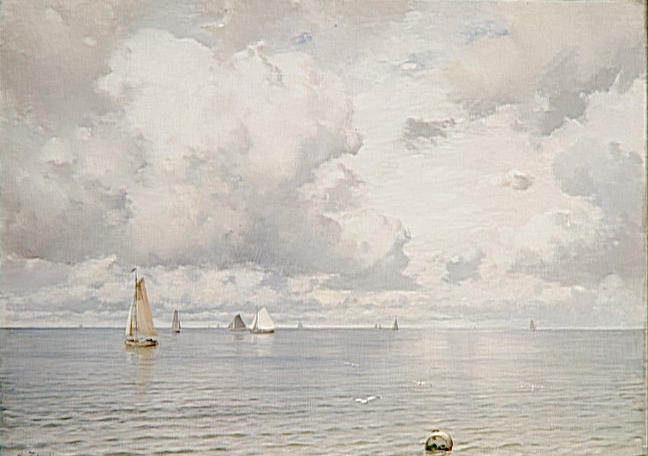
Henri Zuber’s “Le Hollandisch Diep,” completed around 1885, is more than just a depiction of a Dutch landscape; it's an embodiment of Impressionistic serenity and a testament to the artist’s masterful observation of light and atmosphere. Acquired by the French State at the Salon des Artistes Français in Paris that year, the painting now resides within the prestigious Musée d’Orsay, offering visitors a glimpse into a pivotal moment in artistic history.
- Subject Matter: The artwork captures a breathtaking panorama of Holland’s coastline – specifically the Diep estuary – under a sky heavy with overcast clouds. Scattered sailboats punctuate the tranquil waters, creating a harmonious composition that draws the eye towards the distant horizon.
- Style & Technique: Zuber adheres to the tenets of Impressionism, prioritizing capturing fleeting impressions rather than meticulous realism. His technique involves applying loose brushstrokes—primarily oil paint on canvas—to build up tonal variations and convey the diffused glow of sunlight filtering through the clouds. Short, broken strokes are particularly prominent in rendering the choppy surface of the water, adding textural richness to the scene.
- Color Palette: Dominated by muted blues, grays, and whites, the color palette reflects the prevailing weather conditions—a characteristic feature of Impressionist painting. Subtle tonal shifts within the clouds contribute to depth and visual interest, creating a sense of atmospheric perspective.
Historical Context & Artistic Influences
Painted during a period marked by significant artistic experimentation, “Le Hollandisch Diep” aligns itself with the broader movement championed by Impressionists like Claude Monet and Camille Pissarro. Zuber’s involvement in the Franco-Korean War expedition of 1866 undoubtedly instilled within him an appreciation for capturing dramatic landscapes—a sensibility that finds its expression here.
- Monet's Legacy: Like Monet, Zuber sought to translate the sensory experience of nature onto canvas, prioritizing color and light over precise detail.
- Salon Exhibitions: The painting debuted at the Salon des Artistes Français, a cornerstone of Parisian art life during the Belle Époque—a celebration of artistic innovation and cultural dynamism.
Symbolism & Emotional Resonance
Beyond its aesthetic beauty, “Le Hollandisch Diep” carries symbolic weight. The sailboats represent journeys and exploration, mirroring Zuber’s own seafaring adventures. Simultaneously, the overcast sky evokes feelings of melancholy and contemplation—a poignant reminder of the ephemeral nature of beauty and experience. The painting's overall mood is one of tranquility and peaceful observation, inviting viewers to immerse themselves in a moment of sublime stillness.
- Reflection & Contemplation: The scene encourages introspection and invites viewers to contemplate the grandeur of the natural world.
- Autumnal Mood: The muted colors and diffused light contribute to an autumnal atmosphere—a visual metaphor for transition and acceptance.
Provenance & Preservation
“Le Hollandisch Diep” boasts a rich history, having undergone several transfers of ownership throughout the 20th century – initially acquired by Musées nationaux (acquis au Salon des Artistes Français de 1885), it moved to the Louvre and subsequently to Musée du Luxembourg before finding its permanent home at Musée d’Orsay in 1960. Today, it is meticulously cared for by Musée d'Orsay’s conservation team, ensuring that future generations can appreciate Zuber’s masterpiece.
- Louvre & Orsay: The painting has been housed at both the Louvre and Musée d’Orsay, institutions dedicated to safeguarding artistic heritage.
- Recent Restoration Efforts: Ongoing conservation work focuses on preserving the canvas's integrity and maintaining its vibrant colors—a testament to Zuber’s enduring artistic vision.
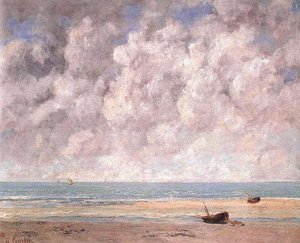
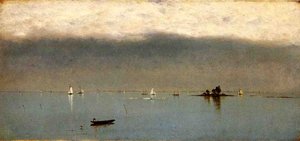
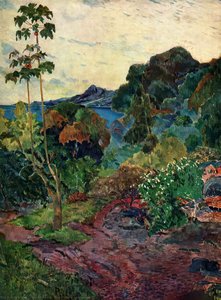
アーティストの略歴
Henri Zuber: A Life in Landscape
Jean Henri Zuber (born June 24, 1844, Rixheim, France – died April 7, 1909, Paris) was a French landscape painter celebrated for his serene depictions of the countryside, particularly autumnal scenes and detailed watercolor works. His life journey, from naval service to artistic recognition, reflects a fascinating intersection of adventure and aesthetic pursuit.
Early Life and Naval Service
Zuber’s origins lie in Alsace, France. Before dedicating himself to art, he embarked on a career in the French navy, serving from 1863 to 1868. This period proved formative, culminating in his participation in the French campaign against Korea in 1866. His experiences during this expedition would later influence his artistic endeavors, providing unique subject matter and perspectives.
Artistic Training and Early Career
Upon leaving the navy, Zuber pursued formal artistic training, entering the atelier of Charles Gleyre in 1868. This mentorship proved crucial to his development as a painter. He was admitted to the prestigious Salon des artistes français in 1869, marking an important step in establishing his career.
Korean Experiences and Publication
Zuber’s time in Korea left a lasting impression. In 1873, he published an account of his experiences there, complete with his own illustrations, in the renowned periodical Le Tour du Monde. This publication not only showcased his artistic talent but also offered valuable insights into a relatively unknown region for European audiences.
Artistic Style and Themes
Zuber’s paintings are characterized by their tranquil atmosphere and meticulous attention to detail. He primarily focused on landscape painting, often depicting rural scenes of France, particularly Alsace, his homeland. His works frequently feature:
- Pastoral landscapes with livestock
- Autumnal views showcasing vibrant foliage
- Detailed watercolor studies capturing the nuances of light and shadow
Membership and Recognition
Zuber’s artistic contributions were recognized through his membership in prominent art societies. From 1884, he was listed as a member of the Société d'aquarellistes français, solidifying his reputation as a skilled watercolorist. In 1886, he received further acknowledgment with his appointment as a Knight of the Légion d’honneur.
Later Life and Legacy
Henri Zuber continued to paint and exhibit throughout his career, establishing himself as a respected figure in the French art world. He passed away in Paris on April 7, 1909. While not achieving the widespread fame of some of his contemporaries, Zuber’s work offers a valuable glimpse into 19th-century France and demonstrates a refined artistic sensibility.
Historical Significance
Zuber's paintings provide a visual record of rural life in 19th-century France. His Korean illustrations are historically significant for their documentation of the region during that period. He represents a generation of artists who skillfully blended observation, technical proficiency, and personal experience to create compelling works of art.
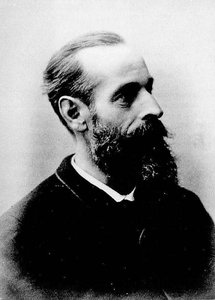
Henri Zuber
1844 - 1909 , France
基本情報
- Birth Date: 1844-06-24
- Birth Place: Rixheim, France
- Death Date: 1909-04-07
- Influenced By: Charles Gleyre
- Movement: Landscape painting
- Name: Henri Zuber
- Nationality: French
- Notable Works:
- Paysage
- Paysage d'automne
- Les premiers sillons Haute Alsace
関連記事

ポール・セザンヌ:至高の25選 - 傑作と革新の軌跡 | ArtsDot
ポール・セザンヌの至高の25選。ポスト印象派を代表する画家、セザンヌの傑作と革新的な技法を紐解きます。ArtsDotで高品質な複製画やインテリアアートを見つけ、芸術の世界をご自宅に。今すぐコレクションをご覧ください。

ロマン派ランドスケープ:時代を彩る巨匠の10選|アートとインテリアの世界
ロマン派絵画の時代を彩る10選。巨匠たちの風景が織りなす感動の世界へ。ターナー、ルーベンスなど、名作の裏話と高精細複製でアートをお部屋に。ArtsDot.comで至福のアート体験を。

Evocations of Place: A Historical Journey Through Landscape Art
Explore the rich history of landscape art with ArtsDot. Discover renowned artists, movements like Impressionism & tonalism, and expert guidance for collecting timeless pieces. Find your perfect serene escape today!
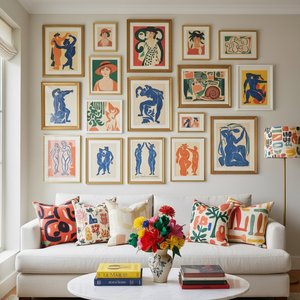
アンリ・マティスの傑作25選:色彩と情熱の軌跡|ArtsDot
アンリ・マティスの傑作25選🎨 色彩と情熱が織りなす世界を旅する。フォーヴィスム代表の巨匠、マティスの絵画の魅力と歴史を紐解きます。ArtsDotで高品質なアートプリントや複製画を見つけ、インテリアに芸術的な輝きを✨ Explore the full collection online

Evocations of Place: A Historical Journey Through Landscape Art
Explore the rich history of landscape art with ArtsDot. Discover renowned artists, movements like Impressionism & Romanticism, and expert guidance for collecting timeless pieces. Find your perfect serene escape today!