 プレビュー
プレビュー
 プリントを購入
 シェアする
シェアする シェアする
シェアする
 詳細を見る
詳細を見る

 ダウンロード
 似ている作品
 X線調査
X線調査 スライドショー
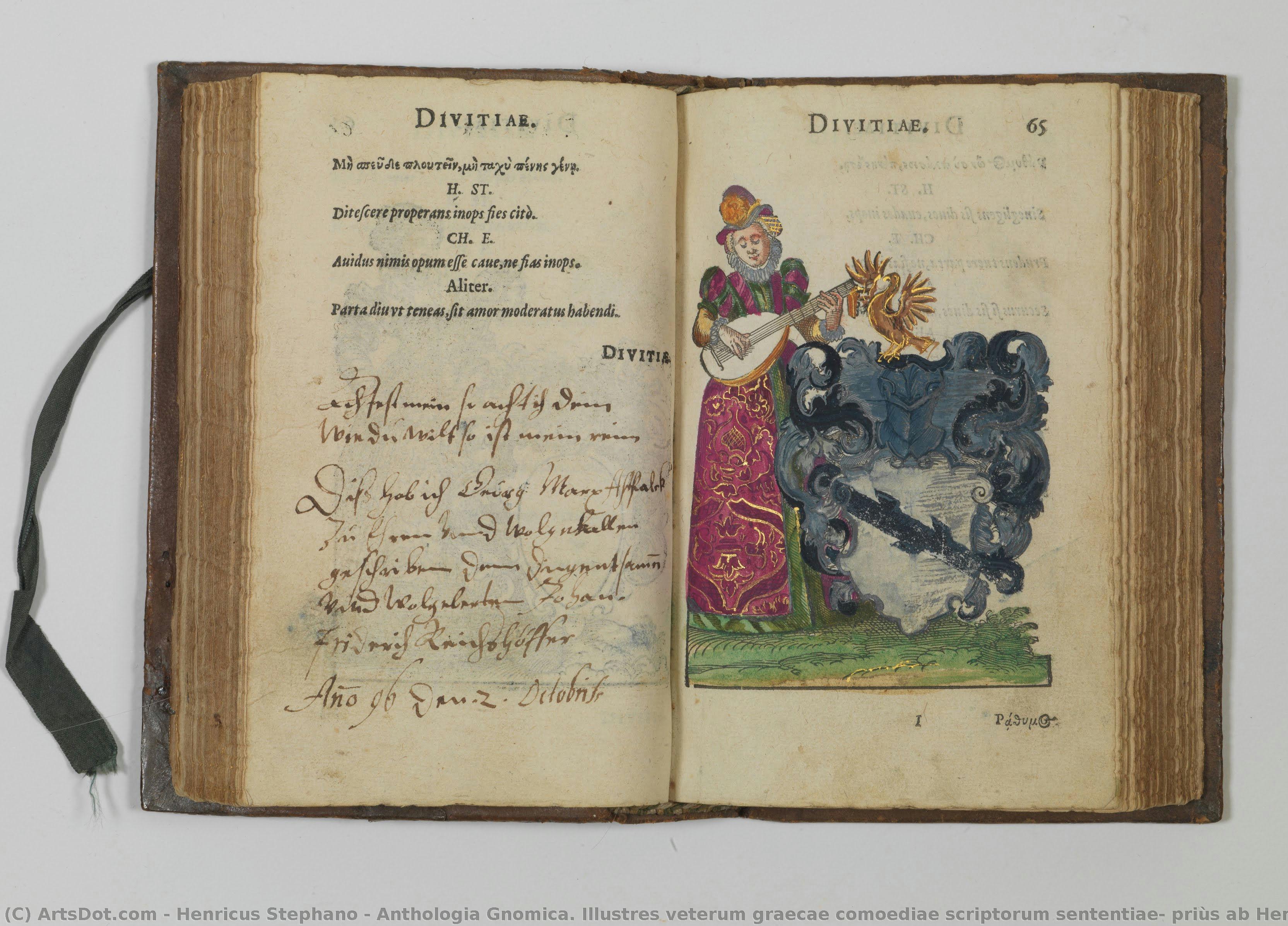
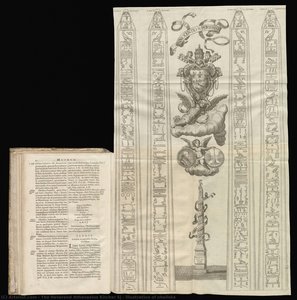
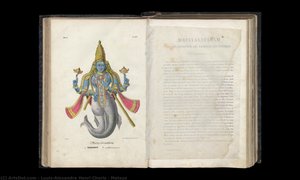
アンソロジー・グノムイカ。 イリュストレス・ヴェテヴム・グラエア ケオメーデア スクリプトゥム センテンテーエ、プリュス アブ ヘンリク ス テファノ、 クィ エ シングゥラス ラティネ トゥルベット イ デティタエ
 キャンバスにアクリル絵具
- ウォールアート
- Italian Renaissance
 1579
1579 5.0 x 11.0 cm
 国立カルオステ・ギルベンキアン美術館
 詳細を見る
詳細を見る




P118B $10

P118H $10

P118W $10

P438Z $10

P508JH $12

P508YH $12

P805H $10

P805Z $10

P919BZ $10

P919G $10

P919XJ $10

P959ZH $10

P968JZ $12

W106C $8

W218G $10

W218JH $8

W218Y $10

W307PJ $10

W316G $10

W316PJ $8

W316Y $10

W398PJ $8

W4111J $10

W500HY $15

W500JH $15

W692G $12

W849H $8

W940BG $15

W953PJ $8




作品のオリジナル比率に合わせた、当店の規定サイズからお選びください。

特定のフレームやスペースに合わせて、ご希望のサイズをご入力いただけます。選択されたサイズが元の画像の比率と異なる場合、アートワークをトリミングするか、手描きで要素を追加して絵画を拡張いたします。デジタルモックアップ を制作し、制作開始前にご確認(承認)をいただきます。
画面上のプレビューは、実際のトリミングや拡張を正確に反映しているものではありません。最終的な構図は、モックアップによってのみ正確にご確認いただけます。
カスタムサイズもご利用いただけますが、元の比率を維持するためには、あらかじめ用意されたリストからサイズを選択することをお勧めいたします。
ご注文後、ArtsDot.com チームより詳細な指示をお送りするとともに、仕上がりイメージ(モックアップ)をご提供いたします。


 ガラスオプションは、110cm未満のサイズでのみご利用いただけます。

アンソロジー・グノムイカ。 イリュストレス・ヴェテヴム・グラエア ケオメーデア スクリプトゥム センテンテーエ、プリュス アブ ヘンリク ス テファノ、 クィ エ シングゥラス ラティネ トゥルベット イ デティタエ
複製技法
複製画のサイズ
-


合計金額
$ 263
Anthologia Gnomica. Illustres veterum graecae comoediae scriptorum sententiae, priùs ab Henrico Stephano, qui & singulas latinè convertit, editae の魅力と芸術的価値
この作品は、イタリアのルネサンス美術における重要な一環であり、その繊細な技術と深い思想が現代にも息づいている傑作です。ヘンリヒス・ステファノによる1579年の木版画「アンソロジー・グノムリカ」は、ギリシャの詩人たちの箴言を集めたコレクションをラテン語に翻訳したことで知られています。この作品は、単なる美しい絵柄だけでなく、当時の文化と学問への情熱を反映しており、見る人に感動と啓発を与えます。- アーティスト:ヘンリヒス・ステファノ(イタリア)
- 制作年:1579年
- サイズ:5 x 11 cm
- 美術館:カルオストゥルジェーラン美術館(リスボン、ポルトガル)
アンソロジー・グノムリカが語るギリシャ哲学の美しさ
「アンソロジー・グノムリカ」は、古代ギリシャの詩人たちによる短い詩や箴言を集めたコレクションであり、その内容は人間の知恵と倫理について深く考えさせられます。ステファノの翻訳は、この作品をラテン語にすることで、ヨーロッパにおける古典文学の研究者に広く読まれるようにしました。この作品は、当時の哲学者が追求した理想的な人間像を表現しており、見る人に感動と啓発を与えます。ステファノの作品は、ギリシャ哲学の精神を現代にも伝えることができる貴重な芸術作品と言えるでしょう。カルオストゥルジェーラン美術館で見るステファノの傑作
この美しい絵柄は、カルオストゥルジェーラン美術館で厳重に保護されており、多くの人々がその芸術的な価値を堪能することができます。美術館は、世界中の優れた美術品を集め、芸術愛好家や研究者にとって特別な場所となっています。「アンソロジー・グノムリカ」は、ステファノの卓越した技術と知性を象徴しており、カルオストゥルジェーラン美術館で見ることで、ルネサンス美術の壮大な歴史を体験することができます。この作品は、芸術的な感動と知識への探求心を刺激するだけでなく、美しいポルトガルに訪れる人々にとって忘れられない思い出となるでしょう。関連作品



アーティストの略歴
The Silent Architect of Classical Memory
In the vibrant, intellectual landscape of the 16th-century Italian Renaissance, where the brushstrokes of masters like Michelangelo and Raphael breathed life into new forms, there existed a different kind of creator. Henricus Stephano, also known as Henrico Stephano, did not work with oils or marble, but with the delicate, enduring medium of language. As a classical scholar and translator, his artistry lay in the reconstruction of lost voices, bridging the profound gap between the ancient Greek world and the burgeoning humanism of his era. Though the specific details of his early life remain shrouded in the mists of history, his presence is felt through the enduring resonance of the texts he rescued from obscurity.
The essence of Stephano’s contribution is found in his monumental achievement: the translation of the Anthologia Gnomica. Published in 1579, this collection of Greek epigrams and poems represents a masterful feat of linguistic alchemy. To translate such works was not merely to swap words from one tongue to another; it was an act of cultural preservation. He sought to capture the wit, the sorrow, and the philosophical depth of ancient Greek poets, transmuting them into Latin so they might be understood by the scholars and thinkers of the Renaissance. Through his meticulous work, the ephemeral beauty of ancient verse gained a second life, allowing the wisdom of antiquity to flow once more into the veins of European intellectual life.
A Legacy of Linguistic Renaissance
To understand the significance of Henricus Stephano, one must view him through the lens of the Italian Renaissance itself—a period defined by a fervent rebirth of classical knowledge. While painters were rediscovering the proportions of the human body, scholars like Stephano were rediscovering the architecture of the human thought process. His work was deeply intertwined with the movement's core values: the study of antiquity, the pursuit of eloquence, and the preservation of heritage. He stood as a vital link in a chain of scholars dedicated to ensuring that the light of Greek literature did not flicker out under the weight of passing centuries.
The impact of his scholarly endeavors can be summarized through several key contributions:
- Preservation of Ancient Verse: By translating the Anthologia Gnomica, he provided a gateway for Renaissance thinkers to engage with Greek poetic traditions.
- Linguistic Mastery: His ability to navigate the complexities of both Greek and Latin showcased the high level of philological skill required during the 16th century.
- Cultural Continuity: He played a crucial role in the humanist mission to integrate classical wisdom into the contemporary educational and philosophical frameworks of his time.
Ultimately, the legacy of Henricus Stephano is one of profound stewardship. While he may not have left behind canvases that hang in the great galleries of the world, his "paintings" are composed of syntax and sentiment, etched into the very foundation of classical studies. He remains a silent but essential architect of our shared cultural memory, reminding us that the preservation of thought is as vital an art form as the creation of beauty.
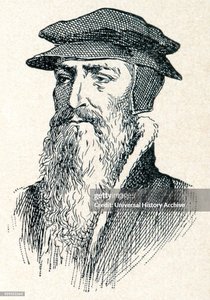
henricus stephano
Italy
基本情報
- Artistic Movement Or Style: World Goes Pop
- Artists Or Movements Influenced By This Artist: ['Influenced by pop art movement']
- Artists Who Influenced This Artist: ['Influenced by diverse artists from 28 countries']
- Date Of Death: Living
- Notable Artworks: ['Various works featured in The World Goes Pop exhibition']
- Place Of Birth: WahooArt
関連記事
Neo-Classicism's Greatest Hits: 10 Masterpieces for Your Home |
Journey through Neo-Classicism's finest! Explore 10 iconic masterpieces by David, Ingres & Canova. Discover art history, techniques & timeless beauty – perfect for inspiring your home decor. Find museum-quality reproductions at
The Enduring Legacy of Classicism: Principles, Evolution & Influence in Western Art
Explore the enduring legacy of Classicism in Western art! Discover its historical context, key principles, iconic masterpieces & lasting influence. Learn about Renaissance and Neoclassical movements with ArtsDot.
Timeless Resonance: Exploring Classic Vibe in Art – A Historical & Aesthetic Analysis
Explore the rich history & enduring aesthetic of Classicism art! Discover key movements, iconic artists like Raphael & David, and its lasting influence on Western art. Deepen your appreciation today.
The Enduring Legacy of Classical Style: Form, Narrative & Influence in Art
Explore the enduring legacy of classical art – from ancient Greece & Rome to Neoclassicism. Discover key artists, philosophical roots & build a timeless collection with ArtsDot's expert guidance.
Echoes of Antiquity: Exploring Themes & Techniques in Classical Art Masterpieces
Explore the timeless beauty & profound themes of Classical art! Discover Greek & Roman masterpieces, Neoclassical revivals, and the enduring influence on artistic movements. Expert insights & high-quality reproductions at ArtsDot.