

 プレビュー
プレビュー
 シェアする
シェアする シェアする
シェアする
 詳細を見る
詳細を見る

 ダウンロード
 似ている作品
 X線調査
X線調査 スライドショー
 Stats
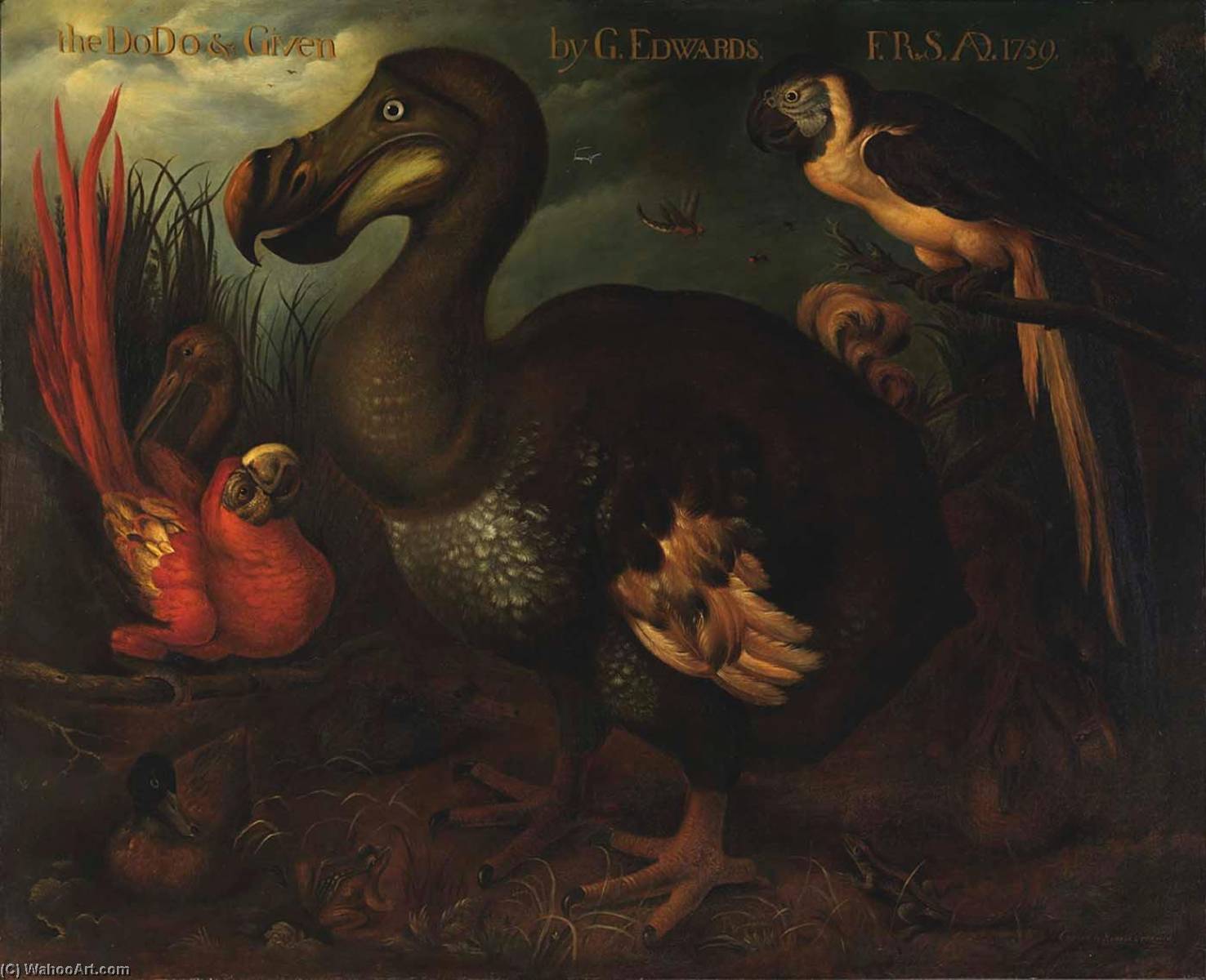
StatsThe Dodo and Given
 1905
1905 89.0 x 109.0 cm
 詳細を見る
詳細を見る
手描き油彩複製画
当社のアーティストが、お客様のご希望のサイズと額縁に合わせて、キャンバスに手描きで制作する油彩画です。 ( Switch to Print Switch to Digital Image)




































作品のオリジナル比率に合わせた、当店の規定サイズからお選びください。

特定のフレームやスペースに合わせて、ご希望のサイズをご入力いただけます。選択されたサイズが元の画像の比率と異なる場合、アートワークをトリミングするか、手描きで要素を追加して絵画を拡張いたします。デジタルモックアップ を制作し、制作開始前にご確認(承認)をいただきます。
画面上のプレビューは、実際のトリミングや拡張を正確に反映しているものではありません。最終的な構図は、モックアップによってのみ正確にご確認いただけます。
カスタムサイズもご利用いただけますが、元の比率を維持するためには、あらかじめ用意されたリストからサイズを選択することをお勧めいたします。
ご注文後、ArtsDot.com チームより詳細な指示をお送りするとともに、仕上がりイメージ(モックアップ)をご提供いたします。


 ガラスオプションは、110cm未満のサイズでのみご利用いただけます。

The Dodo and Given
複製技法
複製画のサイズ
-


合計金額
$ 263
Artistic Style and Composition
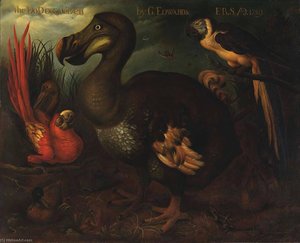
The painting features a dodo bird as the main subject, surrounded by other birds in a natural setting. The composition of the piece is well-balanced, with the dodo bird positioned prominently in the center. The artist's use of color and light creates a sense of depth and dimensionality, drawing the viewer into the scene. Key Features of the painting include:- The detailed depiction of the dodo bird and its surroundings
- The use of warm colors to create a sense of comfort and tranquility
- The balance and harmony achieved through the composition of the piece
Artist and Museum Information
Henrik Grönvold was a British artist known for his work in painting and illustration. The Smithsonian American Art Museum is home to a diverse collection of American art, including works by artists such as George De Forest Brush and Abbott Handerson Thayer. For more information on these artists and their work, visit https://ArtsDot.com. BR To learn more about the Smithsonian American Art Museum and its collection, visit /art/list/?Filter=AQTT9Z-Henrik-Gronvold-The-Dodo-and-Given. For information on other artists and their work, including Claude Buck and Edmund William Greacen, visit /en/art/list/関連作品




アーティストの略歴
The Naturalist’s Eye: The Life and Legacy of Henrik Grønvold
In the grand tapestry of late nineteenth-century art, few figures possess the dual mastery of scientific precision and poetic sensibility found in Henrik Grø.nvold. Born in Præstø, Denmark, in 1858, Grønvold was a man whose soul was inextricably bound to the rhythms of the natural world. While many of his contemporaries sought the abstract or the purely emotive, Grønvold found his muse in the delicate plumage of a songbird and the shifting light over a Nordic fjord. His life was a continuous dialogue with nature, a pursuit that saw him transition from a student of machine drawing in Copenhagen to one of the most respected natural history illustrators of his era.
Grønvold’s artistic journey was shaped by a rigorous academic foundation and an insatiable curiosity. After honing his technical skills at the Copenhagen Technical College, he sought further refinement at the Königliche Kunstakademie Düsseldorf. It was here, under the guidance of the master Wilhelm Leibl, that Grønvold encountered the nuances of German Impressionism. This pivotal influence infused his work with a luminous quality, teaching him to use color not merely as a descriptive tool, but as a means to capture the very atmosphere of the Scandinavian landscape. His technique became a sophisticated blend of meticulous anatomical accuracy and a loose, expressive brushwork that breathed life into every subject he touched.
A Symphony of Science and Art
What truly distinguishes Grønvold from the traditional landscape painters of his time was his profound ornithological obsession. He did not merely observe birds; he studied them with the intensity of a scientist and the reverence of a devotee. This passion led him on extensive expeditions across Denmark, Norway, and Sweden, where he painstakingly documented avian life in its most authentic habitats. His work as an illustrator for the Biological Research Station of Copenhagen and his later tenure at the Natural History Museum in London allowed him to merge the worlds of taxidermy, anatomy, and fine art. He was among the final generation of natural history illustrators to master the delicate art of lithography, ensuring that his scientific contributions were as visually breathtaking as they were biologically accurate.
His oeuvre is a testament to this duality, ranging from sweeping oil paintings to intimate watercolor studies:
- The Maritime Spirit: In works such as “The Herring Boats” (1893), Grønvold captures the rugged vitality of Danish coastal life, using thick impasto strokes to convey the texture of the sea and the industrious energy of the fishing fleets.
- Ornithological Precision: His watercolor illustrations, such as his 1921 depictions of ducks in wetland environments, showcase a mastery of soft lighting and naturalistic detail that remains captivating over a century later.
- Atmospheric Landscapes: Through pieces like “Winter Landscape” (1906), he demonstrates an ability to evoke the profound tranquility and biting chill of the Nordic winter, utilizing a palette that reflects the subtle shifts of northern light.
Historical Significance and Enduring Impression
As the twentieth century dawned, Grønvold’s work stood at a unique crossroads between the era of classical naturalism and the rising tide of modernism. While his commitment to scientific truth remained steadfast, his ability to embrace the light-filled aesthetics of Post-Impressionism allowed his art to remain relevant in a changing artistic landscape. He lived through a period of immense transition, yet he remained anchored by his devotion to the organic world. Even when his travels took him far from his Danish roots—including a significant period in London where he worked alongside renowned naturalists—his heart remained tethered to the landscapes of Scandinavia.
Today, the legacy of Henrik Grønvold resides in the quiet beauty of his subjects and the enduring accuracy of his observations. He remains a singular figure who proved that the line between the scientist’s ledger and the artist’s canvas is beautifully thin. To look upon a Grønvold painting is to experience a moment of profound stillness, an invitation to witness the intricate, often overlooked wonders of the natural world through the eyes of a true master of light and life.
henrik grönvold
1858 - 1940
基本情報
- Artistic Movement Or Style: Nordic Art
- Artists Or Movements Influenced By This Artist: ['Romanticism']
- Artists Who Influenced This Artist: ['Gustav Vigeland']
- Date Of Birth: September 6, 1858
- Date Of Death: March 23, 1940
- Full Name: Henrik Grønvold
- Nationality: Danish
- Notable Artworks:
- Coastal Scenes
- Maritime Art
- Place Of Birth: Denmark