

 プレビュー
プレビュー
 シェアする
シェアする シェアする
シェアする
 詳細を見る
詳細を見る

 ダウンロード
 似ている作品
 X線調査
X線調査 スライドショー
 Stats
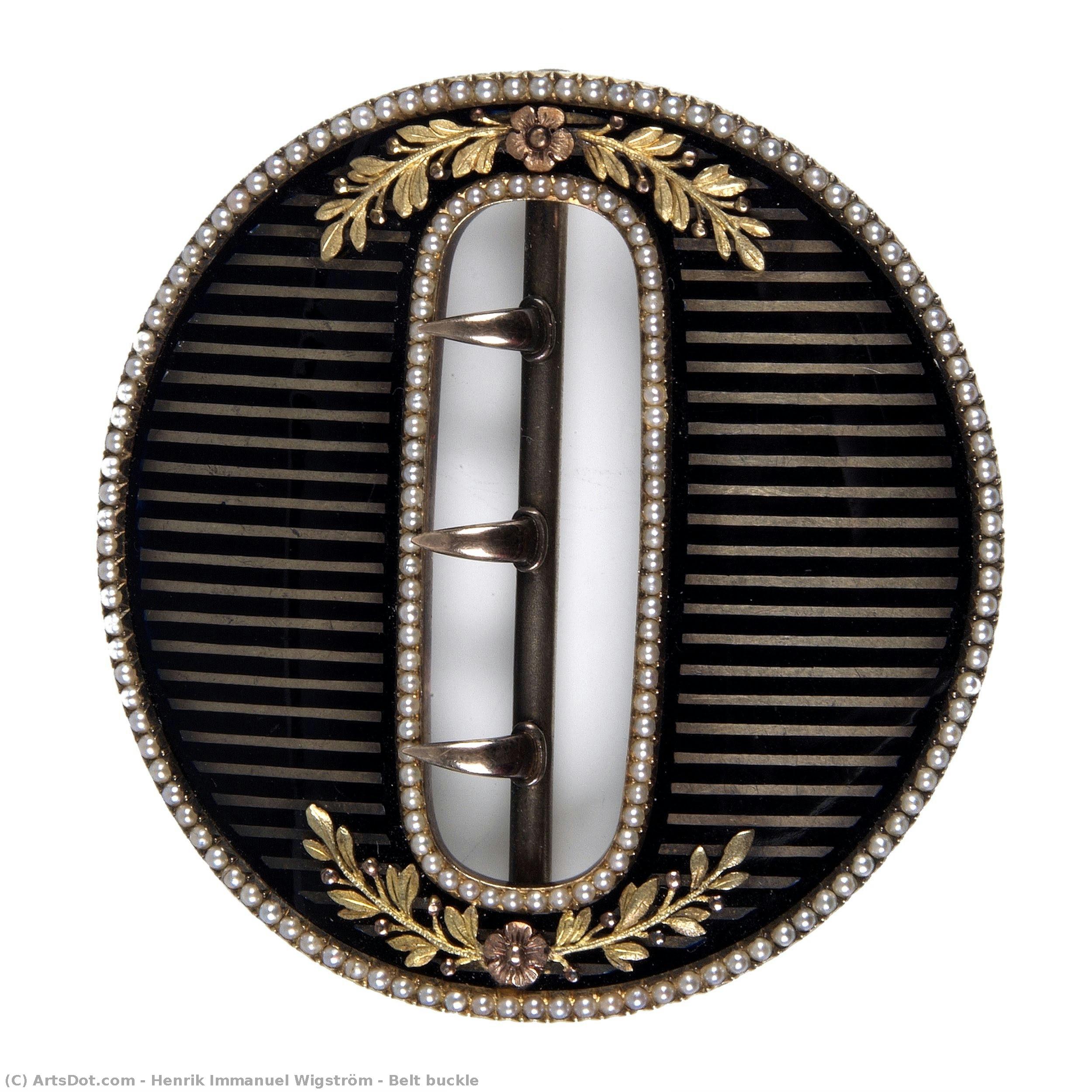
StatsBelt buckle


 詳細を見る
詳細を見る
オンラインプレビューをはるかに凌ぐ、高解像度で鮮明なデジタル画像をご購入いただけます。
各ファイルは、社内の専門家が高度なツールと熟練した手作業によるレタッチを用いて、細心の注意を払って準備されています。すべての画像において、卓越した鮮明度、正確な色彩再現性、そして繊細なディテールを保証いたします。
最終ファイルは、プロフェッショナルな編集・印刷環境ですぐにご利用いただけるよう最適化された状態で、72時間以内にメールにてお届けいたします。これは、一流のデザインスタジオ、出版社、ギャラリーから信頼されているものと同等の品質です。
デジタルアート
個人での鑑賞、印刷、クリエイティブなプロジェクト用に、高解像度ファイルをダウンロードできます。 ( Switch to Print 手描きの絵画を購入)
デジタル画像のご注文に付随する特典
高品質なデジタル画像配信を、確かな品質で。
ArtsDot.com を選ぶことは、単に画像を手に入れることではありません。それは、プロの手によって精密に仕上げられ、満足保証が付いた高品質なデジタルアートワークを受け取ることを意味します。ご注文いただいた際に自動的に付随する内容は、以下の通りです:

メールですぐにお届け
ご注文から72時間以内に、高解像度のデジタル画像ファイルがメールでお手元に届きます。すぐにそのままご利用いただけます。

AI技術で最適化されたデジタルファイル
お客様の作品は、高度なAIツールと専門家による手作業の編集を組み合わせてプロフェッショナルに最適化されており、細部のディテール、鮮明さ、そして正確な色再現性を最大限に引き出しています。

一生涯無料の再送サービス
ファイルを誤って削除したり、紛失してしまったりしましたか?ご安心ください。いつでも無料で再送いたします。

輸入手数料は一切かかりません
関税や手数料、配送料を気にすることなく、お気に入りのアートワークをすぐにお楽しみいただけます。デジタルダウンロードは常に免税です。

色彩再現の保証
プロ仕様のツールとカラーマネジメント技術を用いることで、デジタル画像が元の色を最大限に忠実に再現することを保証いたします。

100日間満足保証
ご購入いただいたデジタル画像にご満足いただけない場合は、100日以内であれば、理由を問わず修正または100%の返金対応をさせていただきます。

100% 返金保証
ご満足いただけない場合は、デジタルファイルを受け取ってから100日以内であれば、理由を問わず全額返金いたします。

まとめ買い割引
3枚購入で10%OFF - 5枚購入で15%OFF - 10枚以上購入で20%OFF。クリエイティブなプロジェクト、ギャラリー、エージェンシーに最適です。
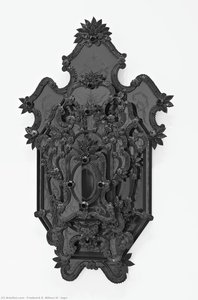
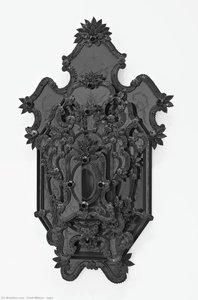
A Delicate Bloom Amidst Imperial Grandeur: Exploring Henrik Wigström’s Belt Buckle
The belt buckle crafted by Henrik Immanuel Wigström stands as a testament to the understated elegance that characterized Fabergé’s artistic output during its golden age. More than just an accessory, it embodies a sophisticated fusion of neoclassical influences and Art Nouveau sensibilities—a stylistic paradox that speaks volumes about the tastes of the Imperial Court and the enduring legacy of Finnish craftsmanship.Style & Technique: Neoclassical Roots with Art Nouveau Flourishes
Wigström’s approach to design was firmly rooted in the revivalist fervor of neoclassicism, evident in the meticulous geometric precision of the buckle's frame—a subtle nod to Roman architectural forms. However, this foundational structure is brilliantly countered by swirling floral motifs executed with exceptional delicacy. The Art Nouveau movement’s obsession with organic shapes and flowing lines permeates the intricate petal arrangements adorning the buckle’s surface. Wigström skillfully blended these contrasting styles, achieving a harmonious balance that elevates the piece beyond mere ornamentation. He employed guilloche engraving—a technique perfected during the Victorian era—to create subtle textures within the gold plating, adding depth and visual interest to the design. Furthermore, the incorporation of pearls strategically positioned around the floral embellishments underscores Wigström’s mastery of gemstone setting, demonstrating a commitment to both aesthetic beauty and technical virtuosity.Historical Context: Fabergé's Pursuit of Refinement
Fabergé’s workshops were renowned for their unwavering dedication to excellence, striving to capture the spirit of European aristocratic taste. Following Michael Perchin’s death in 1903, Wigström assumed leadership, continuing Perchin’s legacy of producing breathtaking jewelry and decorative objects destined for royalty and affluent collectors alike. The buckle’s creation coincided with a period of significant artistic innovation—the Belle Époque—where artists and designers sought inspiration from classical antiquity alongside the burgeoning influences of Japonisme and Symbolism. Wigström's work reflects this broader cultural dialogue, demonstrating an awareness of contemporary trends while maintaining a steadfast commitment to timeless beauty. The buckle’s commission likely stemmed from a desire to express refined taste and commemorate important occasions—a hallmark of Fabergé’s clientele.Symbolism & Decorative Elements: Flowers as Vessels of Beauty and Renewal
The floral motifs adorning the belt buckle are laden with symbolic significance. Roses, lilies, and chrysanthemums – traditional emblems of love, purity, and longevity – convey messages of devotion and prosperity. Their placement around the central buckle frame reinforces the idea of encircling oneself in beauty and safeguarding cherished memories. The pearls themselves symbolize perfection and luminescence, mirroring the radiant glow of gold and enhancing the overall impression of sophistication. Wigström’s meticulous attention to detail—from the precise rendering of petal contours to the careful selection of gemstones—underscores his belief that decorative art should transcend mere visual appeal, communicating profound emotional resonance.Emotional Impact & Legacy: An Heirloom Worthy of Distinction
Ultimately, Henrik Wigström's belt buckle transcends its material form, capturing a moment in time – the opulent grandeur of Fabergé’s ateliers and the artistic sensibilities of the Edwardian era. It speaks to an enduring fascination with classical ideals blended seamlessly with organic forms—a stylistic fusion that continues to inspire designers today. Possessing such a piece is akin to owning a fragment of history, imbued with the artistry and craftsmanship of a master goldsmith who elevated decorative art to unparalleled heights. Its understated elegance serves as a reminder that true beauty resides not in ostentation but in meticulous execution and profound symbolic meaning—a legacy that ensures Wigström’s belt buckle remains a treasured exemplar of Art Nouveau-infused neoclassicism for generations to come.関連作品
作家の略歴
The Silent Maestro of Fabergé Elegance
Henrik Immanuel Wigström stands as a pivotal figure in the history of Russian goldsmithing and, crucially, the opulent world of Fabergé. Born in Ekenäs, Finland, in 1862, Wigström’s artistic journey began amidst the burgeoning Art Nouveau movement but swiftly cemented itself within the exacting standards of the Imperial Court, shaping the aesthetic landscape of his era. While often overshadowed by his more flamboyant colleague Michael Perchin, Wigström possessed an unparalleled dedication to craftsmanship and a profound understanding of Louis XVI, Empire, and neoclassical styles—qualities that ensured he became Fabergé’s most prolific workmaster after Perchin's untimely demise in 1903.
His formative years were defined by rigorous discipline and a deep-seated fascination for the decorative arts. Wigström received his early artistic education at the Helsingfors Konstakademi (Finnish Art Academy), where he honed his skills in silver and goldsmithing. This grounding in traditional techniques would prove invaluable as he navigated the complexities of the Fabergé workshop, allowing him to master the delicate balance between structural integrity and ornamental splendor.
A Legacy of Imperial Splendor
When Wigström joined the Fabergé atelier in 1903, he inherited a monumental responsibility: maintaining the prestige of the House of Fabergé following the loss of Perchin. He did not merely maintain this standard; he elevated it. Under his leadership, the workshop produced an astonishing array of decorative objects that embodied the grandeur of Imperial Russia. His work is characterized by a refined neoclassical aesthetic, leaning into the elegance of the Louis XVI and Empire styles to create pieces that felt both timeless and profoundly luxurious.
Wigström's artistic output was remarkably diverse, ranging from functional objects of high utility to purely ornamental treasures. His mastery is evident in several key areas:
- Exquisite Timepieces: He was renowned for creating magnificent table clocks, such as the Moon’s Face Table Clock and the breathtaking Table Clock in the Shape of a Carriage, which showcased his ability to blend mechanical precision with artistic storytelling.
- Decorative Objects: His repertoire included stunning lorgnettes, intricate ink sets, and delicate silverwork that served as the pinnacle of high-society luxury.
- Hardstone Artistry: He excelled in crafting hardstone animals, figures, and flowers with remarkable precision, utilizing his deep knowledge of mineral textures to breathe life into inanimate stone.
Technique and Historical Significance
The true genius of Wigström lay in his technical perfectionism. His work is defined by flawless enamelwork, intricate guilloche engraving, and the masterful manipulation of precious metals. Every piece he touched reflected a meticulous attention to detail that satisfied even the most discerning members of the Romanov dynasty. By blending the delicate textures of fine enamel with the structural strength of gold and silver, he created objects that were as much feats of engineering as they were works of art.
As the era of Imperial Russia drew to a close, Wigström’s contributions remained a testament to a vanished world of unparalleled opulence. His ability to interpret historical styles through a modern, refined lens ensured that his work would remain iconic long after the workshops of St. Petersburg fell silent. Today, his legacy lives on through the rare and precious artifacts that continue to captivate collectors, serving as enduring symbols of the height of Fabergé's artistic achievement.
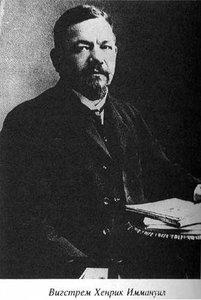
henrik immanuel wigström
1862 - 1923 , Finland
プロフィール概要
- Artistic Movement Or Style: Louis XVI, Empire, Neoclassical
- Artists Who Influenced This Artist: ['Michael Evlampievich Perchin']
- Date Of Birth: October 2, 1862
- Date Of Death: March 14, 1923
- Full Name: Henrik Immanuel Wigström
- Nationality: Finnish
- Notable Artworks:
- Miniature Perfume Bottle
- Ink set
- Moon’s Face Table Clock
- Place Of Birth: Ekenäs, Finland