

 プレビュー
プレビュー
 プリントを購入
 シェアする
シェアする シェアする
シェアする
 詳細を見る
詳細を見る

 ダウンロード
 似ている作品
 X線調査
X線調査 スライドショー
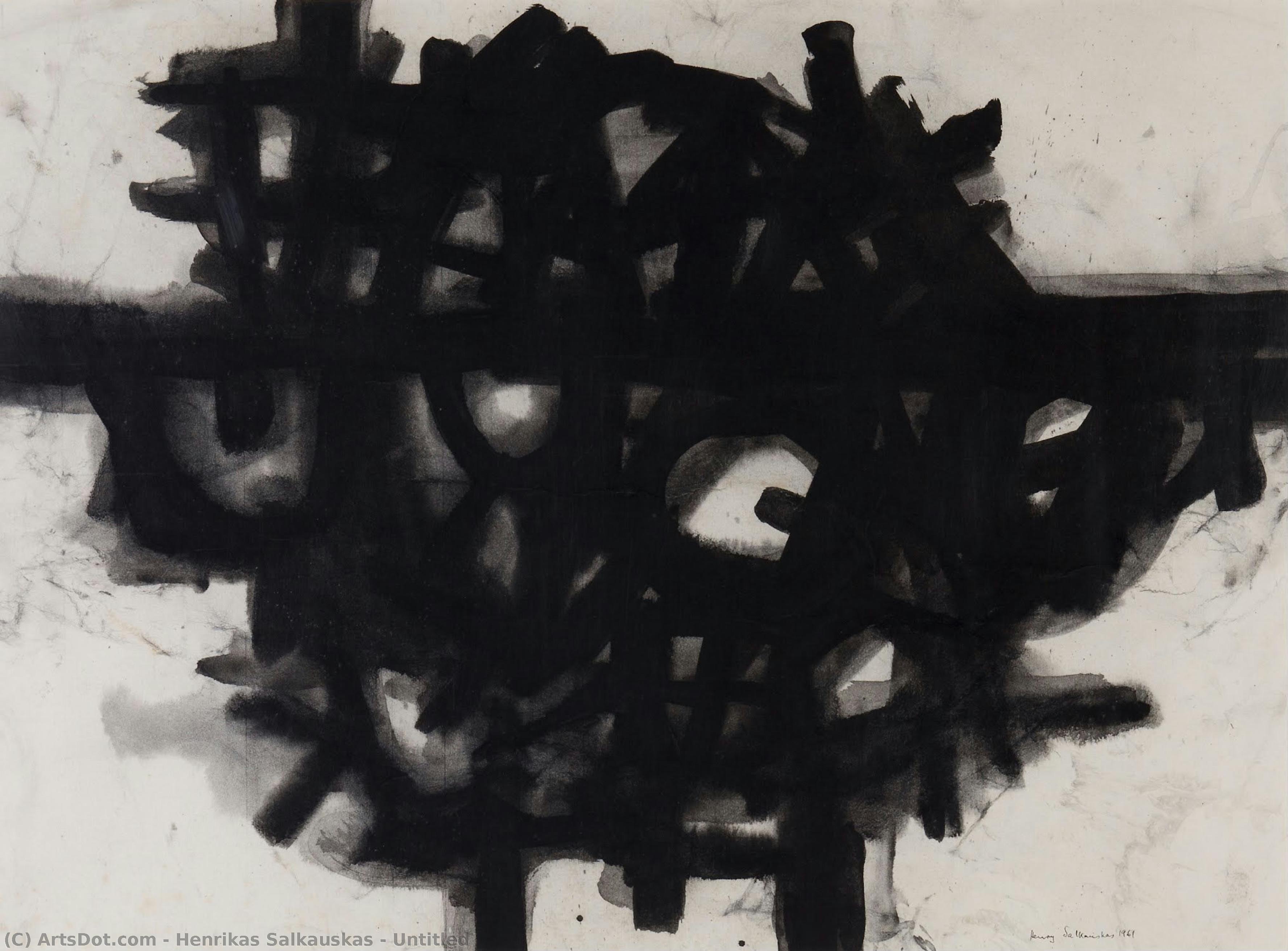
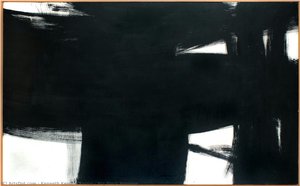
Untitled
 1961
1961 101.0 x 75.0 cm
 Penrith Regional Gallery - Home of the Lewers Bequest
 詳細を見る
詳細を見る
オンラインプレビューをはるかに凌ぐ、高解像度で鮮明なデジタル画像をご購入いただけます。
各ファイルは、社内の専門家が高度なツールと熟練した手作業によるレタッチを用いて、細心の注意を払って準備されています。すべての画像において、卓越した鮮明度、正確な色彩再現性、そして繊細なディテールを保証いたします。
最終ファイルは、プロフェッショナルな編集・印刷環境ですぐにご利用いただけるよう最適化された状態で、72時間以内にメールにてお届けいたします。これは、一流のデザインスタジオ、出版社、ギャラリーから信頼されているものと同等の品質です。
デジタル画像のご注文に付随する特典
高品質なデジタル画像配信を、確かな品質で。
ArtsDot.com を選ぶことは、単に画像を手に入れることではありません。それは、プロの手によって精密に仕上げられ、満足保証が付いた高品質なデジタルアートワークを受け取ることを意味します。ご注文いただいた際に自動的に付随する内容は、以下の通りです:

メールですぐにお届け
ご注文から72時間以内に、高解像度のデジタル画像ファイルがメールでお手元に届きます。すぐにそのままご利用いただけます。

AI技術で最適化されたデジタルファイル
お客様の作品は、高度なAIツールと専門家による手作業の編集を組み合わせてプロフェッショナルに最適化されており、細部のディテール、鮮明さ、そして正確な色再現性を最大限に引き出しています。

一生涯無料の再送サービス
ファイルを誤って削除したり、紛失してしまったりしましたか?ご安心ください。いつでも無料で再送いたします。

輸入手数料は一切かかりません
関税や手数料、配送料を気にすることなく、お気に入りのアートワークをすぐにお楽しみいただけます。デジタルダウンロードは常に免税です。

色彩再現の保証
プロ仕様のツールとカラーマネジメント技術を用いることで、デジタル画像が元の色を最大限に忠実に再現することを保証いたします。

100日間満足保証
ご購入いただいたデジタル画像にご満足いただけない場合は、100日以内であれば、理由を問わず修正または100%の返金対応をさせていただきます。

100% 返金保証
ご満足いただけない場合は、デジタルファイルを受け取ってから100日以内であれば、理由を問わず全額返金いたします。

まとめ買い割引
3枚購入で10%OFF - 5枚購入で15%OFF - 10枚以上購入で20%OFF。クリエイティブなプロジェクト、ギャラリー、エージェンシーに最適です。
関連作品






作家の略歴
Robert Rauschenberg: A Collision of Worlds
Born Milton Ernest Rauschenberg in Port Arthur, Texas, on October 22, 1925, Robert Rauschenberg’s artistic journey was a radical departure from traditional notions of painting and sculpture. His early life, steeped in the fundamentalist Christianity of his parents—a physician father and a homemaker mother—provided an unexpected foundation for his later explorations into the intersection of everyday objects and art. This seemingly disparate background fueled a lifelong fascination with contrasts: the sacred and the profane, order and chaos, high art and popular culture – themes that would become central to his groundbreaking work.
Rauschenberg’s formal artistic training began at the University of Texas at Austin, where he initially studied English Literature. However, it was a pivotal summer spent assisting commercial artist Henrique Ibiraçu in Dallas that truly ignited his creative spark. This experience exposed him to techniques like screenprinting and collage, laying the groundwork for his later development of the “Combine” paintings. He continued his studies at Black Mountain College in North Carolina, where he encountered artists like Josef Albers, Max Ernst, and Merce Cunningham – a group that profoundly influenced his thinking about process, perception, and the relationship between art and life.
- Early Works (1950s): Rauschenberg’s early paintings were characterized by a vibrant use of color and gestural brushwork, reflecting the influence of Abstract Expressionism.
- Combines (1954-1964): This pivotal series marked a radical shift in his practice. Combining painting with found objects – newspapers, photographs, fabric scraps, bottle caps, and even taxidermied creatures – Rauschenberg blurred the boundaries between art forms, challenging traditional notions of authorship and artistic value. Works like *Monogram* (1955) and *Canyon* (1959) are iconic examples of this innovative approach.
- Experiments with Photography & Printmaking: Throughout his career, Rauschenberg continued to experiment with photography, printmaking, and papermaking, often integrating these techniques into his larger works.
The Philosophy Behind the Combine
Rauschenberg’s “Combines” weren't simply assemblages; they were carefully constructed dialogues between disparate elements. He described them as "paintings with objects," emphasizing that the objects were not merely decorative additions but integral components of the artwork itself. He sought to create a sense of surprise and ambiguity, inviting viewers to actively engage with the work and interpret its meaning. The process was often intuitive, driven by chance encounters and spontaneous decisions – a deliberate rejection of traditional artistic control.
Influenced by Dadaism and Surrealism, Rauschenberg’s approach can be seen as an extension of these movements' interest in challenging established conventions and exploring the subconscious. However, unlike the nihilistic spirit of Dada, Rauschenberg’s work retained a sense of optimism and possibility, suggesting that art could be found in unexpected places and through unconventional means.
His collaboration with choreographer Merce Cunningham was particularly significant. They developed a unique approach to artistic creation, rejecting narrative and prioritizing movement and process. This shared philosophy profoundly shaped Rauschenberg’s work, leading him to create “Dance Paintings” – large-scale paintings that captured the energy and rhythm of Cunningham's dances.
A Legacy of Innovation
Robert Rauschenberg’s impact on 20th-century art is undeniable. He shattered traditional categories of painting and sculpture, paving the way for subsequent generations of artists to explore new materials, techniques, and conceptual approaches. His work continues to be exhibited and studied worldwide, inspiring artists and audiences alike.
Beyond his artistic achievements, Rauschenberg was a dedicated educator and advocate for art education. He taught at institutions such as Black Mountain College, Cooper Union, Yale University, and MIT, fostering the creativity of countless students. He also established the Rauschenberg Foundation, which supports artists and educational programs around the world.
Rauschenberg’s death in May 12, 2008, at the age of 82, marked the end of an era. However, his legacy as a visionary artist and innovator continues to resonate through his groundbreaking work and his profound influence on the art world.
John Singer Sargent: A Portraitist of His Time
Born in Florence, Italy, in January 1856, John Singer Sargent was the only son of American surgeon Fitzwilliam Sargent and his wife Emily Taverner. His childhood was spent traveling extensively throughout Europe, a formative experience that instilled in him a deep appreciation for art and culture. This upbringing shaped his artistic sensibilities, leading him to pursue painting as a career.
Sargent’s early training began with Carolus-Duran in Paris, where he honed his skills and developed his distinctive style – characterized by loose brushwork, vibrant colors, and a remarkable ability to capture the essence of his subjects. He quickly gained recognition for his portraiture, attracting wealthy patrons from across Europe and America.
- Portraiture as Craft & Art: Sargent’s portraits were not merely likenesses; they were carefully constructed narratives that revealed the personalities and social standing of their sitters.
- British Impressionism: Sargent's work is often categorized as British Impressionism, reflecting his influence from French Impressionist painters like Monet and Renoir while maintaining a distinctly English sensibility.
- Notable Portraits: He painted numerous iconic portraits, including those of Dame Ellen Terry, Asher Wertheimer, and Lady Randolph Churchill.
Sargent’s career spanned several decades, during which he established himself as one of the most celebrated portrait painters of his time. He continued to work prolifically until his death in London on April 15, 1925, leaving behind a vast and influential body of work that continues to captivate audiences today.
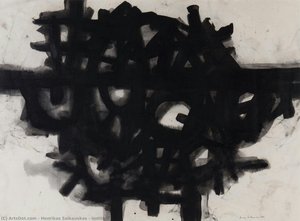
henrikas salkauskas
1925 - 1979 , Lithuania
プロフィール概要
- Artistic Movement Or Style:
- Assemblage
- Pop Art
- Neo-Dada
- Artists Or Movements Influenced By This Artist:
- Jasper Johns
- Robert Ryman
- Artists Who Influenced This Artist:
- Picasso
- Pollock
- Marcel Duchamp
- Date Of Birth: October 22, 1925
- Date Of Death: May 12, 2008
- Full Name: Robert Rauschenberg
- Nationality: American
- Notable Artworks:
- Canyon
- Monogram
- Rauschenberg Prints
- Place Of Birth: Port Arthur, Texas