

 プレビュー
プレビュー
 シェアする
シェアする シェアする
シェアする
 詳細を見る
詳細を見る

 ダウンロード
 似ている作品
 X線調査
X線調査 スライドショー
 統計情報
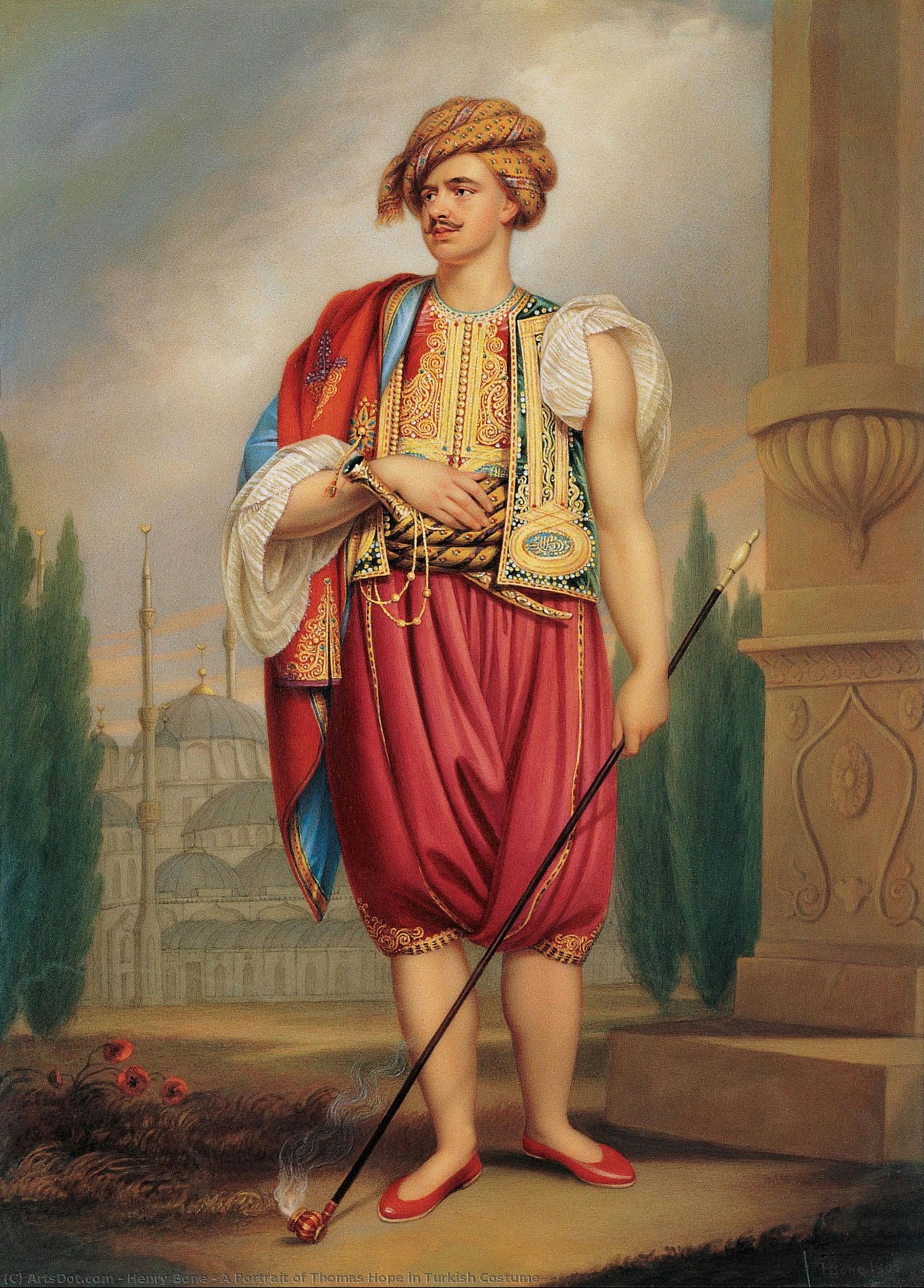
統計情報A Portrait of Thomas Hope in Turkish Costume
 Oil
Oil- WallArt
- Neoclassicism
 19th Century
 210.0 x 290.0 cm
 ペラ美術館
ペラ美術館
 詳細を見る
詳細を見る
手描き油彩複製画
当社のアーティストが、お客様のご希望のサイズと額縁に合わせて、キャンバスに手描きで制作する油彩画です。 ( プリント版に切り替え デジタル画像販売へ切り替え)




P118B $10

P118H $10

P118W $10

P438Z $10

P508JH $12

P508YH $12

P805H $10

P805Z $10

P919BZ $10

P919G $10

P919XJ $10

P959ZH $10

P968JZ $12

W106C $8

W218G $10

W218JH $8

W218Y $10

W307PJ $10

W316G $10

W316PJ $8

W316Y $10

W398PJ $8

W4111J $10

W500HY $15

W500JH $15

W692G $12

W849H $8

W940BG $15

W953PJ $8




作品のオリジナル比率に合わせた、当店の規定サイズからお選びください。

特定のフレームやスペースに合わせて、ご希望のサイズをご入力いただけます。選択されたサイズが元の画像の比率と異なる場合、アートワークをトリミングするか、手描きで要素を追加して絵画を拡張いたします。デジタルモックアップ を制作し、制作開始前にご確認(承認)をいただきます。
画面上のプレビューは、実際のトリミングや拡張を正確に反映しているものではありません。最終的な構図は、モックアップによってのみ正確にご確認いただけます。
カスタムサイズもご利用いただけますが、元の比率を維持するためには、あらかじめ用意されたリストからサイズを選択することをお勧めいたします。
ご注文後、ArtsDot.com チームより詳細な指示をお送りするとともに、仕上がりイメージ(モックアップ)をご提供いたします。


 ガラスオプションは、110cm未満のサイズでのみご利用いただけます。

A Portrait of Thomas Hope in Turkish Costume
複製技法
複製画のサイズ
-


合計金額
$ 263
An Orientalist Vision: The Allure of Thomas Hope
In this captivating portrait, we are transported to an era of profound curiosity and romanticized exploration. A Portrait of Thomas Hope in Turkish Costume serves as a breathtaking window into the Regency period's fascination with the Orient. The subject, Thomas Hope—a man whose influence on English neo-classical taste was nothing short of revolutionary—is presented not merely as a British gentleman, but as a traveler of the world. Dressed in vibrant red attire accented by a striking blue sash, Hope embodies the spirit of the 18th-century traveler, blending the elegance of his heritage with the exoticism of his Mediterranean journeys. The presence of a pipe in one hand and a cane in the other suggests a moment of contemplative repose, inviting the viewer to share in his quiet, worldly wisdom.
The composition is rich with symbolic layers that speak to the collector's eye for detail. Beyond the central figure, the scene is populated by delicate elements that ground the portrait in a lush, almost theatrical setting. Two birds, poised gracefully on either side of the frame, add a sense of living vitality and natural harmony to the piece. The background, featuring the architectural silhouette of a mosque and a distant clock tower, provides a sense of place that is both grand and intimate. For the interior designer, this painting offers a masterful use of color and depth; the interplay between the warm reds of the costume and the verdant greens of the scattered potted plants creates a visual rhythm that can anchor a room with historical gravity and sophisticated charm.
Mastery of Technique and Historical Resonance
The artistry behind this work reflects the meticulous precision characteristic of the era's finest portraiture. While the brushwork captures the soft textures of fabric and the organic forms of nature, there is an underlying structural strength that commands attention. The artist masterfully utilizes light to sculpt the figure of Hope, ensuring that the intricate details—from the glint of a dagger in his belt to the delicate plumes of his headdress—are rendered with clarity. This level of detail makes a high-quality reproduction particularly rewarding, as it allows the subtle nuances of texture and shadow to emerge within a contemporary home setting.
To possess such a piece is to hold a fragment of history. The portrait evokes the atmosphere of the Voyage Pittoresque de la Grèce, reminding us of a time when art was the primary medium for documenting the wonders of distant lands. For those seeking to curate a collection that inspires conversation and emotional resonance, this artwork offers more than just decoration; it provides a narrative of adventure, taste, and the enduring human desire to connect with the exotic. Whether placed in a formal study or a grand living space, this painting brings an air of scholarly elegance and timeless romanticism to any interior.
関連作品
アーティストの略歴
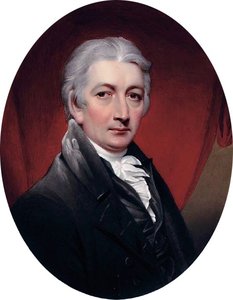
Henry Bone: A Life in Enamel
- Born: Truro, United Kingdom (1755)
- Died: 1834
Henry Bone RA was a distinguished English enamel painter who served three successive monarchs – George III, George IV, and William IV – in that official capacity. His career spanned porcelain and jewelry painting before he became renowned for his large-scale enamel paintings, earning him recognition as a Royal Academician.
Early Life and Apprenticeship
Born in Truro, Cornwall, Henry Bone’s father was a skilled cabinet maker and carver. In 1767, the family relocated to Plymouth, Devon, where young Henry began his apprenticeship in 1771 under William Cookworthy, the founder of the Plymouth porcelain works – England's first manufacturer of hard-paste porcelain. This early experience proved formative, as he later moved with Cookworthy and Champion to the Bristol China Works for six years. During this time, Bone worked diligently from morning until evening, dedicating his nights to studying drawing. His contributions to the Bristol China Works are considered highly meritorious, potentially marked by a distinctive "1" alongside the factory mark.
Rise as an Enamel Painter
Following the closure of the Bristol works in 1778, Bone moved to London with limited resources. He initially found work enameling watches and fans before transitioning to enamel and watercolor portraits. He cultivated a friendship with John Wolcot, who encouraged his artistic pursuits and advised him on professional tours in Cornwall. In 1780, he married Elizabeth Vandermeulen, whose lineage included the battle painter Adam Frans van der Meulen. Bone’s talent quickly gained recognition; he exhibited his first painting, a portrait of his wife, at the Royal Academy in 1781 – an unusually large enamel for its time.
Royal Patronage and Major Works
Bone dedicated himself entirely to enamel painting, consistently exhibiting at the Royal Academy. A significant milestone was his 1789 exhibition of "A Muse and Cupid," the largest enamel painting produced up to that point. His artistic prowess earned him royal favor; he became enamel painter to the Prince of Wales in 1800, then to George III in 1801, a position he retained throughout the reigns of George IV and William IV. He was elected a Royal Academician (RA) in 1811 and created an even larger enamel, "Bacchus and Ariadne," after Titian’s masterpiece. The immense popularity of this work led to its sale for 2,200 guineas – a sum secured just before the bank holding his payment suspended operations!
Later Years and Legacy
Bone's later works included series of historical portraits depicting figures from the time of Elizabeth I and "Cavaliers distinguished in the Civil War," as well as portraits of the Russell family. While the Elizabethan series did not achieve immediate financial success, it demonstrated his commitment to a lasting artistic legacy. His eyesight began to fail in 1831, leading him to retire and accept a royal academy pension. He died in 1834, remembered as "a man of unaffected modesty and generosity." His collections were sold at auction after his death, dispersing numerous works across various collectors. Henry Bone’s sons, Henry Pierce Bone and Robert Trewick Bone, also became notable enamellists, continuing the family's artistic tradition.
Henry Bone
1755 - 1834 , United Kingdom
基本情報
- Artistic Movement Or Style: Enamel painting
- Artists Who Influenced This Artist: ['Adam Frans van der Meulen']
- Date Of Birth: February 6, 1755
- Date Of Death: December 17, 1834
- Full Name: Henry Bone
- Nationality: British
- Notable Artworks:
- A Muse and Cupid
- Bacchus and Ariadne
- Place Of Birth: Truro, United Kingdom
関連記事
Sir Thomas Lawrence: Portraiture, Power & Regency Society's Aesthetics
Explore the captivating world of Sir Thomas Lawrence, Regency England's premier portraitist. Discover his artistic techniques, powerful representations of society, and enduring legacy. Expert insights for discerning art collectors.

Crimson Threads of Narrative: Exploring Symbolism & Representation in Artworks Featuring the Red Dress
Explore the rich symbolism of the red dress in art history! From ancient power displays to iconic portraits like Cézanne’s 'Madame Cezanne', discover the cultural and artistic significance behind this captivating color. Expert analysis & insights.
Albert Kretschmer: Capturing 19th-Century Costume & the Seeds of Expressionism
Explore the exquisite costume studies of Albert Kretschmer (1825-1891). Discover his detailed illustrations, influence on art history & connection to early Expressionism. Learn about collecting this remarkable artist's work.

マーク・ロスコ傑作25選:色彩が織りなす深遠な世界|ArtsDot
マーク・ロスコの傑作25選。抽象表現主義を代表する巨匠、色彩が織りなす深遠な世界を探求します。絵画の背景や技法、感動的なストーリーを紐解き、ArtsDotで高品質なアートプリントをお楽しみください。リビングやオフィスにモダンアートを飾るなら!
Thomas Barker of Bath: Landscape Painting & Societal Reflection in Early 19th-Century England
Explore the life & work of Thomas Barker of Bath, a key figure in 19th-century English Romanticism. Discover his Parisian success, iconic paintings like 'The Bride of Death', and lasting artistic legacy. Learn more at ArtsDot.