

 プレビュー
プレビュー
 シェアする
シェアする シェアする
シェアする
 詳細を見る
詳細を見る

 ダウンロード
 似ている作品
 X線調査
X線調査 スライドショー
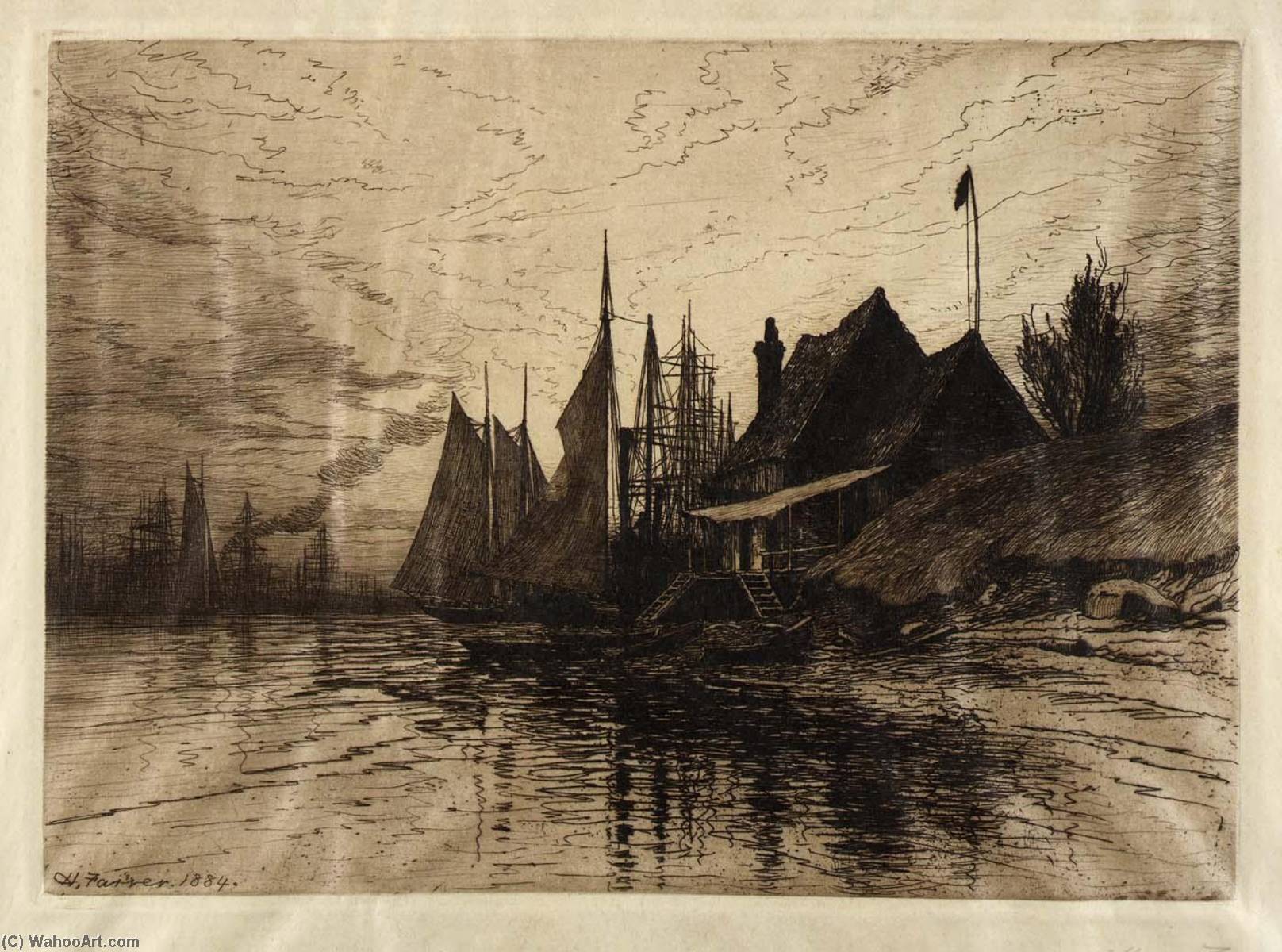
Evening, New York Harbor
 1884
1884 25.0 x 34.0 cm
 詳細を見る
詳細を見る
ジークレー/アートプリント
迅速な制作と多彩な仕上げオプションを備えた、ミュージアムクオリティのジークレーまたはキャンバスプリント。 ( 手描きの絵画を購入 画像を購入)




































作品のオリジナル比率に合わせた、当店の規定サイズからお選びください。

特定のフレームやスペースに合わせて、ご自身でサイズを指定することも可能です。選択されたサイズが元の画像の比率と一致しない場合、作品をトリミングするか、鏡面反射または単色での塗りつぶしによって画像を拡張いたします。制作を開始する前に、ご確認用のデジタルモックアップをお送りいたします。
画面上のプレビューには、実際のトリミングや拡張は反映されませんのでご注意ください。最終的な構図を正確に確認できるのは、モックアップのみとなります。
カスタムサイズも承っておりますが、元の比率を維持するためには、あらかじめ用意されたリストからサイズを選択することをお勧めいたします。


 ガラスオプションは、110cm未満のサイズでのみご利用いただけます。

Evening, New York Harbor
ジークレー/アートプリント
複製画のサイズ
-


合計金額
$ 62
Artist Background
Henry Farrer was an American artist known for his exceptional etching skills. Born in London in 1844, he moved to New York and became a prominent figure in the American art scene. His work is characterized by its attention to detail and ability to evoke emotions through simple yet powerful compositions.The Painting
Evening, New York Harbor is a prime example of American etching from the late 19th century. The painting depicts a peaceful harbor scene at dusk, with several boats and a house in the background. The use of soft lines and gentle shading creates a sense of calmness, drawing the viewer into the serene atmosphere of the harbor.- The painting is a testament to Henry Farrer's skill in capturing light and shadow.
- The composition is simple yet effective, with the boats and house creating a sense of depth and context.
- The etching technique used by Henry Farrer adds a level of intricacy and detail to the painting.
For more information on Henry Farrer and his artwork, visit https://ArtsDot.com and discover the beauty of American art from the 19th century.
関連作品









アーティストの略歴
Henry Farrer: A Master of Twilight
Henry Farrer, a name perhaps less familiar than some of his contemporaries in the American art world, nevertheless stands as a quietly profound figure within the Luminist movement and the broader landscape painting tradition. Born in London in 1844, Farrer’s artistic journey was shaped by a unique confluence of influences – a familial connection to Pre-Raphaelite artistry, a self-taught approach, and an unwavering dedication to capturing the subtle poetry of light and atmosphere. His work, often characterized by its muted tones, hazy perspectives, and evocative sense of stillness, offers a meditative counterpoint to the more overtly dramatic styles prevalent during his time.
Farrer’s early life was marked by a significant shift when he immigrated to America in 1863. This move coincided with a burgeoning artistic community eager for new voices and perspectives. He quickly established himself as a professional artist, initially producing Pre-Raphaelite still lifes and landscapes before gravitating towards the Luminist style – a movement emphasizing the beauty of natural light and the quiet contemplation of rural scenes. Crucially, his brother, Thomas Farrer, a key figure in the Pre-Raphaelite revival in America, provided an initial artistic framework, though Henry forged his own distinctive path within this lineage.
The Language of Light: Technique and Style
Farrer’s artistic signature lies primarily in his masterful manipulation of light and color. He eschewed bright, saturated hues in favor of a restrained palette dominated by browns, grays, greens, and blues – colors that perfectly mirrored the atmospheric conditions he sought to depict. His technique involved layering thin washes of watercolor, building up tones gradually to create an illusion of depth and atmosphere. This approach, coupled with his deliberate use of blurred edges and soft focus, fostered a sense of mystery and tranquility within his paintings.
His landscapes are rarely sharply defined; instead, they exist in a perpetual state of twilight or mist. He frequently depicted marshlands, ponds, and riversides, capturing the fleeting effects of light on water and vegetation. The absence of strong diagonals or dramatic compositions further contributes to this sense of quiet contemplation. Farrer’s work isn't about depicting a specific location with photographic accuracy; it’s about conveying an emotional state – a feeling of serenity, solitude, and connection to the natural world.
Influences and Connections
While largely self-taught, Farrer was undoubtedly influenced by his brother Thomas’s engagement with Pre-Raphaelite ideals. The emphasis on truthfulness in representation, combined with an interest in medieval and Renaissance art, likely shaped Henry's approach to landscape painting. Furthermore, the burgeoning American watercolor society, of which he was a founding member, provided a platform for him to showcase his work and engage with other artists.
Beyond his immediate artistic circle, Farrer’s work reflects broader trends in 19th-century art – a growing interest in Romanticism's emphasis on nature and the sublime, as well as a shift away from academic realism towards more subjective and expressive forms of representation. His connection to the etching revival movement is also noteworthy; he became a prominent figure in promoting etching as a serious artistic medium, producing evocative cityscapes that captured the energy and atmosphere of New York.
Legacy and Significance
Despite not achieving widespread fame during his lifetime, Henry Farrer’s contribution to American art is increasingly recognized. His paintings offer a unique perspective on the Luminist movement, emphasizing the subtle beauty of light and atmosphere in a way that distinguishes him from his more flamboyant contemporaries. His work continues to resonate with viewers today, offering a moment of quiet contemplation amidst the complexities of modern life.
Farrer’s legacy extends beyond his individual paintings; he played a vital role in fostering the development of watercolor painting in America and promoting the artistic value of etching. His dedication to capturing the essence of light and atmosphere serves as an enduring testament to the power of observation, sensitivity, and artistic vision.
henry farrer
1844 - 1903
基本情報
- Artistic Movement Or Style: Tonalist landscape
- Artists Or Movements Influenced By This Artist: ['Pre-Raphaelite movement']
- Artists Who Influenced This Artist: ['Thomas C. Farrer']
- Date Of Birth: March 23, 1844
- Date Of Death: February 24, 1903
- Full Name: Henry Farrer
- Nationality: English-born American
- Notable Artworks:
- Winter Scene in Moonlight
- Evening, New York Harbor
- On New York Bay
- Place Of Birth: London, England