

 プレビュー
プレビュー
 プリントを購入
 シェアする
シェアする シェアする
シェアする
 詳細を見る
詳細を見る

 ダウンロード
 似ている作品
 X線調査
X線調査 スライドショー
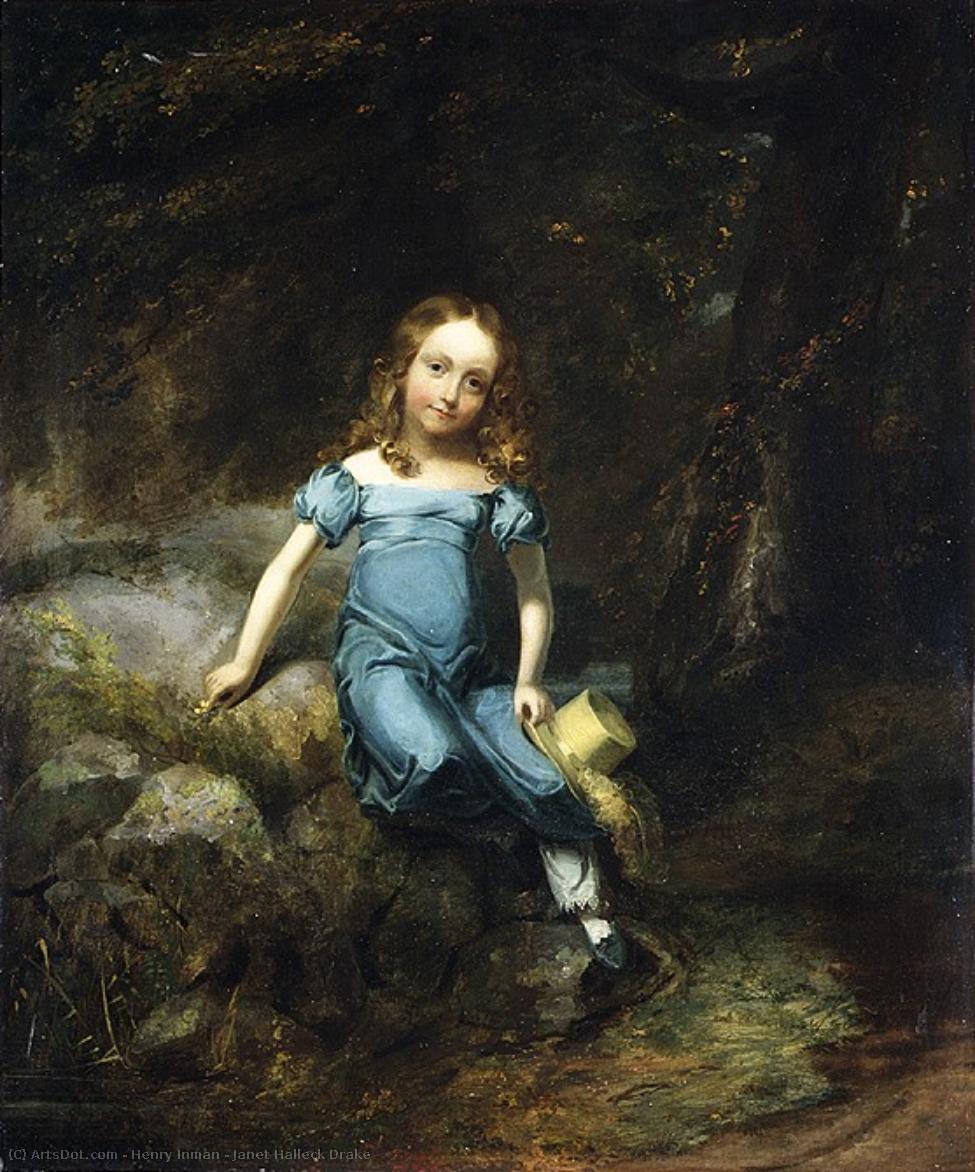
Janet Halleck Drake
 Oil On Canvas
- WallArt
- Romanticism
 1825
1825 76.0 x 63.0 cm
 メトロポリタン美術館
 詳細を見る
詳細を見る




P118B $10

P118H $10

P118W $10

P438Z $10

P508JH $12

P508YH $12

P805H $10

P805Z $10

P919BZ $10

P919G $10

P919XJ $10

P959ZH $10

P968JZ $12

W106C $8

W218G $10

W218JH $8

W218Y $10

W307PJ $10

W316G $10

W316PJ $8

W316Y $10

W398PJ $8

W4111J $10

W500HY $15

W500JH $15

W692G $12

W849H $8

W940BG $15

W953PJ $8




作品のオリジナル比率に合わせた、当店の規定サイズからお選びください。

特定のフレームやスペースに合わせて、ご希望のサイズをご入力いただけます。選択されたサイズが元の画像の比率と異なる場合、アートワークをトリミングするか、手描きで要素を追加して絵画を拡張いたします。デジタルモックアップ を制作し、制作開始前にご確認(承認)をいただきます。
画面上のプレビューは、実際のトリミングや拡張を正確に反映しているものではありません。最終的な構図は、モックアップによってのみ正確にご確認いただけます。
カスタムサイズもご利用いただけますが、元の比率を維持するためには、あらかじめ用意されたリストからサイズを選択することをお勧めいたします。
ご注文後、ArtsDot.com チームより詳細な指示をお送りするとともに、仕上がりイメージ(モックアップ)をご提供いたします。


 ガラスオプションは、110cm未満のサイズでのみご利用いただけます。

Janet Halleck Drake
複製技法
複製画のサイズ
-


合計金額
$ 263
Janet Halleck Drake: A Woodland Reverie Captured in Oil
Henry Inman’s “Janet Halleck Drake” (1825) stands as a quintessential example of American Romanticism, transporting viewers back to the mid-nineteenth century and embodying its fascination with nature's beauty and innocence. More than just a portrait, it’s an exquisitely rendered tableau—a moment frozen in time—that speaks volumes about artistic sensibilities and Victorian ideals. The painting resides within the Metropolitan Museum of Art’s collection, offering art enthusiasts a chance to experience firsthand this remarkable achievement of visual storytelling. ### Subject Matter & Composition: A Child Amongst Trees The subject is Janet Halleck Drake, approximately seven years old, depicted in a tranquil woodland setting. Inman skillfully positioned her amidst towering trees and dappled sunlight, creating an atmosphere of serenity and seclusion. Her gaze drifts off-camera—a subtle gesture that invites contemplation—suggesting a connection to something larger than herself, perhaps reflecting the Romantic preoccupation with spirituality and imagination. The artist’s meticulous attention to detail extends beyond Drake's figure; the surrounding foliage is rendered with remarkable realism, capturing the textures and nuances of the forest floor. ### Artistic Style & Technique: Impressionistic Influences “Janet Halleck Drake” showcases Inman’s distinctive style—characterized by a blend of realism and impressionistic techniques. While maintaining accurate representation of Drake's likeness and her surroundings, he employs loose brushstrokes and vibrant color palettes to convey the feeling of light and airiness. This approach aligns with the broader artistic movement of Impressionism, which sought to capture fleeting moments of sensory experience rather than striving for photographic accuracy. The artist’s masterful use of glazing—applying thin layers of translucent paint over underlying colors—creates depth and luminosity, enhancing the painting's visual impact. ### Historical Context & Symbolism: Victorian Idealization of Childhood Painted in 1825 during a period marked by significant social and intellectual upheaval, “Janet Halleck Drake” reflects the Victorian fascination with idealized childhood—a concept championed by thinkers like Rousseau and Wordsworth. The depiction of Drake amidst nature symbolizes purity, innocence, and connection to the natural world—values considered crucial for moral development and spiritual fulfillment. Furthermore, Inman’s inclusion of books subtly underscores the importance of education and intellectual curiosity within Victorian society. The artist's choice of a top hat—a fashionable accessory at the time—is also noteworthy, serving as a visual emblem of Inman himself and his artistic persona. ### Emotional Impact & Legacy: Beauty Captured Forever Ultimately, “Janet Halleck Drake” transcends its formal elements to evoke a profound emotional response in viewers. Its tranquil composition and luminous colors inspire feelings of peace, nostalgia, and wonder—capturing the essence of Romantic idealism. The painting’s enduring appeal testifies to Inman's artistic genius and his ability to distill complex ideas into a single, unforgettable image. It remains a treasured piece within the Met Museum’s collection, continuing to captivate audiences with its timeless beauty and evocative storytelling.関連作品
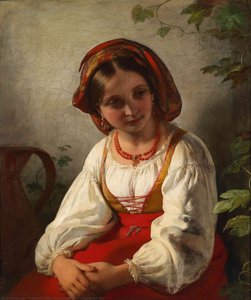
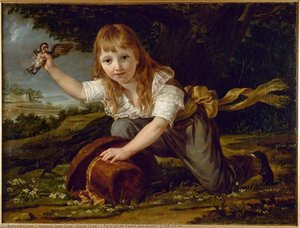
アーティストの略歴
A Legacy of Character and Heritage: The Life of Henry Inman
In the burgeoning landscape of nineteenth-century American art, few figures captured the evolving identity of a young nation as intimately as Henry Inman. Born in 1801 in Utica, New York, to English immigrant parents, Inman was a product of both old-world tradition and new-world ambition. His early years in the settlement of Utica provided a foundation of industriousness, but it was his move to the vibrant, growing metropolis of New York City in 1812 that truly ignited his artistic destiny. Under the mentorship of established masters such as John Wesley Jarvis and John Quidor, Inman refined a technical precision that would become his hallmark, learning to navigate the delicate balance between realistic representation and the soulful expression required for high-society portraiture.
Inman’s artistic journey was never confined to a single genre; rather, it was a multifaceted exploration of the American experience. While he possessed a remarkable talent for capturing the quiet, everyday moments of life through his genre scenes—notably his evocative depictions of “Rip Van Winkle” and “The News Boy”—his heart belonged to the study of human character. His portraits were more than mere likenesses; they were psychological studies that sought to reveal the inner dignity and intellect of his subjects. Through a meticulous application of light and shadow, he breathed life into the faces of the era's most influential figures, creating a visual record of leadership and intellect that remains vital to our understanding of American history.
The Documentation of a Vanishing World
Perhaps the most profound chapter of Inman’s career lies in his monumental contribution to the preservation of Native American heritage. Collaborating with the celebrated lithographer Thomas L. McKenney, Inman undertook the Herculean task of producing "The History of the Indian Tribes of North America." This endeavor required him to meticulously copy over one hundred oil paintings originally executed by Charles Bird King. This was not merely a technical exercise in reproduction; it was an act of historical preservation. Through his diligent work, Inman helped ensure that the likenesses and cultural dignity of Native American leaders were etched into the permanent annals of American art history.
This period of his life demonstrated a deep-seated empathy and an alignment with the intellectual currents of his time, which sought to document the complexities of a changing continent. His ability to translate the grandeur of these original works into a format accessible to a wider audience cemented his reputation as an artist of significant social and historical responsibility. In doing so, he bridged the gap between fine art and ethnographic record, making him a pivotal figure in the early American movement toward cultural documentation.
Artistic Mastery and Historical Significance
The breadth of Inman’s portraiture serves as a Who's Who of nineteenth-century American prominence. His canvases featured an extraordinary array of notable figures, including:
- Political Titans: Such as Martin Van Buren, William H. Seward, and DeWitt Clinton.
- Legal Luminaries: Including Chief Justices Marshall and Nelson.
- Intellectuals and Explorers: Most notably the naturalist John James Audubon and the writer Fitz-Greene Halleck.
Beyond his individual canvases, Inman’s influence extended to the very institutions that shaped American art. His role in the founding of the National Academy of Design underscores his commitment to establishing a formal structure for artistic excellence in the United States. Though his life was tragically short, ending in 1846, the impact of his work remains indelible. He left behind a legacy defined by a rare combination of technical virtuosity and a profound respect for the subjects he portrayed, ensuring that the faces of the past continue to speak to the generations of the present.
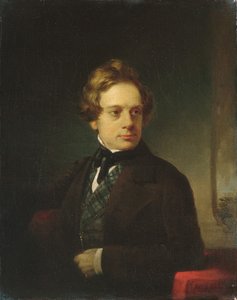
Henry Inman
1801 - 1846 , United States of America
基本情報
- Artistic Movement Or Style: Hudson River School
- Artists Or Movements Influenced By This Artist: ['Jacob Hart Lazarus']
- Artists Who Influenced This Artist: ['John Wesley Jarvis']
- Date Of Birth: 1801
- Date Of Death: 1846
- Full Name: Henry Inman
- Nationality: American
- Notable Artworks:
- Rydal Falls
- Rip van winkle
- Boyhood of Washington
- Place Of Birth: Utica, United States of America
関連記事

アンリ・マティスの傑作25選:色彩と情熱の軌跡|ArtsDot
アンリ・マティスの傑作25選🎨 色彩と情熱が織りなす世界を旅する。フォーヴィスム代表の巨匠、マティスの絵画の魅力と歴史を紐解きます。ArtsDotで高品質なアートプリントや複製画を見つけ、インテリアに芸術的な輝きを✨ Explore the full collection online
Romantic Realism's Finest: 10 Masterpieces for Your Home | ArtsDot
Explore 10 defining masterpieces of Romantic Realism! Discover Courbet, Millet & Daumier's powerful paintings—capturing emotion and social realities. Find museum-quality reproductions for your home at ArtsDot.com.
19th Century Masterpieces: 10 Paintings That Defined an Era | ArtsDot
Journey through 19th century art with ArtsDot! Explore 10 iconic paintings – from Monet & Renoir to Courbet – and discover the stories behind Romanticism, Realism & Impressionism. Find museum-quality reproductions for your home decor. Explore the full collection online!
The Evocative Embrace of Reality: Exploring Romantic Realism in 19th-Century Painting
Explore the captivating world of Romantic Realism! Discover key artists like Courbet & Millet, masterpieces, and the social context behind this influential art movement. Expert insights for collectors at ArtsDot.
Henry Farny: Romantic Visions of the American West & Indigenous Life
Explore the evocative paintings of Henry Farny, renowned for his romantic realism & depictions of Native American life in the 19th-century West. Discover his legacy and key artworks at ArtsDot.

