

 プレビュー
プレビュー
 シェアする
シェアする シェアする
シェアする
 詳細を見る
詳細を見る

 ダウンロード
 似ている作品
 X線調査
X線調査 スライドショー
 統計情報
統計情報Pes-Ke-Le-Cha-Co
 Oil On Canvas
- WallArt
- Impressionistic Landscape
 1832
1832- 19th Century
 76.0 x 64.0 cm
 メトロポリタン美術館
 詳細を見る
詳細を見る
手描き油彩複製画
当社のアーティストが、お客様のご希望のサイズと額縁に合わせて、キャンバスに手描きで制作する油彩画です。 ( プリント版に切り替え デジタル画像販売へ切り替え)




P118B $10

P118H $10

P118W $10

P438Z $10

P508JH $12

P508YH $12

P805H $10

P805Z $10

P919BZ $10

P919G $10

P919XJ $10

P959ZH $10

P968JZ $12

W106C $8

W218G $10

W218JH $8

W218Y $10

W307PJ $10

W316G $10

W316PJ $8

W316Y $10

W398PJ $8

W4111J $10

W500HY $15

W500JH $15

W692G $12

W849H $8

W940BG $15

W953PJ $8




作品のオリジナル比率に合わせた、当店の規定サイズからお選びください。

特定のフレームやスペースに合わせて、ご希望のサイズをご入力いただけます。選択されたサイズが元の画像の比率と異なる場合、アートワークをトリミングするか、手描きで要素を追加して絵画を拡張いたします。デジタルモックアップ を制作し、制作開始前にご確認(承認)をいただきます。
画面上のプレビューは、実際のトリミングや拡張を正確に反映しているものではありません。最終的な構図は、モックアップによってのみ正確にご確認いただけます。
カスタムサイズもご利用いただけますが、元の比率を維持するためには、あらかじめ用意されたリストからサイズを選択することをお勧めいたします。
ご注文後、ArtsDot.com チームより詳細な指示をお送りするとともに、仕上がりイメージ(モックアップ)をご提供いたします。


 ガラスオプションは、110cm未満のサイズでのみご利用いただけます。

Pes-Ke-Le-Cha-Co
複製技法
複製画のサイズ
-


合計金額
$ 263
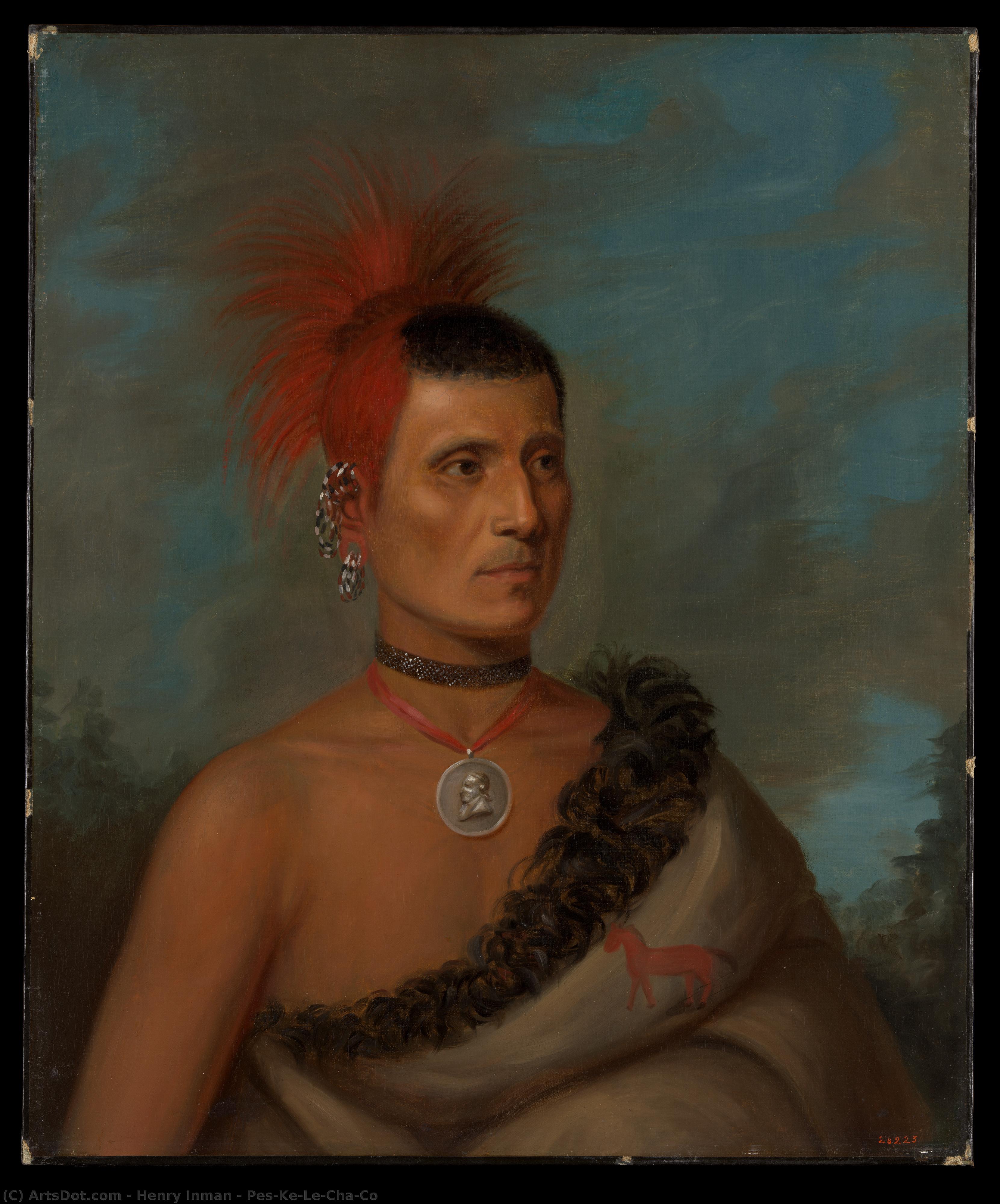
A Gaze Across Time: The Soul of Pes-Ke-Le-Cha-Co
In the quiet intimacy of Henry Inman’s 1832 masterpiece, Pes-Ke-Le-Cha-Co, we are invited to meet a leader whose presence transcends the boundaries of the canvas. This striking portrait of the Pawnee chief is far more than a mere historical record; it is a profound psychological encounter. As the viewer’s eyes meet the subject's steady, piercing gaze, there is an immediate sense of being witnessed by a man of immense character. Inman, a master of 19th-century American portraiture, utilizes a delicate balance of light and shadow to sculpt the features of the chief, lending a sculptural weight to his expression. The subtle tension in the subject's face suggests a spirit that is both resolute and contemplative, capturing the essence of a man celebrated as a fearless warrior and an expert hunter.
The visual narrative is punctuated by vibrant, symbolic details that command attention within the composition. A single red feather rests prominently in his hair, acting as a brilliant focal point that draws the eye upward, while the intricate textures of his attire—from the soft sheen of his clothing to the metallic glint of a silver peace medal—speak to a complex cultural intersection. These elements are not merely decorative; they serve as windows into a period of significant cultural dialogue and upheaval. For the discerning collector or interior designer, such details offer a rich tapestry of texture and color that can anchor a room, providing a sophisticated point of conversation and a sense of historical gravity.
The Artistry of Documentation and Romanticism
To understand the technical brilliance of this work, one must look toward Inman’s pivotal role in documenting the American frontier. Created as part of an ambitious project for The History of the Indian Tribes of Good America, this painting was meticulously crafted to translate the life sketches of Charles Bird King into a lasting oil medium. This process required an extraordinary level of precision and an eye for nuance. Inman’s technique embodies the spirit of Romanticism, where the artist seeks to move beyond simple realism to evoke emotional intensity and psychological depth. Every brushstroke is calculated to convey not just the physical likeness of Pes-Ke-Le-Cha-Co, but the dignity and "spirit" that Inman so deeply admired.
The mastery of light in this piece creates a sense of atmosphere that feels both timeless and immediate. The way the light catches the contours of the chief's face and illuminates the fine details of his regalia demonstrates Inman’s training under the great masters of New York, such as John Wesley Jarvis. This level of craftsmanship ensures that a high-quality reproduction of this work retains its luminous quality, making it an exquisite addition to any curated collection. Whether placed in a sunlit gallery or a moody, library-style study, the painting brings with it an aura of prestige and a profound connection to the heritage of the American landscape.
An Enduring Legacy for the Modern Collector
For those seeking to infuse their living spaces with art that possesses both narrative weight and aesthetic elegance, Pes-Ke-Le-Cha-Co offers unparalleled inspiration. It is a piece that bridges the gap between historical importance and contemporary decor. The portrait’s ability to evoke a sense of strength, resilience, and cultural majesty makes it a versatile choice for high-end interior design, particularly in settings that value authenticity and storytelling. Owning a reproduction of such a significant work allows one to preserve a fragment of history, bringing the powerful legacy of the Pawnee people and the technical mastery of Henry Inman into the modern home.
関連作品
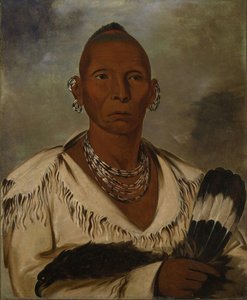
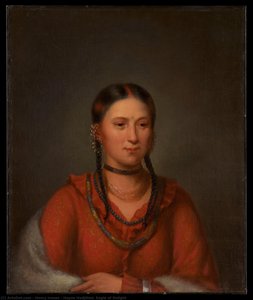
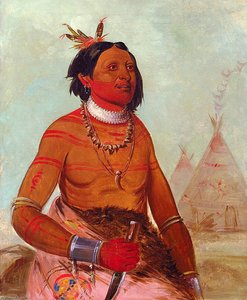
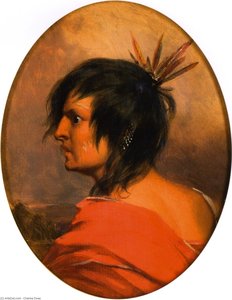
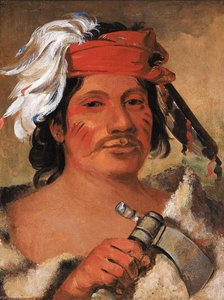
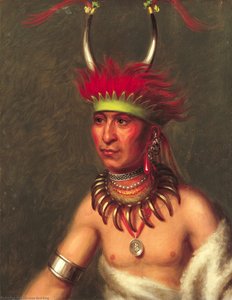
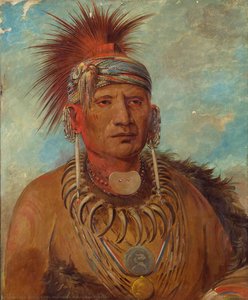
アーティストの略歴
A Legacy of Character and Heritage: The Life of Henry Inman
In the burgeoning landscape of nineteenth-century American art, few figures captured the evolving identity of a young nation as intimately as Henry Inman. Born in 1801 in Utica, New York, to English immigrant parents, Inman was a product of both old-world tradition and new-world ambition. His early years in the settlement of Utica provided a foundation of industriousness, but it was his move to the vibrant, growing metropolis of New York City in 1812 that truly ignited his artistic destiny. Under the mentorship of established masters such as John Wesley Jarvis and John Quidor, Inman refined a technical precision that would become his hallmark, learning to navigate the delicate balance between realistic representation and the soulful expression required for high-society portraiture.
Inman’s artistic journey was never confined to a single genre; rather, it was a multifaceted exploration of the American experience. While he possessed a remarkable talent for capturing the quiet, everyday moments of life through his genre scenes—notably his evocative depictions of “Rip Van Winkle” and “The News Boy”—his heart belonged to the study of human character. His portraits were more than mere likenesses; they were psychological studies that sought to reveal the inner dignity and intellect of his subjects. Through a meticulous application of light and shadow, he breathed life into the faces of the era's most influential figures, creating a visual record of leadership and intellect that remains vital to our understanding of American history.
The Documentation of a Vanishing World
Perhaps the most profound chapter of Inman’s career lies in his monumental contribution to the preservation of Native American heritage. Collaborating with the celebrated lithographer Thomas L. McKenney, Inman undertook the Herculean task of producing "The History of the Indian Tribes of North America." This endeavor required him to meticulously copy over one hundred oil paintings originally executed by Charles Bird King. This was not merely a technical exercise in reproduction; it was an act of historical preservation. Through his diligent work, Inman helped ensure that the likenesses and cultural dignity of Native American leaders were etched into the permanent annals of American art history.
This period of his life demonstrated a deep-seated empathy and an alignment with the intellectual currents of his time, which sought to document the complexities of a changing continent. His ability to translate the grandeur of these original works into a format accessible to a wider audience cemented his reputation as an artist of significant social and historical responsibility. In doing so, he bridged the gap between fine art and ethnographic record, making him a pivotal figure in the early American movement toward cultural documentation.
Artistic Mastery and Historical Significance
The breadth of Inman’s portraiture serves as a Who's Who of nineteenth-century American prominence. His canvases featured an extraordinary array of notable figures, including:
- Political Titans: Such as Martin Van Buren, William H. Seward, and DeWitt Clinton.
- Legal Luminaries: Including Chief Justices Marshall and Nelson.
- Intellectuals and Explorers: Most notably the naturalist John James Audubon and the writer Fitz-Greene Halleck.
Beyond his individual canvases, Inman’s influence extended to the very institutions that shaped American art. His role in the founding of the National Academy of Design underscores his commitment to establishing a formal structure for artistic excellence in the United States. Though his life was tragically short, ending in 1846, the impact of his work remains indelible. He left behind a legacy defined by a rare combination of technical virtuosity and a profound respect for the subjects he portrayed, ensuring that the faces of the past continue to speak to the generations of the present.
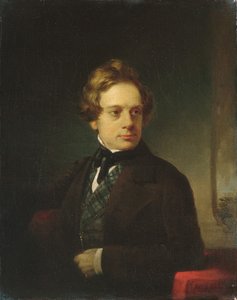
Henry Inman
1801 - 1846 , United States of America
基本情報
- Artistic Movement Or Style: Hudson River School
- Artists Or Movements Influenced By This Artist: ['Jacob Hart Lazarus']
- Artists Who Influenced This Artist: ['John Wesley Jarvis']
- Date Of Birth: 1801
- Date Of Death: 1846
- Full Name: Henry Inman
- Nationality: American
- Notable Artworks:
- Rydal Falls
- Rip van winkle
- Boyhood of Washington
- Place Of Birth: Utica, United States of America
関連記事
Joseph Henry Sharp: Capturing the Spirit of the Plains – Life, Art & Legacy
Explore the life & art of Joseph Henry Sharp, a founding member of the Taos Society of Artists renowned for his realistic depictions of Native American culture and Western landscapes. Discover his legacy with ArtsDot.
Charles Bird King: Capturing Native American Dignity Through Portraiture & Cultural Exchange
Explore the captivating portraits of Charles Bird King, renowned for his depictions of Native American leaders. Discover the historical context, artistic techniques, and collecting value of these significant 19th-century artworks.
アンリ・マティスの傑作25選:色彩と情熱の軌跡|ArtsDot
アンリ・マティスの傑作25選🎨 色彩と情熱が織りなす世界を旅する。フォーヴィスム代表の巨匠、マティスの絵画の魅力と歴史を紐解きます。ArtsDotで高品質なアートプリントや複製画を見つけ、インテリアに芸術的な輝きを✨ Explore the full collection online
George Catlin: Witnessing & Representing Indigenous Life on the American Frontier
Explore the captivating art of George Catlin, renowned for his vivid portraits & landscapes documenting Native American life on the frontier. Discover a vanishing world through stunning paintings and historical context.
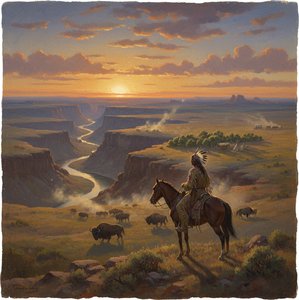
Henry Farny: Romantic Visions of the American West & Indigenous Life
Explore the evocative paintings of Henry Farny, renowned for his romantic realism & depictions of Native American life in the 19th-century West. Discover his legacy and key artworks at ArtsDot.