

 プレビュー
プレビュー
 シェアする
シェアする シェアする
シェアする
 詳細を見る
詳細を見る

 ダウンロード
 似ている作品
 X線調査
X線調査 スライドショー
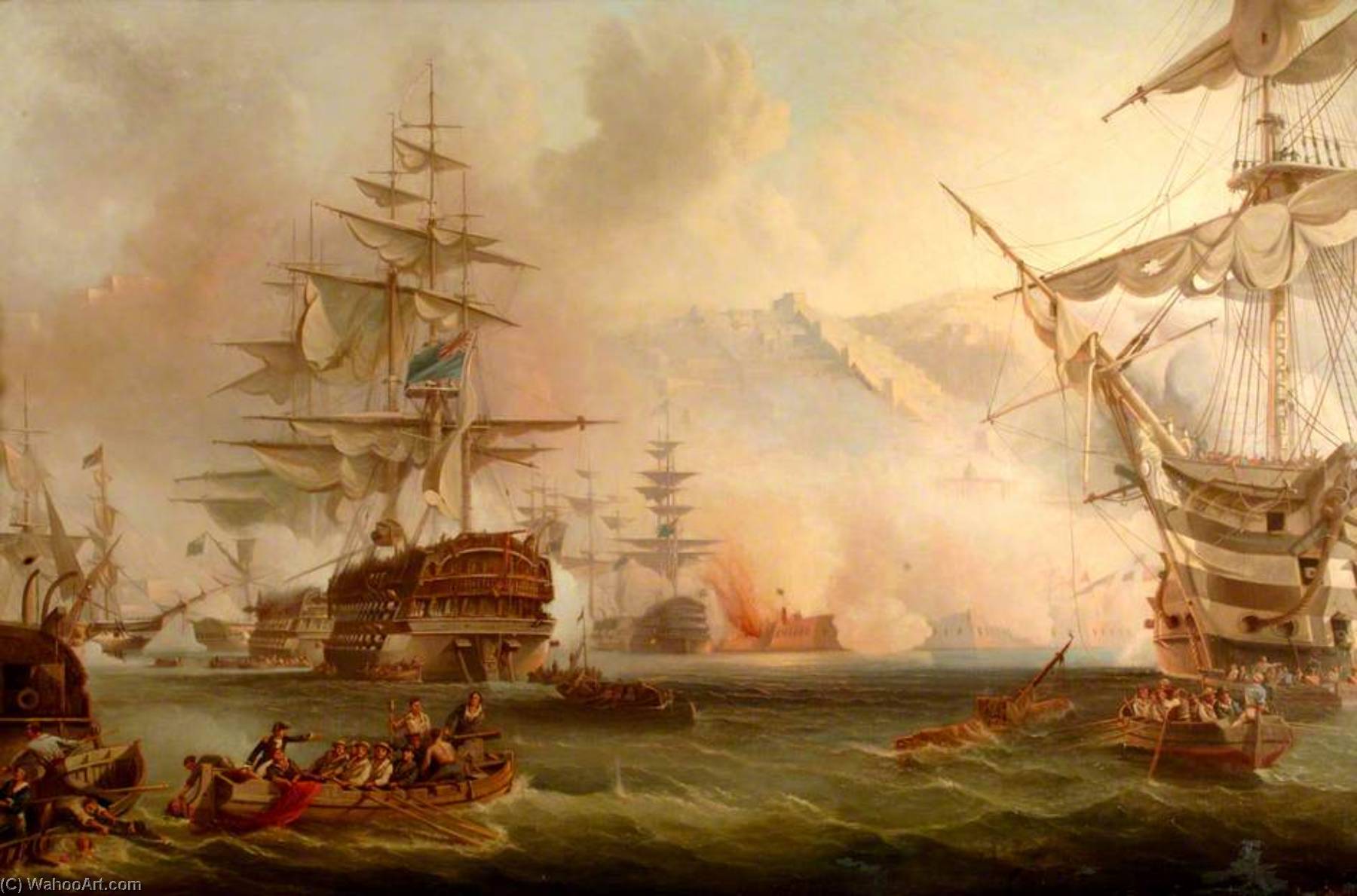
The Bombardment of Algiers, 27 August 1816 (copy after George Chambers I)
 1894
1894 121.0 x 182.0 cm
 Hms Excellent
 詳細を見る
詳細を見る
ジークレー/アートプリント
迅速な制作と多彩な仕上げオプションを備えた、ミュージアムクオリティのジークレーまたはキャンバスプリント。 ( 手描きの絵画を購入 画像を購入)




































作品のオリジナル比率に合わせた、当店の規定サイズからお選びください。

特定のフレームやスペースに合わせて、ご自身でサイズを指定することも可能です。選択されたサイズが元の画像の比率と一致しない場合、作品をトリミングするか、鏡面反射または単色での塗りつぶしによって画像を拡張いたします。制作を開始する前に、ご確認用のデジタルモックアップをお送りいたします。
画面上のプレビューには、実際のトリミングや拡張は反映されませんのでご注意ください。最終的な構図を正確に確認できるのは、モックアップのみとなります。
カスタムサイズも承っておりますが、元の比率を維持するためには、あらかじめ用意されたリストからサイズを選択することをお勧めいたします。


 ガラスオプションは、110cm未満のサイズでのみご利用いただけます。

The Bombardment of Algiers, 27 August 1816 (copy after George Chambers I)
ジークレー/アートプリント
複製画のサイズ
-


合計金額
$ 62
関連作品










アーティストの略歴
The Master of Naval Impressionism: The Life and Legacy of Henry J. Morgan
In the grand tapestry of British maritime art, few threads shimmer with as much atmospheric brilliance as those woven by Henry J. Morgan. Born in London in 1839, Morgan emerged during a transformative era when Britain’s naval supremacy was both a political reality and a profound cultural symbol. While his early years remain somewhat veiled in the mists of history, his artistic trajectory reveals a man deeply enamored with the salt spray and the structural majesty of the sea. His journey began not merely as an observer of ships, but as a student of light and shadow, driven by a lifelong vocation to capture the pulse of the ocean through the lens of Naval Impressionism.
Morgan’s formal education provided the technical bedrock upon which his more fluid, emotive style would later flourish. At the prestigious Slade School of Fine Art, he mastered the rigors of composition and perspective, yet it was his mentorship under luminaries such as George Frederic Watts and William Holman Hunt that truly shaped his artistic soul. From these masters, Morgan inherited a unique duality: the meticulous, almost scientific attention to detail characteristic of the Pre-Raphaelite influence, balanced against an intense desire to evoke emotional resonance. This tension between precision and feeling became the hallmark of his work, allowing him to render the intricate rigging of a warship with absolute clarity while simultaneously capturing the fleeting, ethereal quality of a morning mist over Portsmouth harbor.
A Symphony of Ships and Sea
The oeuvre of Henry J. Morgan is a profound exploration of maritime power and the romanticism of naval life. His canvases serve as historical windows into the Victorian and Edwardian eras, documenting the transition from majestic sailing vessels to the formidable steel-clad warships of a new age. Unlike many of his contemporaries who sought to produce mere photographic records of naval engagements, Morgan sought the spirit of the sea. He utilized loose, impressionistic brushstrokes and a subtle, nuanced palette to convey the movement of turbulent waters and the shifting moods of the sky.
His subject matter frequently centered on the iconic vessels that defined British maritime identity. Through his eyes, we witness:
- The Majesty of the Fleet: Notable works such as 'Dreadnought' and 'Victory' at Portsmouth showcase his ability to place legendary ships within a harmonious, atmospheric composition, highlighting their historical weight.
- The Drama of the Elements: In pieces like 'HMS Wanderer' (1887–1891), Morgan captures the raw, untamed energy of warships battling tempestuous seas, using light and shadow to heighten the sense of peril and adventure.
- Serene Naval Life: Beyond the heat of battle, his work often retreats into the quiet dignity of harbor scenes, such as 'HMS Comus' (1899), where the play of light on still water evokes a sense of nostalgic peace.
Historical Significance and Artistic Triumph
The enduring significance of Henry J. Morgan lies in his ability to elevate maritime painting from documentation to high art. By integrating Impressionistic techniques into the traditionally rigid genre of naval art, he bridged the gap between the literal and the lyrical. His work does not simply show us what a ship looked like; it tells us how the sea felt as it surged against the hull. This emotional depth ensured that his paintings remained powerful expressions of historical significance long after the ships themselves had been decommissioned.
As we look back upon his life, which concluded in 1917, we see an artist who successfully captured the twilight of a great maritime era. His legacy is preserved not only in museum collections but in the way he taught us to perceive the sea—not as a static backdrop, but as a living, breathing protagonist in the drama of human history. Through his masterful use of color, light, and motion, Morgan remains a pivotal figure whose work continues to resonate with anyone moved by the timeless allure of the ocean.

henry j morgan
1839 - 1917
基本情報
- Artistic Movement Or Style: Maritime painting
- Date Of Birth: 1839
- Date Of Death: 1917
- Full Name: Henry J. Morgan
- Nationality: British
- Notable Artworks:
- Rover
- 'Dreadnought' and 'Victory' at Portsmouth
- Place Of Birth: England

