

 プレビュー
プレビュー
 プリントを購入
 シェアする
シェアする シェアする
シェアする
 詳細を見る
詳細を見る

 ダウンロード
 似ている作品
 X線調査
X線調査 スライドショー
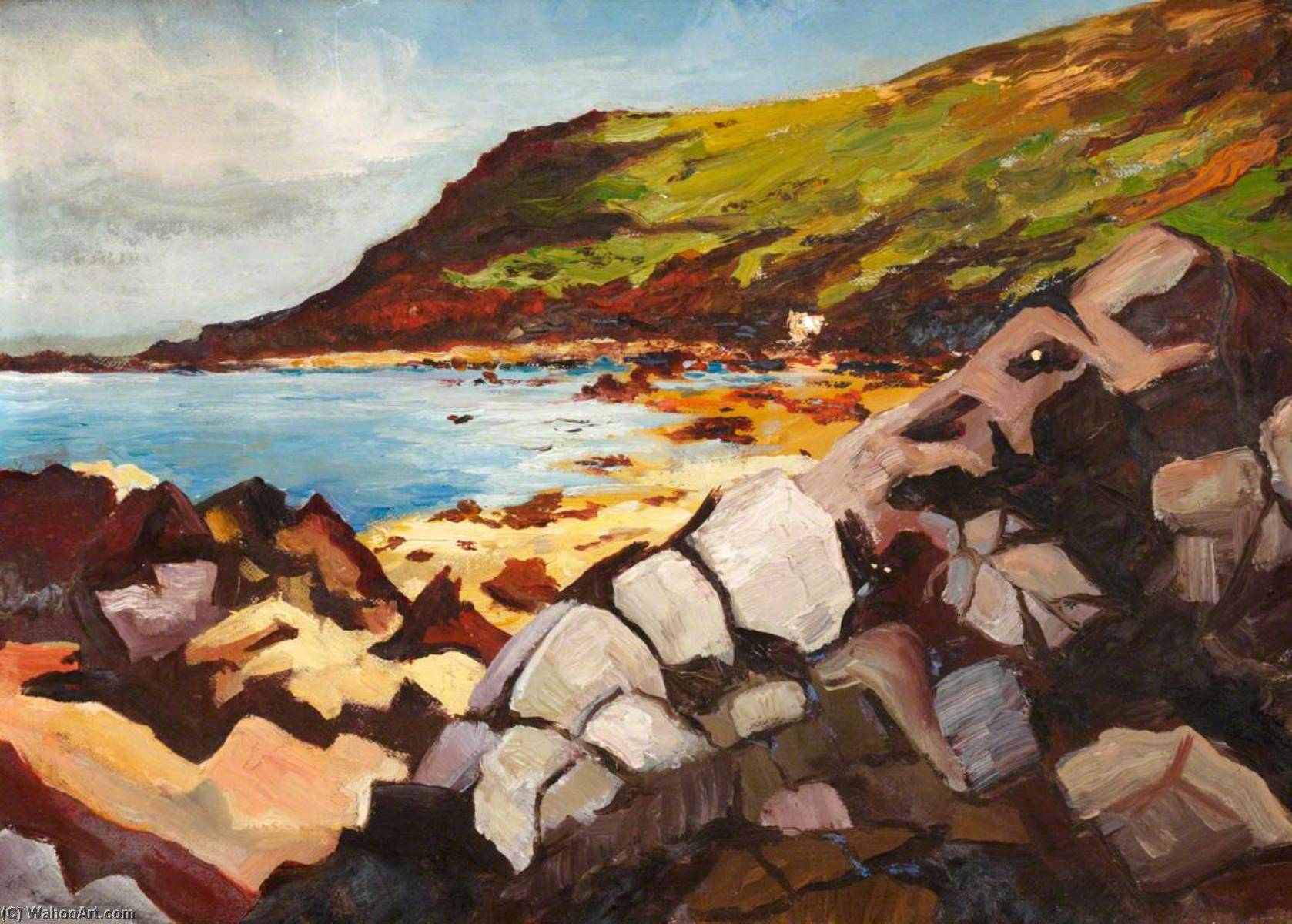
The Little Bay, Brittany
 Impressionism
 1920
1920 26.0 x 36.0 cm
 Royal Academy of Music
 詳細を見る
詳細を見る
オンラインプレビューをはるかに凌ぐ、高解像度で鮮明なデジタル画像をご購入いただけます。
各ファイルは、社内の専門家が高度なツールと熟練した手作業によるレタッチを用いて、細心の注意を払って準備されています。すべての画像において、卓越した鮮明度、正確な色彩再現性、そして繊細なディテールを保証いたします。
最終ファイルは、プロフェッショナルな編集・印刷環境ですぐにご利用いただけるよう最適化された状態で、72時間以内にメールにてお届けいたします。これは、一流のデザインスタジオ、出版社、ギャラリーから信頼されているものと同等の品質です。
デジタル画像のご注文に付随する特典
高品質なデジタル画像配信を、確かな品質で。
ArtsDot.com を選ぶことは、単に画像を手に入れることではありません。それは、プロの手によって精密に仕上げられ、満足保証が付いた高品質なデジタルアートワークを受け取ることを意味します。ご注文いただいた際に自動的に付随する内容は、以下の通りです:

メールですぐにお届け
ご注文から72時間以内に、高解像度のデジタル画像ファイルがメールでお手元に届きます。すぐにそのままご利用いただけます。

AI技術で最適化されたデジタルファイル
お客様の作品は、高度なAIツールと専門家による手作業の編集を組み合わせてプロフェッショナルに最適化されており、細部のディテール、鮮明さ、そして正確な色再現性を最大限に引き出しています。

一生涯無料の再送サービス
ファイルを誤って削除したり、紛失してしまったりしましたか?ご安心ください。いつでも無料で再送いたします。

輸入手数料は一切かかりません
関税や手数料、配送料を気にすることなく、お気に入りのアートワークをすぐにお楽しみいただけます。デジタルダウンロードは常に免税です。

色彩再現の保証
プロ仕様のツールとカラーマネジメント技術を用いることで、デジタル画像が元の色を最大限に忠実に再現することを保証いたします。

60日間満足保証
ご購入いただいたデジタル画像にご満足いただけない場合は、60日以内であれば、修正または100%の返金(理由を問う必要はありません)をさせていただきます。

100% 返金保証
ご満足いただけない場合は、デジタルファイルを受け取ってから60日以内であれば、理由を問わず全額返金いたします。

まとめ買い割引
3枚購入で10%OFF - 5枚購入で15%OFF - 10枚以上購入で20%OFF。クリエイティブなプロジェクト、ギャラリー、エージェンシーに最適です。
関連作品
作家の略歴
Henry Joseph Wood: Bridging the Gap Between Concert Hall and Canvas
Henry Joseph Wood, a name perhaps less familiar to the general public than many of his contemporaries, stands as a pivotal figure in bridging the gap between the burgeoning world of orchestral music and the rise of Impressionist painting. Born in London in 1869, Wood’s life was inextricably linked to both musical innovation and artistic vision, shaping not only the soundscape of British culture but also influencing the aesthetic sensibilities of a generation of artists.
Initially trained as an organist, Wood's early career focused on the sacred music of Bach and Mendelssohn. However, his true passion lay in popularizing orchestral music – a relatively niche pursuit at the time – through innovative concert series. Recognizing that audiences were often intimidated by the formality and perceived complexity of classical performance, he pioneered the “Promenade Concerts” at the Queen’s Hall in 1895. These concerts weren't simply recitals; they were carefully curated experiences designed to introduce a wider range of listeners – from seasoned music lovers to those entirely new to orchestral sound – to the glories of the repertoire. Wood meticulously selected pieces, often incorporating popular tunes and familiar melodies alongside works by composers like Wagner, Brahms, and Dvořák, creating an accessible and engaging listening experience.
Crucially, Wood’s success wasn't solely based on programming; he was a skilled promoter and organizer. He understood the power of visual presentation, collaborating with stage designers to create immersive environments that enhanced the musical performance. This approach mirrored his later artistic pursuits – specifically, his foray into painting. Wood began exhibiting his work in the late 1890s, embracing the tenets of Impressionism, a movement characterized by its focus on capturing fleeting moments and subjective impressions rather than precise representation. His paintings, often depicting coastal scenes, landscapes, and portraits, are imbued with a similar spirit to his musical endeavors – an emphasis on atmosphere, light, and emotion.
The Palette of Light: Wood’s Artistic Style
Wood's artistic style is immediately recognizable for its shimmering surfaces and evocative use of color. He was deeply influenced by the Impressionist masters, particularly Monet and Pissarro, but he developed a distinctive approach rooted in his understanding of light and sound. Like capturing a fleeting musical moment, Wood sought to distill the essence of a scene – not through detailed realism, but through carefully layered brushstrokes and subtle shifts in hue. His paintings are often described as “atmospheric,” conveying a sense of mood and feeling rather than precise visual accuracy.
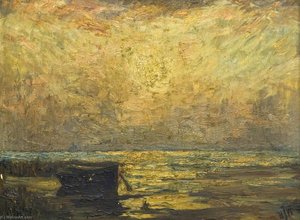
A prime example is "The Sandy Shallows at Parkstone near Bournemouth" (1907), a captivating depiction of the Dorset coastline. The painting isn’t a literal rendering of the beach; instead, it's an exploration of light and shadow, texture and color. Thick impasto – a technique involving applying paint in thick layers – creates a tactile surface that seems to shimmer with reflected sunlight. The colors are muted yet vibrant, evoking the hazy atmosphere of a coastal morning. The composition is deceptively simple, drawing the viewer into the scene’s tranquil beauty.
Musical Legacy and Artistic Connections
Wood's impact on British musical culture is undeniable. He transformed the Promenade Concerts from a niche event into a national institution, establishing them as a cornerstone of orchestral music programming. His championing of contemporary composers like Tchaikovsky – he was instrumental in the premiere of his Sixth Symphony in London – broadened the repertoire available to British audiences and helped to solidify England’s position as a center for musical innovation.
Interestingly, Wood's artistic sensibilities were not entirely isolated from his musical pursuits. He frequently sought inspiration from nature, mirroring the Impressionist painters’ fascination with capturing fleeting moments of beauty. His paintings often reflect the same sense of tranquility and contemplation found in his music. Furthermore, he collaborated with artists like Joseph Henry Sharp, a prominent member of the Taos Society of Artists, exchanging ideas and insights about capturing the essence of their respective subjects – musical sound and visual landscapes.
A Lasting Impression
Henry Joseph Wood died in 1944, leaving behind a legacy that extends far beyond his contributions to orchestral music. His pioneering work in popularizing classical music paved the way for future generations of conductors and music educators. His artistic style, characterized by its atmospheric quality and evocative use of color, continues to resonate with viewers today. Wood’s life serves as a testament to the power of cross-disciplinary inspiration – a reminder that art forms can enrich and inform one another in profound ways.
henry joseph wood
1869 - 1944
プロフィール概要
- Artistic Movement Or Style: Promenade Concerts
- Artists Or Movements Influenced By This Artist: ['British Music History']
- Artists Who Influenced This Artist:
- Richard Strauss
- Debussy
- Date Of Birth: March 3, 1869
- Full Name: Henry Joseph Wood
- Nationality: British
- Notable Artworks:
- The Sandy Shallows
- The Two Sisters
- Place Of Birth: London, England

