

 プレビュー
プレビュー
 プリントを購入
 シェアする
シェアする シェアする
シェアする
 詳細を見る
詳細を見る

 ダウンロード
 似ている作品
 X線調査
X線調査 スライドショー
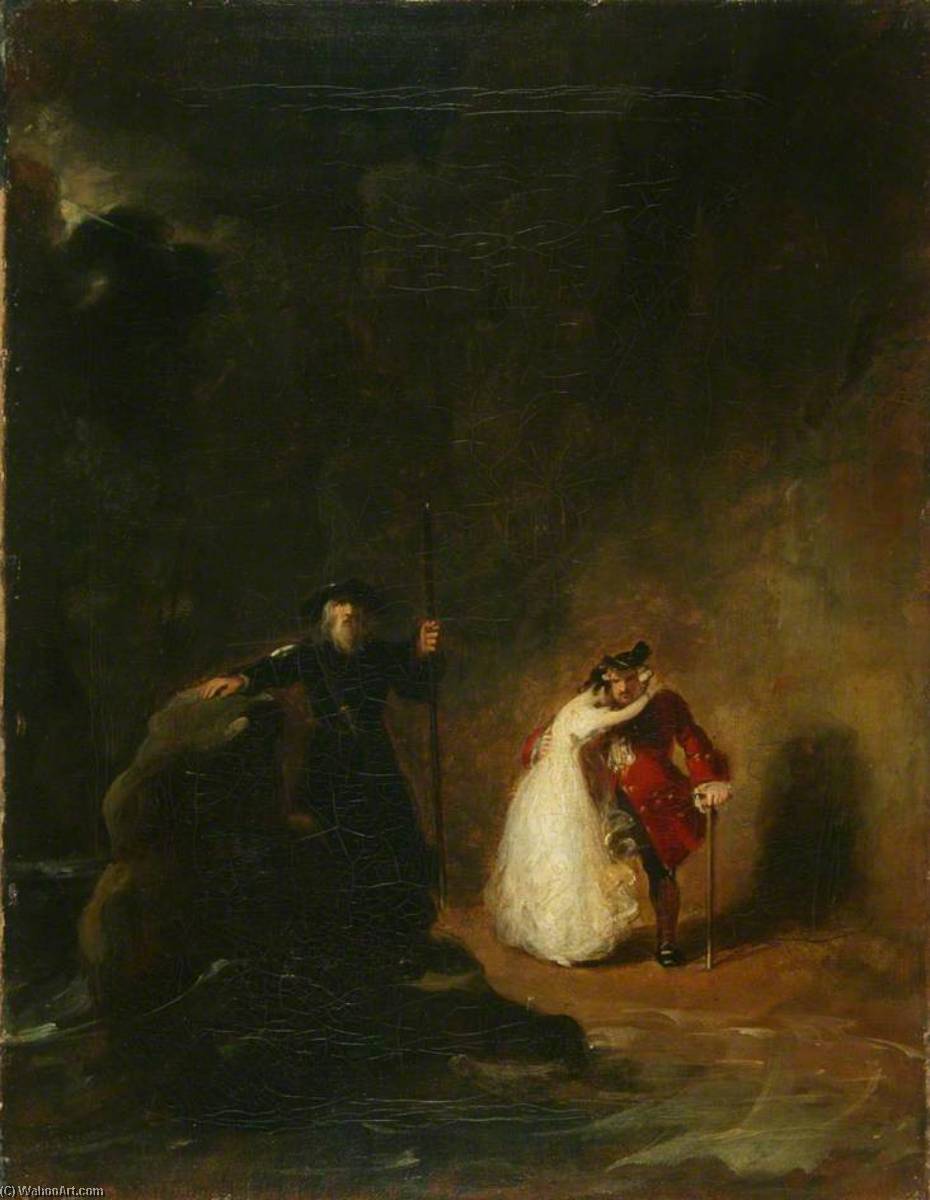
Edie Ochiltree, Sir Arthur Wardour and Isabella Wardour in the Storm An Illustration to Sir Walter Scott's 'The Antiquary'
 Romanticism
 33.0 x 26.0 cm
 ウィットワース
 詳細を見る
詳細を見る




































作品のオリジナル比率に合わせた、当店の規定サイズからお選びください。

特定のフレームやスペースに合わせて、ご希望のサイズをご入力いただけます。選択されたサイズが元の画像の比率と異なる場合、アートワークをトリミングするか、手描きで要素を追加して絵画を拡張いたします。デジタルモックアップ を制作し、制作開始前にご確認(承認)をいただきます。
画面上のプレビューは、実際のトリミングや拡張を正確に反映しているものではありません。最終的な構図は、モックアップによってのみ正確にご確認いただけます。
カスタムサイズもご利用いただけますが、元の比率を維持するためには、あらかじめ用意されたリストからサイズを選択することをお勧めいたします。
ご注文後、ArtsDot.com チームより詳細な指示をお送りするとともに、仕上がりイメージ(モックアップ)をご提供いたします。


 ガラスオプションは、110cm未満のサイズでのみご利用いただけます。

Edie Ochiltree, Sir Arthur Wardour and Isabella Wardour in the Storm An Illustration to Sir Walter Scott's 'The Antiquary'
複製技法
複製画のサイズ
-


合計金額
$ 288
関連作品
アーティストの略歴
A Life Defined by Fragility and Vision
The story of Henry Liverseege is one of profound paradox, where a physically broken body housed an extraordinarily vibrant and imaginative spirit. Born in Manchester in 1802, Liverseege’s early years were shadowed by severe physical infirmities that would ultimately claim his life at the tender age of thirty. He lived with chronic asthma and a spinal deformity known as scoliosis, which left him with a noticeably uneven silhouette. The sheer fragility of his existence was such that, upon his untimely death in 1832, it was revealed that one of his lungs had failed to develop entirely. This physical struggle was compounded by personal tragedy; rejected by his father, Edmund, a local joiner, the young artist was raised by his uncle, John Green, a prosperous cotton mill owner. It was this familial support that provided the stability necessary for Liverseege to transform his internal struggles into a lasting artistic legacy.
Despite the limitations imposed by his constitution—at times weighing as little as seventy pounds—Liverseege possessed an unyielding drive to communicate through visual storytelling. His early creative impulses were not found in the grand halls of academies, but in the humble, tactile world of local commerce and performance. Before he became a master of the literary genre, he found footing in the practical arts, designing inn signs and painting modest portraits for small commissions. These early endeavors, though perhaps viewed by contemporaries as mere trades, served as the foundational training ground where he learned to capture the essence of character and the subtle play of light upon a subject.
The Romantic Soul and Literary Landscapes
As his talent matured, Liverseege’s focus shifted from the literal to the legendary. Around 1826, he began to move away from portraiture toward a more ambitious specialization in genre paintings that drew heavily from the wellspring of literature and folklore. He became a painter deeply embedded in the Romantic movement, finding his greatest inspiration in the sweeping narratives of Sir Walter Scott. The dramatic tension, historical weight, and folkloric richness of Scott’s novels provided the perfect canvas for Liverseege’s meticulous eye for detail and his ability to evoke deep emotion.
His work often functioned as a visual bridge between the written word and the viewer's imagination. He had a remarkable gift for populating his canvases with characters that felt plucked directly from the pages of a classic novel—figures caught in moments of quiet reflection, sudden peril, or intense drama. His technique was characterized by a certain dramatic realism; he did not merely illustrate scenes but sought to imbue them with a sense of lived history and atmospheric depth. Whether depicting Shakespearean figures like Sir John Falstaff or scenes steeped in English folklore, his brushwork aimed to capture the psychological truth of his subjects.
A Legacy Cut Short
The trajectory of Liverseege’s career remains one of the great "what ifs" of nineteenth-century British art. His death in 1832 silenced a voice that was only just beginning to find its full resonance within the Royal Academy and the wider art world. There is a poignant consensus among historians that had he been granted more time, his talent would have undoubtedly secured him a place among the giants of his era. He left behind a body of work that serves as a testament to the triumph of creativity over physical adversity.
Today, Liverseege is remembered not just for the technical skill displayed in his oil paintings and watercolours, but for the evocative power of his storytelling. His contributions to the genre painting tradition remain significant, offering a window into the Romantic sensibilities of the early Victorian period. His life remains a hauntingly beautiful narrative of an artist who, though confined by the limits of his own breath, managed to capture the boundless spirit of human legend.
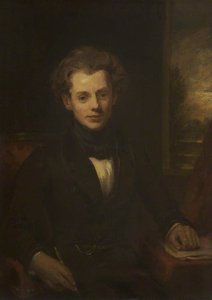
Henry Liverseege
1802 - 1832
基本情報
- Artistic Movement Or Style: Romantic Painting
- Artists Or Movements Influenced By This Artist: ['Walter Scott']
- Date Of Birth: September 4, 1802
- Date Of Death: January 13, 1832
- Full Name: Henry Liverseege
- Nationality: English
- Notable Artworks:
- The Grave Diggers
- Edie Ochiltree, Sir Arthur Wardour and Isabella Wardour in the Storm An Illustration to Sir Walter Scott's 'The Antiquary'
- The Betrothed
- Place Of Birth: Manchester, England
関連記事
Sir Joshua Reynolds' Masterpieces: 25 Portraits of Power & Refinement | ArtsDot
Explore 25 captivating portraits by Sir Joshua Reynolds, a master of British art. Discover stories behind his iconic paintings, elegant style & historical influence. Find museum-quality reproductions and elevate your home decor on ArtsDot.com.
アンリ・マティスの傑作25選:色彩と情熱の軌跡|ArtsDot
アンリ・マティスの傑作25選🎨 色彩と情熱が織りなす世界を旅する。フォーヴィスム代表の巨匠、マティスの絵画の魅力と歴史を紐解きます。ArtsDotで高品質なアートプリントや複製画を見つけ、インテリアに芸術的な輝きを✨ Explore the full collection online

Sir Alfred Munnings' Masterpieces: 25 Paintings That Define Equine Art | ArtsDot
Explore 25 iconic Sir Alfred Munnings paintings! Discover the beauty of British Impressionism, equine art & rural England. Find museum-quality reproductions and elevate your home decor with ArtsDot. Explore the full collection online.
Henry Scott Tuke: Sunlit Masculinity & the Pastoral Ideal in Victorian Painting
Explore the captivating world of Henry Scott Tuke's paintings – a master of British Impressionism renowned for his intimate depictions of youth and sunlit maritime scenes. Discover his legacy & aesthetic influence.
Walter Greaves: A Study in Victorian Realism & the Social Landscape of British Art
Explore the life & work of Walter Greaves, a key Victorian realist painter influenced by Whistler. Discover his London streetscapes, portraits, and enduring legacy. Learn about art appraisal & reproduction options at ArtsDot.

