

 プレビュー
プレビュー
 シェアする
シェアする シェアする
シェアする
 詳細を見る
詳細を見る

 ダウンロード
 似ている作品
 X線調査
X線調査 スライドショー
 Stats
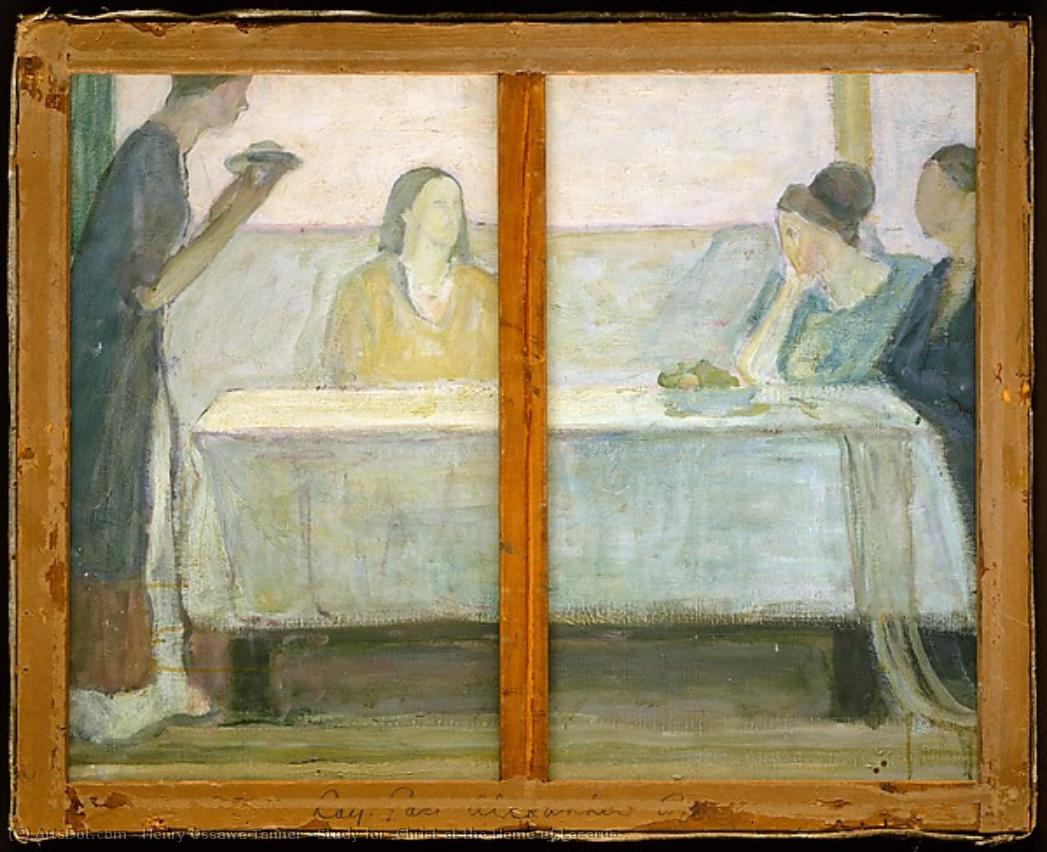
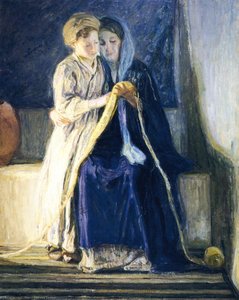
StatsStudy for "Christ at the Home of Lazarus"
 Acrylic On Canvas
- WallArt
- Impressionistic Style
 66.0 x 74.0 cm
 メトロポリタン美術館
 詳細を見る
詳細を見る
手描き油彩複製画
当社のアーティストが、お客様のご希望のサイズと額縁に合わせて、キャンバスに手描きで制作する油彩画です。 ( Switch to Print Switch to Digital Image)




P118B $10

P118H $10

P118W $10

P438Z $10

P508JH $12

P508YH $12

P805H $10

P805Z $10

P919BZ $10

P919G $10

P919XJ $10

P959ZH $10

P968JZ $12

W106C $8

W218G $10

W218JH $8

W218Y $10

W307PJ $10

W316G $10

W316PJ $8

W316Y $10

W398PJ $8

W4111J $10

W500HY $15

W500JH $15

W692G $12

W849H $8

W940BG $15

W953PJ $8




作品のオリジナル比率に合わせた、当店の規定サイズからお選びください。

特定のフレームやスペースに合わせて、ご希望のサイズをご入力いただけます。選択されたサイズが元の画像の比率と異なる場合、アートワークをトリミングするか、手描きで要素を追加して絵画を拡張いたします。デジタルモックアップ を制作し、制作開始前にご確認(承認)をいただきます。
画面上のプレビューは、実際のトリミングや拡張を正確に反映しているものではありません。最終的な構図は、モックアップによってのみ正確にご確認いただけます。
カスタムサイズもご利用いただけますが、元の比率を維持するためには、あらかじめ用意されたリストからサイズを選択することをお勧めいたします。
ご注文後、ArtsDot.com チームより詳細な指示をお送りするとともに、仕上がりイメージ(モックアップ)をご提供いたします。


 ガラスオプションは、110cm未満のサイズでのみご利用いただけます。

Study for "Christ at the Home of Lazarus"
複製技法
複製画のサイズ
-


合計金額
$ 263
Study for “Christ at the Home of Lazarus” – A Window Into Tanner’s Soul
Henry Ossawa Tanner's "Study for ‘Christ at the Home of Lazarus’” transcends mere visual representation; it embodies a profound meditation on faith, domesticity, and the complexities of portraying biblical narratives within the context of late nineteenth-century America. Executed in an impressionistic style—a deliberate departure from academic conventions—the painting captures not just the scene itself but also the artist’s inner landscape, offering viewers a glimpse into his artistic process and spiritual convictions. This essay delves into the artwork's stylistic choices, historical significance, and enduring emotional resonance.Stylistic Impressionism: Embracing Light and Atmosphere
Tanner skillfully employs loose brushstrokes and muted color palettes characteristic of impressionism to convey the essence of Lazarus’s home—a space bathed in soft, diffused light emanating from a window on the left side. Unlike the meticulous detail favored by earlier artistic movements, Tanner prioritizes capturing the atmosphere and emotional tenor of the moment rather than achieving photographic accuracy. The artist's technique is evident in the textured surface of the canvas, where brushstrokes blend seamlessly to create an illusion of depth and luminosity—a hallmark of impressionistic painting. This stylistic decision reflects Tanner’s desire to move beyond literal depiction and engage with the spiritual significance of the biblical story.Historical Context: Challenging Societal Norms Through Religious Imagery
Painted around 1899, “Study for ‘Christ at the Home of Lazarus’” emerged during a period marked by significant social upheaval—the burgeoning African American artistic movement sought to assert its presence within the mainstream art world and grapple with issues of racial identity. Tanner’s decision to depict Martha and Mary's home in Bethany—a space traditionally associated with female domesticity—was itself a subversive gesture, questioning prevailing societal norms that privileged white masculinity and relegated women to subordinate roles. The painting subtly critiques these biases by presenting a scene where women actively participate in the narrative of Christ’s compassion and healing.Symbolism: Light, Shadow, and the Representation of Divine Presence
The artwork's color scheme—dominated by warm hues—suggests an interior setting illuminated by natural light, symbolizing divine grace and spiritual enlightenment. However, Tanner employs contrasting shades of gray and brown to depict shadows within the home, representing mortality and the limitations of human understanding. The artist’s deliberate use of shadow underscores the biblical narrative's exploration of faith amidst suffering and highlights Christ’s compassion for those marginalized by society. Furthermore, the absence of Lazarus from the composition—a conscious artistic choice—represents a symbolic erasure of earthly concerns and an emphasis on spiritual contemplation.Emotional Resonance: A Moment of Quiet Contemplation
“Study for ‘Christ at the Home of Lazarus’” possesses a remarkable ability to evoke feelings of serenity and intimacy—capturing a fleeting moment of domestic tranquility infused with religious devotion. The artist’s meticulous attention to detail—particularly in rendering the textures of fabric and the subtle nuances of facial expressions—contributes to the painting's emotional impact, inviting viewers to immerse themselves in the scene’s contemplative atmosphere. Ultimately, Tanner’s masterpiece serves as a testament to the transformative power of art—demonstrating how visual imagery can convey profound spiritual truths and resonate deeply within the human psyche.Further Exploration: Examining Influences and Legacy
Inspired by El Greco's elongated figure style, Tanner’s artistic vision reflects a broader engagement with European avant-garde movements while simultaneously grounding his work in Christian faith and African American heritage. The painting’s inclusion in the 1921 Paris Salon cemented Tanner’s reputation as a pioneer of modern art—establishing him as one of the first Black artists to achieve international acclaim. Today, “Study for ‘Christ at the Home of Lazarus’” continues to inspire scholars and collectors alike—serving as a poignant reminder of Tanner's enduring contribution to American art history and his unwavering commitment to portraying biblical narratives with sensitivity and artistic innovation.関連作品
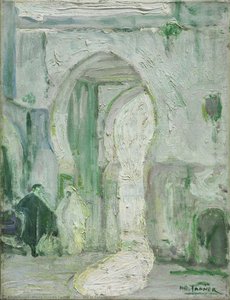
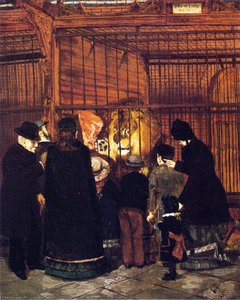
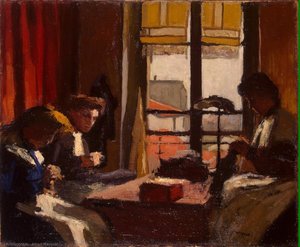
アーティストの略歴
生涯の輝き:ヘンリー・オッサワ・タンナーの軌跡
1859年、ペンシルベニア州ピッツバーグに生まれたヘンリー・オッサワ・タンナーは、信仰と活動主義を深く根ざした家庭で育ちました。彼の父、ベンジャミン・タッカー・タンナー牧師は、アフリカメソジスト聖公会内で著名な人物であり、母のサラ・エリザベス・タンナーは、アンダーグラウンド・レイルロードを通じて奴隷制度から逃れた人々の物語を胸に秘めていました。この家系は、若いヘンリーに深いアイデンティティと目的意識を与え、それが彼の芸術的ビジョンに浸透していきました。幼い頃から絵画への強い関心を示し、地元の画家たちからの指導を受け、当時のアフリカ系アメリカ人アーティストが直面する社会的な障壁にもかかわらず、その才能を育みました。家族のフィラデルフィアへの移住は転換点となり、活気ある文化環境に触れさせ、1879年にペンシルベニア美術アカデミーでの正式な訓練への道を開きました。そこで、リアリズムと解剖学的研究を提唱する革新的な人物であるトーマス・エイキンズの指導を受け、技術を磨き上げ、キャンバス上で真実を描く揺るぎない決意を固めました。しかし、アカデミーの壁の中でも人種差別は存在し続け、彼が乗り越えなければならない課題を常に意識させられました。パリでの覚醒:声を見つけ、認められる
1891年、タンナーはローマへの留学を目的としてパリへ出発しました。しかし、フランスの首都の魅力に抗えず、アカデミー・ジュリアンに入学し、活気ある芸術コミュニティに没頭し、フランスのアカデミック美術や新興印象派の影響を受けました。パリでこそタンナーは真の声を見つけ、本国での人種差別の制約から解放されました。彼の作品はヨーロッパの観客に共鳴し、独特なリアリズムと精神的な深みが特徴となりました。1896年のサロンへの『ライオンの檻の中のダニエル』の選出は画期的な瞬間であり、彼の才能を認めるとともに、アフリカ系アメリカ人アーティストにとって国際舞台でのブレイクスルーとなりました。この成功により、さらなる展示会や依頼が舞い込み、タンナーはパリの芸術界で尊敬される人物としての地位を確立しました。彼は単に生き残っているだけでなく、期待を裏切り、次世代への道を切り開いていました。信仰と人類のテーマ:独自の芸術的ビジョン
タンナーの作品の特徴は、リアリズム、宗教的な象徴主義、そして親密な人間体験の魅力的な相互作用です。1893年の『バジョー・レッスン』のような初期作品は、当時の一般的な風刺とは対照的に、アフリカ系アメリカ人の生活を尊厳をもって表現しました。しかし、彼は徐々に聖書の物語に目を向け、信仰、苦しみ、救済という普遍的なテーマを探求する手段として活用しました。『水の上を歩くキリスト』、『ラザロの復活』、『善き羊飼い』などの絵画は単なる聖書の描写ではなく、光、構成、感情的なニュアンスを巧みに操り描かれた、精神性への深い考察です。彼はしばしば宗教的な場面に静かな瞑想の感覚を込め、遠ざかった神格ではなく、深く人間味あふれるキリストを描きました。このアプローチは、変化の激しい世界で慰めと意味を求める観客に共鳴しました。聖書の主題を超えて、タンナーはまた、風景やパノラマビューも探求し、『ベルサイユ宮殿と庭園の全景』のような壮大な作品を通して、その多才さと技術的な熟練度を示しました。遺産と永続的な影響:障壁を打ち破り、世代にインスピレーションを与える
ヘンリー・オッサワ・タンナーは、彼の芸術的功績だけでなく、人種の障壁を打ち破る先駆者としての役割においても、アメリカ美術史において記念碑的な人物として名を残しています。彼は国際的に広く認められた最初の黒人画家であり、固定観念に挑戦し、後続の無数のアーティストへの道を切り開きました。彼の成功は期待を裏切り、才能には色がないことを証明しました。タンナーの影響力は芸術界を超え、アフリカ系アメリカ人コミュニティにとって希望と回復力の象徴となりました。1923年にはフランス政府からレジオン・ドヌール勲章を受章し、1927年には国立デザインアカデミーの正会員に選出され、彼の芸術的地位をさらに確固たるものにしました。キャリアの多くを亡命生活を送ったタンナーでしたが、決してルーツを忘れず、常に平等と変化のために声を上げ続けました。彼は1937年にパリで逝去し、今日まで私たちを照らし、力を与え続ける遺産を残しました。彼の作品は、芸術の変革力と、永続する人間の精神を力強く思い出させてくれます。注目すべき作品
- バジョー・レッスン (1893): アフリカ系アメリカ人の生活を痛切に描き、尊厳と才能を示しています。
- ライオンの檻の中のダニエル (1896): タンナーを国際的な名声へと押し上げた絵画。
- ラザロの復活 (1897): 劇的な照明で称賛され、信仰と救済を探求した傑作。
- 受胎告知 (1898): 静かな瞑想に満ちたユニークな解釈。
- 水の上を歩くキリスト (c. 1910): キリスト教の聖書の重要な瞬間を描いた力強く感動的な絵画。
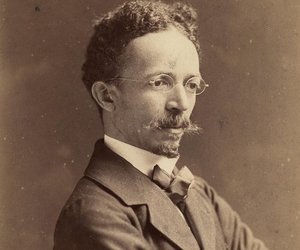
ヘンリー・オッサワ・タンナー
1859 - 1937 , アメリカ合衆国
基本情報
- Artistic Movement Or Style: 写実主義、象徴主義
- Artists Or Movements Influenced By This Artist: ['アフリカ系アメリカ人アーティスト']
- Artists Who Influenced This Artist: ['トーマス・エイキンズ']
- Date Of Birth: 1859年6月21日
- Date Of Death: 1937年5月25日
- Full Name: ヘンリー・オッサワ・タンナー
- Nationality: アメリカ人
- Notable Artworks:
- バンジョー・レッスン
- ライオンの檻の中のダニエル
- 水上を歩くキリスト
- Place Of Birth (City And Country): ペンシルベニア州ピッツバーグ
関連記事

Impressionism's Masterpieces: 10 Paintings That Defined a Movement | ArtsDot
Journey through Impressionism's heart with 10 iconic paintings by Monet, Renoir & Degas. Explore light, color & the stories behind these masterpieces. Find museum-quality art reproductions and elevate your home decor on ArtsDot.com.
アンリ・マティスの傑作25選:色彩と情熱の軌跡|ArtsDot
アンリ・マティスの傑作25選🎨 色彩と情熱が織りなす世界を旅する。フォーヴィスム代表の巨匠、マティスの絵画の魅力と歴史を紐解きます。ArtsDotで高品質なアートプリントや複製画を見つけ、インテリアに芸術的な輝きを✨ Explore the full collection online

Henry Ossawa Tanner: Pioneering African American Representation in 19th-Century Art
Explore the life and groundbreaking work of Henry Ossawa Tanner, a pioneering African American artist who achieved international acclaim with his deeply spiritual and realistic paintings. Discover his legacy at ArtsDot.

ポール・セザンヌ:至高の25選 - 傑作と革新の軌跡 | ArtsDot
ポール・セザンヌの至高の25選。ポスト印象派を代表する画家、セザンヌの傑作と革新的な技法を紐解きます。ArtsDotで高品質な複製画やインテリアアートを見つけ、芸術の世界をご自宅に。今すぐコレクションをご覧ください。

Henry Marvell Carr: A Study in American Impressionism's Evolving Landscape of Light and Form
Explore the captivating work of Henry Marvell Carr, a pivotal figure in American Impressionism. Discover his evocative realism, war art, and cultural depictions – a journey through light, form, and legacy.