 プレビュー
プレビュー
 プリントを購入
 シェアする
シェアする シェアする
シェアする
 詳細を見る
詳細を見る

 ダウンロード
 似ている作品
 X線調査
X線調査 スライドショー
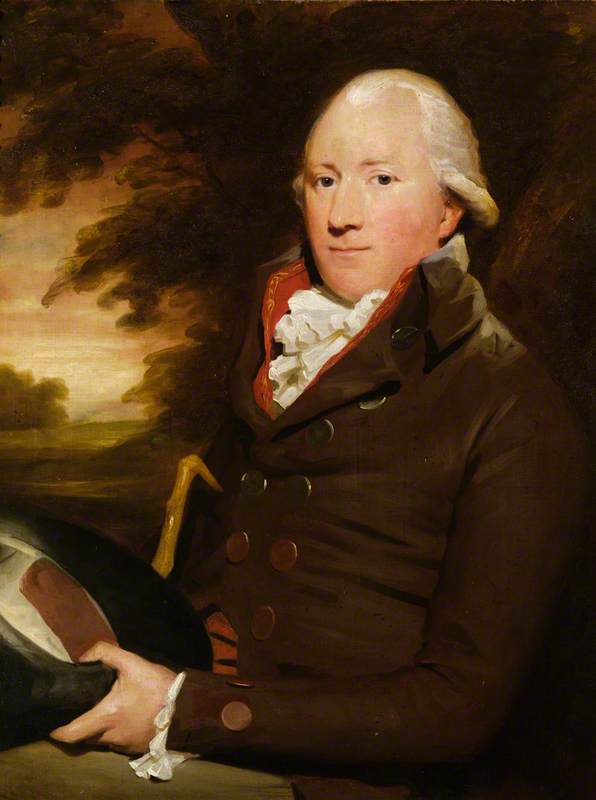
Charles Gordon of Buthlaw, Lonmay and Cairness (1747–1797)
 Oil On Canvas
- WallArt
- Scottish Romantic Realism
 1790
1790- 19th Century
 87.0 x 67.0 cm
 The National Trust For Scotland
 詳細を見る
詳細を見る




P118B $10

P118H $10

P118W $10

P438Z $10

P508JH $12

P508YH $12

P805H $10

P805Z $10

P919BZ $10

P919G $10

P919XJ $10

P959ZH $10

P968JZ $12

W106C $8

W218G $10

W218JH $8

W218Y $10

W307PJ $10

W316G $10

W316PJ $8

W316Y $10

W398PJ $8

W4111J $10

W500HY $15

W500JH $15

W692G $12

W849H $8

W940BG $15

W953PJ $8




作品のオリジナル比率に合わせた、当店の規定サイズからお選びください。

特定のフレームやスペースに合わせて、ご希望のサイズをご入力いただけます。選択されたサイズが元の画像の比率と異なる場合、アートワークをトリミングするか、手描きで要素を追加して絵画を拡張いたします。デジタルモックアップ を制作し、制作開始前にご確認(承認)をいただきます。
画面上のプレビューは、実際のトリミングや拡張を正確に反映しているものではありません。最終的な構図は、モックアップによってのみ正確にご確認いただけます。
カスタムサイズもご利用いただけますが、元の比率を維持するためには、あらかじめ用意されたリストからサイズを選択することをお勧めいたします。
ご注文後、ArtsDot.com チームより詳細な指示をお送りするとともに、仕上がりイメージ(モックアップ)をご提供いたします。


 ガラスオプションは、110cm未満のサイズでのみご利用いただけます。

Charles Gordon of Buthlaw, Lonmay and Cairness (1747–1797)
複製技法
複製画のサイズ
-


合計金額
$ 263
作品解説
Charles Gordon of Buthlaw, Lonmay and Cairness (1747–1797): A Portrait Embodied in Light and Shadow
Henry Raeburn’s depiction of Charles Gordon stands as a cornerstone of Scottish portraiture during the late Georgian era—a testament to both artistic skill and the burgeoning fascination with capturing the essence of an individual within a meticulously crafted visual narrative. Completed in 1790, this oil on canvas masterpiece resides at Fyvie Castle, showcasing not merely likeness but a profound exploration of character and status through masterful use of chiaroscuro and subtle compositional choices.- Subject Matter: The portrait portrays Charles Gordon, a prominent landowner and figure in Aberdeenshire society, embodying the ideals of aristocratic virtue and responsibility. His dignified posture conveys confidence and composure, reflecting the expectations placed upon men of his position during this period.
- Style & Technique: Raeburn’s approach aligns squarely with the tenets of Neoclassical realism—a stylistic movement prioritizing accuracy and detail while adhering to classical principles of proportion and balance. The artist skillfully employs chiaroscuro, manipulating light and shadow to sculpt Gordon's form and imbue the scene with depth and atmosphere. This technique elevates the portrait beyond a simple likeness, transforming it into an embodiment of psychological complexity.
- Historical Context: Painted during a time of significant social and political upheaval—the Napoleonic Wars reshaping Europe—Gordon’s portrait speaks to broader themes of power, lineage, and national identity. Raeburn's work reflects the aristocratic patronage system prevalent in Britain at the time, highlighting the importance of commissioning art for prestige and commemorating influential figures.
- Symbolism: The inclusion of Gordon’s hat—a symbol of authority and social standing—further reinforces the portrait’s message about status and tradition. Similarly, the backdrop of trees contributes to a sense of grandeur and permanence, mirroring Gordon's enduring legacy as a landowner and member of Scottish aristocracy.
- Emotional Impact: Beyond its formal qualities, Raeburn’s painting succeeds in conveying a palpable sense of dignity and introspection. The gaze of Gordon—direct yet contemplative— invites the viewer to engage with his inner life, fostering an appreciation for the artist's ability to capture not just appearance but also spirit.
Detailed Examination of Composition and Light
Raeburn’s compositional strategy is deceptively simple: Gordon occupies a central position within a rectangular frame, flanked by a dark background that dramatically enhances the luminosity of his figure. This masterful use of chiaroscuro—the interplay between light and shadow—creates an illusionistic depth that draws the eye inward, emphasizing Gordon's musculature and conveying a sense of solidity and presence. The artist’s meticulous attention to detail—evident in the rendering of Gordon’s clothing and facial features—underscores his commitment to realism and elevates the portrait beyond mere representation.Raeburn’s Legacy: A Pioneer of Scottish Portraiture
Henry Raeburn's contribution to British art history is undeniable, establishing him as the first native Scottish painter to achieve widespread acclaim and securing royal patronage. His unwavering dedication to capturing human form with unparalleled accuracy—a hallmark of Neoclassical realism—continues to inspire artists today. The enduring fascination with Gordon’s portrait speaks to Raeburn's profound understanding of his subject’s character and status, cementing his place as a master of psychological portraiture and a pivotal figure in shaping the visual culture of the Georgian era.関連作品
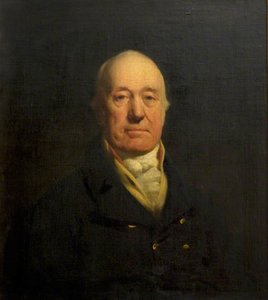
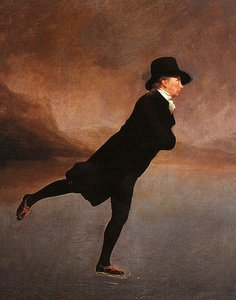
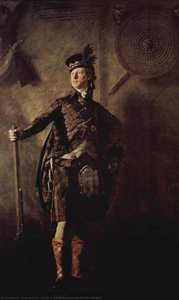
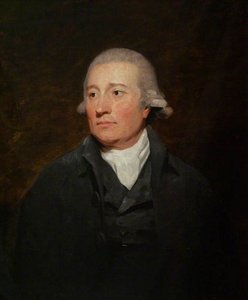
アーティストの略歴
スコットランドのリアリズムを極めた画家、サー・ヘンリー・レーバーンの生涯と芸術
1756年、スコットランド啓蒙主義が花開く頃に生まれたサー・ヘンリー・レーバーンは、イギリス肖像画の世界において重要な人物となりました。彼の物語は、質素な出自から名声と王室の庇護を得るまでの自己鍛錬の記録です。幼少期に孤児となったレーバーンは、兄ウィリアムの支援を受け、エディンバラのヘリオット病院で教育を受けました。この基盤は非常に重要でしたが、彼の初期の道は直接キャンバスと筆に向かうものではなく、ジェームズ・ギランドの下での金細工の精密な技術へと進みました。複雑なディテールと洗練されたスキルに満ちた世界の中で、レーバーンは後に彼の芸術的スタイルを特徴づけるであろう正確さを磨きました。彼は象牙にミニチュア肖像画を描き始め、驚くべき精度で似姿をとらえる天賦の才を示しました。しかし、すぐに大規模な油絵への魅力が彼を誘い、彼は大胆にもこのより要求の厳しい媒体を独学で習得することに取り組みました。ミニチュアの精密さから壮大な肖像画へ
レーバーンの芸術的進化は、揺るぎないスキル追求によって特徴づけられました。彼はエディンバラの主要な肖像画家であるデイビッド・マーティンから知識を吸収しましたが、主に自身の献身と観察力に頼っていました。彼の初期作品には才能が芽生えていることがわかりますが、一貫した練習と鋭い目を通して、彼は徐々に他の画家とは異なる存在感を示し始めました。転換期は1778年のアン・エドガーという裕福な未亡人との結婚でした。この結婚により経済的な安定が得られ、レーバーンは商業的な制約なしに絵画に専念できるようになりました。彼はジョシュア・レイノルズのような巨匠の作品を研究することに没頭し、イタリアへの旅の途中にロンドンでレイノルズと短い交流を持ちました—ただし、そのイタリア旅行自体は最終的に中止されました。レーバーンのスタイルは、劇的な照明と被写体の内面的な性格をとらえる能力によって特徴づけられる強力なリアリズムへと凝縮され始めました。彼は当時一般的だったよりソフトで理想化された表現から離れ、スコットランドの感性に響く直接性と誠実さを選びました。キャラクターを捉える:レーバーンの芸術的署名
レーバーンの肖像画は単なる個人の描写ではありません。それらは油絵で描かれた心理的な研究です。彼は被写体の個性、地位、さらには気分さえも伝える並外れた能力を持っていました。彼の技術は卓越していました—綿密な観察、自信に満ちた筆致、そして光と影の洗練された理解の組み合わせです。たとえば、「若いポロ選手」は単なるスポーツをする紳士の描写ではありません。それは若々しい活力と貴族的な余暇のスナップショットなのです。同様に、スコットランドのアート界で著名な人物であるアレクサンダー・アランの肖像画は、知性と洗練された人物を明らかにしています。レーバーンが使用したキアロスクーロ—光と闇の劇的なコントラスト—は彼のスタイルの特徴となり、構成に深みと強度を与えました。彼はしばしば被写体を暗い背景に配置し、顔や姿が鮮明に浮かび上がるようにしました。この技術は肖像画の視覚的インパクトを高めるだけでなく、個人の性格と存在に焦点を当てる役割も果たしました。認知と遺産:スコットランドのアイコン
キャリアを通じて、レーバーンは大きな成功と評価を得ました。彼はエディンバラ社会の主要なメンバーとなり、著名な家族や個人からの依頼を受けました。1815年、彼はロンドンの王立アカデミーに選出され、全国レベルでの彼の評判を確固たるものにしました。1822年にスコットランド国王ジョージ4世の公式肖像画家—死没直前の1823年—に任命されたことは、彼の芸術的功績に対する究極の評価でした。レーバーンがスコットランドのアートに与えた影響は計り知れません。彼は後世の世代が努力しようとする肖像画の基準を確立し、彼の作品は今日でもアーティストたちにインスピレーションを与え続けています。彼の絵画は現在、エディンバラのスコットランド国立美術館やニューヨークのフリック・コレクションなど、世界中の著名なコレクションに所蔵されています。- リアリズムと心理的な洞察への献身が彼を同時代の人々から際立たせました。
- 彼はイギリスのアートの中に独特のスコットランドのアイデンティティを確立するのに役立ちました。
- 彼の卓越した技術は、アーティストや学者によって研究され、賞賛され続けています。
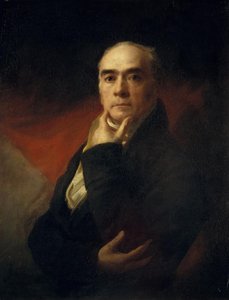
ヘンリー・レーバーン
1756 - 1823 , イギリス
基本情報
- Artistic Movement Or Style: 肖像画、写実主義
- Artists Or Movements Influenced By This Artist: スコットランド美術
- Artists Who Influenced This Artist:
- デイビッド・マーティン
- ジョシュア・レイノルズ
- Date Of Birth: 1756年3月4日
- Date Of Death: 1823年7月8日
- Full Name: ヘンリー・レーバーン
- Nationality: スコットランド人
- Notable Artworks (List Of Titles):
- 若きポロ選手
- アレクサンダー・アラン
- ジョン・ヘイ卿
- Place Of Birth (City And Country): ストックブリッジ, イギリス
関連記事
Sir John Watson Gordon: A Study in Scottish Landscape Painting & Tonal Impressionism
Explore the captivating portraits of Sir John Watson Gordon, a leading Scottish master. Discover his evolution from neoclassical style to atmospheric Tonalism and influence on 19th-century British art. Learn about his iconic sitters & legacy.
Henry Raeburn: A Scottish Portraitist's Mastery of Light, Character & National Identity
Explore the life & work of Henry Raeburn, a master Scottish portraitist. Discover his innovative techniques, captivating portraits of the Enlightenment era, and lasting legacy in art history. Learn more at ArtsDot.
Henry Raeburn Dobson: A Scottish Colourist Bridging Tradition & Modernity
Explore the life & work of Henry Raeburn Dobson, a key figure bridging Scottish tradition & modern art. Discover his neoclassical portraits, landscapes, and connection to the Colourists. Learn about collecting his works.
Charles Martin Hardie: A Pioneer of Colour Woodcut & British Printmaking Revival
Discover Charles Martin Hardie (1858-1916), a pivotal Scottish artist renowned for his evocative portraits and pioneering colour woodcut technique. Explore his life, work, and lasting influence on British printmaking.
George Paul Chalmers: Rediscovering the Angus Rembrandt & Scottish Colourist Roots
Explore the captivating world of George Paul Chalmers (1833-1878), a pivotal Scottish painter. Discover his landscapes, portraits & connection to the Aesthetic Movement and Colourists. Learn about this 'Angus Rembrandt's' legacy with ArtsDot.