

 プレビュー
プレビュー
 シェアする
シェアする シェアする
シェアする
 詳細を見る
詳細を見る

 ダウンロード
 似ている作品
 X線調査
X線調査 スライドショー
 統計情報
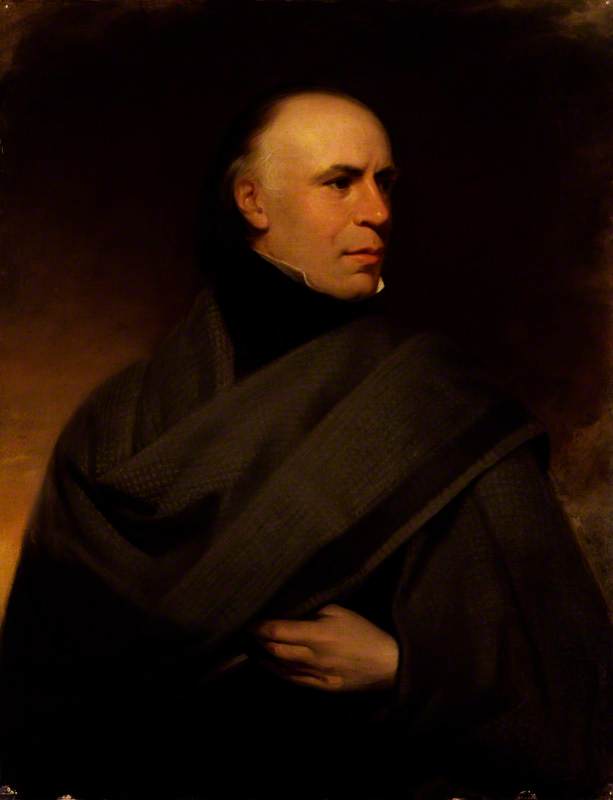
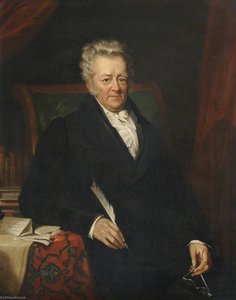
統計情報Allan Cunningham
 1840
1840 91.0 x 71.0 cm
 詳細を見る
詳細を見る
オンラインプレビューをはるかに凌ぐ、高解像度で鮮明なデジタル画像をご購入いただけます。
各ファイルは、社内の専門家が高度なツールと熟練した手作業によるレタッチを用いて、細心の注意を払って準備されています。すべての画像において、卓越した鮮明度、正確な色彩再現性、そして繊細なディテールを保証いたします。
最終ファイルは、プロフェッショナルな編集・印刷環境ですぐにご利用いただけるよう最適化された状態で、72時間以内にメールにてお届けいたします。これは、一流のデザインスタジオ、出版社、ギャラリーから信頼されているものと同等の品質です。
デジタルアート
個人での鑑賞、印刷、クリエイティブなプロジェクト用に、高解像度ファイルをダウンロードできます。 ( プリント版に切り替え 手描きの絵画を購入)
デジタル画像のご注文に付随する特典
高品質なデジタル画像配信を、確かな品質で。
ArtsDot.com を選ぶことは、単に画像を手に入れることではありません。それは、プロの手によって精密に仕上げられ、満足保証が付いた高品質なデジタルアートワークを受け取ることを意味します。ご注文いただいた際に自動的に付随する内容は、以下の通りです:

メールですぐにお届け
ご注文から72時間以内に、高解像度のデジタル画像ファイルがメールでお手元に届きます。すぐにそのままご利用いただけます。

AI技術で最適化されたデジタルファイル
お客様の作品は、高度なAIツールと専門家による手作業の編集を組み合わせてプロフェッショナルに最適化されており、細部のディテール、鮮明さ、そして正確な色再現性を最大限に引き出しています。

一生涯無料の再送サービス
ファイルを誤って削除したり、紛失してしまったりしましたか?ご安心ください。いつでも無料で再送いたします。

輸入手数料は一切かかりません
関税や手数料、配送料を気にすることなく、お気に入りのアートワークをすぐにお楽しみいただけます。デジタルダウンロードは常に免税です。

色彩再現の保証
プロ仕様のツールとカラーマネジメント技術を用いることで、デジタル画像が元の色を最大限に忠実に再現することを保証いたします。

100日間満足保証
ご購入いただいたデジタル画像にご満足いただけない場合は、100日以内であれば、理由を問わず修正または100%の返金対応をさせていただきます。

100% 返金保証
ご満足いただけない場合は、デジタルファイルを受け取ってから100日以内であれば、理由を問わず全額返金いたします。

まとめ買い割引
3枚購入で10%OFF - 5枚購入で15%OFF - 10枚以上購入で20%OFF。クリエイティブなプロジェクト、ギャラリー、エージェンシーに最適です。
関連作品







作家の略歴
The Quiet Observer of Victorian Faith
In the heart of a rapidly industrializing Birmingham, where the soot of progress began to settle upon the cobblestones of England, Henry Room (1802–1850) emerged as a painter of profound spiritual and psychological depth. To look upon a Room portrait is to encounter more than a mere likeness; it is to witness a meticulous documentation of the Victorian soul. Born in Newhall Street to John Room, a skilled japanner, the artist inherited an early appreciation for the fine details of craftsmanship and the subtle luster of decorative arts. This foundation of precision would later define his approach to oil on canvas, where every brushstroke served the higher purpose of capturing the moral character of his subjects.
Room’s artistic journey was deeply intertwined with the evangelical currents that pulsed through 19 and early 19th-century Britain. As a deacon in the church of John Morison, his life was anchored by a dedication to religious philanthropy and the celebration of Christian values. This spiritual devotion found its most potent expression in his portraiture, particularly through his depictions of missionaries, reformers, and academics. He did not merely paint faces; he painted convictions. His work often served as a visual record for the Evangelical Magazine, providing a dignified countenance to those working on the front lines of global religious expansion.
Artistic Evolution and the Spirit of Rebellion
The development of Room’s style was marked by a notable spirit of independence. While he received his formal training at Joseph Barber's Drawing School, honing his skills under classical ideals, he was never content to remain within the confines of tradition. A pivotal moment in his career arrived in 1828 when, alongside Peter Hollins, he broke away from the conservative constraints of the Royal Birmingham Society of Artists. This act of artistic rebellion led to the establishment of the Temple Row Gallery, a space designed to foster experimentation and challenge the stagnant conventions of the era.
During his time in London, sharing a studio in Old Bond Street, Room’s technical mastery began to flourish. His palette remained characteristically restrained, favoring muted tones of earth browns, deep greens, and somber reds. This choice was far from a lack of imagination; rather, it was a deliberate aesthetic strategy to prevent flamboyant color from distracting the viewer from the psychological truth of the sitter. By utilizing subtle gradations of tone and a controlled application of light, he achieved a sense of quiet dignity that became his hallmark. His ability to blend colors with such delicacy allowed him to capture the inner life—the contemplative, often heavy, weight of responsibility carried by the men and women he portrayed.
Legacy and Historical Significance
The historical significance of Henry Room lies in his role as a visual chronicler of a transformative era. His reach extended far beyond the borders of Birmingham, as evidenced by his frequent exhibitions at the Royal Academy from 1826 onwards. Through the medium of engraving, particularly through the work of John Cochran, his portraits reached a much wider audience, embedding the faces of contemporary heroes into the collective memory of the British public. His notable works include:
- Thomas Clarkson: A powerful 1839 portrait of the famed abolitionist, capturing the gravity of his fight against slavery.
- The Medical Series: A collection of portraits executed for Thomas Joseph Pettigrew's Biographical Memoirs, celebrating the intellectual rigor of the scientific community.
- Royal and Diplomatic Encounters: Grand compositions such as the interview of Queen Adelaide with the Madagascar Princes, showcasing his ability to handle complex group dynamics.
Though his life was cut short at the age of forty-eight, Room left behind a legacy that bridges the gap between fine art and historical testimony. He married into the world of portraiture, becoming the brother-in-law of Alfred Thomas Derby, further cementing his place within the artistic fabric of his time. Today, his work remains a vital window into the Victorian era—a period where the pursuit of scientific progress and the fervor of religious reform walked hand in hand, all captured through the steady, observant eye of a man who saw the divine in the details.
henry room
1802 - 1850
プロフィール概要
- Artistic Movement Or Style: Victorian Portraiture
- Artists Or Movements Influenced By This Artist: ['Royal Birmingham Society']
- Artists Who Influenced This Artist: ['Joseph Barber']
- Date Of Death: 1850
- Full Name: Henry Room
- Nationality: English
- Notable Artworks: ['The Interview of Queen Adelaide with the Madagascar Princes']
- Place Of Birth: Birmingham, England