

 プレビュー
プレビュー
 プリントを購入
 シェアする
シェアする シェアする
シェアする
 詳細を見る
詳細を見る

 ダウンロード
 似ている作品
 X線調査
X線調査 スライドショー
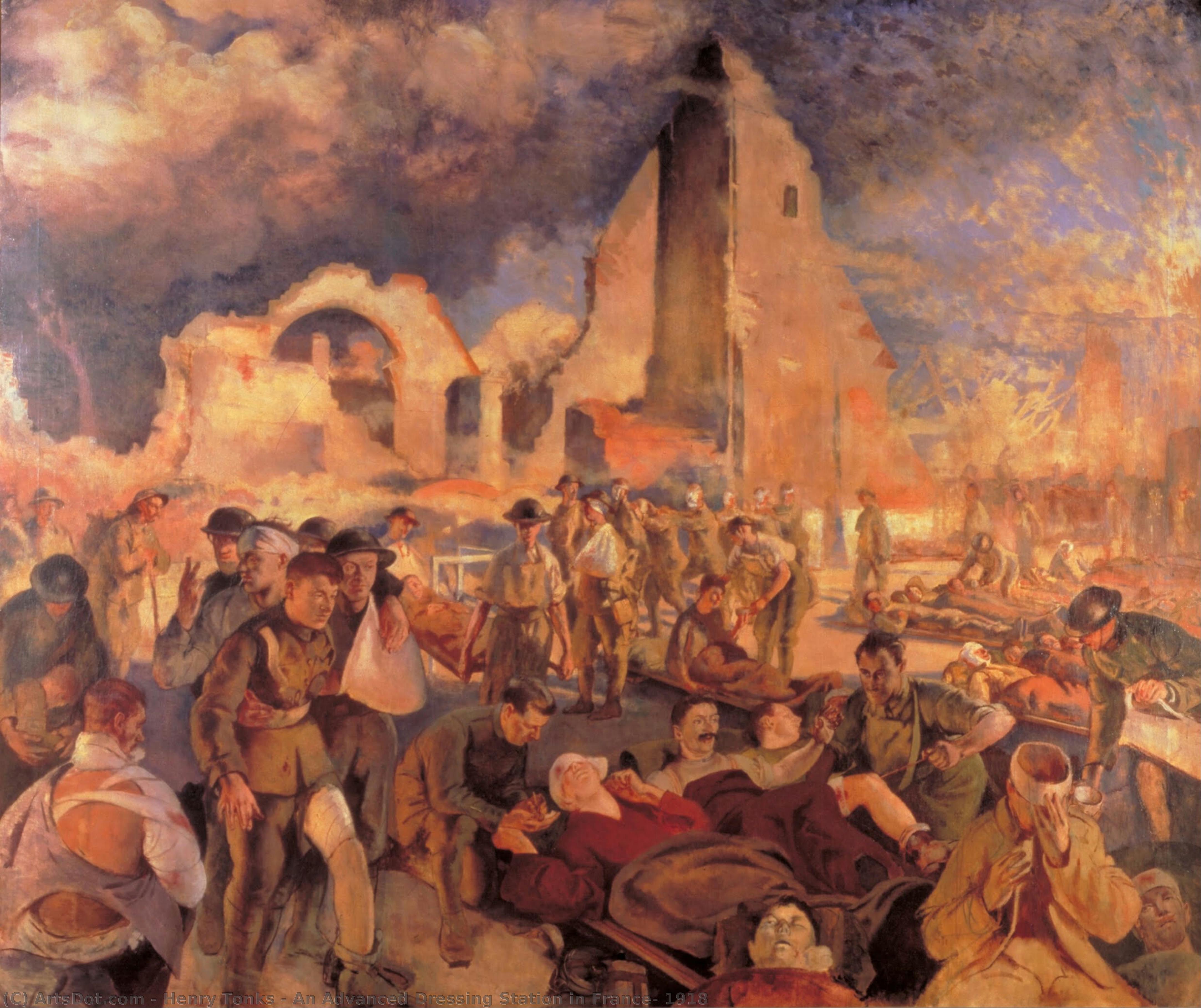
An Advanced Dressing Station in France, 1918
 Acrylic On Canvas
- WallArt
- Realism
 1918
1918 218.0 x 182.0 cm
 Imperial War Museums
 詳細を見る
詳細を見る




P118B $10

P118H $10

P118W $10

P438Z $10

P508JH $12

P508YH $12

P805H $10

P805Z $10

P919BZ $10

P919G $10

P919XJ $10

P959ZH $10

P968JZ $12

W106C $8

W218G $10

W218JH $8

W218Y $10

W307PJ $10

W316G $10

W316PJ $8

W316Y $10

W398PJ $8

W4111J $10

W500HY $15

W500JH $15

W692G $12

W849H $8

W940BG $15

W953PJ $8




作品のオリジナル比率に合わせた、当店の規定サイズからお選びください。

特定のフレームやスペースに合わせて、ご希望のサイズをご入力いただけます。選択されたサイズが元の画像の比率と異なる場合、アートワークをトリミングするか、手描きで要素を追加して絵画を拡張いたします。デジタルモックアップ を制作し、制作開始前にご確認(承認)をいただきます。
画面上のプレビューは、実際のトリミングや拡張を正確に反映しているものではありません。最終的な構図は、モックアップによってのみ正確にご確認いただけます。
カスタムサイズもご利用いただけますが、元の比率を維持するためには、あらかじめ用意されたリストからサイズを選択することをお勧めいたします。
ご注文後、ArtsDot.com チームより詳細な指示をお送りするとともに、仕上がりイメージ(モックアップ)をご提供いたします。


 ガラスオプションは、110cm未満のサイズでのみご利用いただけます。

An Advanced Dressing Station in France, 1918
複製技法
複製画のサイズ
-


合計金額
$ 263
A Chronicle of Wounds and Hope: Henry Tonks’s “An Advanced Dressing Station in France, 1918”
Henry Tonks's "An Advanced Dressing Station in France, 1918" is more than a mere depiction of wartime medicine; it’s a poignant testament to the brutal realities of the First World War and a surprisingly hopeful meditation on human resilience. Commissioned during the height of the conflict for the British War Memorials Committee, this monumental oil painting captures a scene within an advanced field hospital nestled amidst the ravaged landscape of France in 1918. Tonks, a man whose life seamlessly intertwined surgery, art, and military service – he was a surgeon, a draughtsman, and a respected teacher at the Slade School of Art – brought his unique perspective to bear on this challenging subject, resulting in an artwork that is both deeply unsettling and profoundly moving.
Tonks’s background as a medical professional undeniably informs the painting's meticulous detail. He wasn’t simply sketching soldiers; he was rendering the complex processes of treatment with startling accuracy. The scene unfolds within a tent-like structure, its interior crammed with wounded men – some lying prone, others seated or leaning against supports, their faces etched with pain and exhaustion. The artist doesn't shy away from portraying the gruesome realities of war: exposed wounds, bandages meticulously applied, and the palpable sense of suffering are all rendered with unflinching honesty. Yet, amidst this chaos, Tonks masterfully avoids sentimentality, presenting a scene of pragmatic care rather than outright despair.
The Language of Medicine and Observation
Tonks’s artistic style leans heavily towards realism, but it's infused with a subtle impressionistic quality. He employs loose brushstrokes and a muted color palette – predominantly browns, greys, and ochres – to evoke the grim atmosphere of the battlefield. The lighting is diffused, casting long shadows that emphasize the figures’ vulnerability. Crucially, Tonks wasn’t interested in heroic glorification; instead, he focused on detailed observation, meticulously documenting the various injuries and treatments observed within the field hospital. This approach reflects his medical training – a keen eye for detail and an understanding of anatomy are evident throughout the composition.
The arrangement of figures is carefully considered. Tonks groups them in ways that suggest both order and chaos. The orderly rows of wounded men contrast with the disarray of the surroundings, creating a visual tension that mirrors the psychological state of those caught within the war’s grip. Notice how he uses spatial relationships to draw the viewer's eye through the scene – from the immediate foreground, filled with the most visible casualties, to the distant background, where the ravaged landscape stretches into the horizon.
Symbolism and Emotional Resonance
Beyond its documentary value, “An Advanced Dressing Station in France, 1918” is rich in symbolic meaning. The presence of medical personnel – surgeons, nurses, and orderlies – represents a fragile hope amidst the devastation. Their efforts to alleviate suffering speak to humanity’s enduring capacity for compassion and care. The inclusion of various types of dressings and instruments subtly underscores the complexity of medical practice during wartime.
Despite the somber subject matter, there's an underlying current of resilience within the painting. The figures are not passively awaiting death; they are actively engaged in their own survival – receiving treatment, offering comfort to one another, and maintaining a semblance of order amidst the chaos. Tonks’s choice to depict these moments of quiet dignity suggests that even in the darkest hours of war, humanity can find strength and solace in connection and care.
A Legacy Preserved
Following the First World War, the original painting was transferred to the Imperial War Museum, where it continues to resonate with viewers today. Reproductions offer a powerful window into this pivotal moment in history, reminding us of the immense human cost of conflict and the enduring importance of medical care. Tonks’s “An Advanced Dressing Station in France, 1918” stands as a testament not only to his artistic skill but also to his profound understanding of the human condition – a poignant reminder of both suffering and hope within the crucible of war.
関連作品
アーティストの略歴
外科、芸術、そして影響力の交差点に生きた生涯
ヘンリー・トンクス(1862-1937)は、英国美術史において極めて稀有な地位を占める人物です。彼は、外科医としての厳格な世界と、絵画という表現豊かな領域の間を、あたかも一本の線を描くかのように軽やかに往来しました。バーミンガムの真鍮鋳造所を営む家系に、ウォリックシャーのソリハルで生まれた彼の幼少期には、芸術や医学への志向など微塵も感じられませんでした。ブロクハム・スクール、そしてブリストルのクリフトン・カレッジで教育を受けた彼は、一見すると極めて伝統的な道、すなわち医学の道へと進みました。ブライトンのロイヤル・サセックス郡病院(1模82-85年)や、ホワイトチャペルのロンドン病院(1885-88年)での研鑽を経て、彼は名医サー・フレデリック・トレヴスのもとで外科医としてのキャリアを築き、1888年には英国王立外科医師会士の称号を得るに至ります。その後もロンドンのロイヤル・フリー病院で診療を続けながら、1892年からはロンドン病院医科大学で解剖学の講師を務めるなど、医学界での地位を確立していました。しかし、こうした多忙な日々の中でも、芸術への情熱は静かに、しかし確実に芽生え始めており、それが彼の運命を密かに変えていくことになります。メスから筆へ:芸術的発展と受けた影響
転機となったのは、フレデリック・ブラウンのもとで行ったウェストミンスター美術学校での夜間講習でした。これがトンクスにとって本格的な芸術探求の始まりとなり、やがてその情熱は医学のキャリアを凌駕していくことになります。1891年にはニュー・イングリッシュ・アート・クラブでの展示を開始し、4年後には会員として名を連ねるなど、鋭い観察眼を持つ素描家・画家としての地位を急速に確立しました。彼の芸術的感性はフランス印象派から深い影響を受けており、光と色彩の繊細な扱いにその痕跡を見ることができます。しかし、その表現は単なる模倣に留まらず、彼自身の緻密な観察眼と解剖学的な知識によって、常に抑制されたリアリズムを伴っていました。トンクスは、ジェームズ・マクニール・ウィスラー、ウォルター・シカート、ジョン・シンガー・サージェント、ジョージ・クラウセンといった輝かしい芸術家たちの活気ある輪の中に身を置き、彼らとの交流を通じて、単なる社交を超えた知的な対話を重ねました。こうした出会いは彼の芸術的視野を広げ、技法を洗練させる糧となりました。彼は、構図や色彩理論、そして近代生活の描き方における先人たちのアプローチを吸収し、それらをリアリズムと情緒的なニュアンスが共存する独自のスタイルへと昇華させたのです。初期の作品に多く見られる親密な家庭風景や肖像画には、人物の性格や心理的深淵を見抜く鋭い眼差しが宿っています。スレイドの教授:芸術教育における遺産
しかし、トンクスの最も永続的な遺産は、彼自身の作品群のみならず、教育者としての変革的な役割にあります。1892年にフレデンド・ブラウンがユニバーシティ・カレッジ・ロンドンのスレイド美術教授に任命されたことを受け、トンクスもスレイド美術学校での教鞭を執り始め、瞬く間にカリキュラムの要となる存在となりました。やがて彼は1818年から1930年にかけてブラウンの後継者としてスレイド教授の座に就きます。当初はウォルター・シカートへの推薦を希望し、その重責を引き受けることに躊躇いを見せたほどでしたが、結果として彼は「同世代で最も著名かつ畏怖される教師」としての名声を確立しました。学生たちに対して厳格な規律と揺るぎない献身を求めるその指導スタイルは、デッサン、解剖学、構図といった基礎技能の習得こそが、志ある芸術家にとって不可欠な土台であるという信念に基づいたものでした。彼のスタジオを通過していった芸術家たちの名簿は、まさに英国モダニズムの系譜そのものです。ウィニフレッド・ナイツ、デヴィッド・ボムバーグ、マーク・ガートラー、スタンリー・スペンサーといった巨匠たちが、彼の指導のもとで研鑽を積みました。彼の功績は技術的な習熟に留まらず、学生たちの中に批判的な思考力と、芸術創造という知的挑戦に対する深い敬意を植え付けた点にあります。戦争、追憶、そして晩年
第一次世界大戦の勃発は、皮肉にも彼を再び医学の世界へと引き戻しました。ドーチェスターの捕虜収容所やエセックスのヒル・ホールでの勤務を通じて、彼は戦争の惨禍と人間が支払う代償を目の当たりにします。この経験は彼の芸術に決定的な影響を与え、痛切なパステル画を通じて戦争の恐怖を記録することとなりました。フランスのマルヌ近郊での衛生兵としての任務や、イタリアでの救急隊での活動を経て、1916年には英国陸軍衛生部隊の中尉に昇進しました。ケンブリッジ軍病院やクイーンズ病院における顔面負傷症例の緻密な記録は、現代戦の残虐性を物語る凄惨な証言であり、ナショナル・アーミー・ミュージアムなどの展覧会でも高く評価されています。1918年には公式の戦争画家として、ジョン・シンガー・サージェントに同行して西部戦線を巡り、そこで目撃した光景は彼の精神に深い傷を残すと同時に、その後の作品に計り知れない影響を与えました。晩年のトンクスは叙勲を辞退し、1930年に引退、1937年にチェルシーでその生涯を閉じました。1936年にテート・ギャラリーで開催された回顧展は、存命中の英国人芸術家としては極めて稀な栄誉であり、科学、芸術、そして教育が交差する地点に生きた彼の地位を決定づけるものとなりました。彼の遺志は今もなお、観察することの力、技術の重要性、そして人間としての経験が持つ不変の価値を私たちに伝え続けています。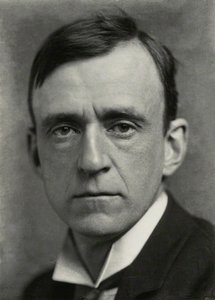
ヘンリー・トンクス
1862 - 1937 , イギリス
基本情報
- Artistic Movement Or Style: 印象派、モダンアート
- Artists Or Movements Influenced By This Artist:
- ナイツ
- ボンバーグ
- ガートラー
- スペンサー
- Artists Who Influenced This Artist:
- ホイッスラー
- シックカート
- サージェント
- クラウゼン
- Date Of Birth: 1862年
- Date Of Death: 1937年
- Full Name: ヘンリー・トンクス
- Nationality: イギリス
- Notable Artworks:
- 車椅子のトンクの父
- ウィリアム・ポエル
- プジョス・ゴラの降伏
- Place Of Birth: イギリス、ソルリハール
関連記事
William Owen: A Poetic Vision of War & Landscape in British Modernism
Explore the poignant war poetry of Wilfred Owen, a key figure in British Modernism. Discover his innovative style, themes of loss & camaraderie, and lasting impact on 20th-century literature. Analysis & historical context included.
C.R.W. Nevinson: A Vorticist Vision of War & Modernity
Explore the powerful art of C.R.W. Nevinson, a key British Vorticist painter. Discover his impactful depictions of WWI and evolution beyond Futurism. Expert analysis & high-quality reproductions at ArtsDot.
Anthony Vandyke Copley Fielding: Rediscovering a Master of Romantic Landscape
Discover the captivating landscapes of Anthony Vandyke Copley Fielding, a master of Romantic watercolour painting. Explore his life, technique, and legacy with ArtsDot – your source for museum-quality art reproductions & expert appraisal.
Henry Lamb: Reassessing Modern British Primitivism & the Poetics of Discomfort
Explore the compelling work of Henry Lamb, a key figure in British Primitivism. Discover his unsettling portraits, poignant war art & unique artistic vision. A deep dive into his life and legacy.
Sir George Clausen: Capturing Edwardian Life & British Impressionism's Nuances
Explore the luminous world of Sir George Clausen, a leading British Impressionist painter. Discover his captivating scenes of Edwardian life, rural England & poignant war art. Learn about his legacy and find high-quality reproductions at ArtsDot.

