

 シェアする
シェアする シェアする
シェアする
 詳細を見る
詳細を見る

 ダウンロード
 似ている作品
 スライドショー
 統計情報
統計情報San Francisco, California


 詳細を見る
詳細を見る
ジークレー/アートプリント
迅速な制作と多彩な仕上げオプションを備えた、ミュージアムクオリティのジークレーまたはキャンバスプリント。 ( 手描きの絵画を購入 デジタル画像販売へ切り替え)




































作品のオリジナル比率に合わせた、当店の規定サイズからお選びください。

特定のフレームやスペースに合わせて、ご自身でサイズを指定することも可能です。選択されたサイズが元の画像の比率と一致しない場合、作品をトリミングするか、鏡面反射または単色での塗りつぶしによって画像を拡張いたします。制作を開始する前に、ご確認用のデジタルモックアップをお送りいたします。
画面上のプレビューには、実際のトリミングや拡張は反映されませんのでご注意ください。最終的な構図を正確に確認できるのは、モックアップのみとなります。
カスタムサイズも承っておりますが、元の比率を維持するためには、あらかじめ用意されたリストからサイズを選択することをお勧めいたします。


 ガラスオプションは、110cm未満のサイズでのみご利用いただけます。

San Francisco, California
ジークレー/アートプリント
複製画のサイズ
-


合計金額
$ 62
The Poetic Geometry of the Everyday
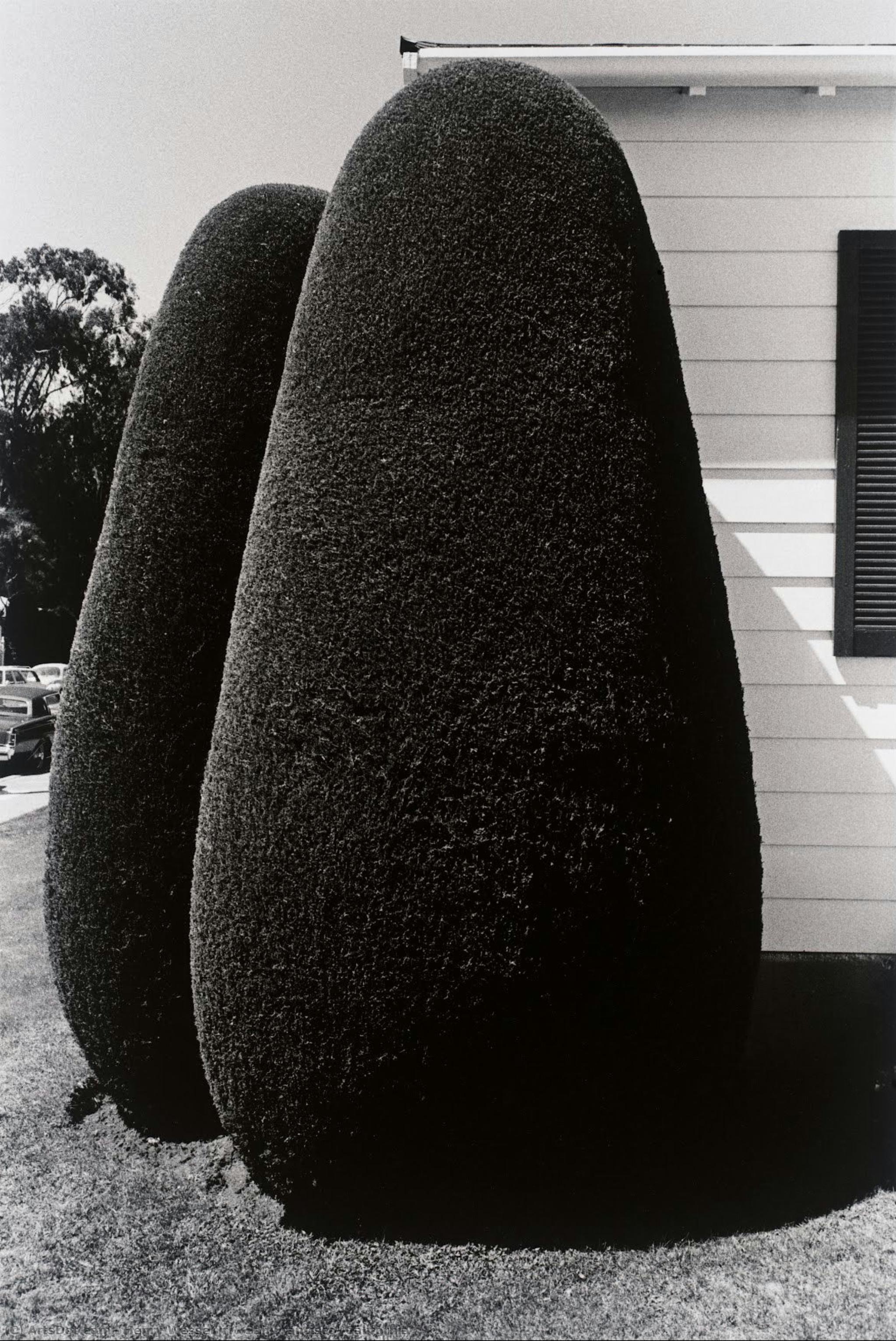
In the quiet, sun-drenched corners of the American West, there exists a profound beauty that avoids the grandiosity of mountain peaks in favor of the subtle textures of suburban life. Henry Wessel Jr., a master chronicler of the vernacular landscape, captured this essence with unparalleled sensitivity in his 1972 photograph, San Francisco, California. This striking black-and-white silver gelatin print invites the viewer into a meticulously ordered world where the boundaries between nature and human intervention blur. At first glance, the scene presents a minimalist study of suburban landscaping, dominated by two perfectly manicured hedges shaped into stylized, organic forms. These verdant sentinels stand in the foreground, creating a rhythmic visual axis that anchors the entire composition.
The photograph is a masterclass in the use of contrast and form. Through the lens of his trusted Leica camera, Wessel utilized the tonal range of Kodak Tri-X film to transform a mundane domestic setting into a dramatic interplay of light and shadow. The deep, velvety blacks of the trimmed foliage contrast sharply with the bright, crisp whites of the house's siding, creating a sense of structural clarity. There is a rhythmic tension found in the composition; the soft, rounded curves of the hedges provide a lyrical counterpoint to the rigid, horizontal lines of the architecture and the sharp, metallic presence of a car parked nearby. This careful balancing of organic and geometric shapes lends the image a sculptural quality that transcends its documentary origins.
A Study in Order and Alienation
Beyond its formal excellence, San Francisco, California carries a weight of symbolic complexity that resonates deeply with the modern observer. As a key figure associated with the New Topographics movement, Wessel sought to document the "man-altered landscape" without the romanticized sentimentality of traditional landscape photography. In this piece, the meticulously sculpted hedges serve as powerful metaphors for control, conformity, and the human desire to impose order upon the wildness of nature. The way the house is partially obscured by these artificial shapes suggests a subtle sense of alienation—a feeling that within our highly structured environments, we are often tucked away, hidden behind the very facades we have constructed.
For the discerning collector or interior designer, this artwork offers more than just visual appeal; it provides an emotional atmosphere of calm, contemplative stillness. The soft, diffused lighting eliminates harsh shadows, enveloping the scene in a tranquil, almost dreamlike haze that invites long periods of reflection. It is a piece that demands attention through its restraint rather than through spectacle. Whether placed in a contemporary gallery setting or as a focal point in a minimalist residential space, Wessel’s work brings a sophisticated, intellectual depth to an interior, acting as a window into the quiet, often overlooked poetry of our shared domestic reality.
関連作品
アーティストの略歴
The Poetic Eye of the Everyday: The Legacy of Henry Wessel Jr.
In the vast, sun-drenched expanse of the American West, there exists a particular kind of beauty found not in the soaring peaks of the Sierras, but in the quiet, often overlooked corners of the vernacular landscape. Henry Wessel Jr., born in Teane and raised with an eye for the subtle, became one of the most profound chroniclers of this understated reality. His journey into the heart of photography was almost accidental, sparked during his undergraduate years at Pennsylvania State University when a chance encounter with a photographic book ignited a lifelong obsession with the medium. This serendipitous beginning led him to adopt the Leica 35mm camera and a 28mm lens—tools that would become extensions of his own vision, allowing him to move through the world with a sense of intimacy and immediacy.
Wessel’s aesthetic was deeply rooted in the textures of reality. Utilizing Kodak Tri-X film, he mastered a tonal range that could transform a mundane roadside scene into a piece of personal poetry. His work emerged alongside the influential New Topographics movement, a group of photographers who sought to document the "man-altered landscape" without the romanticized lens of traditional landscape photography. Rather than seeking out pristine wilderness, Wessel found inspiration in the architecture of human presence: the brilliant light hitting a suburban facade, the social landscapes of Northern and Southern California, and the way culture and nature intersect at the edges of the American highway system.
A Master of the Unpretentious Moment
What set Wessel apart was his ability to find an inexhaustible richness in the aesthetics of the everyday. His images often possessed a deadpan quality, sharing the spontaneity and authenticity of a snapshot while maintaining a rigorous, thoughtful composition. There was a certain wryness, even a gentle humor, embedded in his black-and-white captures—a way of looking at the world that was both disarming and deeply observant. He did not merely document buildings or streets; he captured the "personality" of the built environment, viewing architecture as a reflection of the human beings who inhabit it, much like genetics define a face.
This approach to the subject matter—the unpretentious, the ordinary, and the vernacular—allowed him to bridge the gap between documentary photography and fine art. His work was never about the monumental; instead, it celebrated the small, the fleeting, and the overlooked. Whether he was exploring the light of the Bay Area or the sprawling landscapes of the West, his lens remained focused on the truth of the moment, finding dignity in the most modest of subjects.
Critical Recognition and Lasting Influence
The trajectory of Wessel’s career was marked by significant milestones that cemented his place in the pantheon of American photography. His debut solo exhibition at the Museum of Modern Art (MoMA) in New York in 1972, curated by the legendary John Szarkowski, served as a definitive introduction to the art world. This was followed by his participation in the seminal New Topographics: Photographs of a Man-Altered Landscape exhibition at George Eastman House in 1975, an event that would redefine the genre for generations to come.
Throughout his decades of practice, Wessel’s contributions were recognized through numerous prestigious honors, including:
- Two Guggenheim Fellowships, which supported his deep explorations of the American landscape.
- Three National Endowment for the Arts grants, acknowledging his technical and artistic mastery.
- A distinguished career as an emeritus professor of art at the San Francisco Art Institute, where he passed his passion to new generations of artists.
His photographic legacy is preserved in some of the world's most esteemed institutions, including the Tate Modern in London, the San Francisco Museum of Modern Art (SFMOMA), and the Museum of Contemporary Art, Los Angeles. Even as he ventured into color photography later in his career, the core of his vision remained unchanged: a steadfast commitment to seeing the extraordinary within the ordinary, leaving behind a body of work that continues to teach us how to look at the world with wonder and humility.

henry wessel jr.
1942 - 2018 , United States of America
基本情報
- Artistic Movement Or Style: New Topographics
- Artists Or Movements Influenced By This Artist: ['Vernacular Photography']
- Artists Who Influenced This Artist: ['John Szarkowski']
- Date Of Birth: July 28, 1942
- Date Of Death: September 20, 2018
- Full Name: Henry Wessel Jr.
- Nationality: American
- Notable Artworks:
- House Pictures
- Night Walk
- Place Of Birth: Teaneck, United States
関連記事

White on Canvas: 10 Masterpieces & Timeless Elegance for Your Home Decor
Explore 10 iconic white paintings by Monet, Whistler & Rothko! Discover the stories behind these serene masterpieces and their impact on art history. Find museum-quality reproductions for your home decor at .

Monochrome Visions: Exploring the Aesthetic & Historical Significance of Black & White Photography
Explore the rich history & artistic power of black and white photography. From early techniques to iconic masters like Ansel Adams, discover why monochrome continues to captivate art lovers today. Expert insights for collectors.

Dark Masterpieces: 10 Iconic Paintings Dominated by Black Tones |
Explore 10 iconic paintings dominated by black tones, from Rembrandt’s chiaroscuro to Goya's dark expressions. Discover the stories behind these masterpieces & find museum-quality art reproductions for your home at .
Beyond the Lens: Photography's Enduring Influence on Modern & Contemporary Art
Explore photography's pivotal role in shaping modern & contemporary art. Discover key movements, influential artists like Stieglitz, and expert collecting advice from ArtsDot.
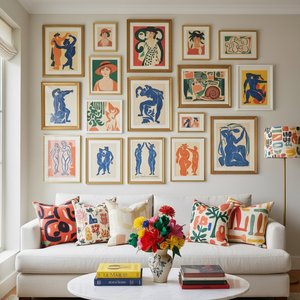
アンリ・マティスの傑作25選:色彩と情熱の軌跡|ArtsDot
アンリ・マティスの傑作25選🎨 色彩と情熱が織りなす世界を旅する。フォーヴィスム代表の巨匠、マティスの絵画の魅力と歴史を紐解きます。ArtsDotで高品質なアートプリントや複製画を見つけ、インテリアに芸術的な輝きを✨ Explore the full collection online