

 プレビュー
プレビュー
 プリントを購入
 シェアする
シェアする シェアする
シェアする
 詳細を見る
詳細を見る

 ダウンロード
 似ている作品
 X線調査
X線調査 スライドショー
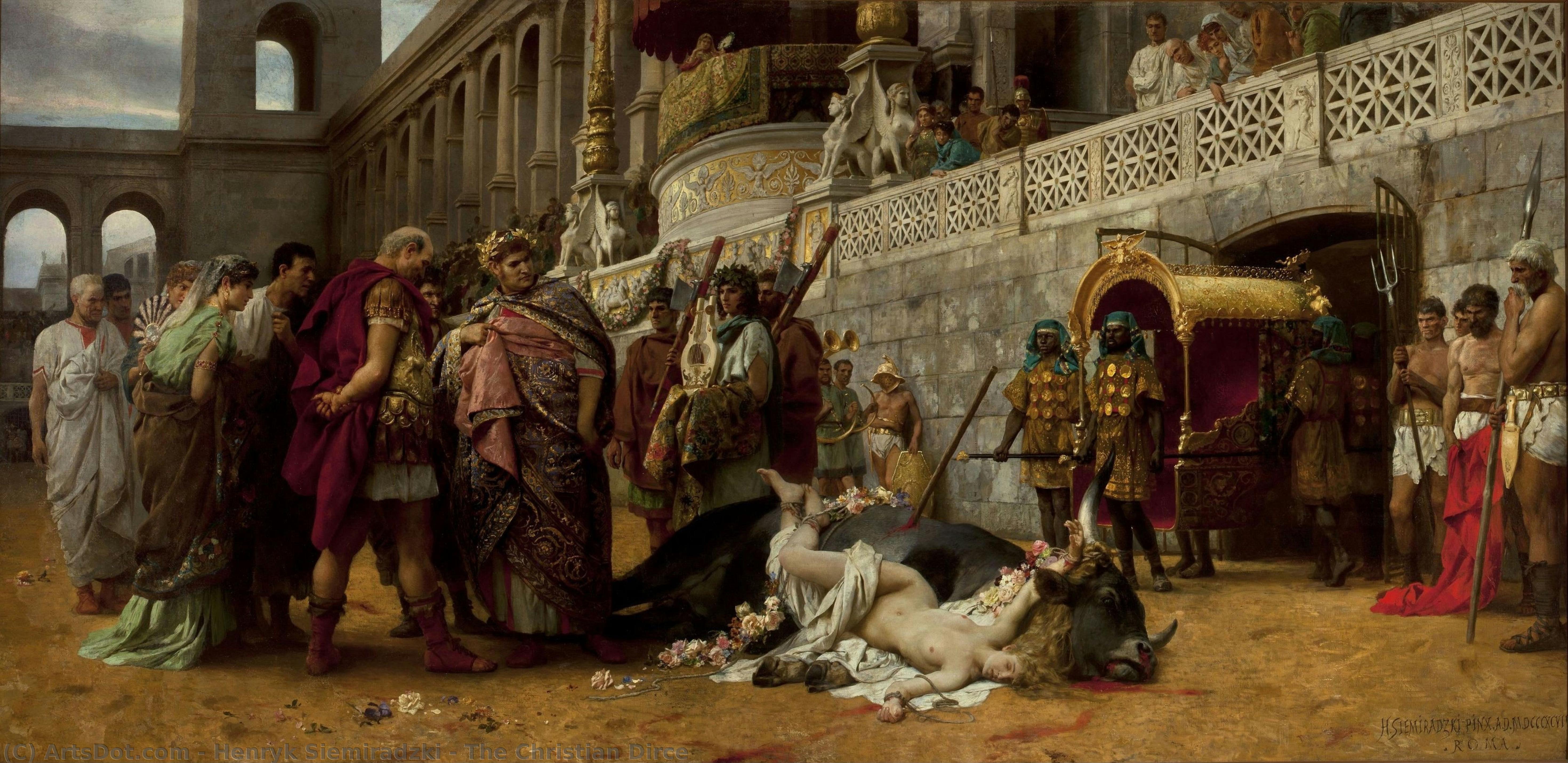
The Christian Dirce
 Oil On Canvas
- WallArt
- Academic Art
 19th Century
 530.0 x 263.0 cm
 ワルシャワ国立美術館
 詳細を見る
詳細を見る




P118B $10

P118H $10

P118W $10

P438Z $10

P508JH $12

P508YH $12

P805H $10

P805Z $10

P919BZ $10

P919G $10

P919XJ $10

P959ZH $10

P968JZ $12

W106C $8

W218G $10

W218JH $8

W218Y $10

W307PJ $10

W316G $10

W316PJ $8

W316Y $10

W398PJ $8

W4111J $10

W500HY $15

W500JH $15

W692G $12

W849H $8

W940BG $15

W953PJ $8




作品のオリジナル比率に合わせた、当店の規定サイズからお選びください。

特定のフレームやスペースに合わせて、ご希望のサイズをご入力いただけます。選択されたサイズが元の画像の比率と異なる場合、アートワークをトリミングするか、手描きで要素を追加して絵画を拡張いたします。デジタルモックアップ を制作し、制作開始前にご確認(承認)をいただきます。
画面上のプレビューは、実際のトリミングや拡張を正確に反映しているものではありません。最終的な構図は、モックアップによってのみ正確にご確認いただけます。
カスタムサイズもご利用いただけますが、元の比率を維持するためには、あらかじめ用意されたリストからサイズを選択することをお勧めいたします。
ご注文後、ArtsDot.com チームより詳細な指示をお送りするとともに、仕上がりイメージ(モックアップ)をご提供いたします。


 ガラスオプションは、110cm未満のサイズでのみご利用いただけます。

The Christian Dirce
複製技法
複製画のサイズ
-


合計金額
$ 263
A Spectacle of Tragedy and Grandeur
In the monumental canvas of The Christian Dirce, Henryk Siemiradzki invites the viewer into the heart of a Roman amphitheater, where the line between mythic cruelty and historical martyrdom blurs. This final large-scale masterpiece serves as a breathtaking window into the era of the Roman Empire, specifically capturing a moment of profound tension and theatrical violence. The scene depicts a re-enactment of the Greek myth of Dirce—traditionally tied to the horns of a bull—reimagined through the lens of Nero’s ruthless decrees. As the dust settles on the arena floor, we witness the aftermath of a spectacle where a young Christian girl has met her end, leaving behind a tableau that is as much about the chilling indifference of power as it is about the tragic loss of innocence.
The composition is a triumph of academic precision, designed to overwhelm the senses with its sheer scale and architectural depth. Siemiradzki utilizes the sweeping arches of the Roman gallery to frame the central drama, drawing the eye through a crowd of spectators that stretches into the distance. This use of perspective creates an immersive atmosphere, making the viewer feel like a silent witness in the stands. The artist’s technical virtuosity is on full display in the meticulous rendering of textures—the heavy folds of Roman togas, the glint of steel on swords, and the weathered stone of the amphitheater. Every detail feels archaeologically grounded, lending an air of undeniable authenticity to this staged moment of historical horror.
Symbolism and the Echoes of History
Beyond its surface-level drama, The Christian Dirce is a complex tapestry of layered meanings that resonate far beyond the Roman era. To the contemporary viewer, the painting offers a profound meditation on the endurance of faith amidst persecution. The sacrifice of the beautiful girl serves as a powerful symbol of Christianity’s ability to survive and eventually triumph over the most brutal of imperial regimes. Yet, for Siemiradzki, the symbolism likely extended into his own turbulent era; many scholars suggest the piece carries nationalistic undertones, reflecting a silent hope for Poland’s eventual independence from foreign rule. It is an artwork that speaks of resilience, the struggle of the spirit against tyranny, and the heavy cost of conviction.
For collectors and interior designers, this piece represents more than just a historical reconstruction; it is a profound emotional anchor for any space. The painting’s ability to evoke both awe and melancholy makes it an extraordinary centerpiece for those seeking art with intellectual depth and narrative weight. Whether displayed in a grand library or a sophisticated contemporary gallery, the dramatic interplay of light and shadow within the work provides a sense of timelessness. Owning a high-quality reproduction of such a significant work allows one to bring the epic scale of academic history into the modern home, offering a constant source of conversation, reflection, and aesthetic inspiration.
関連作品




アーティストの略歴
The Grandeur of a Visionary: The Life and Legacy of Henryk Siemiradzki
In the golden age of Academicism, few names commanded as much reverence or evoked as much awe as Henryk Siemiradzki. A titan of the late nineteenth century, his canvases served as magnificent portals, transporting viewers from the industrializing reality of their era into the sun-drenched splendor of antiquity and the profound spiritual depths of biblical narratives. Born in 1843 in Belgorod, within the Russian Empire, Siemiradzki was a man of dual heritage—a Polish artist whose creative soul flourished amidst the vibrant cultural landscapes of Saint Petersburg, Munich, and ultimately, Rome. His early life, steeped in the traditions of a noble family, provided him with an intellectual foundation that would later allow him to weave complex historical and mythological tapestries with unparalleled sophistication.
The trajectory of his genius was mapped through rigorous discipline and an insatiable thirst for mastery. After initial training under the local schoolteacher D.I. Besperchy, Siemiradzki entered the prestigious Imperial Academy of Arts in Saint Petersburg. It was here that his technical prowess began to crystallize, culminating in a coveted gold medal upon his graduation. However, it was his subsequent journey to Munich to study under the legendary Karl von Piloty that truly ignited his stylistic evolution. Under Piloty’s influence, Siemiradzki embraced the dramatic potential of historical painting, learning to manipulate light and shadow to create theatrical compositions that felt both monumental and intimately human. This period of intense academic refinement prepared him for his most defining chapter: his relocation to Rome in 1872.
A Master of Light, Drama, and Antiquity
Rome was not merely a residence for Siemiradzki; it was his muse. Settling amidst the eternal city's ruins and classical beauty, he developed a signature style characterized by an extraordinary ability to capture the ephemeral quality of light. His works often feature sunlit pastoral scenes that seem to breathe with the warmth of a Mediterranean afternoon, contrasted sharply by the heavy, dramatic tension of his historical tragedies. He possessed a rare gift for "theatrical realism," where every brushstroke contributed to a sense of unfolding drama, as if the viewer had stumbled upon a frozen moment of a grand opera.
His repertoire was as vast as it was profound, spanning several key thematic pillars:
- The Greco-Roman World: He breathed life into the legends of antiquity, depicting the splendor and the cruelty of ancient civilizations with meticulous archaeological detail.
- Biblical Narratives: With a sensitive hand, he approached the New Testament, creating works like Christ in the House of Martha and Mary that offered spiritual depth through human emotion.
- Historical Spectacle: His ability to render large-scale events allowed him to create monumental pieces that captured the essence of historical turning points.
- Theatrical Artistry: Beyond the canvas, his talent extended to the grandest stages, including the design of magnificent curtains for the Lwów Theatre of Opera and the Juliusz Słowacki Theatre in Kraków.
Technically, Siemiradzki was a virtuoso of the academic method. His use of color was both vibrant and controlled, capable of conveying the shimmering heat of a Roman noon or the somber, flickering glow of torches in a dark corridor. In works such as Nero's Torches, one can witness his mastery over light as it dances across surfaces, creating a sensory experience that transcends mere representation.
Historical Significance and Eternal Resonance
The significance of Henryk Siemiradzki extends far beyond the borders of Poland or the halls of the academies. He was a bridge between the classical traditions of the past and the burgeoning emotional intensity of the late nineteenth century. While some later movements would rebel against the perceived rigidity of Academicism, Siemiradzki’s work remained beloved for its ability to evoke wonder and empathy. His paintings became part of the permanent heritage of Europe, finding homes in the most prestigious national galleries across the continent.
Even today, his legacy endures through the sheer emotional impact of his compositions. He did not merely paint history; he resurrected it. Through his eyes, the ancient world was never truly lost—it remained vibrant, breathing, and eternally beautiful. As a master of Academic realism, Siemiradzki left behind a body of work that continues to invite modern viewers to contemplate the grandeur of human history and the timeless beauty of the classical spirit.
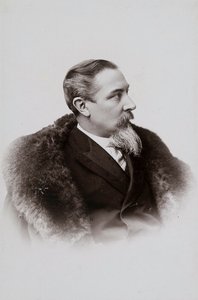
Henryk Siemiradzki
1843 - 1902 , Russia
基本情報
- Artistic Movement Or Style: Academic Art
- Artists Or Movements Influenced By This Artist: ['Romanticism']
- Artists Who Influenced This Artist: ['Karl von Piloty']
- Date Of Birth: October 24, 1843
- Date Of Death: August 23, 1902
- Full Name: Henryk Hector Siemiradzki
- Nationality: Polish
- Notable Artworks:
- Phryne At The Festival Of Poseidon
- Landscape
- Orpheus
- Place Of Birth: Belgorod, Russia
関連記事
The Enduring Legacy of Classicism: Principles, Evolution & Influence in Western Art
Explore the enduring legacy of Classicism in Western art! Discover its historical context, key principles, iconic masterpieces & lasting influence. Learn about Renaissance and Neoclassical movements with ArtsDot.
The Enduring Echo of Antiquity: Classical Ideals in Art from Renaissance to Modernism
Explore the lasting impact of classical ideals on art from the Renaissance to Modernism. Discover key movements, iconic artists & find museum-quality reproductions at ArtsDot.
Academic Classicism: A Revival of Form & Narrative in 19th-Century Art
Explore the revival of Academic Classicism in 19th-century art. Discover key artists like David & Duplessis, the influence of the French Académie, and its lasting legacy. Expert insights for collectors & enthusiasts.

Academic Realism's Finest: 10 Masterpieces for Art Lovers & Home Decor
Explore 10 defining Academic Realism masterpieces by Bouguereau, Gérôme & Cabanel. Discover the stories behind these iconic paintings and bring timeless art into your home with museum-quality reproductions from ArtsDot.com. Explore the full collection online!
Timeless Resonance: Exploring Classic Vibe in Art – A Historical & Aesthetic Analysis
Explore the rich history & enduring aesthetic of Classicism art! Discover key movements, iconic artists like Raphael & David, and its lasting influence on Western art. Deepen your appreciation today.