

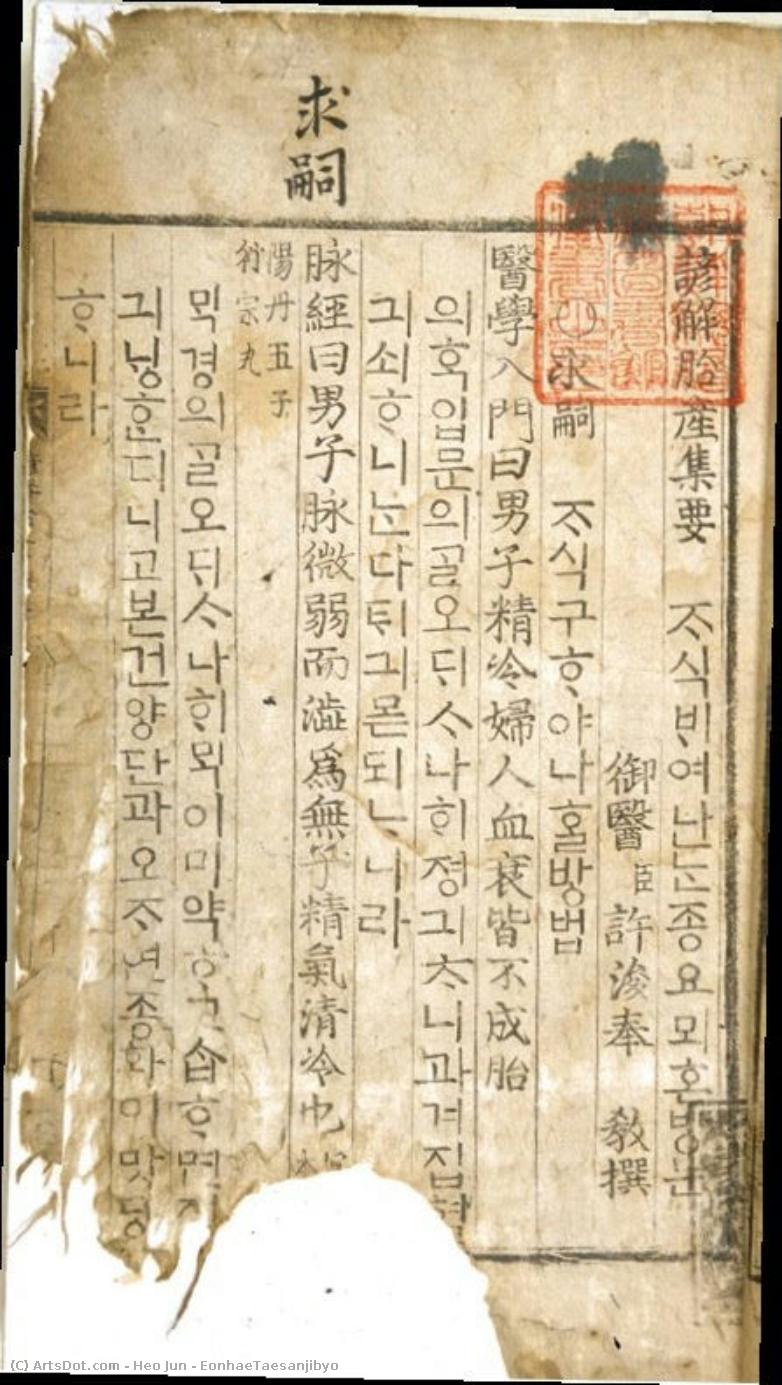
 プレビュー
プレビュー
 シェアする
シェアする シェアする
シェアする
 詳細を見る
詳細を見る

 ダウンロード
 似ている作品
 X線調査
X線調査 スライドショー
 統計情報
統計情報EonhaeTaesanjibyo


 詳細を見る
詳細を見る
手描き油彩複製画
当社のアーティストが、お客様のご希望のサイズと額縁に合わせて、キャンバスに手描きで制作する油彩画です。 ( プリント版に切り替え デジタル画像販売へ切り替え)




P118B $10

P118H $10

P118W $10

P438Z $10

P508JH $12

P508YH $12

P805H $10

P805Z $10

P919BZ $10

P919G $10

P919XJ $10

P959ZH $10

P968JZ $12

W106C $8

W218G $10

W218JH $8

W218Y $10

W307PJ $10

W316G $10

W316PJ $8

W316Y $10

W398PJ $8

W4111J $10

W500HY $15

W500JH $15

W692G $12

W849H $8

W940BG $15

W953PJ $8




作品のオリジナル比率に合わせた、当店の規定サイズからお選びください。

特定のフレームやスペースに合わせて、ご希望のサイズをご入力いただけます。選択されたサイズが元の画像の比率と異なる場合、アートワークをトリミングするか、手描きで要素を追加して絵画を拡張いたします。デジタルモックアップ を制作し、制作開始前にご確認(承認)をいただきます。
画面上のプレビューは、実際のトリミングや拡張を正確に反映しているものではありません。最終的な構図は、モックアップによってのみ正確にご確認いただけます。
カスタムサイズもご利用いただけますが、元の比率を維持するためには、あらかじめ用意されたリストからサイズを選択することをお勧めいたします。
ご注文後、ArtsDot.com チームより詳細な指示をお送りするとともに、仕上がりイメージ(モックアップ)をご提供いたします。


 ガラスオプションは、110cm未満のサイズでのみご利用いただけます。

EonhaeTaesanjibyo
複製技法
複製画のサイズ
-


合計金額
$ 263
関連作品
アーティストの略歴
The Silent Architect of Korean Medicine
In the long, storied tapestry of the Joseon dynasty, few names resonate with as much profound reverence and enduring legacy as Heo Jun. Born in Seoul around 1539, Heo Jun did not command armies or reshape borders through conquest; instead, he waged a quiet, relentless crusade against suffering and ignorance. His life was a testament to the power of meticulous observation and an unwavering dedication to the preservation of human vitality. Emerging from a family deeply rooted in the Confucian traditions of scholarship and ethical conduct, Heo Jun’s early years were defined by a rigorous intellectual discipline. This foundation of moral virtue and classical learning would later become the very heartbeat of his medical philosophy, allowing him to view the human condition not merely as a collection of symptoms, but as a delicate, interconnected harmony of mind, body, and spirit.
The trajectory of Heo Jun’s life took a transformative turn when he entered the service of the royal court under the reign of King Seonjo. As a Royal Physician, he was granted unparalleled access to the vast repositories of medical knowledge accumulated over centuries. Yet, it was his ability to synthesize this ancient wisdom with practical, compassionate application that set him apart. He recognized the profound limitations of existing medical practices in addressing the specific ailments prevalent in the Korean peninsula during his era. Driven by a desire to create a more accessible and effective system of healing, he championed a paradigm shift toward a comprehensive methodology rooted in herbal remedies, acupuncture, and dietary wisdom—a holistic approach that prioritized the well-being of the common person as much as the nobility.
The Magnum Opus: Donguibogam
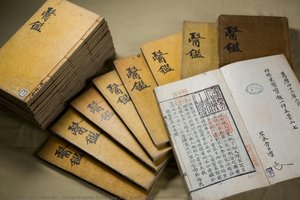
The pinnacle of Heo Jun’s life work, and perhaps his greatest gift to global medical history, is the Donguibogam (Mirror of Eastern Medicine). Completed toward the end of his life, this monumental medical encyclopedia represents a breathtaking synthesis of tradition and innovation. The text is far more than a mere catalog of ailments; it is a structured masterpiece divided into five profound chapters: Naegyeongpyueon (Internal Medicine), Oehyeongpyeon (External Medicine), Japbyeongpyeon (Miscellaneous Diseases), Tangaekpyeon (Remedies), and Chimgupyeon (Acupuncture). Through these pages, Heo Jun meticulously documented the nuances of human physiology and the therapeutic potential of local flora, creating a localized medical language that empowered practitioners to treat patients using resources readily available within their own communities.
The historical significance of this work cannot be overstated. The Donguibogam was so foundational to the practice of Eastern medicine that it became a cornerstone of Korean identity and scientific achievement. Its brilliance lies in its clarity and its focus on preventative care, emphasizing the maintenance of balance within the body to ward off disease. This dedication to the preservation of life was so profound that in 2010, UNESCO recognized the Donguibogam by including it in the Memory of the World Programme, marking it as a vital piece of human cultural heritage. Heo Jun’s ability to codify complex medical theories into a usable, enduring format ensured that his knowledge would transcend the boundaries of time and geography.
A Legacy Written in Healing
Beyond the ink and parchment of his manuscripts, Heo Jun’s true legacy resides in the centuries of healing that followed his death in 1615. He remains a symbol of the physician as a scholar-saint, an individual whose intellect was entirely subservient to the service of humanity. His life story—often dramatized in Korean culture as a journey of overcoming social barriers through merit and compassion—continues to inspire modern generations. He stands as a monumental figure who bridged the gap between the esoteric knowledge of the elite and the practical needs of the populace, ensuring that the art of healing was a universal right rather than a luxury.
To study Heo Jun is to study the very essence of Korean traditional medicine. His contributions include:
- The Standardization of Medical Knowledge: Creating a unified system of diagnosis and treatment that could be taught and replicated across the kingdom.
- Promotion of Local Pharmacopoeia: Emphasizing the use of indigenous Korean herbs, which reduced reliance on expensive imports and made medicine accessible to all classes.
- Holistic Philosophy: Establishing the principle that true health requires the equilibrium of internal organs, external forms, and spiritual stability.
- Cultural Preservation: Safeguarding ancient medical traditions through a structured, written format that survived the turbulent shifts of Korean history.
heo jun
1539 - 1615 , South Korea
基本情報
- Artistic Movement Or Style: Donguibogam
- Artists Or Movements Influenced By This Artist: ['']
- Artists Who Influenced This Artist: ['']
- Date Of Death: 1615
- Full Name: Heo Jun
- Nationality: Korean
- Notable Artworks: ['']
- Place Of Birth: South Korea
関連記事
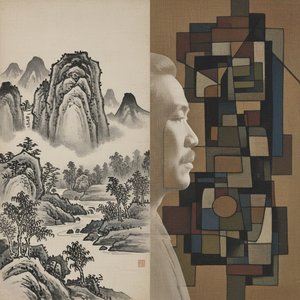
Yi Eungro: Bridging East & West in the Landscape of Korean Modernism
Explore the captivating world of Yi Eungro (Lee Ungno), a pivotal figure in Korean modernism. Discover his unique fusion of Eastern and Western artistic traditions, abstract masterpieces, and lasting legacy. A must-read for discerning art collectors.
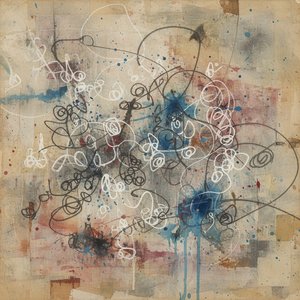
Cy Twombly: Scribbles of Emotion – Deconstructing Post-War Expressionism Through Calligraphy & Abstraction
Explore the captivating world of Cy Twombly with ArtsDot. Discover the emotional depth & artistic significance behind his abstract calligraphy. Expert insights for collectors.
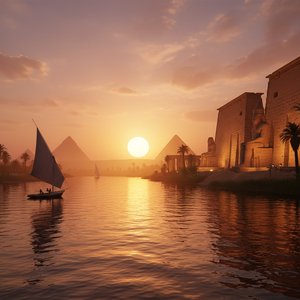
Golden Hour on the Nile: Symbolism & Artistic Legacy of Egyptian Sunsets
Explore the rich symbolism of Egyptian sunset paintings & their artistic legacy. Discover how color, ritual, and landscape shaped ancient beliefs – a guide for discerning collectors.
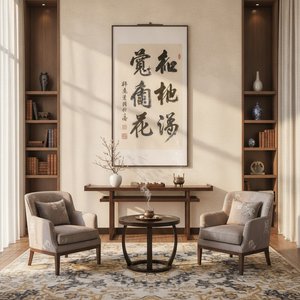
Timeless Elegance: Discovering the Soulful Beauty of Chinese Calligraphy for Sophisticated Home Interiors
Elevate your home with the serene beauty of Chinese calligraphy art. Explore our collection of hand-painted ink wash reproductions and bespoke commissions at ArtsDot.com. Discover museum-quality pieces designed to bring cultural elegance and tranquility to your modern interior.
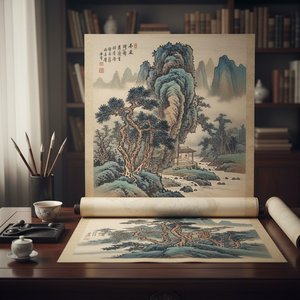
Pu Xinyu's 'Puru': A Legacy of Literati Painting & Emotional Resonance
Explore the captivating world of Pu Xinyu (Puru), the last great literati painter. Discover his imperial heritage, masterful ink wash techniques & enduring legacy – a valuable addition to any discerning art collection.