

 プレビュー
プレビュー
 プリントを購入
 シェアする
シェアする シェアする
シェアする
 詳細を見る
詳細を見る

 ダウンロード
 似ている作品
 X線調査
X線調査 スライドショー
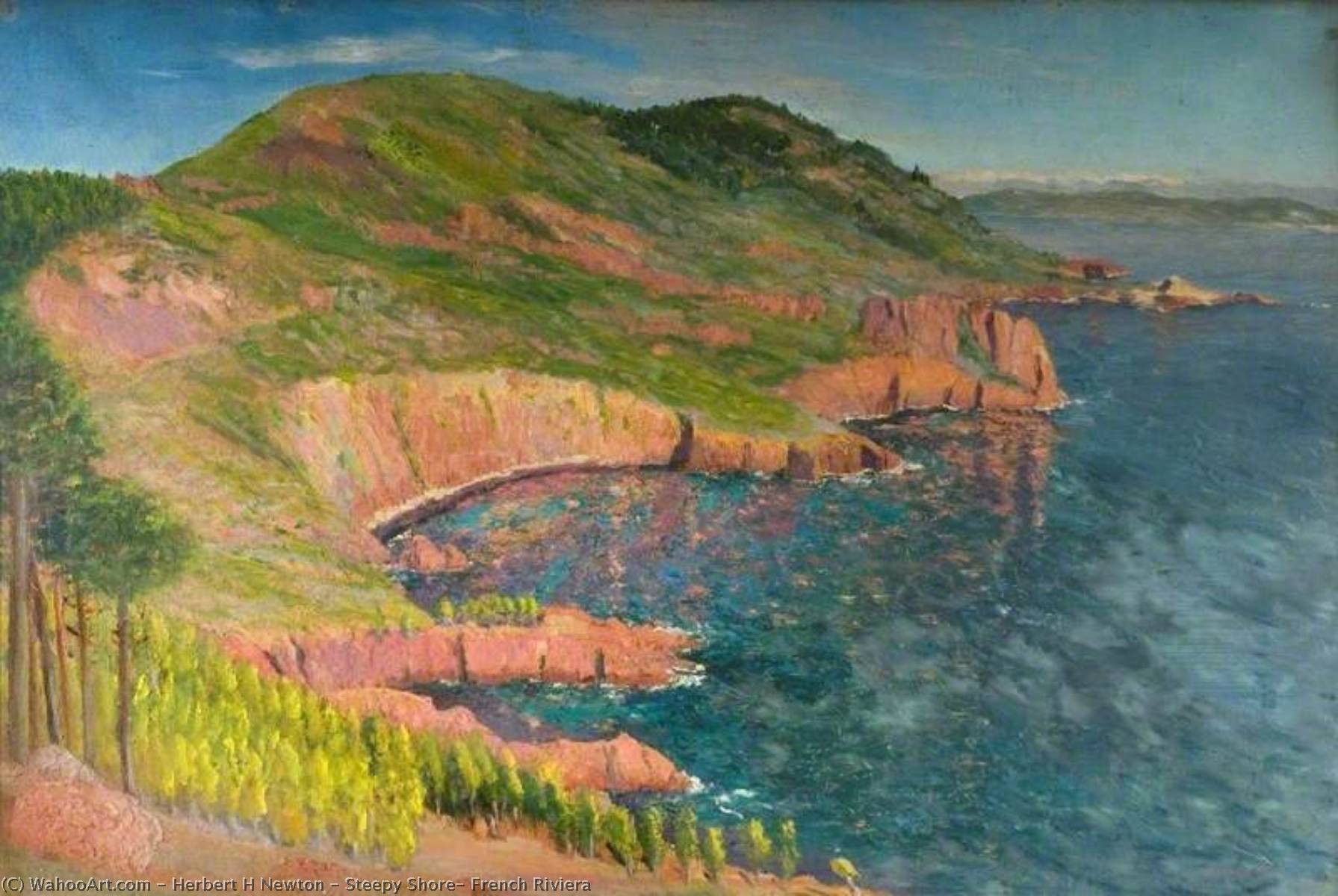
Steepy Shore, French Riviera
 1926
1926 52.0 x 76.0 cm
 Sunderland Museum - Winter Gardens
 詳細を見る
詳細を見る




































作品のオリジナル比率に合わせた、当店の規定サイズからお選びください。

特定のフレームやスペースに合わせて、ご希望のサイズをご入力いただけます。選択されたサイズが元の画像の比率と異なる場合、アートワークをトリミングするか、手描きで要素を追加して絵画を拡張いたします。デジタルモックアップ を制作し、制作開始前にご確認(承認)をいただきます。
画面上のプレビューは、実際のトリミングや拡張を正確に反映しているものではありません。最終的な構図は、モックアップによってのみ正確にご確認いただけます。
カスタムサイズもご利用いただけますが、元の比率を維持するためには、あらかじめ用意されたリストからサイズを選択することをお勧めいたします。
ご注文後、ArtsDot.com チームより詳細な指示をお送りするとともに、仕上がりイメージ(モックアップ)をご提供いたします。


 ガラスオプションは、110cm未満のサイズでのみご利用いただけます。

Steepy Shore, French Riviera
複製技法
複製画のサイズ
-


合計金額
$ 263
作品解説
Artistic Style and Influences
Herbert H Newton's work is characterized by his ability to balance color and composition, creating a sense of harmony in his paintings. The Steepy Shore, French Riviera is no exception, with the artist's use of warm colors and gentle brushstrokes evoking a feeling of tranquility. This style is reminiscent of other notable artists, such as Maurice Brazil Prendergast, who also explored the beauty of coastal landscapes in their work, like Brittany Coast.Notable Features and Similar Works
The painting features a rocky beach, with several boats visible in the water near the shore, adding to the picturesque view. This attention to detail is a hallmark of Herbert H Newton's style, and can also be seen in other works, such as Marsden Bay by Ernest C Christie. For those interested in exploring more of Herbert H Newton's work, or learning about other artists who have captured the beauty of coastal landscapes, Steepy Shore, French Riviera is an excellent starting point.- Oil on canvas reproduction of the painting can be found at https://ArtsDot.com.
- More information about the artist and his works can be found by visiting the Sunderland Museum - Winter Gardens website or learning about other artists on ArtsDot.com.
- For a deeper understanding of the artistic style and influences, visit https://ArtsDot.com to explore more paintings and learn about the techniques used by Herbert H Newton and other notable artists.
The Steepy Shore, French Riviera is a beautiful example of Herbert H Newton's skill as an artist, and its serene landscape continues to captivate audiences today. Whether you are an art enthusiast or simply looking to appreciate the beauty of a well-crafted painting, this piece is sure to impress.
関連作品








アーティストの略歴
A Life Dedicated to Form: Herbert H. Newton (1881-1959)
Herbert H. Newton, a name perhaps less instantly recognizable than some of his contemporaries, nevertheless carved a significant niche for himself as a British sculptor deeply attuned to the spiritual and architectural currents of the late 19th and early 20th centuries. Born in Bridgwater, Somerset, in 1881, Newton’s artistic journey was one marked by a dedication to evocative forms, particularly those serving ecclesiastical and civic purposes. While biographical details remain somewhat sparse, the body of his work speaks volumes about an artist profoundly influenced by classical traditions yet capable of imbuing them with a distinctly modern sensibility. He passed away in 1959, leaving behind a legacy that continues to resonate in the architectural landscapes he so thoughtfully adorned.Early Influences and Artistic Development
Newton’s formative years coincided with a period of intense artistic revivalism in Britain. The Arts and Crafts movement, with its emphasis on skilled craftsmanship and a return to pre-industrial methods, undoubtedly played a role in shaping his aesthetic sensibilities. The influence of William Newton-Smith is also noted; however, the precise nature of this mentorship remains elusive. What *is* clear from examining his sculptures is a deep understanding of classical principles – proportion, balance, and anatomical accuracy are hallmarks of his style. He wasn’t merely replicating ancient forms, though. Newton possessed an ability to infuse these traditional elements with a sense of emotional depth and narrative power. His early work likely involved studies of antique sculpture and architectural ornamentation, laying the foundation for his later achievements in both religious and secular commissions.Ecclesiastical Commissions and Architectural Sculpture
Newton’s reputation was largely built upon his contributions to ecclesiastical architecture. He received numerous commissions for sculptures intended to adorn churches, cathedrals, and other sacred spaces throughout Britain. These works weren't simply decorative; they were integral components of the overall architectural design, meant to inspire reverence and contemplation. His ability to translate religious themes into tangible form – angels, saints, biblical figures – was particularly noteworthy. Perhaps his most celebrated work is the ‘Angel of Bridgwater’, a sculpture that embodies both technical skill and spiritual grace. Beyond ecclesiastical commissions, Newton also undertook significant projects in architectural sculpture, contributing to public buildings and monuments. These works often reflected civic pride and national identity, showcasing his versatility as an artist capable of addressing diverse subject matter.A Diverse Style: From Corsica to the French Riviera
While best known for his religious and architectural sculptures, Newton’s artistic interests extended beyond these realms. Paintings such as ‘Corsican Village Square, Winter’ (1929) reveal a softer side to his creative output – an Impressionistic sensibility that captures the serene beauty of rural life. His depictions of the French Riviera, like “Steepy Shore, French Riviera”, demonstrate a keen eye for light and atmosphere, suggesting a broader engagement with landscape painting. These works offer a glimpse into Newton’s personal artistic explorations, revealing a talent not confined to a single medium or style. The paintings suggest a period of travel and observation, broadening his aesthetic horizons and informing his sculptural work with new perspectives on form and composition.Legacy and Historical Significance
Herbert H. Newton's contribution lies in his ability to seamlessly blend classical tradition with modern sensibilities, creating sculptures that are both technically accomplished and emotionally resonant. His works stand as testaments to a period of artistic revivalism and a renewed appreciation for craftsmanship. While not a household name, he was a respected figure within the British art world, leaving behind a body of work that continues to inspire awe and admiration. His sculptures remain integral parts of the architectural landscapes they inhabit, serving as enduring reminders of his dedication to form, beauty, and spiritual expression. The fact that reproductions of his works are still sought after today is a testament to the timeless quality of his artistic vision.
herbert h newton
1881 - 1959
基本情報
- Artistic Movement Or Style: Ecclesiastical Sculpture
- Artists Or Movements Influenced By This Artist: ['Classical Sculpture']
- Artists Who Influenced This Artist: ['William Newton-Smith']
- Date Of Death: 1959
- Full Name: Herbert H Newton
- Nationality: British
- Notable Artworks: ['Angel of Bridgwater']
- Place Of Birth: Bridgwater, Somerset

