

 プレビュー
プレビュー
 プリントを購入
 シェアする
シェアする シェアする
シェアする
 詳細を見る
詳細を見る

 ダウンロード
 似ている作品
 X線調査
X線調査 スライドショー
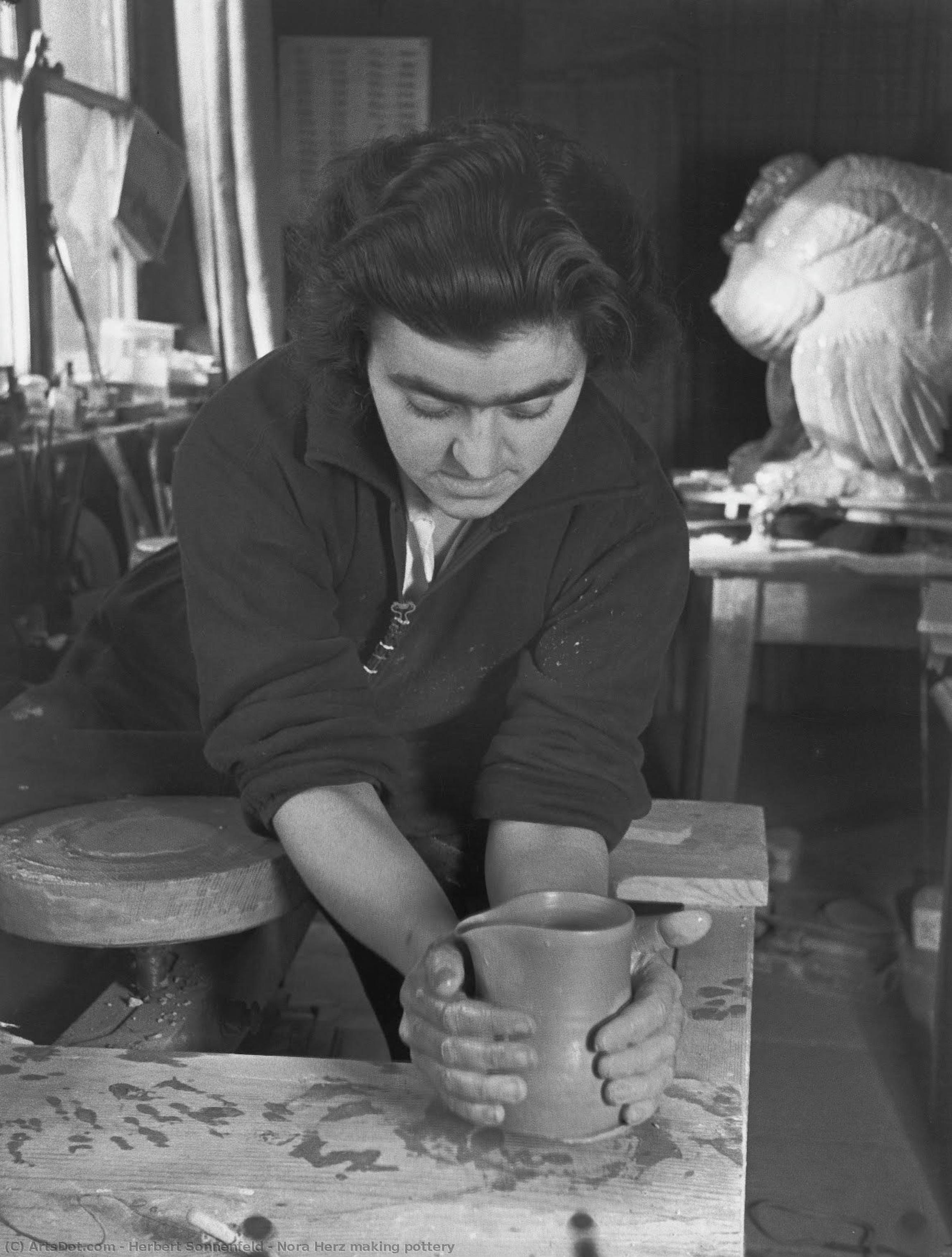
Nora Herz making pottery
 24.0 x 18.0 cm
 ベルリン・ユダヤ博物館
 詳細を見る
詳細を見る
オンラインプレビューをはるかに凌ぐ、高解像度で鮮明なデジタル画像をご購入いただけます。
各ファイルは、社内の専門家が高度なツールと熟練した手作業によるレタッチを用いて、細心の注意を払って準備されています。すべての画像において、卓越した鮮明度、正確な色彩再現性、そして繊細なディテールを保証いたします。
最終ファイルは、プロフェッショナルな編集・印刷環境ですぐにご利用いただけるよう最適化された状態で、72時間以内にメールにてお届けいたします。これは、一流のデザインスタジオ、出版社、ギャラリーから信頼されているものと同等の品質です。
デジタル画像のご注文に付随する特典
高品質なデジタル画像配信を、確かな品質で。
ArtsDot.com を選ぶことは、単に画像を手に入れることではありません。それは、プロの手によって精密に仕上げられ、満足保証が付いた高品質なデジタルアートワークを受け取ることを意味します。ご注文いただいた際に自動的に付随する内容は、以下の通りです:

メールですぐにお届け
ご注文から72時間以内に、高解像度のデジタル画像ファイルがメールでお手元に届きます。すぐにそのままご利用いただけます。

AI技術で最適化されたデジタルファイル
お客様の作品は、高度なAIツールと専門家による手作業の編集を組み合わせてプロフェッショナルに最適化されており、細部のディテール、鮮明さ、そして正確な色再現性を最大限に引き出しています。

一生涯無料の再送サービス
ファイルを誤って削除したり、紛失してしまったりしましたか?ご安心ください。いつでも無料で再送いたします。

輸入手数料は一切かかりません
関税や手数料、配送料を気にすることなく、お気に入りのアートワークをすぐにお楽しみいただけます。デジタルダウンロードは常に免税です。

色彩再現の保証
プロ仕様のツールとカラーマネジメント技術を用いることで、デジタル画像が元の色を最大限に忠実に再現することを保証いたします。

100日間満足保証
ご購入いただいたデジタル画像にご満足いただけない場合は、100日以内であれば、理由を問わず修正または100%の返金対応をさせていただきます。

100% 返金保証
ご満足いただけない場合は、デジタルファイルを受け取ってから100日以内であれば、理由を問わず全額返金いたします。

まとめ買い割引
3枚購入で10%OFF - 5枚購入で15%OFF - 10枚以上購入で20%OFF。クリエイティブなプロジェクト、ギャラリー、エージェンシーに最適です。
関連作品







作家の略歴
Herbert Sonnenfeld: A Window into a Vanishing World
Born in the heart of Berlin’s Neukölln district in 1906, Herbert Sonnenfeld's life was inextricably linked to the unfolding tragedy of the Weimar Republic and the rise of Nazism. Initially pursuing a career as an insurance employee, his path dramatically shifted following Germany’s descent into political turmoil. A trip to Palestine in 1933 proved transformative, igniting within him a profound desire to document Jewish life – not just its vibrancy, but also its increasing vulnerability – and setting the stage for a remarkable photographic legacy. Sonnenfeld's work stands as an invaluable historical record, offering poignant glimpses into a community grappling with displacement, persecution, and the looming shadow of war.
Sonnenfeld’s early career began unexpectedly, fueled by his wife Leni’s encouragement and her own nascent photography skills. Initially, he offered his photographs to Jewish newspapers, quickly establishing himself as a skilled observer and documentarian. This initial foray into press photography evolved into a systematic effort to capture the daily lives of Berlin's Jewish community – from bustling marketplaces and vibrant cultural events to intimate portraits of families and artisans. His subjects weren’t grand historical figures but ordinary people: shopkeepers, teachers, musicians, and members of various communal organizations. Crucially, Sonnenfeld’s work was largely confined to Jewish publications, a deliberate choice that provided an unparalleled, albeit somewhat limited, perspective on the experiences of this marginalized group during a period of immense upheaval.
The photographs themselves are characterized by their intimate quality and understated realism. Sonnenfeld possessed a remarkable ability to capture genuine emotion – moments of joy, resilience, and quiet dignity amidst hardship. His compositions often favored natural light and candid settings, eschewing theatrical poses in favor of capturing subjects as they were, engaged in everyday activities. He wasn’t interested in sensationalizing the plight of his subjects; instead, he sought to present a truthful and nuanced portrait of Jewish life in Berlin – a life that was rapidly being erased by the policies of the Nazi regime. The images are imbued with a sense of melancholy and urgency, reflecting the precariousness of their situation.
The Shadow of the Third Reich
The rise of the Nazi party fundamentally altered Sonnenfeld’s trajectory. His Jewish heritage immediately rendered him vulnerable to persecution, leading to his dismissal from his employment. Despite attempts to emigrate to Palestine – ultimately denied due to financial constraints and bureaucratic hurdles – he continued to document Jewish life in Berlin, often working for organizations dedicated to assisting refugees. These photographs became increasingly poignant as the atmosphere grew darker, reflecting the escalating restrictions and discrimination faced by Jews.
The decision to relocate to New York in 1939 marked a critical turning point. With the outbreak of World War II, Sonnenfeld and his wife Leni seized the opportunity to escape Nazi Germany, carrying only a small selection of their photographs – a testament to the precariousness of their situation. In America, they established a new life, continuing their photographic work, primarily focusing on Jewish subjects. This shift allowed them to maintain a connection to their roots while adapting to a new environment and contributing to the growing American Jewish community.
A Legacy Preserved
Sonnenfeld’s archive represents an extraordinary historical resource. The approximately 3000 negatives he amassed between 1933 and 1938 offer a rare and intimate window into Jewish life in Berlin during a tumultuous period. The collection includes images of the Cultural Association of German Jews, the Jewish Museum (then operating from Oranienburger Straße), various artists and artisans, and countless scenes depicting daily routines and communal activities. These photographs are not merely historical documents; they are deeply human portraits that speak to the resilience, dignity, and spirit of a community facing unimaginable challenges.
Following his death in 1972, Sonnenfeld’s work was carefully preserved by the Jewish Department of the Berlin Museum. In 1988, the museum acquired a significant portion of the archive, followed by further additions over the years. Today, the Herbert Sonnenfeld collection is housed at the Jewish Museum Berlin and has been digitized, making it accessible to researchers and the public worldwide. The museum’s efforts to make these photographs available online represent a vital step in ensuring that Sonnenfeld's legacy – and the story of Jewish life in pre-war Berlin – will continue to be remembered and understood for generations to come.
Technical Aspects & Photographic Style
Sonnenfeld’s photographic style is characterized by its directness and sensitivity. He primarily utilized a Leica camera, a popular choice among journalists at the time, known for its portability and ability to capture sharp images in challenging lighting conditions. His approach favored natural light whenever possible, often shooting during the golden hours of dawn and dusk to create a warm, evocative atmosphere. Sonnenfeld’s compositions are generally unostentatious, prioritizing clarity and authenticity over elaborate staging or artistic manipulation.
He demonstrated an astute eye for detail, capturing not only the outward appearance of his subjects but also their expressions and gestures – subtle cues that revealed their inner lives. The images often possess a remarkable sense of immediacy, as if frozen in time, conveying the emotions and experiences of those depicted with remarkable precision. The use of black-and-white photography further enhanced the documentary quality of his work, stripping away distractions and focusing attention on the essential elements of each scene.
Historical Significance & Continuing Relevance
Herbert Sonnenfeld’s photographs are more than just historical images; they serve as a poignant reminder of a community that was systematically erased by the Nazi regime. His work offers invaluable insights into the daily lives, cultural traditions, and social structures of Berlin's Jewish population in the years leading up to World War II. The collection provides crucial evidence of the persecution faced by Jews during this period, documenting the gradual erosion of their rights and freedoms.
Furthermore, Sonnenfeld’s photographs offer a powerful testament to the resilience and dignity of the human spirit in the face of adversity. They remind us of the importance of remembering and honoring the experiences of those who were marginalized and persecuted, ensuring that their stories are not forgotten. In an era marked by rising antisemitism and social division, Sonnenfeld’s work serves as a vital reminder of the dangers of intolerance and the enduring value of empathy and understanding.
Herbert Sonnenfeld
1906 -