

 プレビュー
プレビュー
 プリントを購入
 シェアする
シェアする シェアする
シェアする
 詳細を見る
詳細を見る

 ダウンロード
 似ている作品
 X線調査
X線調査 スライドショー
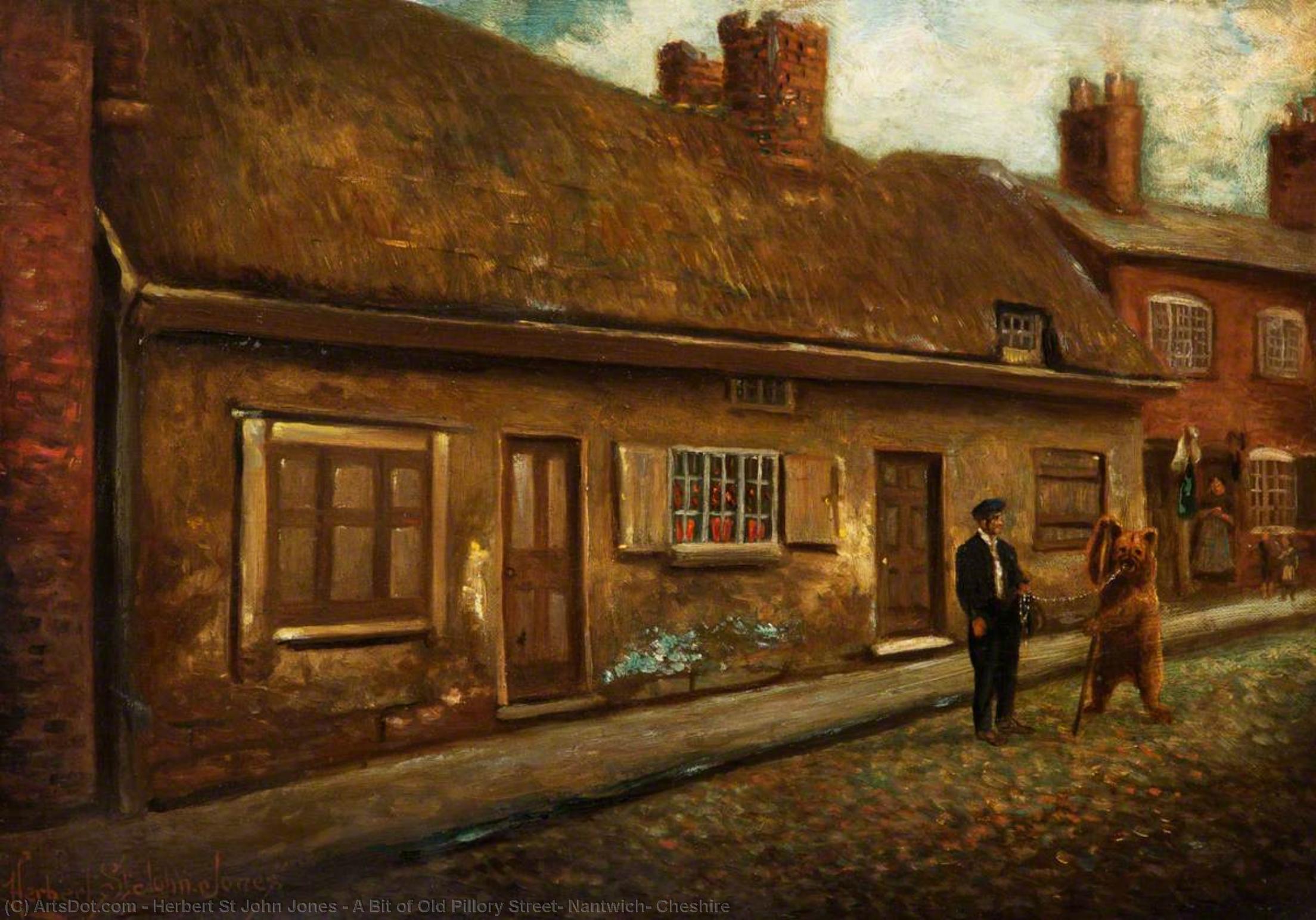
A Bit of Old Pillory Street, Nantwich, Cheshire
 1889
1889 30.0 x 41.0 cm
 詳細を見る
詳細を見る




































作品のオリジナル比率に合わせた、当店の規定サイズからお選びください。

特定のフレームやスペースに合わせて、ご希望のサイズをご入力いただけます。選択されたサイズが元の画像の比率と異なる場合、アートワークをトリミングするか、手描きで要素を追加して絵画を拡張いたします。デジタルモックアップ を制作し、制作開始前にご確認(承認)をいただきます。
画面上のプレビューは、実際のトリミングや拡張を正確に反映しているものではありません。最終的な構図は、モックアップによってのみ正確にご確認いただけます。
カスタムサイズもご利用いただけますが、元の比率を維持するためには、あらかじめ用意されたリストからサイズを選択することをお勧めいたします。
ご注文後、ArtsDot.com チームより詳細な指示をお送りするとともに、仕上がりイメージ(モックアップ)をご提供いたします。


 ガラスオプションは、110cm未満のサイズでのみご利用いただけます。

A Bit of Old Pillory Street, Nantwich, Cheshire
複製技法
複製画のサイズ
-


合計金額
$ 263
関連作品





アーティストの略歴
The Soul of Cheshire: The Life and Art of Herbert St John Jones
In the quiet, rolling landscapes of Cheshire, where the echoes of equestrian tradition still linger in the air, the name Herbert St John Jones evokes a sense of nostalgic grandeur. Born in 1872 in Shrewsbury and raised in the historic heart of Nantwich, Jones emerged during the Edwardian era not merely as a painter, but as a visual chronicler of a vanishing way of life. His life was deeply intertwined with the very soil he depicted; he was a familiar figure on the streets of Nantwich, an artist whose presence was as much a part of the local fabric as the ancient timbered buildings themselves. While his fame may not have reached the global heights of his contemporaries, his devotion to capturing the spirit of rural England—its vibrant hunts, its convivial inns, and its noble animals—has secured his place as a master of British Impressionism with a distinctly regional heart.
The foundation of Jones’s artistic vision was built upon a unique blend of formal discipline and profound philosophical influence. Though his early training began at Rugby School, where he sharpened his fundamental drawing skills, it was the mentorship of John Ruskin that would irrevocably shape his aesthetic compass. From Ruskin, the preeminent Victorian art critic, Jones inherited a reverence for the moral seriousness found within natural beauty. This influence manifested in a technique that sought to balance the ephemeral light of Impressionism with a rigorous, almost scientific, attention to detail. He did not seek the aggressive, broken brushwork of the Parisian avant-garde; instead, he favored softer, blended pigments that allowed him to capture the subtle atmospheric shifts of the English countryside and the delicate textures of horsehair and fine fabric.
A Master of the Equestrian and the Everyday
Jones’s true passion lay in the anatomy of movement and the dignity of the animal kingdom. He possessed an extraordinary ability to observe the musculature of a hunter or the spirited gait of a hound, often translating these observations into portraits executed entirely from memory within his studio on Hospital Street. This precision earned him the patronage of the highest echelons of British society, including the Duke and Duchess of Westminster, and even the ownership of works by King Edward VII. His oeuvre is a rich tapestry of sporting life, ranging from the intense energy of a hunting meet to the quiet, dignified presence of cattle and bulls.
Beyond the aristocratic commissions, Jones’s work celebrated the communal pulse of Cheshire. He found inspiration in the local inns and the social rhythms of village life, often painting scenes that served as both art and community service. It is a charming testament to his character that he frequently accepted paintings in lieu of unpaid bills from local shopkeepers, leaving behind a legacy of art that once adorned the walls of local merchants and public houses alike. His subjects were diverse and deeply rooted in his surroundings:
- Equestrian Excellence: Detailed portraits of hunters, hounds, and various horse breeds that showcased his anatomical mastery.
- Landscape and Place: Evocative depictions of Cheshire landmarks, such as the historic The Old Square, Nantwich, capturing the romanticism of 19th-century England.
- Social Realism: Charming scenes of village life, local hunts, and the atmospheric interiors of traditional English inns.
- Animal Portraiture: Beyond horses, his work included cattle and dogs, imbued with a sense of individual character and vitality.
Legacy and Historical Significance
The historical significance of Herbert St John Jones lies in his role as a bridge between the rigorous realism of the Victorian era and the atmospheric sensibilities of the early 20th century. He captured a specific moment in British history—a period where the traditions of the landed gentry and the rural working class existed in a delicate, picturesque harmony before the profound shifts of the modern age. His work serves as a vital historical record of Cheshire’s social and sporting heritage.
Today, his paintings are cherished not only for their technical merit but for the profound sense of nostalgia they evoke. Whether it is the luminous light hitting a field in Sporting Cheshire or the architectural charm of a village square, Jones’s art invites the viewer to step back into a world of elegance, tradition, and quiet beauty. His collection, spread across private estates and public institutions like the Nantwich Museum, continues to resonate with collectors who seek the authentic spirit of a bygone England.
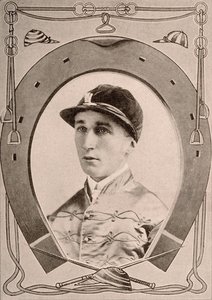
herbert st john jones
1872 - 1939
基本情報
- Artistic Movement Or Style: Romanticism
- Artists Or Movements Influenced By This Artist: ['Pre-Raphaelites']
- Artists Who Influenced This Artist: ['John Ruskin']
- Date Of Birth: 1872
- Date Of Death: 1939
- Full Name: Herbert St John Jones
- Nationality: British
- Notable Artworks:
- Mrs. Davenport
- The Old Square, Nantwich, Cheshire, 1836
- E. Rhodes' Toy Shop, High Street, Nantwich, Cheshire, 1885
- Place Of Birth: England

