

 シェアする
シェアする シェアする
シェアする
 詳細を見る
詳細を見る

 ダウンロード
 似ている作品
 スライドショー
 Stats
StatsBadman
 Fiberglass
- Contemporary Art
 Contemporary
 64.0 x 58.0 cm
 福岡アジア美術館
 詳細を見る
詳細を見る
手描き油彩複製画
当社のアーティストが、お客様のご希望のサイズと額縁に合わせて、キャンバスに手描きで制作する油彩画です。 ( Switch to Print Switch to Digital Image)




































作品のオリジナル比率に合わせた、当店の規定サイズからお選びください。

特定のフレームやスペースに合わせて、ご希望のサイズをご入力いただけます。選択されたサイズが元の画像の比率と異なる場合、アートワークをトリミングするか、手描きで要素を追加して絵画を拡張いたします。デジタルモックアップ を制作し、制作開始前にご確認(承認)をいただきます。
画面上のプレビューは、実際のトリミングや拡張を正確に反映しているものではありません。最終的な構図は、モックアップによってのみ正確にご確認いただけます。
カスタムサイズもご利用いただけますが、元の比率を維持するためには、あらかじめ用意されたリストからサイズを選択することをお勧めいたします。
ご注文後、ArtsDot.com チームより詳細な指示をお送りするとともに、仕上がりイメージ(モックアップ)をご提供いたします。


 ガラスオプションは、110cm未満のサイズでのみご利用いただけます。

Badman
複製技法
複製画のサイズ
-


合計金額
$ 263
A Mechanical Symphony of Tradition and Satire
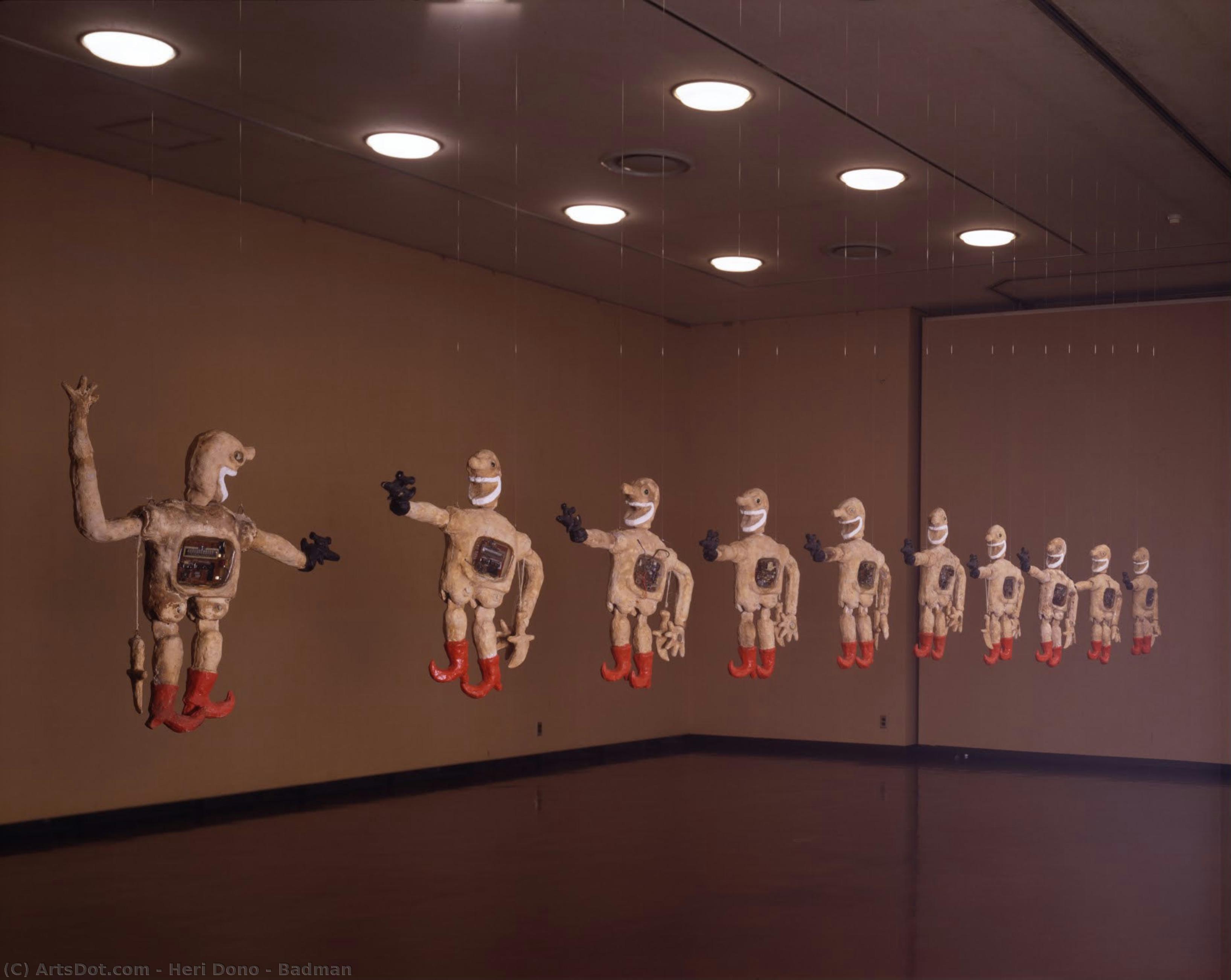
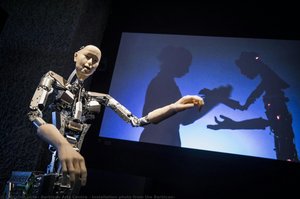
In the evocative realm of contemporary Indonesian art, few works capture the tension between ancient heritage and modern anxiety as poignantly as Heri Dono’s "Badman." This mesmerizing installation transcends the boundaries of traditional painting, presenting a kinetic world where the shadows of the past meet the cold, robotic pulse of the future. At first glance, the viewer is greeted by a troupe of figures—robotic, yet strangely soulful—suspended in a state of perpetual motion. These are not merely sculptures; they are characters in a silent, mechanical drama that reflects the artist's profound connection to wayang kulit, the traditional Javanese shadow puppetry. Through these fiberglass forms, Dono breathes life into a narrative that feels both deeply rooted in the soil of Yogyakarta and strikingly relevant to our globalized, technological age.
The technique employed in "Badman" is a masterclass in multidisciplinary innovation. By integrating electronic circuits with sculptural elements, Dono creates an immersive experience where movement becomes a language of its own. The figures, meticulously painted and arranged in a rhythmic row, possess a whimsical yet unsettling quality. Each robot, though part of a collective, carries a unique expression and pose, suggesting a fragmented society caught in the gears of progress. For the discerning collector or interior designer, this piece offers more than just visual interest; it provides a conversational centerpiece that challenges the stillness of a room, inviting onlookers to contemplate the delicate dance between organic tradition and synthetic innovation.
The Shadow of History and Social Critique
To understand "Badman," one must look through the lens of Indonesia’s complex sociopolitical landscape. Growing up in the shadow of the New Order authoritarian regime, Heri Dono learned to use the subtle language of puppetry to bypass censorship and deliver biting social critiques. In this work, the robotic figures serve as metaphors for the loss of individual agency within larger, often oppressive, systems. The "badman" of the title suggests a confrontation with the darker aspects of human nature and governance, yet the execution remains layered with a sense of playfulness and satire. It is this duality—the ability to be simultaneously playful and profound—that makes Dono’s work so enduringly captivating.
The emotional impact of the piece lies in its uncanny ability to evoke nostalgia and apprehension simultaneously. There is a haunting beauty in the way these mechanical puppets hang, reminiscent of the flickering shadows on a traditional wayang screen, yet their metallic, robotic nature speaks to the alienation of the modern era. For those seeking to adorn a space with art that possesses intellectual depth and emotional resonance, a high-quality reproduction of "Badman" offers an opportunity to bring this powerful dialogue into the home. It is a piece that does not merely decorate a wall; it invites a deeper reflection on where we have come from and the mechanical trajectories of where we are headed.
関連作品
アーティストの略歴
The Mechanical Symphony of Tradition: The Art of Heri Dono
In the vibrant, swirling landscape of contemporary Indonesian art, few voices resonate with as much profound complexity and whimsical wit as Heri Dono. Born in Jakarta on June 12, 1960, Dono has emerged as a pivotal figure who masterfully bridges the ancient soul of Javanese heritage with the frenetic energy of a globalized, technological age. His artistic journey is not merely a progression of skill, but a continuous dialogue between the shadows of the past and the neon pulse of the future. Through his work, the boundaries between fine art, folk tradition, and social critique dissolve, creating a space where the viewer is invited to witness a mechanical symphony of culture.
Dono’s formative years were steeped in a rich tapestry of visual stimuli, ranging from the rigorous academic training at the Indonesian Art Institute (ISI) Yogyakarta to the deep-seated traditions of his homeland. His early exposure to the prestigious collection of Sukarno at the Presidential Palace in Bogor instilled in him a reverence for the masters of Indonesian painting. However, it was his decision to step beyond the confines of the canvas that truly defined his trajectory. While he earned accolades for his painting prowess—winning prizes for Best Painting in 1981 and 1985—he found himself increasingly drawn to the kinetic and the immersive. He began to explore the realms of sculpture and installation, utilizing reclaimed wood, found objects, and even electronic circuits to breathe life into his visions.
A Fusion of Shadow and Steel
At the heart of Dono’s aesthetic lies a profound connection to wayang kulit, the traditional Javanese shadow puppetry. This ancient art form serves as more than just an influence; it is the very DNA of his creative expression. He adapts the storytelling mechanics of the puppet master to address modern anxieties, creating characters that feel both mythic and strikingly contemporary. In works such as "Badman," one encounters a mesmerizing world where robotic, fiberglass figures move with a soulful, yet unsettling, rhythm. These installations act as a bridge between the organic traditions of Yogyakarta and the cold, synthetic pulse of modern innovation, reflecting a society caught in the gears of rapid progress.
This fusion extends to his use of diverse cultural motifs, where he juxtaposes the tau tau sculptures of the Toraja people with references to Western pop culture, animation, and comics. By weaving together these disparate threads, Dono challenges the hegemony of Western art movements. His style is often categorized under the banner of New Internationalism—a movement that seeks to reclaim local identity within a global context rather than abandoning tradition for Westernized expression. His work does not merely observe the world; it critiques it through a lens of humor and satire, using the subtle language of puppetry to bypass censorship and deliver biting commentary on the sociopolitical landscape of Indonesia.
Legacy and Global Resonance
The significance of Heri Dono’s contribution to the art world is measured not only by his technical mastery but by his ability to make the local universal. His career has been marked by a series of prestigious international milestones, including:
- The Prince Claus Award (1998): A testament to his profound impact on culture and his role as a voice for social change.
- Global Exhibitions: From the Museum of Modern Art in Oxford to solo showcases in Tokyo, Vancouver, and Sydney, his work has challenged audiences across continents.
- Multidisciplinary Innovation: His ability to integrate electronic elements into sculptural forms has redefined the possibilities of installation art in Southeast Asia.
Today, Heri Dono remains a vital force in the contemporary scene, continuing to live and work in Yogyakarta. His legacy is one of resilience and reinvention, proving that tradition is not a static relic to be preserved in amber, but a living, breathing medium capable of navigating the complexities of the modern human condition. Through his eyes, we see that even in an age of machines and digital shadows, the human spirit—and the ancient stories that define it—can never truly be eclipsed.
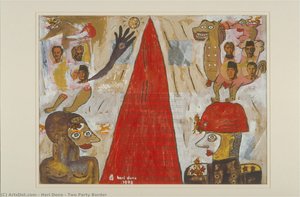
heri dono
1960 - , Indonesia
基本情報
- Artistic Movement Or Style: Contemporary Installation Art
- Artists Or Movements Influenced By This Artist: ['Animism']
- Artists Who Influenced This Artist:
- Walt Disney
- Hanna-Barbera
- Date Of Birth: June 12, 1960
- Full Name: Heri Dono
- Nationality: Indonesian
- Notable Artworks:
- In the Fridge and Fire (Di dalam Kulkas dan..., 2009)
- A Small Dog With His Guardian (Seekor Anjing , 2015)
- Place Of Birth: Jakarta, Indonesia
関連記事
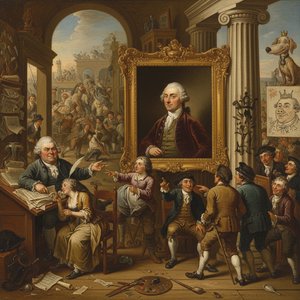
William Hogarth: Satire, Social Commentary & the Birth of Modern British Art
Explore the satirical world of William Hogarth, pioneering British painter & engraver. Discover his iconic works like *A Rake's Progress* and insightful social commentary on 18th-century London life.
The Aesthetic Catalyst: Leveraging Art Installations for Guest Engagement & Organic Social Marketing
Discover how strategic art installations elevate hotel experiences & drive organic social visibility. Expert insights on design, ROI, guest engagement, and creating unforgettable spaces for luxury hospitality brands.
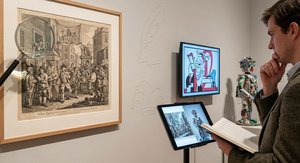
The Sharpest Wit: A Critical Exploration of Satire in Art History – From Hogarth to Contemporary Critique
Explore the history of satire in art! From Hogarth's London to contemporary critique, discover how artists use wit & visual power to reflect and challenge society. Expert insights at ArtsDot.
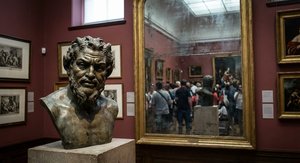
The Sharpest Wit: A Historical Exploration of Satire in Visual Culture
Explore the history of satire in art! From ancient masters like Aristophanes to Goya & Grosz, discover how artists use wit and critique to reflect—and challenge—society. Expert insights at ArtsDot.

John Leech: Satirical Visions of Victorian Society – A Comprehensive Examination of His Art & Influence
Explore the satirical world of John Leech, Victorian England's master caricaturist! Discover his iconic work for Punch magazine, illustrations with Dickens, and lasting impact on social commentary & art history. A comprehensive analysis.