

 プレビュー
プレビュー
 プリントを購入
 シェアする
シェアする シェアする
シェアする
 詳細を見る
詳細を見る

 ダウンロード
 似ている作品
 X線調査
X線調査 スライドショー
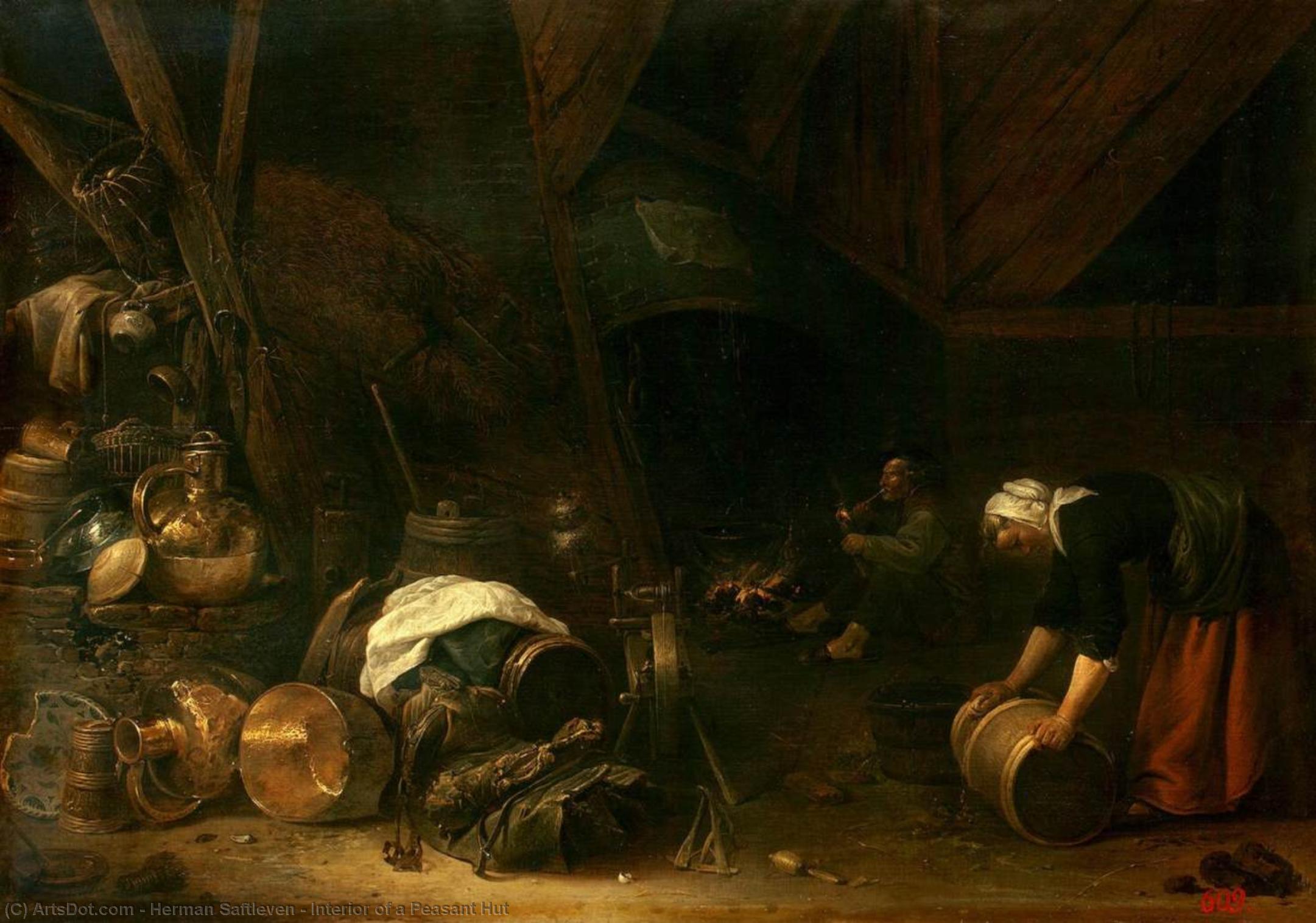
Interior of a Peasant Hut
 Oil On Panel
- Dutch Golden Age
 1634
1634 42.0 x 60.0 cm
 エルミタージュ美術館
 詳細を見る
詳細を見る




P118B $10

P118H $10

P118W $10

P438Z $10

P508JH $12

P508YH $12

P805H $10

P805Z $10

P919BZ $10

P919G $10

P919XJ $10

P959ZH $10

P968JZ $12

W106C $8

W218G $10

W218JH $8

W218Y $10

W307PJ $10

W316G $10

W316PJ $8

W316Y $10

W398PJ $8

W4111J $10

W500HY $15

W500JH $15

W692G $12

W849H $8

W940BG $15

W953PJ $8




作品のオリジナル比率に合わせた、当店の規定サイズからお選びください。

特定のフレームやスペースに合わせて、ご希望のサイズをご入力いただけます。選択されたサイズが元の画像の比率と異なる場合、アートワークをトリミングするか、手描きで要素を追加して絵画を拡張いたします。デジタルモックアップ を制作し、制作開始前にご確認(承認)をいただきます。
画面上のプレビューは、実際のトリミングや拡張を正確に反映しているものではありません。最終的な構図は、モックアップによってのみ正確にご確認いただけます。
カスタムサイズもご利用いただけますが、元の比率を維持するためには、あらかじめ用意されたリストからサイズを選択することをお勧めいたします。
ご注文後、ArtsDot.com チームより詳細な指示をお送りするとともに、仕上がりイメージ(モックアップ)をご提供いたします。


 ガラスオプションは、110cm未満のサイズでのみご利用いただけます。

Interior of a Peasant Hut
複製技法
複製画のサイズ
-


合計金額
$ 263
作品解説
A Window Into Dutch Domestic Life: Herman Saftleven’s Interior of a Peasant Hut
The painting “Interior of a Peasant Hut,” executed by Herman Saftleven the Younger in 1634, offers a poignant glimpse into the everyday realities of seventeenth-century Holland—a world grappling with economic prosperity alongside profound social stratification. More than just a depiction of a humble dwelling, it’s a meticulously crafted tableau that speaks volumes about Dutch artistic sensibilities and the burgeoning interest in capturing authentic scenes from rural life.- Subject Matter & Context: Saftleven's focus isn’t on grand landscapes or heroic narratives; instead, he presents us with a commonplace interior—a workshop or storage room inhabited by a family of farmers. This deliberate choice aligns perfectly with the artistic currents of the time, which saw artists increasingly turning their gaze inward, exploring domestic interiors and portraying scenes of rural labor as opposed to opulent courtly life.
- Style & Technique: Saftleven’s signature style is characterized by a remarkable degree of realism—a hallmark of Dutch Baroque painting. He employs oil paint on panel with painstaking detail, capturing the textures of rough plaster walls, earthenware pots brimming with grain, and the worn clothing of the figures depicted. The artist's masterful use of chiaroscuro – dramatic contrasts between light and dark – enhances the sense of depth and atmosphere, drawing the viewer’s eye into the scene.
The composition itself is carefully considered. The central bowl dominates the visual space, serving as a focal point for the gaze and subtly symbolizing sustenance—a cornerstone of rural existence. Around it are positioned several individuals engaged in various tasks: grinding grain, tending to livestock, and preparing food. Each figure possesses distinct facial expressions and postures, conveying emotion and conveying a sense of human connection.
Symbolism & Emotional Resonance:- Domestic Tranquility Amidst Labor: Despite the apparent hardship inherent in rural life, Saftleven portrays a scene imbued with warmth and familial affection. The figures’ interactions suggest a harmonious coexistence between work and family life—a reflection of Dutch values during this period.
- Material Wealth & Humble Existence: The abundance of earthenware pots – meticulously rendered – subtly underscores the economic success of these farmers, juxtaposed against the simplicity of their surroundings. This juxtaposition serves as a powerful reminder that beauty can be found in both grandeur and austerity.
“Interior of a Peasant Hut” transcends mere visual representation; it’s an invitation to contemplate the values and sensibilities of its era. Saftleven's meticulous technique, combined with his astute observation of human behavior and domestic life, cemented his place as one of the most influential painters of the Dutch Golden Age—a legacy that continues to inspire admiration for its understated elegance and profound psychological insight.
関連作品


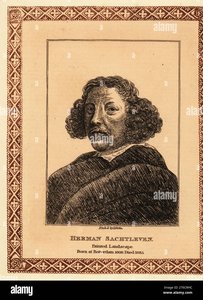
アーティストの略歴
The Master of Riverine Serenity
Herman Saftleven the Younger stands as a luminous figure within the Dutch Golden Age, a period defined by an unparalleled devotion to the observation of the natural world. Born in Rotterdam in 1609, Saftleven was immersed in an environment where art was both a family legacy and a profound way of seeing. As the son of Herman Saftleven I, a respected painter in Rotterdam, his artistic lineage was deeply rooted in tradition. He grew up alongside his brothers, Cornelis and Abraham, creating a familial tapestry of talent that would significantly influence the Dutch landscape and genre traditions. While his brother Cornelis gained renown for spirited genre scenes, Herman carved out a unique niche, becoming a master of the tranquil river landscape and the atmospheric depiction of travelers navigating through verdant woods.
The trajectory of Saftleven’s life saw him move from the bustling artistic hubs of Rotterdam to Utrecht, where he would spend much of his mature career. This transition was more than mere geographical; it marked his integration into the heart of the Dutch artistic community, eventually leading him to serve as the dean of the prestigious Guild of St. Luke in Utrecht. His work reflects a profound connection to the topography of his homeland, yet there is an element of the sublime in his compositions. He possessed a rare ability to blend the topographical accuracy required by the scientific interests of his era with a poetic, almost dreamlike quality that elevated simple river scenes into profound meditations on nature's permanence and beauty.
Technique, Light, and the Baroque Influence
To observe a Saftleven canvas is to witness a masterclass in the manipulation of light and atmosphere. While his subject matter often leaned toward the serene, his technical execution was deeply informed by the dramatic currents of the Baroque period. One can detect the lingering influence of Caravaggio’s chiarosc_uro in his more intimate works, where stark contrasts between shadow and illumination serve to sculpt form and imbue interiors with a sense of quiet drama. This mastery of light is perhaps most evident when he depicts sunlight filtering through dense forest canopies or reflecting off the undulating surface of a river, creating a dappled effect that breathes life into the landscape.
His development as an artist was characterized by an unwavering dedication to detail and a burgeoning interest in botanical and topographical precision. This is seen not only in his landscapes but also in his later commissions; for instance, his work for the botanist Agnes Block demonstrates his capacity for scientific observation. His brushwork, while capable of great delicacy when rendering foliage or water, also possesses a structural strength that provides his compositions with a sense of enduring stability. Through this balance of technical rigor and emotive atmosphere, Saftleven achieved a level of realism that felt both grounded in the earth and elevated by spirit.
Legacy and Historical Significance
The historical significance of Herman Saftleven lies in his ability to capture the soul of the Dutch landscape during a transformative era. He was an artist who documented not just the scenery, but the very essence of a changing world. His profound sense of civic duty and historical preservation is poignantly illustrated by his series of drawings of Utrecht churches, created after the devastating derecho of 1674 had leveled much of the city. In these works, he acted as both artist and historian, preserving the architectural memory of a community through the tip of his brush.
Saftleven’s legacy is woven into the broader narrative of the Dutch Golden Age, representing the era's humanist values—the belief that the study of nature and the recording of everyday life were noble pursuits worthy of high art. His influence can be traced through the generations of landscape painters who followed him, all of whom inherited his fascination with light, water, and the quiet majesty of the natural world. Today, his works remain vital touchstones for anyone seeking to understand the profound harmony between humanity and the environment that defined the seventeenth-century Dutch consciousness.
Herman Saftleven
1609 - 1685 , Netherlands
基本情報
- Artistic Movement Or Style: Dutch Golden Age
- Artists Or Movements Influenced By This Artist: Robert Griffier
- Date Of Birth: 1609
- Full Name: Herman Saftleven the Younger
- Nationality: Dutch
- Notable Artworks:
- Barn Interior
- An Extensive River Landscape with Figures on a Road, a Wood to the Left
- Interior of a Peasant Hut
- Place Of Birth: Rotterdam, Netherlands
関連記事

黄金世紀の巨匠たち:バロック絵画が彩る10選|ArtsDot
オランダ黄金時代の10大傑作を紐解く!レンブラント、フェルメール…バロック絵画の魅力と時代背景を深く探求。ArtsDotで、至高のアートコレクションと空間演出のヒントを見つけよう。高品質なアートプリントで、お部屋を華やかに。

Golden Age Reflections: Dutch Baroque Painting & Cultural Innovation
Explore the Dutch Golden Age of painting! Discover key artists like Vermeer & ter Borch, their innovative techniques, and the rich cultural context behind these Baroque masterpieces. Learn about collecting & appreciating this iconic art period.

Illuminating Innovation: Exploring the Dutch Golden Age of Painting
Explore the Dutch Golden Age of painting with ArtsDot. Discover Rembrandt, Vermeer & other Masters. Learn about key characteristics, iconic artworks, and lasting influence. Expert insights for collectors & enthusiasts.
Illuminating Realism: Exploring the Dutch Golden Age of Painting (1600-1700)
Explore the Dutch Golden Age of painting (1600-1700) with ArtsDot. Discover Rembrandt, Vermeer & other masters. Learn about techniques, history & find museum-quality reproductions.
Golden Light & Dutch Skies: Bringing the Magic of Dutch Golden Age Landscapes into Your Home
Transform your home with the breathtaking light of Dutch Golden Age landscapes. Discover how hand-painted oil reproductions of masterworks like Ruisdael and Vermeer bring timeless elegance, atmosphere, and soulful texture to modern interiors. Elevate your space with museum-quality art.

