

 プレビュー
プレビュー
 プリントを購入
 シェアする
シェアする シェアする
シェアする
 詳細を見る
詳細を見る

 ダウンロード
 似ている作品
 X線調査
X線調査 スライドショー
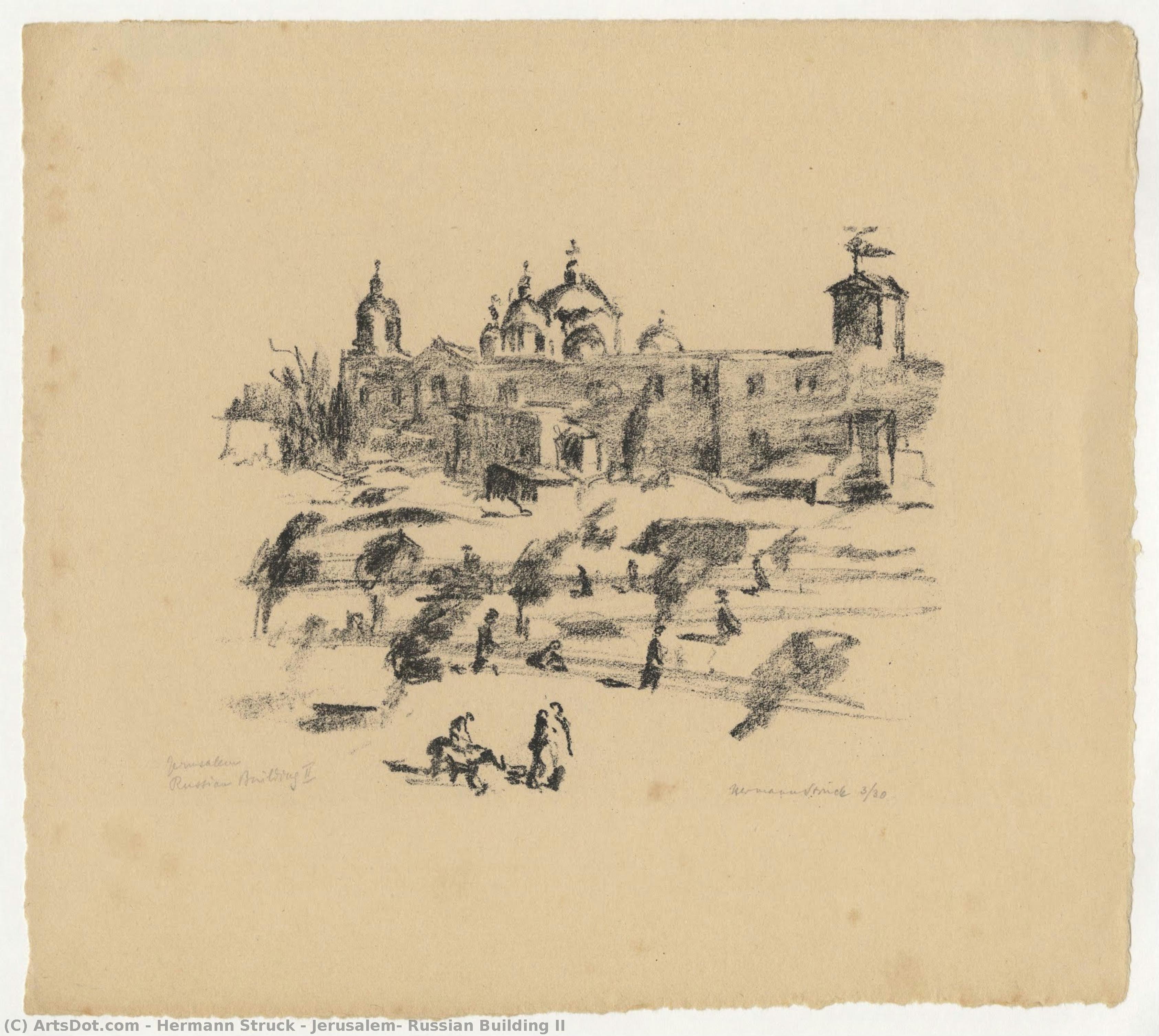
Jerusalem, Russian Building II
 Drawing
- WallArt
 1900
1900- 19th Century
 23.0 x 21.0 cm
 Leo Baeck Institute
 詳細を見る
詳細を見る




P118B $10

P118H $10

P118W $10

P438Z $10

P508JH $12

P508YH $12

P805H $10

P805Z $10

P919BZ $10

P919G $10

P919XJ $10

P959ZH $10

P968JZ $12

W106C $8

W218G $10

W218JH $8

W218Y $10

W307PJ $10

W316G $10

W316PJ $8

W316Y $10

W398PJ $8

W4111J $10

W500HY $15

W500JH $15

W692G $12

W849H $8

W940BG $15

W953PJ $8




作品のオリジナル比率に合わせた、当店の規定サイズからお選びください。

特定のフレームやスペースに合わせて、ご希望のサイズをご入力いただけます。選択されたサイズが元の画像の比率と異なる場合、アートワークをトリミングするか、手描きで要素を追加して絵画を拡張いたします。デジタルモックアップ を制作し、制作開始前にご確認(承認)をいただきます。
画面上のプレビューは、実際のトリミングや拡張を正確に反映しているものではありません。最終的な構図は、モックアップによってのみ正確にご確認いただけます。
カスタムサイズもご利用いただけますが、元の比率を維持するためには、あらかじめ用意されたリストからサイズを選択することをお勧めいたします。
ご注文後、ArtsDot.com チームより詳細な指示をお送りするとともに、仕上がりイメージ(モックアップ)をご提供いたします。


 ガラスオプションは、110cm未満のサイズでのみご利用いただけます。

Jerusalem, Russian Building II
複製技法
複製画のサイズ
-


合計金額
$ 263
A Window into a Vanished Era
In the delicate, monochromatic strokes of Jerusalem, Russian Building II, we are transported back to the turn of the twentieth century, specifically to the year 1900. This evocative drawing by the esteemed German-Jewish artist Hermann Struck serves as more than just a topographical record; it is a soulful meditation on the pulse of a city in transition. Through his masterful command of line and shadow, Struck captures a moment where the ancient weight of Jerusalem meets the burgeoning energy of a modernizing urban landscape. The scene unfolds with a cinematic quality, inviting the viewer to wander through the bustling streets alongside the figures etched into the paper, feeling the very dust and heat of a historical Levant.
The composition is a masterclass in atmospheric perspective and narrative depth. At first glance, the eye is drawn to the architectural grandeur of the Russian Building, which rises in the background as a silent sentinel over the daily commerce below. Struck utilizes a sophisticated interplay of light and dark to create a sense of immense scale, where the silhouettes of people moving through the plaza become part of a larger, rhythmic dance of life. The inclusion of a horse near the center of the frame acts as a poignant temporal anchor, reminding us of an era before the roar of engines, when the cadence of the city was set by hoofbeats and human footsteps.
The Mastery of the Etcher’s Hand
As a scholar of die kunst des radierens (the art of etching), Hermann Struck brought a profound technical precision to this work. Even in a drawing format, one can sense the influence of his expertise in printmaking. Every line is deliberate, contributing to a texture that feels both gritty and ethereal. The way he renders the architectural details of the church and surrounding structures demonstrates an incredible ability to balance structural rigidity with the soft, hazy atmosphere of a sun-drenched afternoon. This technique creates a sense of "sfumato" in black and white, where edges blur into the light, lending the piece a dreamlike, nostalgic quality that is deeply captivating.
For the discerning collector or interior designer, this piece offers a unique opportunity to introduce a sense of historical gravity and intellectual depth into a space. The monochromatic palette ensures that it remains a versatile centerpiece, capable of anchoring a room with its quiet elegance without clashing with contemporary color schemes. It is an artwork that rewards prolonged contemplation; the more one looks, the more the tiny, scattered figures reveal their individual stories—a merchant pausing, a traveler passing through, a moment of stillness amidst the movement. To possess a reproduction of this work is to hold a fragment of history, bringing the timeless, spiritual, and architectural essence of old Jerusalem into the modern home.
関連作品

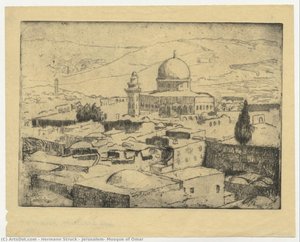
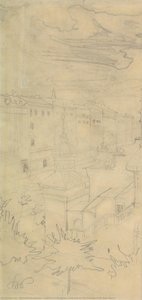
アーティストの略歴
初期の生活と学業
ヘルマン・ストルックは、ドイツ系ユダヤ人の著名な芸術家であり、1876年3月6日にドイツのベルリンで生まれました。彼はベルリン美術アカデミーで学び、そこで絵画とエッチングの技術を磨き上げました。芸術的キャリア
ストルックの芸術的な道のりは、ユダヤ人の題材や風景を頻繁に取り入れたリトグラフとエッチングにおける比類なき才能によって彩られていました。彼の作品は広く認められ、彼は美術界において尊敬される存在となりました。特筆すべきは、彼が1908年に「die kunst des radierens」(エッチングの芸術)という画期的な著作を出版したことであり、これは理論と実践的な指導の両方を提供するものでした。著名な作品と関連性
ストルックの注目すべき作品には以下のようなものがあります。- イブセン、ニーチェ、フロイト、アルベルト・アインシュタイン、ヘルツル、オスカー・ワイルドの肖像画は、著名な人物のエッセンスを捉える彼の能力を示しています。
- 旅先で描いた風景のエッチングは、彼が風景の美しさを捉える技術を証明しています。
- 依頼された肖像画、特にテオドール・ヘルツルのものは、シオニズムの象徴的な表現となりました。
シオニスト活動と軍務
ストルックは熱心なシオニストでありユダヤ人活動家でした。彼は1903年にイスラエル国を訪れ、第5回シオニスト大会で自らの芸術作品を発表しました。第一次世界大戦の間は、通訳、連絡将校、そして軍の画家として奉仕しました。遺産と晩年
ストルックの遺産は、カイザー・ヴィルヘルム博物館(ドイツ、クレーフェルト)を含む様々な美術館に所蔵されている数多くのエッチングや絵画によって受け継がれています。彼は1944年1月11日にイスラエルのハイファで息を引き取りました。ArtsDotでストルックの芸術を見る
ArtsDotにて、彼のエッチングや絵画のコレクションをご覧いただけます。ストルックの生涯と作品に関する詳細については、ウィキペディアをご覧ください。ヘルマン・ストルックの芸術を発見する: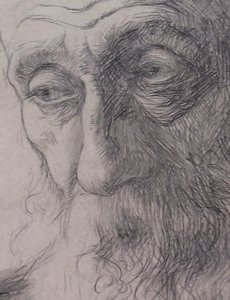
ヘルマン・シュトラック
1876 - 1944 , ドイツ
基本情報
- Artistic Movement Or Style: リトグラフ、エッチング
- Artists Or Movements Influenced By This Artist: ['マルク・シャガール']
- Artists Who Influenced This Artist: ['ヨゼフ・イスラエルス']
- Date Of Birth: 1876年3月6日
- Date Of Death: 1944年1月11日
- Full Name: ヘルマン・シュトラック
- Nationality: ドイツ系ユダヤ人
- Notable Artworks:
- 盲目の物乞い
- ニューヨークのセントラルパーク
- フィレンツェのドゥオーモ
- Place Of Birth: ベルリン、ドイツ
関連記事

White on Canvas: 10 Masterpieces & Timeless Elegance for Your Home Decor
Explore 10 iconic white paintings by Monet, Whistler & Rothko! Discover the stories behind these serene masterpieces and their impact on art history. Find museum-quality reproductions for your home decor at .

Dark Masterpieces: 10 Iconic Paintings Dominated by Black Tones |
Explore 10 iconic paintings dominated by black tones, from Rembrandt’s chiaroscuro to Goya's dark expressions. Discover the stories behind these masterpieces & find museum-quality art reproductions for your home at .

Monochrome Visions: Exploring the Aesthetic & Historical Significance of Black & White Photography
Explore the rich history & artistic power of black and white photography. From early techniques to iconic masters like Ansel Adams, discover why monochrome continues to captivate art lovers today. Expert insights for collectors.
Mars Black Masterpieces: 10 Iconic Paintings & Timeless Art Decor Ideas
Delve into the power of 'Mars Black' with 10 iconic paintings by masters like Rembrandt & Caravaggio. Explore dramatic chiaroscuro, gothic art, and timeless beauty. Find museum-quality reproductions & elevate your home decor on .
The Nuances of Graphite: Exploring Emotional Depth & Technical Mastery in Pencil Drawing
Explore the captivating world of graphite drawing! Discover its rich history, master essential techniques like chiaroscuro, and learn how artists evoke emotion through this timeless medium. Expert insights for art enthusiasts.