 プレビュー
プレビュー
 プリントを購入
 シェアする
シェアする シェアする
シェアする
 詳細を見る
詳細を見る

 ダウンロード
 似ている作品
 X線調査
X線調査 スライドショー
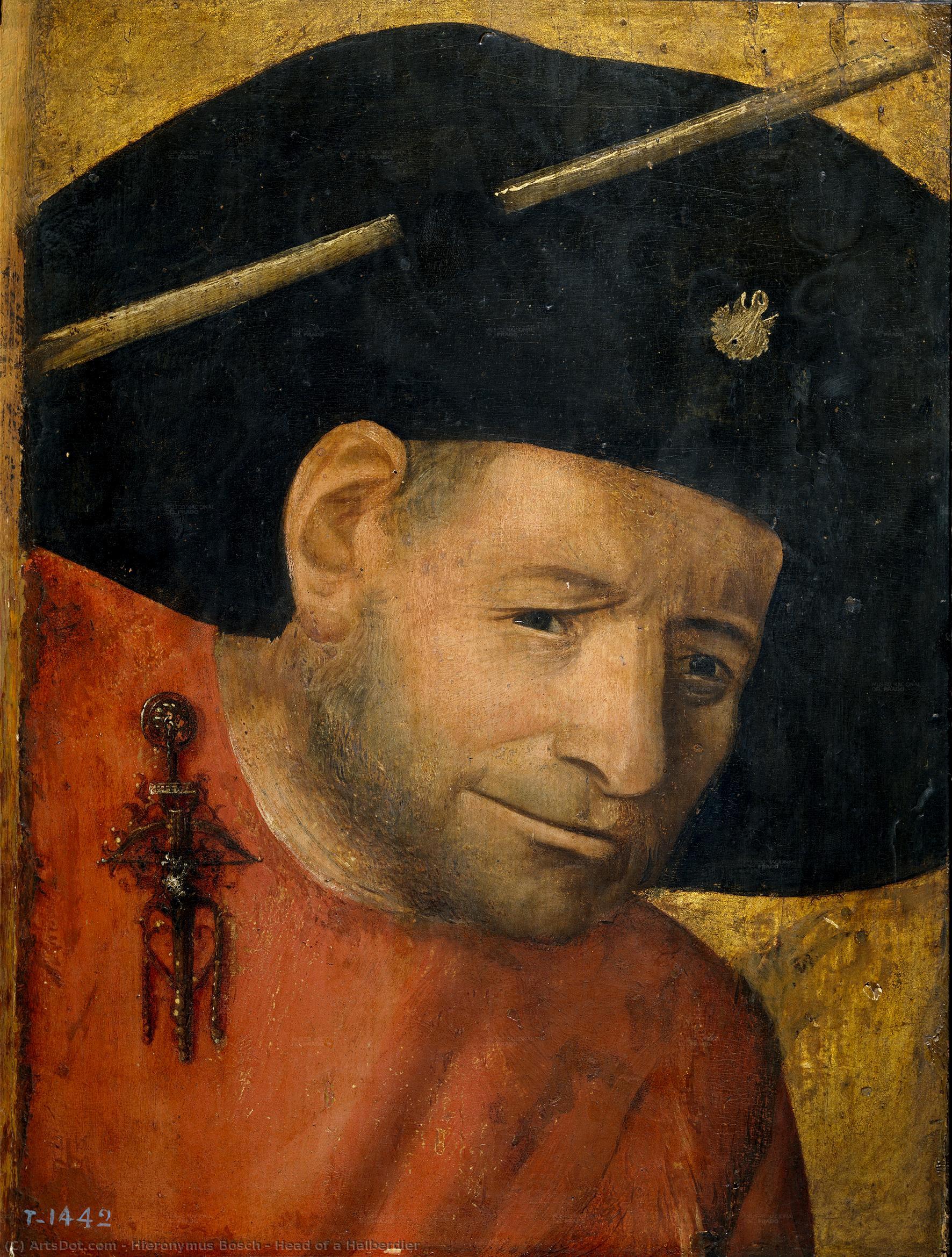
Head of a Halberdier
 Oil On Panel
- Early Netherlandish
 1490
1490- Renaissance
 28.0 x 21.0 cm
 プラド美術館
 詳細を見る
詳細を見る




P118B $10

P118H $10

P118W $10

P438Z $10

P508JH $12

P508YH $12

P805H $10

P805Z $10

P919BZ $10

P919G $10

P919XJ $10

P959ZH $10

P968JZ $12

W106C $8

W218G $10

W218JH $8

W218Y $10

W307PJ $10

W316G $10

W316PJ $8

W316Y $10

W398PJ $8

W4111J $10

W500HY $15

W500JH $15

W692G $12

W849H $8

W940BG $15

W953PJ $8




作品のオリジナル比率に合わせた、当店の規定サイズからお選びください。

特定のフレームやスペースに合わせて、ご希望のサイズをご入力いただけます。選択されたサイズが元の画像の比率と異なる場合、アートワークをトリミングするか、手描きで要素を追加して絵画を拡張いたします。デジタルモックアップ を制作し、制作開始前にご確認(承認)をいただきます。
画面上のプレビューは、実際のトリミングや拡張を正確に反映しているものではありません。最終的な構図は、モックアップによってのみ正確にご確認いただけます。
カスタムサイズもご利用いただけますが、元の比率を維持するためには、あらかじめ用意されたリストからサイズを選択することをお勧めいたします。
ご注文後、ArtsDot.com チームより詳細な指示をお送りするとともに、仕上がりイメージ(モックアップ)をご提供いたします。


 ガラスオプションは、110cm未満のサイズでのみご利用いただけます。

Head of a Halberdier
複製技法
複製画のサイズ
-


合計金額
$ 263
A Gaze into the Soul: Hieronymus Bosch’s ‘Head of a Halberdier’
Within the hallowed halls of the Prado Museum, nestled amongst the grandeur of Spanish art history, resides a deceptively small yet profoundly resonant work by the enigmatic master, Hieronymus Bosch – ‘Head of a Halberdier’. Often overlooked in favor of his more flamboyant and narrative-rich creations like “The Garden of Earthly Delights,” this oil on panel painting offers a concentrated distillation of Bosch’s unique artistic vision: a haunting meditation on mortality, authority, and the unsettling beauty of the human condition. Created around 1490, it's a window into a world where realism and symbolism intertwine with unnerving precision, inviting viewers to contemplate the complexities of existence long after they’ve turned away.
The subject is strikingly direct – a man rendered in meticulous detail, his features etched with an air of quiet contemplation. Dressed in a rich red jacket adorned with gold trim, he possesses a pronounced beard and mustache, lending him an aura of both authority and weariness. His downward gaze immediately draws the eye, creating a sense of intimacy as if sharing a secret or wrestling with an internal struggle. The background, rendered in a warm, almost amber hue, provides a subtle counterpoint to the figure’s intensity, suggesting a sanctuary of sorts – a space of reflection amidst a potentially turbulent world. Two birds, one perched delicately on his head and another flitting near the upper right corner, add layers of symbolic meaning, often associated with freedom, the soul, or perhaps even divine observation.
The Language of Symbols: Decoding Bosch’s Vision
Bosch was renowned for imbuing his paintings with a dense tapestry of symbolism, transforming seemingly simple scenes into elaborate allegories. In ‘Head of a Halberdier,’ the halberd itself is immediately significant – a weapon traditionally associated with military personnel and, by extension, authority, protection, and even judgment. However, Bosch rarely presents these symbols in a straightforward manner. The man’s contemplative expression suggests that this figure isn't merely an embodiment of power; he appears burdened, perhaps questioning the nature of his role or grappling with the consequences of his actions. The presence of the clock is particularly potent, a recurring motif in Bosch’s work that relentlessly reminds us of the fleeting passage of time and the inevitability of mortality – a central theme throughout his oeuvre.
Furthermore, the birds can be interpreted as emblems of spiritual aspiration or even divine intervention. Their placement within the composition subtly elevates the figure's contemplation, suggesting a connection to something beyond the earthly realm. The warm background color might represent hope and serenity, offering a brief respite from the anxieties suggested by the halberd and the clock. Bosch’s genius lies in his ability to weave these disparate elements together, creating an image that is both visually arresting and intellectually stimulating.
Early Netherlandish Mastery: Technique and Context
‘Head of a Halberdier’ exemplifies Bosch's mastery of the Early Netherlandish style, characterized by its remarkable realism, meticulous detail, and profound symbolic depth. The use of oil on panel allowed him to achieve an astonishing level of luminosity and texture, capturing the subtle nuances of light and shadow with breathtaking precision. Notice the careful rendering of the fabric, the individual strands of hair, and the glint of gold – each element contributes to the painting’s overall sense of realism. This technique was a hallmark of the period, building upon the innovations of artists like Jan van Eyck and Robert Campin.
Within the broader context of Bosch's oeuvre, ‘Head of a Halberdier’ stands as a compelling example of his exploration of morality, temptation, and the human condition. It shares thematic resonances with other significant works such as “The Garden of Earthly Delights” and “Temptation of St. Anthony,” all of which grapple with similar concerns about sin, redemption, and the perils of earthly desires. Bosch’s work was often commissioned by religious institutions, reflecting his deep engagement with theological themes – though his interpretations frequently diverged from orthodox teachings, offering a darkly satirical critique of societal norms.
A Timeless Reflection: Reproduction and Beyond
ArtsDot offers meticulously crafted hand-painted reproductions of ‘Head of a Halberdier’, allowing you to bring this captivating work into your own space. Our artists replicate Bosch’s intricate details, vibrant colors, and evocative symbolism with the utmost care, ensuring that your reproduction captures the essence of the original painting. Whether displayed in a private collection or incorporated into an interior design scheme, this artwork will serve as a constant source of contemplation and artistic appreciation. Explore our range of sizes and framing options to find the perfect way to showcase this remarkable piece of art history.
関連作品
アーティストの略歴
Hieronymus Bosch (c. 1450-1516): ドイツのルネサンス神秘主義者の驚くべき芸術家
Hieronymus Boschは、約1450年にオランダのデン・ボッシュで生まれました。当時の Brabant地域は、後期の中世宗教熱情とフォロクルの中心であり、彼の芸術的な視界を深く形成しました。彼の家族は絵画の伝統を持っており、父親と祖父の両方が画家でした。彼は家族の工房で幼少期に美術訓練を受け、伝統的なオランダ絵画の技術と注意深い詳細を吸収しました。しかし、彼はすぐにこれらの規範を超え、驚くべき想像力を表現するキャリアを築きました。彼の生애に関する情報は非常に乏しく、記録は断片化されており、彼の人間と作品の両方に対する神秘的な雰囲気を増しています。彼は約1481年にAleyt Goyaerts van den Meerveenと結婚し、彼女の家族が所有する財産によって経済的な安定を得ましたが、他のことはほとんど知られていませんでした。彼の個人的な生活は謎に包まれています。驚くべき芸術的スタイルと幻想的なイメージ
Boschの芸術的なスタイルはすぐに認識可能でした。彼は油絵をオークパネルに塗ることで有名な技術を持っています。彼は初期の作品で伝統的なオランダ絵画の影響を受けましたが、すぐにそれを模倣するのではなく、独自の視界を開発しました。彼の絵画は単なる現実の描写ではありません。それは幻想的な生き物や奇妙な生物や不安なシーンが満たされた象徴的な風景であり、人間の精神と社会に対する深い疑問を探求しています。彼は特に悪意、誘惑、そして神の裁定への脆弱性を強調する宗教的なテーマに取り組んでいます。彼の生き物は悪魔のような恐ろしい生き物、幻想的な動物、そして奇妙に人間的な人物で、それは聖なるものと profane なものが融合した独特の不安感を生み出しています。彼はこれらの要素を組み合わせることで、他の芸術家よりも驚くべき視界を持つアーティストとなり、彼の芸術は時代を超えて人々を魅了し続けています。彼は特に悪魔のような恐ろしい生き物、幻想的な動物、そして奇妙に人間的な人物で、それは聖なるものと profane なものが融合した独特の不安感を生み出しています。彼の創造性は驚くべきものであり、他の芸術家よりも驚くべき視界を持つアーティストとなり、彼の芸術は時代を超えて人々を魅了し続けています。彼は特に悪魔のような恐ろしい生き物、幻想的な動物、そして奇妙に人間的な人物で、それは聖なるものと profane なものが融合した独特の不安感を生み出しています。彼の創造性は驚くべきものであり、他の芸術家よりも驚くべき視界を持つアーティストとなり、彼の芸術は時代を超えて人々を魅了し続けています。彼は特に悪魔のような恐ろしい生き物、幻想的な動物、そして奇妙に人間的な人物で、それは聖なるものと profane なものが融合した独特の不安感を生み出しています。彼の創造性は驚くべきものであり、他の芸術家よりも驚くべき視界を持つアーティストとなり、彼の芸術は時代を超えて人々を魅了し続けています。彼は特に悪魔のような恐ろしい生き物、幻想的な動物、そして奇妙に人間的な人物で、それは聖なるものと profane なものが融合した独特の不安感を生み出しています。彼の創造性は驚くべきものであり、他の芸術家よりも驚くべき視界を持つアーティストとなり、彼の芸術は時代を超えて人々を魅了し続けています。彼は特に悪魔のような恐ろしい生き物、幻想的な動物、そして奇妙に人間的な人物で、それは聖なるものと profane なものが融合した独特の不安感を生み出しています。彼の創造性は驚くべきものであり、他の芸術家よりも驚くべき視界を持つアーティストとなり、彼の芸術は時代を超えて人々を魅了し続けています。彼は特に悪魔のような恐ろしい生き物、幻想的な動物、そして奇妙に人間的な人物で、それは聖なるものと profane なものが融合した独特の不安感を生み出しています。彼の創造性は驚くべきものであり、他の芸術家よりも驚くべき視界を持つアーティストとなり、彼の芸術は時代を超えて人々を魅了し続けています。彼は特に悪魔のような恐ろしい生き物、幻想的な動物、そして奇妙に人間的な人物で、それは聖なるものと profane なものが融合した独特の不安感を生み出しています。彼の創造性は驚くべきものであり、他の芸術家よりも驚くべき視界を持つアーティストとなり、彼の芸術は時代を超えて人々を魅了し続けています。彼は特に悪魔のような恐ろしい生き物、幻想的な動物、そして奇妙に人間的な人物で、それは聖なるものと profane なものが融合した独特の不安感を生み出しています。彼の創造性は驚くべきものであり、他の芸術家よりも驚くべき視界を持つアーティストとなり、彼の芸術は時代を超えて人々を魅了し続けています。彼は特に悪魔のような恐ろしい生き物、幻想的な動物、そして奇妙に人間的な人物で、それは聖なるものと profane なものが融合した独特の不安感を生み出しています。彼の創造性は驚くべきものであり、他の芸術家よりも驚くべき視界を持つアーティストとなり、彼の芸術は時代を超えて人々を魅了し続けています。彼は特に悪魔のような恐ろしい生き物、幻想的な動物、そして奇妙に人間的な人物で、それは聖なるものと profane なものが融合した独特の不安感を生み出しています。彼の創造性は驚くべきものであり、他の芸術家よりも驚くべき視界を持つアーティストとなり、彼の芸術は時代を超えて人々を魅了し続けています。彼は特に悪魔のような恐ろしい生き物、幻想的な動物、そして奇妙に人間的な人物で、それは聖なるものと profane なものが融合した独特の不安感を生み出しています。彼の創造性は驚くべきものであり、他の芸術家よりも驚くべき視界を持つアーティストとなり、彼の芸術は時代を超えて人々を魅了し続けています。彼は特に悪魔のような恐ろしい生き物、幻想的な動物、そして奇妙に人間的な人物で、それは聖なるものと profane なものが融合した独特の不安感を生み出しています。彼の創造性は驚くべきものであり、他の芸術家よりも驚くべき視界を持つアーティストとなり、彼の芸術は時代を超えて人々を魅了し続けています。彼は特に悪魔のような恐ろしい生き物、幻想的な動物、そして奇妙に人間的な人物で、それは聖なるものと profane なものが融合した独特の不安感を生み出しています。彼の創造性は驚くべきものであり、他の芸術家よりも驚くべき視界を持つアーティストとなり、彼の芸術は時代を超えて人々を魅了し続けています。彼は特に悪魔のような恐ろしい生き物、幻想的な動物、そして奇妙に人間的な人物で、それは聖なるものと profane なものが融合した独特の不安感を生み出しています。彼の創造性は驚くべきものであり、他の芸術家よりも驚くべき視界を持つアーティストとなり、彼の芸術は時代を超えて人々を魅了し続けています。彼は特に悪魔のような恐ろしい生き物、幻想的な動物、そして奇妙に人間的な人物で、それは聖なるものと profane なものが融合した独特の不安感を生み出しています。彼の創造性は驚くべきものであり、他の芸術家よりも驚くべき視界を持つアーティストとなり、彼の芸術は時代を超えて人々を魅了し続けています。彼は特に悪魔のような恐ろしい生き物、幻想的な動物、そして奇妙に人間的な人物で、それは聖なるものと profane なものが融合した独特の不安感を生み出しています。彼の創造性は驚くべきものであり、他の芸術家よりも驚くべき視界を持つアーティストとなり、彼の芸術は時代を超えて人々を魅了し続けています。彼は特に悪魔のような恐ろしい生き物、幻想的な動物、そして奇妙に人間的な人物で、それは聖なるものと profane なものが融合した独特の不安感を生み出しています。彼の創造性は驚くべきものであり、他の芸術家よりも驚くべき視界を持つアーティストとなり、彼の芸術は時代を超えて人々を魅了し続けています。彼は特に悪魔のような恐ろしい生き物、幻想的な動物、そして奇妙に人間的な人物で、それは聖なるものと profane なものが融合した独特の不安感を生み出しています。彼の創造性は驚くべきものであり、他の芸術家よりも驚くべき視界を持つアーティストとなり、彼の芸術は時代を超えて人々を魅了し続けています。彼は特に悪魔のような恐ろしい生き物、幻想的な動物、そして奇妙に人間的な人物で、それは聖なるものと profane なものが融合した独特の不安感を生み出しています。彼の創造性は驚くべきものであり、他の芸術家よりも驚くべき視界を持つアーティストとなり、彼の芸術は時代を超えて人々を魅了し続けています。彼は特に悪魔のような恐ろしい生き物、幻想的な動物、そして奇妙に人間的な人物で、それは聖なる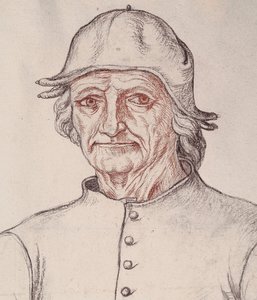
ヨルハナムス・ボッシュ
1450 - 1516 , オランダ
基本情報
- Artistic Movement Or Style: シュルレアリスム、シンボリズム
- Artists Or Movements Influenced By This Artist: ['ピエーター・ブーデルガー・ザ・イルダー']
- Date Of Death: 1516年
- Full Name: Hieronymus Bosch
- Nationality: オランダ人
- Notable Artworks: ['楽園の庭」「最後の審判トリプティーク」「聖母昇天」「洗禮記念']
- Place Of Birth: ボッヘルンボスク、オランダ
関連記事
ヒエロニムス・ボッシュ傑作25選:幻想と寓意の世界 | ArtsDot
ヒエロニムス・ボッシュの傑作25選。中世絵画の幻想的な世界を巡り、寓意と象徴に満ちた作品群を紐解きます。ArtsDotで高品質な油絵複製やアートプリントをお楽しみください。ボッシュの色彩とテーマをあなたの空間に。今すぐコレクションをご覧ください。
Hieronymus Bosch: Decoding the Visions of a Netherlandish Master
Explore the captivating world of Hieronymus Bosch! Delve into the symbolism, religious context, and artistic innovation of this Netherlandish master with ArtsDot's expert analysis. Discover his iconic paintings & lasting influence.

The Enduring Legacy of Oil on Canvas: Technique, History & Aesthetic Impact
Explore the rich history & techniques of oil painting – from Renaissance masters to Impressionism. Discover pigments, layering methods, and why this timeless medium endures. Expert insights for artists & art enthusiasts.

The Enduring Power of Painting: A Historical & Contemporary Exploration of Form and Emotion
Explore the rich history & enduring techniques of oil painting with ArtsDot. Discover masterpieces, learn about art collecting, and find authentic handmade reproductions crafted by skilled artists.

Oil on Canvas: A Historical & Technical Exploration of a Timeless Artistic Medium
Explore the rich history & enduring techniques of oil painting on canvas. Discover the science behind its longevity, conservation practices, and contemporary relevance. Expert insights for art enthusiasts.