 プレビュー
プレビュー
 プリントを購入
 シェアする
シェアする シェアする
シェアする
 詳細を見る
詳細を見る

 ダウンロード
 似ている作品
 X線調査
X線調査 スライドショー
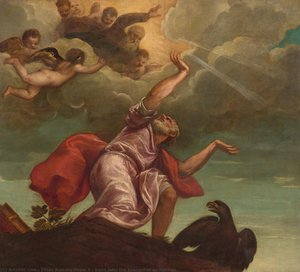
Saint John the Evangelist on Patmos


 詳細を見る
詳細を見る




P118B $10

P118H $10

P118W $10

P438Z $10

P508JH $12

P508YH $12

P805H $10

P805Z $10

P919BZ $10

P919G $10

P919XJ $10

P959ZH $10

P968JZ $12

W106C $8

W218G $10

W218JH $8

W218Y $10

W307PJ $10

W316G $10

W316PJ $8

W316Y $10

W398PJ $8

W4111J $10

W500HY $15

W500JH $15

W692G $12

W849H $8

W940BG $15

W953PJ $8




作品のオリジナル比率に合わせた、当店の規定サイズからお選びください。

特定のフレームやスペースに合わせて、ご希望のサイズをご入力いただけます。選択されたサイズが元の画像の比率と異なる場合、アートワークをトリミングするか、手描きで要素を追加して絵画を拡張いたします。デジタルモックアップ を制作し、制作開始前にご確認(承認)をいただきます。
画面上のプレビューは、実際のトリミングや拡張を正確に反映しているものではありません。最終的な構図は、モックアップによってのみ正確にご確認いただけます。
カスタムサイズもご利用いただけますが、元の比率を維持するためには、あらかじめ用意されたリストからサイズを選択することをお勧めいたします。
ご注文後、ArtsDot.com チームより詳細な指示をお送りするとともに、仕上がりイメージ(モックアップ)をご提供いたします。


 ガラスオプションは、110cm未満のサイズでのみご利用いただけます。

Saint John the Evangelist on Patmos
複製技法
複製画のサイズ
-


合計金額
$ 263
作品解説
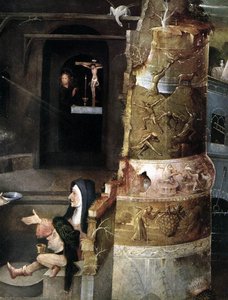
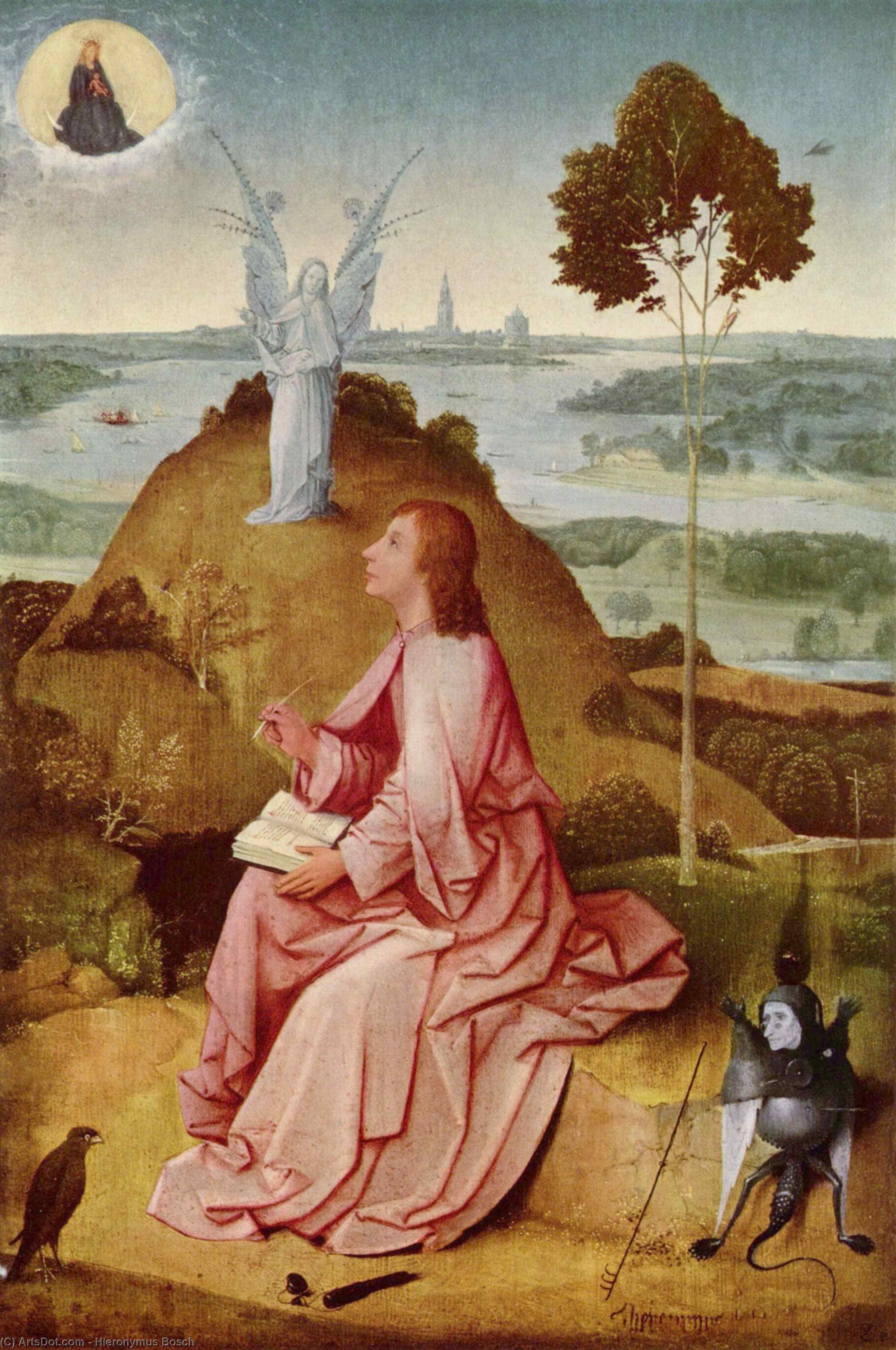
A Vision of Faith: Hieronymus Bosch’s Saint John the Evangelist on Patmos
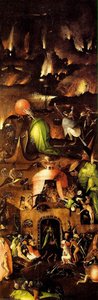
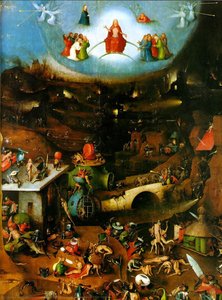
Hieronymus Bosch's “Saint John the Evangelist on Patmos,” painted around 1485, stands as a haunting testament to the anxieties and spiritual fervor that gripped Europe during the Renaissance. More than just a depiction of biblical scripture—the saint wrestling with divine revelation—it’s an unsettling exploration of human psychology interwoven with potent religious symbolism, cementing Bosch's place among the most distinctive voices of his era. Currently housed in Berlin’s Gemäldegalerie, this painting transcends mere representation; it invites contemplation and compels viewers to confront uncomfortable truths about faith and mortality.The Artist’s Vision: Bosch’s Unique Style
Bosch’s artistic approach was radically different from the prevailing stylistic trends of his time. Unlike many artists striving for idealized beauty—a hallmark of Florentine Renaissance painting—Bosch deliberately eschewed harmony and proportion, favoring instead a grotesque realism that prioritized emotional impact over aesthetic perfection. His canvases pulsate with bizarre creatures, fantastical landscapes populated by demons and angels alike, and meticulously rendered details imbued with disturbing symbolism. This unsettling style wasn’t born from mere eccentricity; it reflected Bosch's profound engagement with medieval folklore and Christian mysticism—beliefs that saw the world as a battlefield between good and evil, where humanity was perpetually threatened by demonic forces.Technique and Detail: A Masterful Orchestration of Color and Texture
Bosch employed oil paint on panel, utilizing layering techniques to achieve remarkable depth and luminosity. The artist meticulously blended pigments to create subtle gradations of color—primarily earthy tones accented with vibrant reds and blues—capturing the hazy atmosphere of Patmos Island. Bosch’s painstaking attention to detail extended beyond mere visual accuracy; he incorporated intricate textures that conveyed a sense of unease and disorientation. Observe particularly the rough surface of the rock upon which Saint John sits, mirroring the saint's inner turmoil. The artist skillfully rendered the foliage surrounding him—trees laden with fruit and birds—creating a paradoxical juxtaposition between earthly beauty and demonic intrusion.Symbolism: Layers of Meaning Within the Image
“Saint John on Patmos” is rife with symbolic references that enrich its narrative complexity. The saint’s posture—head bowed in contemplation, hands clasped together—represents humility and prayerfulness, yet simultaneously conveys a palpable sense of despair. The angel figures flanking Saint John embody divine protection and guidance, but their positioning suggests an inescapable confrontation with the forces of evil. The bird perched on the ground symbolizes resurrection and hope amidst darkness, albeit rendered as a creature seemingly consumed by decay. Most notably, the book—likely representing Holy Scripture—is depicted open but unreadable, symbolizing the difficulty of grasping God’s divine mysteries. Bosch deliberately destabilizes conventional iconography, forcing viewers to grapple with unsettling questions about faith and judgment.Emotional Resonance: A Portrait of Spiritual Struggle
Ultimately, “Saint John on Patmos” succeeds in conveying a profound emotional resonance that continues to captivate audiences centuries later. The painting doesn't offer comfort or reassurance; instead, it confronts us with the inescapable reality of human vulnerability and the omnipresent threat of demonic influence. Bosch’s masterful manipulation of color, texture, and symbolism compels us to contemplate our own spiritual struggles—the yearning for divine grace amidst the chaos of earthly existence. Owning a high-quality reproduction allows you to immerse yourself in this unforgettable vision of faith and experience the enduring power of Bosch's unsettling genius.関連作品
アーティストの略歴
Hieronymus Bosch (c. 1450-1516): ドイツのルネサンス神秘主義者の驚くべき芸術家
Hieronymus Boschは、約1450年にオランダのデン・ボッシュで生まれました。当時の Brabant地域は、後期の中世宗教熱情とフォロクルの中心であり、彼の芸術的な視界を深く形成しました。彼の家族は絵画の伝統を持っており、父親と祖父の両方が画家でした。彼は家族の工房で幼少期に美術訓練を受け、伝統的なオランダ絵画の技術と注意深い詳細を吸収しました。しかし、彼はすぐにこれらの規範を超え、驚くべき想像力を表現するキャリアを築きました。彼の生애に関する情報は非常に乏しく、記録は断片化されており、彼の人間と作品の両方に対する神秘的な雰囲気を増しています。彼は約1481年にAleyt Goyaerts van den Meerveenと結婚し、彼女の家族が所有する財産によって経済的な安定を得ましたが、他のことはほとんど知られていませんでした。彼の個人的な生活は謎に包まれています。驚くべき芸術的スタイルと幻想的なイメージ
Boschの芸術的なスタイルはすぐに認識可能でした。彼は油絵をオークパネルに塗ることで有名な技術を持っています。彼は初期の作品で伝統的なオランダ絵画の影響を受けましたが、すぐにそれを模倣するのではなく、独自の視界を開発しました。彼の絵画は単なる現実の描写ではありません。それは幻想的な生き物や奇妙な生物や不安なシーンが満たされた象徴的な風景であり、人間の精神と社会に対する深い疑問を探求しています。彼は特に悪意、誘惑、そして神の裁定への脆弱性を強調する宗教的なテーマに取り組んでいます。彼の生き物は悪魔のような恐ろしい生き物、幻想的な動物、そして奇妙に人間的な人物で、それは聖なるものと profane なものが融合した独特の不安感を生み出しています。彼はこれらの要素を組み合わせることで、他の芸術家よりも驚くべき視界を持つアーティストとなり、彼の芸術は時代を超えて人々を魅了し続けています。彼は特に悪魔のような恐ろしい生き物、幻想的な動物、そして奇妙に人間的な人物で、それは聖なるものと profane なものが融合した独特の不安感を生み出しています。彼の創造性は驚くべきものであり、他の芸術家よりも驚くべき視界を持つアーティストとなり、彼の芸術は時代を超えて人々を魅了し続けています。彼は特に悪魔のような恐ろしい生き物、幻想的な動物、そして奇妙に人間的な人物で、それは聖なるものと profane なものが融合した独特の不安感を生み出しています。彼の創造性は驚くべきものであり、他の芸術家よりも驚くべき視界を持つアーティストとなり、彼の芸術は時代を超えて人々を魅了し続けています。彼は特に悪魔のような恐ろしい生き物、幻想的な動物、そして奇妙に人間的な人物で、それは聖なるものと profane なものが融合した独特の不安感を生み出しています。彼の創造性は驚くべきものであり、他の芸術家よりも驚くべき視界を持つアーティストとなり、彼の芸術は時代を超えて人々を魅了し続けています。彼は特に悪魔のような恐ろしい生き物、幻想的な動物、そして奇妙に人間的な人物で、それは聖なるものと profane なものが融合した独特の不安感を生み出しています。彼の創造性は驚くべきものであり、他の芸術家よりも驚くべき視界を持つアーティストとなり、彼の芸術は時代を超えて人々を魅了し続けています。彼は特に悪魔のような恐ろしい生き物、幻想的な動物、そして奇妙に人間的な人物で、それは聖なるものと profane なものが融合した独特の不安感を生み出しています。彼の創造性は驚くべきものであり、他の芸術家よりも驚くべき視界を持つアーティストとなり、彼の芸術は時代を超えて人々を魅了し続けています。彼は特に悪魔のような恐ろしい生き物、幻想的な動物、そして奇妙に人間的な人物で、それは聖なるものと profane なものが融合した独特の不安感を生み出しています。彼の創造性は驚くべきものであり、他の芸術家よりも驚くべき視界を持つアーティストとなり、彼の芸術は時代を超えて人々を魅了し続けています。彼は特に悪魔のような恐ろしい生き物、幻想的な動物、そして奇妙に人間的な人物で、それは聖なるものと profane なものが融合した独特の不安感を生み出しています。彼の創造性は驚くべきものであり、他の芸術家よりも驚くべき視界を持つアーティストとなり、彼の芸術は時代を超えて人々を魅了し続けています。彼は特に悪魔のような恐ろしい生き物、幻想的な動物、そして奇妙に人間的な人物で、それは聖なるものと profane なものが融合した独特の不安感を生み出しています。彼の創造性は驚くべきものであり、他の芸術家よりも驚くべき視界を持つアーティストとなり、彼の芸術は時代を超えて人々を魅了し続けています。彼は特に悪魔のような恐ろしい生き物、幻想的な動物、そして奇妙に人間的な人物で、それは聖なるものと profane なものが融合した独特の不安感を生み出しています。彼の創造性は驚くべきものであり、他の芸術家よりも驚くべき視界を持つアーティストとなり、彼の芸術は時代を超えて人々を魅了し続けています。彼は特に悪魔のような恐ろしい生き物、幻想的な動物、そして奇妙に人間的な人物で、それは聖なるものと profane なものが融合した独特の不安感を生み出しています。彼の創造性は驚くべきものであり、他の芸術家よりも驚くべき視界を持つアーティストとなり、彼の芸術は時代を超えて人々を魅了し続けています。彼は特に悪魔のような恐ろしい生き物、幻想的な動物、そして奇妙に人間的な人物で、それは聖なるものと profane なものが融合した独特の不安感を生み出しています。彼の創造性は驚くべきものであり、他の芸術家よりも驚くべき視界を持つアーティストとなり、彼の芸術は時代を超えて人々を魅了し続けています。彼は特に悪魔のような恐ろしい生き物、幻想的な動物、そして奇妙に人間的な人物で、それは聖なるものと profane なものが融合した独特の不安感を生み出しています。彼の創造性は驚くべきものであり、他の芸術家よりも驚くべき視界を持つアーティストとなり、彼の芸術は時代を超えて人々を魅了し続けています。彼は特に悪魔のような恐ろしい生き物、幻想的な動物、そして奇妙に人間的な人物で、それは聖なるものと profane なものが融合した独特の不安感を生み出しています。彼の創造性は驚くべきものであり、他の芸術家よりも驚くべき視界を持つアーティストとなり、彼の芸術は時代を超えて人々を魅了し続けています。彼は特に悪魔のような恐ろしい生き物、幻想的な動物、そして奇妙に人間的な人物で、それは聖なるものと profane なものが融合した独特の不安感を生み出しています。彼の創造性は驚くべきものであり、他の芸術家よりも驚くべき視界を持つアーティストとなり、彼の芸術は時代を超えて人々を魅了し続けています。彼は特に悪魔のような恐ろしい生き物、幻想的な動物、そして奇妙に人間的な人物で、それは聖なるものと profane なものが融合した独特の不安感を生み出しています。彼の創造性は驚くべきものであり、他の芸術家よりも驚くべき視界を持つアーティストとなり、彼の芸術は時代を超えて人々を魅了し続けています。彼は特に悪魔のような恐ろしい生き物、幻想的な動物、そして奇妙に人間的な人物で、それは聖なるものと profane なものが融合した独特の不安感を生み出しています。彼の創造性は驚くべきものであり、他の芸術家よりも驚くべき視界を持つアーティストとなり、彼の芸術は時代を超えて人々を魅了し続けています。彼は特に悪魔のような恐ろしい生き物、幻想的な動物、そして奇妙に人間的な人物で、それは聖なるものと profane なものが融合した独特の不安感を生み出しています。彼の創造性は驚くべきものであり、他の芸術家よりも驚くべき視界を持つアーティストとなり、彼の芸術は時代を超えて人々を魅了し続けています。彼は特に悪魔のような恐ろしい生き物、幻想的な動物、そして奇妙に人間的な人物で、それは聖なるものと profane なものが融合した独特の不安感を生み出しています。彼の創造性は驚くべきものであり、他の芸術家よりも驚くべき視界を持つアーティストとなり、彼の芸術は時代を超えて人々を魅了し続けています。彼は特に悪魔のような恐ろしい生き物、幻想的な動物、そして奇妙に人間的な人物で、それは聖なるものと profane なものが融合した独特の不安感を生み出しています。彼の創造性は驚くべきものであり、他の芸術家よりも驚くべき視界を持つアーティストとなり、彼の芸術は時代を超えて人々を魅了し続けています。彼は特に悪魔のような恐ろしい生き物、幻想的な動物、そして奇妙に人間的な人物で、それは聖なる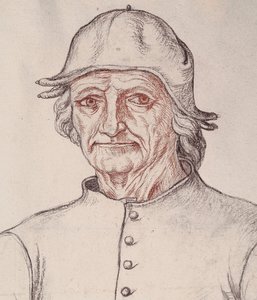
ヨルハナムス・ボッシュ
1450 - 1516 , オランダ
基本情報
- Artistic Movement Or Style: シュルレアリスム、シンボリズム
- Artists Or Movements Influenced By This Artist: ['ピエーター・ブーデルガー・ザ・イルダー']
- Date Of Death: 1516年
- Full Name: Hieronymus Bosch
- Nationality: オランダ人
- Notable Artworks: ['楽園の庭」「最後の審判トリプティーク」「聖母昇天」「洗禮記念']
- Place Of Birth: ボッヘルンボスク、オランダ
関連記事
ヒエロニムス・ボッシュ傑作25選:幻想と寓意の世界 | ArtsDot
ヒエロニムス・ボッシュの傑作25選。中世絵画の幻想的な世界を巡り、寓意と象徴に満ちた作品群を紐解きます。ArtsDotで高品質な油絵複製やアートプリントをお楽しみください。ボッシュの色彩とテーマをあなたの空間に。今すぐコレクションをご覧ください。
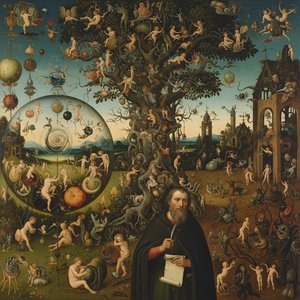
Hieronymus Bosch: Decoding the Visions of a Netherlandish Master
Explore the captivating world of Hieronymus Bosch! Delve into the symbolism, religious context, and artistic innovation of this Netherlandish master with ArtsDot's expert analysis. Discover his iconic paintings & lasting influence.

ジョン・シンガー・サージェント:至高の25選 - 美と光の肖像画の世界 | ArtsDot
ジョン・シンガー・サージェントの至高の25選。肖像画、写実主義、光と影の表現が美しい作品群を紐解きます。マダムXや少女の肖像など、時代を超えて愛される名作をArtsDotで鑑賞。高品質なアート複製で、お部屋に美術館のような空間を。今すぐコレクションをご覧ください。

ジョン・コンスタブルの傑作25選:英国風景画の巨匠が描く自然と光の詩 | ArtsDot
ジョン・コンスタブルの傑作25選。英国風景画の巨匠が描く自然と光の詩の世界へ。ロマン主義を代表する絵画、デダム・ヴェールやヘイ・ウェインなど、ArtsDotで高品質なアートプリントをお楽しみください。インテリアに深みと感動を。コレクションはこちら。
Discover the Divine: Inspiring Saint Anthony Artworks to Elevate Your Home Decor
Transform your home with the profound beauty of Saint Anthony artworks. Explore exquisite Baroque reproductions by Murillo and Zurbarán, hand-painted on 100% cotton canvas to bring divine serenity and timeless elegance to your interior design.