 プレビュー
プレビュー
 プリントを購入
 シェアする
シェアする シェアする
シェアする
 詳細を見る
詳細を見る

 ダウンロード
 似ている作品
 X線調査
X線調査 スライドショー
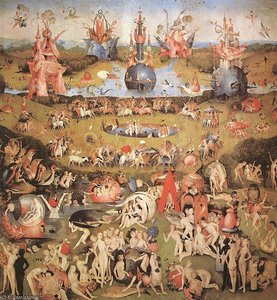
Triptych of Garden of Earthly Delights (detail) (49)


 詳細を見る
詳細を見る




P118B $10

P118H $10

P118W $10

P438Z $10

P508JH $12

P508YH $12

P805H $10

P805Z $10

P919BZ $10

P919G $10

P919XJ $10

P959ZH $10

P968JZ $12

W106C $8

W218G $10

W218JH $8

W218Y $10

W307PJ $10

W316G $10

W316PJ $8

W316Y $10

W398PJ $8

W4111J $10

W500HY $15

W500JH $15

W692G $12

W849H $8

W940BG $15

W953PJ $8




作品のオリジナル比率に合わせた、当店の規定サイズからお選びください。

特定のフレームやスペースに合わせて、ご希望のサイズをご入力いただけます。選択されたサイズが元の画像の比率と異なる場合、アートワークをトリミングするか、手描きで要素を追加して絵画を拡張いたします。デジタルモックアップ を制作し、制作開始前にご確認(承認)をいただきます。
画面上のプレビューは、実際のトリミングや拡張を正確に反映しているものではありません。最終的な構図は、モックアップによってのみ正確にご確認いただけます。
カスタムサイズもご利用いただけますが、元の比率を維持するためには、あらかじめ用意されたリストからサイズを選択することをお勧めいたします。
ご注文後、ArtsDot.com チームより詳細な指示をお送りするとともに、仕上がりイメージ(モックアップ)をご提供いたします。


 ガラスオプションは、110cm未満のサイズでのみご利用いただけます。

Triptych of Garden of Earthly Delights (detail) (49)
複製技法
複製画のサイズ
-


合計金額
$ 263
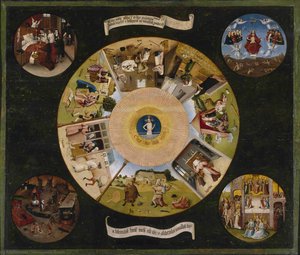
Decoding the Visions of Hieronymus Bosch: A Journey into Surreal Renaissance
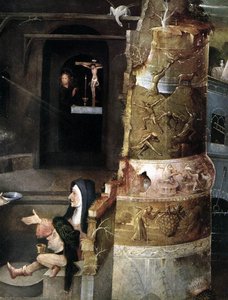
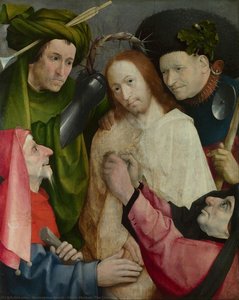
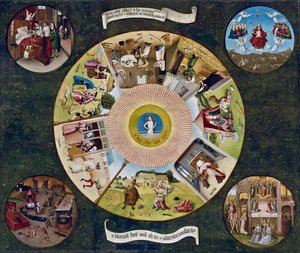
Hieronymus Bosch remains one of art history’s most enigmatic figures, a painter whose unsettling visions continue to captivate audiences centuries after his death in 1516. Born around 1450 in ’s-Hertogenbosch, Netherlands—a region grappling with religious anxieties and burgeoning humanist thought—Bosch's artistic output defies easy categorization, presenting instead a breathtaking tapestry of biblical allegory interwoven with fantastical imagery that borders on nightmare. His oeuvre is remarkably sparse – only around 36 paintings survive, making each piece an extraordinary window into the mind of a singular genius. Biographical details are frustratingly elusive; records reveal scant information about his personal life, fueling speculation and cementing his reputation as a prophet of darkness. Yet, it’s precisely this obscurity that lends Bosch's art its enduring power, prompting ongoing debate about its meaning and significance.The Garden of Earthly Delights: A Biblical Nightmare Rendered in Detail
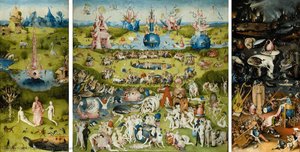
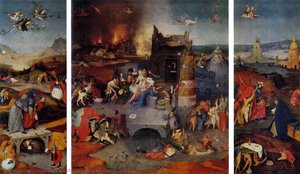
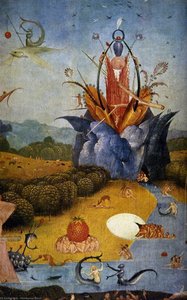
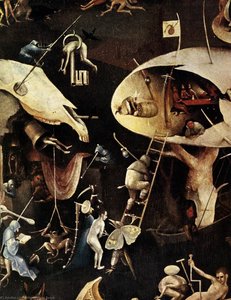
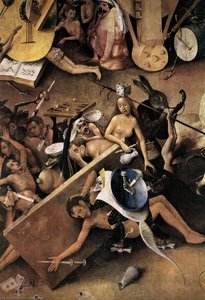
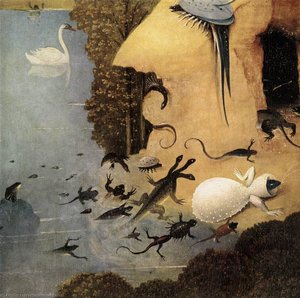
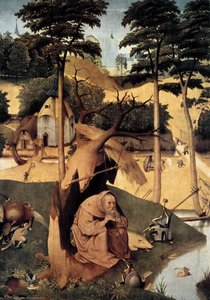
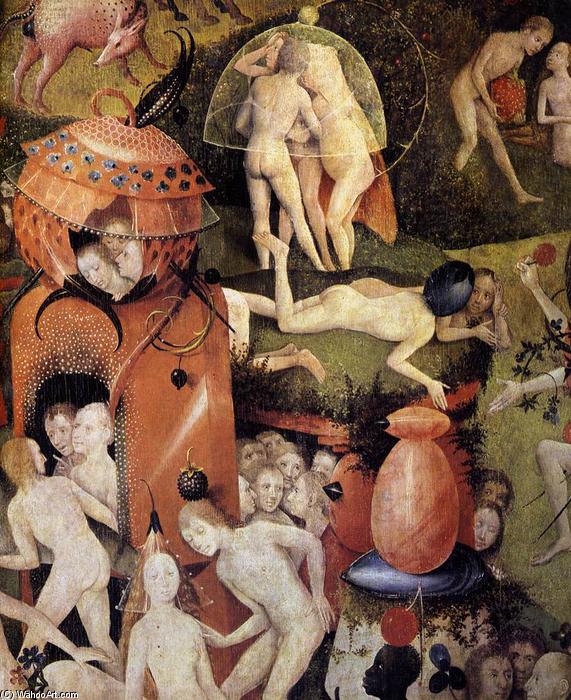
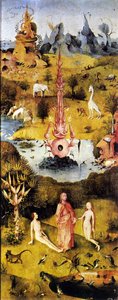
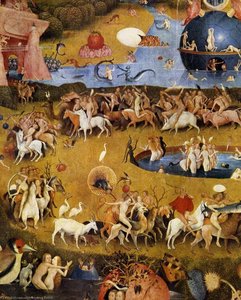
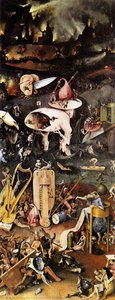
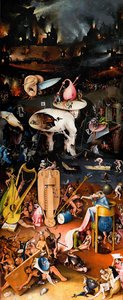
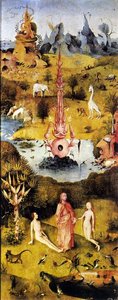
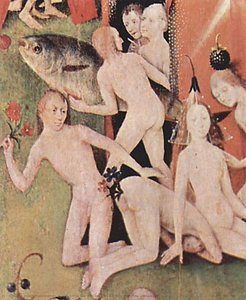
“Triptych of Garden of Earthly Delights” exemplifies Bosch’s unparalleled ability to fuse Christian morality with grotesque spectacle. Painted circa 1500, this monumental artwork—likely commissioned for a private chapel—immediately confronts the viewer with a scene of profound unease. The central panel depicts two figures locked in passionate embrace amidst a chaotic landscape populated by bizarre creatures and humanoids engaged in hedonistic pursuits: gluttony, lust, and indulgence dominate the visual narrative. Bosch’s meticulous technique – employing oil paint on panel – allows for astonishing detail, capturing every unsettling nuance of expression and gesture. The artist's masterful use of color contributes to the painting’s oppressive atmosphere, utilizing muted hues punctuated by flashes of vibrant reds and yellows to heighten the drama and underscore the moral corruption at its core.- Style: Northern Renaissance – Bosch’s style distinguishes itself from his contemporaries through its preoccupation with psychological depth and fantastical invention.
- Technique: Oil on Panel – Bosch's meticulous layering of paint creates textures that convey both realism and otherworldly luminescence.
- Historical Context: The painting reflects the anxieties surrounding humanist thought and religious dogma prevalent in Europe during the early 16th century, presenting a stark contrast to idealized depictions of paradise.
Symbolism Beyond Recognition: Layers of Meaning Within Madness
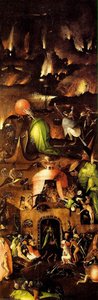
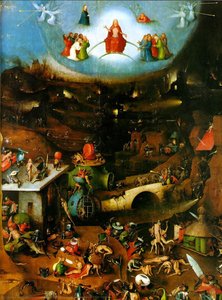
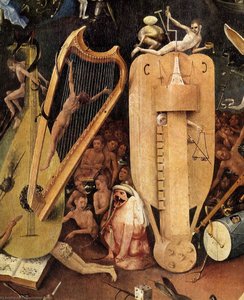
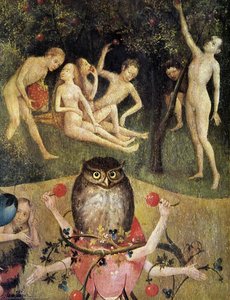
Bosch’s genius lies not merely in his artistic skill but also in his profound understanding of symbolism—a cornerstone of medieval and Renaissance art alike. The Garden of Earthly Delights is replete with references to biblical texts, reimagined through Bosch's unsettling lens. Animals – serpents, foxes, birds – represent temptation and deceit; grotesque figures embody sin and corruption; and fantastical landscapes depict purgatory and hell. Each element serves as a conduit for conveying moral lessons about human folly and the consequences of straying from God’s path. The painting’s overall composition—a deliberate disruption of traditional perspective—further emphasizes Bosch's rejection of conventional artistic conventions, prioritizing emotional impact over visual accuracy.Emotional Resonance: Confronting Humanity’s Dark Side
“Triptych of Garden of Earthly Delights” transcends mere aesthetic beauty; it compels viewers to confront uncomfortable truths about human nature. Bosch doesn't offer comforting reassurance but rather a chilling portrayal of humanity consumed by desire and driven toward destruction. The painting’s unsettling imagery lingers in the mind long after viewing, prompting contemplation on themes of morality, faith, and mortality. It stands as a testament to Bosch’s ability to capture not just what he saw but also what he felt—a visceral reaction to the anxieties of his time that continues to resonate powerfully with audiences today. Its enduring appeal lies in its unflinching gaze into the abyss of human experience, securing its place as one of the most unforgettable artworks of the Renaissance.関連作品
アーティストの略歴
Hieronymus Bosch (c. 1450-1516): ドイツのルネサンス神秘主義者の驚くべき芸術家
Hieronymus Boschは、約1450年にオランダのデン・ボッシュで生まれました。当時の Brabant地域は、後期の中世宗教熱情とフォロクルの中心であり、彼の芸術的な視界を深く形成しました。彼の家族は絵画の伝統を持っており、父親と祖父の両方が画家でした。彼は家族の工房で幼少期に美術訓練を受け、伝統的なオランダ絵画の技術と注意深い詳細を吸収しました。しかし、彼はすぐにこれらの規範を超え、驚くべき想像力を表現するキャリアを築きました。彼の生애に関する情報は非常に乏しく、記録は断片化されており、彼の人間と作品の両方に対する神秘的な雰囲気を増しています。彼は約1481年にAleyt Goyaerts van den Meerveenと結婚し、彼女の家族が所有する財産によって経済的な安定を得ましたが、他のことはほとんど知られていませんでした。彼の個人的な生活は謎に包まれています。驚くべき芸術的スタイルと幻想的なイメージ
Boschの芸術的なスタイルはすぐに認識可能でした。彼は油絵をオークパネルに塗ることで有名な技術を持っています。彼は初期の作品で伝統的なオランダ絵画の影響を受けましたが、すぐにそれを模倣するのではなく、独自の視界を開発しました。彼の絵画は単なる現実の描写ではありません。それは幻想的な生き物や奇妙な生物や不安なシーンが満たされた象徴的な風景であり、人間の精神と社会に対する深い疑問を探求しています。彼は特に悪意、誘惑、そして神の裁定への脆弱性を強調する宗教的なテーマに取り組んでいます。彼の生き物は悪魔のような恐ろしい生き物、幻想的な動物、そして奇妙に人間的な人物で、それは聖なるものと profane なものが融合した独特の不安感を生み出しています。彼はこれらの要素を組み合わせることで、他の芸術家よりも驚くべき視界を持つアーティストとなり、彼の芸術は時代を超えて人々を魅了し続けています。彼は特に悪魔のような恐ろしい生き物、幻想的な動物、そして奇妙に人間的な人物で、それは聖なるものと profane なものが融合した独特の不安感を生み出しています。彼の創造性は驚くべきものであり、他の芸術家よりも驚くべき視界を持つアーティストとなり、彼の芸術は時代を超えて人々を魅了し続けています。彼は特に悪魔のような恐ろしい生き物、幻想的な動物、そして奇妙に人間的な人物で、それは聖なるものと profane なものが融合した独特の不安感を生み出しています。彼の創造性は驚くべきものであり、他の芸術家よりも驚くべき視界を持つアーティストとなり、彼の芸術は時代を超えて人々を魅了し続けています。彼は特に悪魔のような恐ろしい生き物、幻想的な動物、そして奇妙に人間的な人物で、それは聖なるものと profane なものが融合した独特の不安感を生み出しています。彼の創造性は驚くべきものであり、他の芸術家よりも驚くべき視界を持つアーティストとなり、彼の芸術は時代を超えて人々を魅了し続けています。彼は特に悪魔のような恐ろしい生き物、幻想的な動物、そして奇妙に人間的な人物で、それは聖なるものと profane なものが融合した独特の不安感を生み出しています。彼の創造性は驚くべきものであり、他の芸術家よりも驚くべき視界を持つアーティストとなり、彼の芸術は時代を超えて人々を魅了し続けています。彼は特に悪魔のような恐ろしい生き物、幻想的な動物、そして奇妙に人間的な人物で、それは聖なるものと profane なものが融合した独特の不安感を生み出しています。彼の創造性は驚くべきものであり、他の芸術家よりも驚くべき視界を持つアーティストとなり、彼の芸術は時代を超えて人々を魅了し続けています。彼は特に悪魔のような恐ろしい生き物、幻想的な動物、そして奇妙に人間的な人物で、それは聖なるものと profane なものが融合した独特の不安感を生み出しています。彼の創造性は驚くべきものであり、他の芸術家よりも驚くべき視界を持つアーティストとなり、彼の芸術は時代を超えて人々を魅了し続けています。彼は特に悪魔のような恐ろしい生き物、幻想的な動物、そして奇妙に人間的な人物で、それは聖なるものと profane なものが融合した独特の不安感を生み出しています。彼の創造性は驚くべきものであり、他の芸術家よりも驚くべき視界を持つアーティストとなり、彼の芸術は時代を超えて人々を魅了し続けています。彼は特に悪魔のような恐ろしい生き物、幻想的な動物、そして奇妙に人間的な人物で、それは聖なるものと profane なものが融合した独特の不安感を生み出しています。彼の創造性は驚くべきものであり、他の芸術家よりも驚くべき視界を持つアーティストとなり、彼の芸術は時代を超えて人々を魅了し続けています。彼は特に悪魔のような恐ろしい生き物、幻想的な動物、そして奇妙に人間的な人物で、それは聖なるものと profane なものが融合した独特の不安感を生み出しています。彼の創造性は驚くべきものであり、他の芸術家よりも驚くべき視界を持つアーティストとなり、彼の芸術は時代を超えて人々を魅了し続けています。彼は特に悪魔のような恐ろしい生き物、幻想的な動物、そして奇妙に人間的な人物で、それは聖なるものと profane なものが融合した独特の不安感を生み出しています。彼の創造性は驚くべきものであり、他の芸術家よりも驚くべき視界を持つアーティストとなり、彼の芸術は時代を超えて人々を魅了し続けています。彼は特に悪魔のような恐ろしい生き物、幻想的な動物、そして奇妙に人間的な人物で、それは聖なるものと profane なものが融合した独特の不安感を生み出しています。彼の創造性は驚くべきものであり、他の芸術家よりも驚くべき視界を持つアーティストとなり、彼の芸術は時代を超えて人々を魅了し続けています。彼は特に悪魔のような恐ろしい生き物、幻想的な動物、そして奇妙に人間的な人物で、それは聖なるものと profane なものが融合した独特の不安感を生み出しています。彼の創造性は驚くべきものであり、他の芸術家よりも驚くべき視界を持つアーティストとなり、彼の芸術は時代を超えて人々を魅了し続けています。彼は特に悪魔のような恐ろしい生き物、幻想的な動物、そして奇妙に人間的な人物で、それは聖なるものと profane なものが融合した独特の不安感を生み出しています。彼の創造性は驚くべきものであり、他の芸術家よりも驚くべき視界を持つアーティストとなり、彼の芸術は時代を超えて人々を魅了し続けています。彼は特に悪魔のような恐ろしい生き物、幻想的な動物、そして奇妙に人間的な人物で、それは聖なるものと profane なものが融合した独特の不安感を生み出しています。彼の創造性は驚くべきものであり、他の芸術家よりも驚くべき視界を持つアーティストとなり、彼の芸術は時代を超えて人々を魅了し続けています。彼は特に悪魔のような恐ろしい生き物、幻想的な動物、そして奇妙に人間的な人物で、それは聖なるものと profane なものが融合した独特の不安感を生み出しています。彼の創造性は驚くべきものであり、他の芸術家よりも驚くべき視界を持つアーティストとなり、彼の芸術は時代を超えて人々を魅了し続けています。彼は特に悪魔のような恐ろしい生き物、幻想的な動物、そして奇妙に人間的な人物で、それは聖なるものと profane なものが融合した独特の不安感を生み出しています。彼の創造性は驚くべきものであり、他の芸術家よりも驚くべき視界を持つアーティストとなり、彼の芸術は時代を超えて人々を魅了し続けています。彼は特に悪魔のような恐ろしい生き物、幻想的な動物、そして奇妙に人間的な人物で、それは聖なるものと profane なものが融合した独特の不安感を生み出しています。彼の創造性は驚くべきものであり、他の芸術家よりも驚くべき視界を持つアーティストとなり、彼の芸術は時代を超えて人々を魅了し続けています。彼は特に悪魔のような恐ろしい生き物、幻想的な動物、そして奇妙に人間的な人物で、それは聖なるものと profane なものが融合した独特の不安感を生み出しています。彼の創造性は驚くべきものであり、他の芸術家よりも驚くべき視界を持つアーティストとなり、彼の芸術は時代を超えて人々を魅了し続けています。彼は特に悪魔のような恐ろしい生き物、幻想的な動物、そして奇妙に人間的な人物で、それは聖なるものと profane なものが融合した独特の不安感を生み出しています。彼の創造性は驚くべきものであり、他の芸術家よりも驚くべき視界を持つアーティストとなり、彼の芸術は時代を超えて人々を魅了し続けています。彼は特に悪魔のような恐ろしい生き物、幻想的な動物、そして奇妙に人間的な人物で、それは聖なる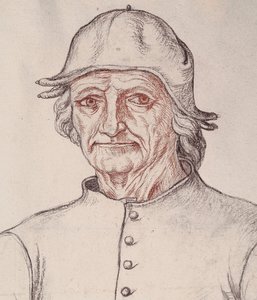
ヨルハナムス・ボッシュ
1450 - 1516 , オランダ
基本情報
- Artistic Movement Or Style: シュルレアリスム、シンボリズム
- Artists Or Movements Influenced By This Artist: ['ピエーター・ブーデルガー・ザ・イルダー']
- Date Of Death: 1516年
- Full Name: Hieronymus Bosch
- Nationality: オランダ人
- Notable Artworks: ['楽園の庭」「最後の審判トリプティーク」「聖母昇天」「洗禮記念']
- Place Of Birth: ボッヘルンボスク、オランダ
関連記事
ヒエロニムス・ボッシュ傑作25選:幻想と寓意の世界 | ArtsDot
ヒエロニムス・ボッシュの傑作25選。中世絵画の幻想的な世界を巡り、寓意と象徴に満ちた作品群を紐解きます。ArtsDotで高品質な油絵複製やアートプリントをお楽しみください。ボッシュの色彩とテーマをあなたの空間に。今すぐコレクションをご覧ください。
Hieronymus Bosch: Decoding the Visions of a Netherlandish Master
Explore the captivating world of Hieronymus Bosch! Delve into the symbolism, religious context, and artistic innovation of this Netherlandish master with ArtsDot's expert analysis. Discover his iconic paintings & lasting influence.
Cultivating Paradise: A Historical & Artistic Exploration of Gardens in Painting
Explore the rich history of gardens in painting! Discover masterpieces from Renaissance to Impressionism & beyond. Learn about symbolism, artists like Monet & Klimt, and find your perfect artwork at ArtsDot.
プラド美術館の至宝25選:名画が語るスペイン美術史 | ArtsDot
プラド美術館の至宝25選🎨 ベルラスケス、ゴヤの名画を紐解き、スペイン美術史を旅する。油絵、バロック、印象派…ArtsDotで高品質な複製画とインテリアアートを見つけよう。名画の世界をあなたの空間に✨ Explore the full collection online!
The Resonance of Earth Tones: Exploring Emotional Depth & Artistic Context in Paintings
Explore the captivating world of earth tones in painting! Discover the historical context, emotional resonance, and artistic techniques behind these timeless colors. Learn how to create harmonious spaces with natural palettes.