

 プレビュー
プレビュー
 シェアする
シェアする シェアする
シェアする
 詳細を見る
詳細を見る

 ダウンロード
 似ている作品
 X線調査
X線調査 スライドショー
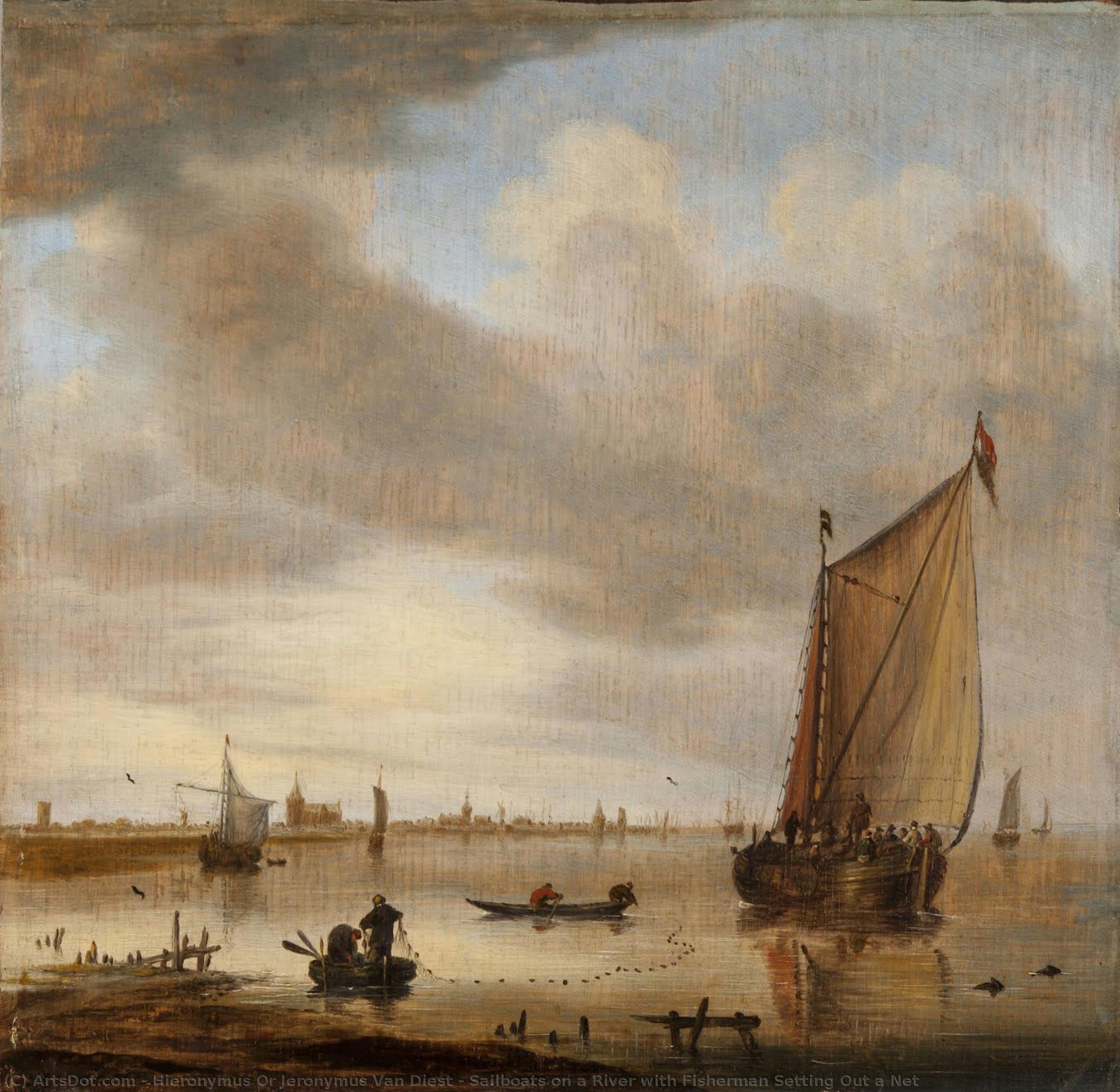
Sailboats on a River with Fisherman Setting Out a Net
 Oil On Canvas
- WallArt
- Baroque
 1660
1660 33.0 x 34.0 cm
 Taft Museum of Art
 詳細を見る
詳細を見る
ジークレー/アートプリント
迅速な制作と多彩な仕上げオプションを備えた、ミュージアムクオリティのジークレーまたはキャンバスプリント。 ( 手描きの絵画を購入 画像を購入)




P118B $10

P118H $10

P118W $10

P438Z $10

P508JH $12

P508YH $12

P805H $10

P805Z $10

P919BZ $10

P919G $10

P919XJ $10

P959ZH $10

P968JZ $12

W106C $8

W218G $10

W218JH $8

W218Y $10

W307PJ $10

W316G $10

W316PJ $8

W316Y $10

W398PJ $8

W4111J $10

W500HY $15

W500JH $15

W692G $12

W849H $8

W940BG $15

W953PJ $8




作品のオリジナル比率に合わせた、当店の規定サイズからお選びください。

特定のフレームやスペースに合わせて、ご自身でサイズを指定することも可能です。選択されたサイズが元の画像の比率と一致しない場合、作品をトリミングするか、鏡面反射または単色での塗りつぶしによって画像を拡張いたします。制作を開始する前に、ご確認用のデジタルモックアップをお送りいたします。
画面上のプレビューには、実際のトリミングや拡張は反映されませんのでご注意ください。最終的な構図を正確に確認できるのは、モックアップのみとなります。
カスタムサイズも承っておりますが、元の比率を維持するためには、あらかじめ用意されたリストからサイズを選択することをお勧めいたします。


 ガラスオプションは、110cm未満のサイズでのみご利用いただけます。

Sailboats on a River with Fisherman Setting Out a Net
ジークレー/アートプリント
複製画のサイズ
-


合計金額
$ 62
A Window on Dutch Maritime Life: *Sailboats on a River with Fisherman Setting Out a Net* by Jeronymus van Diest
This captivating painting, dating back to 1660 and attributed to the skilled hand of Jeronymus van Diest, offers a remarkably intimate glimpse into the daily life of the Dutch Golden Age. Measuring 33 x 34 cm, this work transports the viewer directly to a bustling riverbank scene – a tableau of fishermen preparing their nets under a sky pregnant with potential. The composition is dominated by several sailboats, ranging in size and detail, scattered across the water’s surface, each contributing to the sense of organized activity and maritime commerce that defined the Netherlands during this period.
The Masterful Technique of Jeronymus van Diest
- Light and Shadow: Van Diest's signature style is immediately apparent in his masterful manipulation of light. Dramatic chiaroscuro – a technique borrowed, perhaps, from his grandfather Jeronymus Diest (I), known for his grisailles – creates a powerful sense of depth and volume. The sunlight catches the hulls of the boats, highlighting their textures and forms while casting deep shadows that add to the scene’s dynamism.
- Detailed Realism: The artist's meticulous attention to detail is evident in every aspect of the painting, from the individual knots on the ropes to the weathered faces of the fishermen. This realism was a hallmark of Dutch maritime art, reflecting the importance of trade and seafaring in the nation’s economy and culture.
- Grisailles Influence: The subtle influence of grisailles is noticeable in the tonal range employed, contributing to the painting's overall sense of solidity and realism. This technique, often used for preparatory studies, demonstrates Van Diest's deep understanding of color theory and his ability to translate three-dimensional forms onto a two-dimensional surface.
Historical Context and Symbolism
Painted in 1660, this work captures a pivotal moment in Dutch history – the height of its maritime power. The Netherlands was a global trading hub, and rivers like this one served as vital arteries for transporting goods and people. The scene itself is rich with symbolism; the fishermen represent hard work, resilience, and connection to the sea—a cornerstone of Dutch identity. The boats themselves are not merely vessels but symbols of prosperity and opportunity, reflecting the nation’s burgeoning wealth and influence.
Emotional Impact and Artistic Value
*Sailboats on a River with Fisherman Setting Out a Net* is more than just a depiction of a scene; it's an evocation of atmosphere. The painting’s vibrant energy, combined with Van Diest’s technical brilliance, creates a powerful emotional response. This piece would have been highly valued by collectors and patrons alike, representing not only artistic skill but also a connection to the nation’s maritime heritage. A hand-painted reproduction offers an unparalleled opportunity to bring this remarkable work of art into your home or office, celebrating the legacy of Jeronymus van Diest and the enduring beauty of Dutch Golden Age painting.
関連作品


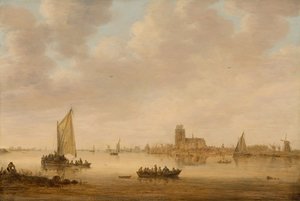
アーティストの略歴
Hieronymus van Diest: Master of Dutch Seascape
Jeronymus, or Jeronymus van Diest (1631 in The Hague – circa 1687 in The Hague), stands as a significant figure within the vibrant landscape of Dutch Golden Age painting. Born into a family deeply rooted in artistic tradition—his father was Willem van Diest and he became the father of Adriaen van Diest—Jeronymus inherited a legacy of maritime art, ultimately forging his own distinctive style characterized by dramatic lighting, meticulous detail, and a profound understanding of the sea’s power. His life and career unfolded primarily in The Hague, a city renowned for its maritime trade and naval prowess during this era, profoundly shaping the subject matter of his paintings. Jeronymus's early artistic development is intertwined with the techniques of his predecessors, particularly his grandfather, Jeronymus Diest (I), who was known for his skillful use of grisailles – monochromatic paintings executed in shades of grey and white. This influence is evident in Jeronymus’s own work, where he frequently employed this technique to capture the atmospheric mood and subtle nuances of the sea. He wasn't merely a recorder of ships at sail; he was an artist deeply attuned to the interplay of light and shadow upon the water, creating scenes that exude both realism and emotional resonance. His membership in the Oranje Vaendel, The Hague’s civic guard, further underscores his connection to the city’s social and cultural life, suggesting a commitment to representing its maritime identity.A Style Defined by Light and Detail
Jeronymus van Diest's artistic style is firmly rooted in the conventions of Dutch Golden Age painting, yet he possesses a unique voice within this tradition. He was heavily influenced by masters such as Jan van Goyen and Hendrik Dubbels, both renowned for their atmospheric landscapes and depictions of naval engagements. However, Jeronymus’s seascapes transcend mere imitation; they are imbued with a palpable sense of drama, achieved through the masterful manipulation of light and shadow. His paintings aren't simply illustrations of ships at sea; they are carefully constructed compositions designed to evoke a specific mood – often one of turbulent beauty or serene contemplation. The meticulous detail he lavishes upon the rigging, sails, and hulls of his vessels speaks to an unwavering commitment to realism, while simultaneously conveying a sense of dynamism and movement.Grisaille and Maritime Themes
A defining characteristic of Jeronymus van Diest’s oeuvre is his frequent use of grisailles. This technique, involving monochromatic painting in shades of grey, allowed him to capture the subtle variations in light and atmosphere with remarkable precision. It also served to heighten the drama of his scenes, creating a sense of depth and mystery. His seascapes are almost always populated by ships at sail – a common theme in Dutch Golden Age art reflecting the nation’s prominent role as a maritime power. These vessels aren't merely decorative elements; they are integral to the composition, contributing to the overall narrative and visual impact of the painting. The depiction of these ships is remarkably detailed, showcasing an understanding of naval architecture and sailing techniques.Legacy and Recognition
Jeronymus van Diest’s work has been carefully preserved and studied by art historians for centuries. His paintings are prominently displayed in prestigious institutions such as the Mauritshuis in The Hague, a museum that houses an impressive collection of Dutch Golden Age masterpieces. His influence can be seen in the works of subsequent generations of seascape painters, demonstrating his lasting contribution to the genre. Furthermore, research continues to shed light on his life and artistic practices, solidifying his place as a key figure in the history of Dutch art. The meticulous documentation available through sources like ArtsDot provides valuable insights into his lineage and career trajectory.Further Exploration
For those seeking deeper knowledge about Jeronymus van Diest and his artistic world, exploring related works by his father, Willem van Diest, and son, Adriaen van Diest, offers a compelling perspective on the evolution of this family’s artistic legacy. Additionally, examining the broader context of Dutch Golden Age maritime art provides valuable insights into the cultural significance of seafaring during this period. Resources such as the Mauritshuis website and online databases offer further opportunities for research and discovery.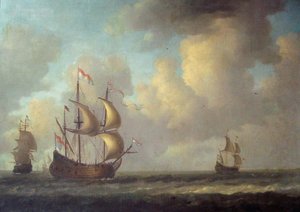
hieronymus or jeronymus van diest
1631 - , Netherlands
基本情報
- Artistic Movement Or Style: Dutch Golden Age
- Artists Or Movements Influenced By This Artist: ['Adriaen van de Venne']
- Artists Who Influenced This Artist:
- Jan van Goyen
- Hendrik Dubbels
- Date Of Birth: 1631, The Hague
- Date Of Death: c. 1687, The Hague
- Full Name: Hieronymus van Diest
- Nationality: Dutch
- Notable Artworks:
- Quiet Lake
- The Dromedary and the United Provinces
- Place Of Birth: The Hague, Netherlands
関連記事

黄金世紀の巨匠たち:バロック絵画が彩る10選|ArtsDot
オランダ黄金時代の10大傑作を紐解く!レンブラント、フェルメール…バロック絵画の魅力と時代背景を深く探求。ArtsDotで、至高のアートコレクションと空間演出のヒントを見つけよう。高品質なアートプリントで、お部屋を華やかに。

レンブラント傑作25選:光と影の巨匠、魂を揺さぶる名画の世界 | ArtsDot
レンブラントの傑作25選。光と影の魔術師が描いた魂を揺さぶる名画の世界へ。美術史に残る自画像、夜警、宗教画…ArtsDotで高品質なアートプリントやインテリアアートをお楽しみください。コレクションはこちら→
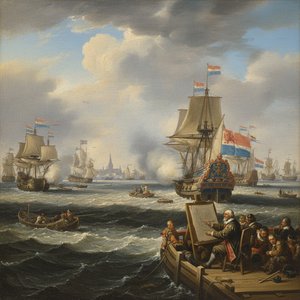
Willem van de Velde the Elder: Master of Maritime Painting & Chronicler of the Dutch Golden Age
Discover the captivating maritime paintings of Willem van de Velde the Elder, a master chronicler of the Dutch Golden Age. Explore his unparalleled realism and lasting influence on naval art history.

Golden Age Reflections: Dutch Baroque Painting & Cultural Innovation
Explore the Dutch Golden Age of painting! Discover key artists like Vermeer & ter Borch, their innovative techniques, and the rich cultural context behind these Baroque masterpieces. Learn about collecting & appreciating this iconic art period.

Illuminating Innovation: Exploring the Dutch Golden Age of Painting
Explore the Dutch Golden Age of painting with ArtsDot. Discover Rembrandt, Vermeer & other Masters. Learn about key characteristics, iconic artworks, and lasting influence. Expert insights for collectors & enthusiasts.

