 プレビュー
プレビュー
 シェアする
シェアする シェアする
シェアする
 詳細を見る
詳細を見る

 ダウンロード
 似ている作品
 X線調査
X線調査 スライドショー
 統計情報
統計情報Dancers in the Wings 1


 詳細を見る
詳細を見る
ジークレー/アートプリント
迅速な制作と多彩な仕上げオプションを備えた、ミュージアムクオリティのジークレーまたはキャンバスプリント。 ( 手描きの絵画を購入 デジタル画像販売へ切り替え)




P118B $10

P118H $10

P118W $10

P438Z $10

P508JH $12

P508YH $12

P805H $10

P805Z $10

P919BZ $10

P919G $10

P919XJ $10

P959ZH $10

P968JZ $12

W106C $8

W218G $10

W218JH $8

W218Y $10

W307PJ $10

W316G $10

W316PJ $8

W316Y $10

W398PJ $8

W4111J $10

W500HY $15

W500JH $15

W692G $12

W849H $8

W940BG $15

W953PJ $8




作品のオリジナル比率に合わせた、当店の規定サイズからお選びください。

特定のフレームやスペースに合わせて、ご自身でサイズを指定することも可能です。選択されたサイズが元の画像の比率と一致しない場合、作品をトリミングするか、鏡面反射または単色での塗りつぶしによって画像を拡張いたします。制作を開始する前に、ご確認用のデジタルモックアップをお送りいたします。
画面上のプレビューには、実際のトリミングや拡張は反映されませんのでご注意ください。最終的な構図を正確に確認できるのは、モックアップのみとなります。
カスタムサイズも承っておりますが、元の比率を維持するためには、あらかじめ用意されたリストからサイズを選択することをお勧めいたします。


 ガラスオプションは、110cm未満のサイズでのみご利用いただけます。

Dancers in the Wings 1
ジークレー/アートプリント
複製画のサイズ
-


合計金額
$ 62
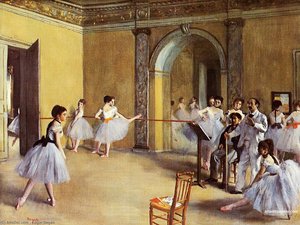
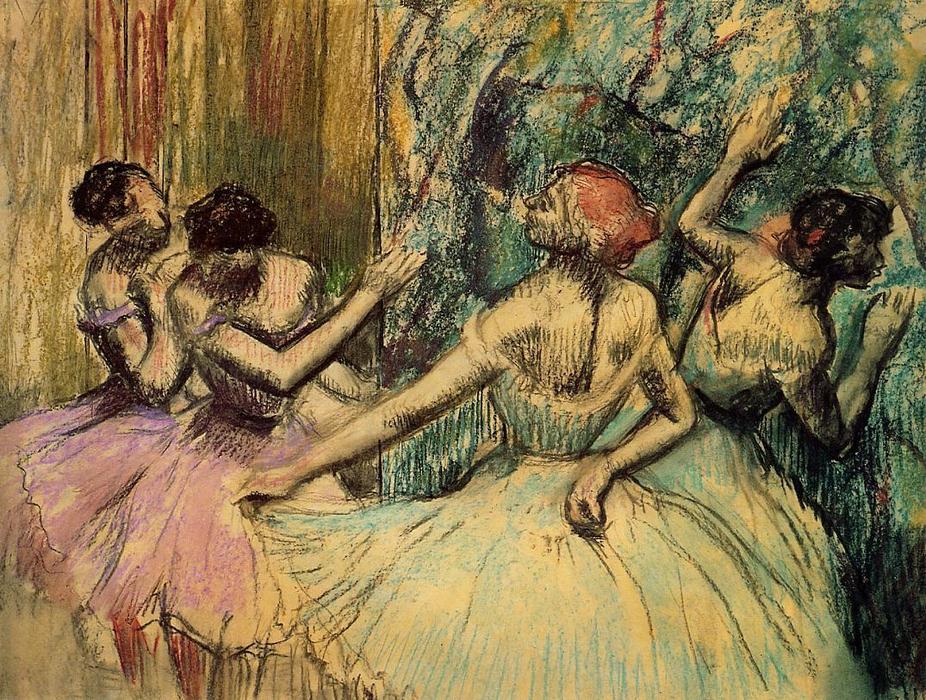
Dancers in the Wings 1: A Glimpse Behind the Curtain of Impressionism
Edgar Degas’s “Dancers in the Wings 1,” a captivating black and white drawing, offers more than just a visual representation; it's a portal into the intimate world of ballet during the late 19th century. Created around 1874-1876, this artwork transcends mere documentation, becoming a poignant study of movement, emotion, and the quiet anticipation that precedes a grand performance. Degas, a master of capturing modern life, particularly focused on the ephemeral beauty of dancers, elevating them from simple subjects to symbols of grace, strength, and artistic expression.
Degas’s fascination with ballet stemmed from his deep respect for the discipline and artistry involved. He wasn't simply sketching dancers; he was observing them intensely, studying their postures, gestures, and expressions – often spending countless hours in the backstage corridors of the Paris Opéra. This dedication is vividly rendered here, not through idealized portrayals, but with a remarkable realism that captures the raw energy and focused concentration of these young women preparing to take center stage. The painting’s power lies in its ability to convey a sense of immediacy – as if we are witnessing this moment alongside them.
The Artistic Style of Edgar Degas: A Revolutionary Approach
Degas's style was profoundly innovative for his time, departing significantly from the rigid academic traditions prevalent in art academies. He rejected the polished finish and idealized forms favored by many of his contemporaries, instead embracing a looser, more expressive approach. His use of bold lines – particularly evident in the outlines defining each dancer’s form – creates a dynamic sense of movement and energy. Notice how he doesn't attempt to perfectly render every detail; rather, he prioritizes capturing the essence of the pose, conveying its weight, balance, and rhythm.
Furthermore, Degas’s masterful manipulation of light and shadow adds depth and drama to the composition. He employs subtle gradations of tone to sculpt the figures, highlighting their musculature and creating a sense of volume. The interplay between light and dark not only enhances the visual impact but also contributes to the painting's overall mood – a blend of anticipation, concentration, and quiet beauty. The limited palette—primarily black, white, and shades of gray—forces him to rely on line and tone to create richness and complexity.
Key Features: A Study in Posture and Emotion
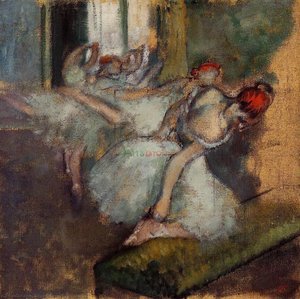
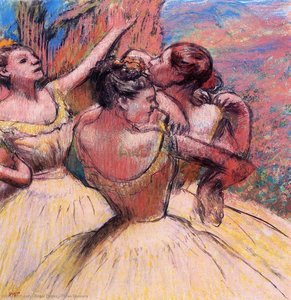
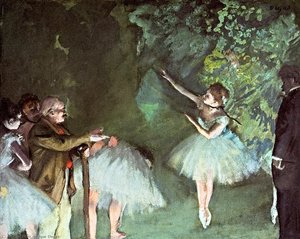
“Dancers in the Wings 1” is a remarkable study in posture. Each dancer possesses a unique stance, reflecting their individual personalities and roles within the dance. The first woman, positioned on the left, leans forward with an outstretched arm, suggesting both vulnerability and determination. The second, centrally located, bends gracefully, embodying poise and control. And the third, to the right, stands still, radiating a quiet intensity. These aren’t simply static poses; they are carefully constructed narratives of movement and emotion.
Degas's use of ballet costumes—rendered with elegant lines and subtle shading—adds another layer of visual interest. The tulle skirts, in particular, create a shimmering effect, hinting at the ethereal quality of the dancers’ movements. These bursts of color provide a striking contrast to the predominantly monochrome palette, drawing the viewer’s eye and emphasizing the beauty of these performers.
A Legacy of Observation: Degas's Place in Art History
Degas’s work is deeply rooted in his meticulous observation of the world around him. He was a keen observer of Parisian life, capturing scenes of everyday existence with remarkable detail and insight. “Dancers in the Wings 1” exemplifies this approach, offering a rare glimpse into the backstage world of ballet – a realm typically hidden from public view. His work has been celebrated by art critics and historians for its innovative style, its honest portrayal of modern life, and its profound understanding of human emotion.
Reproductions of “Dancers in the Wings 1,” available through ArtsDot.com and other platforms, provide a unique opportunity to experience this masterpiece firsthand. These meticulously crafted reproductions capture the painting’s intricate details and evocative atmosphere, allowing art lovers to bring a piece of Degas's genius into their homes or offices. They are not merely copies; they are faithful representations that honor the original’s artistic merit and historical significance.
For those interested in learning more about Edgar Degas and his remarkable career, we encourage you to visit Wikipedia: Wikipedia.
関連作品

アーティストの略歴
エドガー・デガス:動きを捉える芸術家
エドガー・デガスは、1834年にパリで生まれました。彼は印象派の画家たちと並びながらも、そのスタイルにこだわらず、現実主義者として活動しました。これは彼の周囲の世界を注意深く観察し、誠実さを追求した結果です。彼の幼少時代は裕福な家庭環境で育ちましたが、父親は銀行家であり、母親はニューオーリンズのクレオール系でした。この背景は芸術教育へのアクセスを提供しましたが、同時にアカデミックな制約に対する反発を抱えていました。彼は当初、リュシエ・ルグランに通い始めましたが、彼の真の教育はルーブル美術館で古典的な作品を模写することを始めたことから始まりました。これは彼が伝統に挑戦し続けることを意味しました。彼は独立した精神を持った人物であり、彼のキャリア全体を通してその特徴を定義しました。印象派との違い:独自の芸術的視点
同時期のモネやレノワールは屋外で光の移ろいを追求しましたが、デガスは主にスタジオ内で働き、観察と記憶からシーンを作り上げました。彼の主題は現代的なものであり、多くのアカデミックな画家が好みた歴史的なテーマや神話的なテーマとは異なっていました。彼はパリの人々が生きていく日常にインスピレーションを受けました。特にバレエダンサーに対する情熱は彼の作品の中心を成しています。デガスは単に美しいバレリーナを描いたわけではありません。彼は彼らの職業の厳しさを描き、絶え間ない練習、肉体的な負担、そして困難の中で現れる優雅さの一瞬を捉えました。彼の構図はしばしば斬新で、人物を予想外の位置に配置し、非対称な構成を用います。これは動きを捉えるための優れた技術であり、絵画全体にダイナミズムと immediacy を与えます。彼は伝統的な方法を用いて現代的なテーマに取り組むことで、他の若い画家たちに影響を与えました。彼の芸術的開発は多様な影響を受けていました。彼は幼少期に古典的な原則を重視し、特にジャン=オーギュスト=ドミニク・アンジェール絵画家の厳格な訓練を受けました。しかし、デガスは印象派の画家たちのように屋外で絵を描くことを避けませんでした。彼は印象派の画家たちと並びながらも、そのスタイルにこだわらず、現実主義者として活動しました。彼は他のアーティストを鼓舞し、新しい技術を実験するよう促したピサロとの関係が彼の芸術的な開発において重要な役割を果たしました。彼は日本の絵画技法に魅了され、これは構図の非対称性や視点の簡素化など、さまざまな要素に影響を与えました。彼はまた写真を使用し、動きを捉えるためのツールとして認識しました。この多様な影響を受け入れ、伝統的な規範から解放され、世界を表現するための新しい方法を探求する次世代のアーティストに道を拓いたのです。彼の芸術的開発は多様な影響を受けていました。彼は幼少期に古典的な原則を重視し、特にジャン=オーギュスト・ドミニク・アンジェール絵画家の厳格な訓練を受けました。しかし、デガスは印象派の画家たちのように屋外で絵を描くことを避けませんでした。彼は他のアーティストを鼓舞し、新しい技術を実験するよう促したピサロとの関係が彼の芸術的な開発において重要な役割を果たしました。彼はまた写真を使用し、動き捉えるためのツールとして認識しました。この多様な影響を受け入れ、伝統的な規範から解放され、世界を表現するための新しい方法を探求する次世代のアーティストに道を拓いたのです。主な作品と技術
デガスは幅広いメディアで実験しました。油絵、パステル、ゴウアッシュ、エッチング、リトグラフ、モノタイプ、ワックスモデリングなど、さまざまな素材を使って作品を制作しました。特にバレエダンサーや女性のヌードを描くことで知られています。これらの作品は彼の動きを捉えるための優れた技術を示しており、絵画全体にダイナミズムと immediacy を与えます。彼はバレエダンサーや女性のヌードだけでなく、競馬場での騎手やレース馬も描きました。彼のポートレートは人間の孤独を表現し、心理的な複雑さを明らかにしています。彼は特にバレエダンサーや女性のヌードを描き、これらの作品は彼の動きを捉えるための優れた技術を示しており、絵画全体にダイナミズムと immediacy を与えます。彼はバレエダンサーや女性のヌードだけでなく、競馬場での騎手やレース馬も描きました。彼のポートレートは人間の孤独を表現し、心理的な複雑さを明らかにしています。これらの作品は彼の動きを捉えるための優れた技術を示しており、絵画全体にダイナミズムと immediacy を与えます。彼はバレエダンサーや女性のヌードだけでなく、競馬場での騎手やレース馬も描きました。彼のポートレートは人間の孤独を表現し、心理的な複雑さを明らかにしています。これらの作品は彼の動きを捉えるための優れた技術を示しており、絵画全体にダイナミズムと immediacy を与えます。彼はバレエダンサーや女性のヌードだけでなく、競馬場での騎手やレース馬も描きました。彼のポートレートは人間の孤独を表現し、心理的な複雑さを明らかにしています。これらの作品は彼の動きを捉えるための優れた技術を示しており、絵画全体にダイナミズムと immediacy を与えます。彼はバレエダンサーや女性のヌードだけでなく、競馬場での騎手やレース馬も描きました。彼のポートレートは人間の孤独を表現し、心理的な複雑さを明らかにしています。これらの作品は彼の動きを捉えるための優れた技術を示しており、絵画全体にダイナミズムと immediacy を与えます。彼はバレエダンサーや女性のヌードだけでなく、競馬場での騎手やレース馬も描きました。彼のポートレートは人間の孤独を表現し、心理的な複雑さを明らかにしています。これらの作品は彼の動きを捉えるための優れた技術を示しており、絵画全体にダイナミズムと immediacy を与えます。彼はバレエダンサーや女性のヌードだけでなく、競馬場での騎手やレース馬も描きました。彼のポートレートは人間の孤独を表現し、心理的な複雑さを明らかにしています。これらの作品は彼の動きを捉えるための優れた技術を示しており、絵画全体にダイナミズムと immediacy を与えます。彼はバレエダンサーや女性のヌードだけでなく、競馬場での騎手やレース馬も描きました。彼のポートレートは人間の孤独を表現し、心理的な複雑さを明らかにしています。これらの作品は彼の動きを捉えるための優れた技術を示しており、絵画全体にダイナミズムと immediacy を与えます。彼はバレエダンサーや女性のヌードだけでなく、競馬場での騎手やレース馬も描きました。彼のポートレートは人間の孤独を表現し、心理的な複雑さを明らかにしています。これらの作品は彼の動きを捉えるための優れた技術を示しており、絵画全体にダイナミズムと immediacy を与えます。彼はバレエダンサーや女性のヌードだけでなく、競馬場での騎手やレース馬も描きました。彼のポートレートは人間の孤独を表現し、心理的な複雑さを明らかにしています。これらの作品は彼の動きを捉えるための優れた技術を示しており、絵画全体にダイナミズムと immediacy を与えます。彼はバレエダンサーや女性のヌードだけでなく、競馬場での騎手やレース馬も描きました。彼のポートレートは人間の孤独を表現し、心理的な複雑さを明らかにしています。これらの作品は彼の動きを捉えるための優れた技術を示しており、絵画全体にダイナミズムと immediacy を与えます。彼はバレエダンサーや女性のヌードだけでなく、競馬場での騎手やレース馬も描きました。彼のポートレートは人間の孤独を表現し、心理的な複雑さを明らかにしています。これらの作品は彼の動きを捉えるための優れた技術を示しており、絵画全体にダイナミズムと immediacy を与えます。彼はバレエダンサーや女性のヌードだけでなく、競馬場での騎手やレース馬も描きました。彼のポートレートは人間の孤独を表現し、心理的な複雑さを明らかにしています。これらの作品は彼の動きを捉えるための優れた技術を示しており、絵画全体にダイナミズムと immediacy を与えます。彼はバレエダンサーや女性のヌードだけでなく、競馬場での騎手やレース馬も描きました。彼のポートレートは人間の孤独を表現し、心理的な複雑さを明らかにしています。これらの作品は彼の動きを捉えるための優れた技術を示しており、絵画全体にダイナミズムと immediacy を与えます。彼はバレエダンサーや女性のヌードだけでなく、競馬場での騎手やレース馬も描きました。彼のポートレートは人間の孤独を表現し、心理的な複雑さを明らかにしています。これらの作品は彼の動きを捉えるための優れた技術を示しており、絵画全体にダイナミズムと immediacy を与えます。彼はバレエダンサーや女性のヌードだけでなく、競馬場での騎手やレース馬も描きました。彼のポートレートは人間の孤独を表現し、心理的な複雑さを明らかにしています。これらの作品は彼の動きを捉えるための優れた技術を示しており、絵画全体にダイナミズムと immediacy を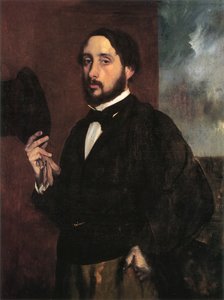
ヒラール・ジェームズ・エドガー・デガス
1834 - 1917 , フランス
基本情報
- Artistic Movement Or Style: 印象派、写実主義
- Artists Or Movements Influenced By This Artist:
- ピカソ
- マティス
- Artists Who Influenced This Artist:
- ジャン=オーギュスト・ドミニク・アンジェール・イングレス
- ゴッホバート
- カミーユ・ピサロ
- Date Of Birth: 1834年7月19日
- Date Of Death: 1917年9月27日
- Full Name: Hilaire Germain Edgar De Gas
- Nationality: フランス人
- Notable Artworks:
- ダンサーと tambourine
- バレエ教室
- デガスのジャケットを着た姿
- コレクター
- 髪をとかす女性たち
- Place Of Birth: パリ、フランス
関連記事

Impressionism's Masterpieces: 10 Paintings That Defined a Movement | ArtsDot
Journey through Impressionism's heart with 10 iconic paintings by Monet, Renoir & Degas. Explore light, color & the stories behind these masterpieces. Find museum-quality art reproductions and elevate your home decor on ArtsDot.com.
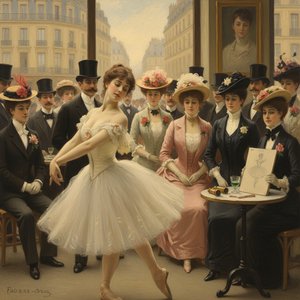
Edgar Degas: Capturing Modern Life – A Study of Movement, Observation, and the Parisian Belle Époque
Explore the captivating world of Edgar Degas! Discover his innovative techniques, iconic ballet paintings, and unique portrayal of Parisian life in this insightful art history study.

印象派絵画を定義づけた至宝:トップ10必見の傑作の世界
印象派絵画の歴史を彩る、時代を超越した10選。モネ、ルノワールら巨匠の名作に迫り、その技と物語を紐解きます。色彩豊かなアートで空間を演出!ArtsDot.comで至高のアートレプリカを見つけましょう。
印象派を定義する至宝:時代を超えた10傑 – 美術、画家、そして洗練された空間演出
印象派を代表する10傑の世界へ。モネ、ルノワールら巨匠の技と色彩が織りなす至高の名作を紐解きます。美術、インテリアに新たなインスピレーションを。ArtsDot.comで、博物館品質のアート複製と洗練された空間演出を見つけましょう。

印象派を定義した傑作10選:名画の物語と、空間を彩るアート | ArtsDot
モネ、ルノワール…印象派を代表する傑作10選。🎨 色彩と光の魔法、芸術家の物語を紐解き、空間に深みを与える絵画の世界へ。ArtsDotで複製画やキャンバスアートを見つけ、あなただけのインテリアを実現しましょう。🖼️ 詳細はこちら