 プレビュー
プレビュー
 シェアする
シェアする シェアする
シェアする
 詳細を見る
詳細を見る

 ダウンロード
 似ている作品
 X線調査
X線調査 スライドショー
 統計情報
統計情報Edmondo and Therese Morbilli


 詳細を見る
詳細を見る
手描き油彩複製画
当社のアーティストが、お客様のご希望のサイズと額縁に合わせて、キャンバスに手描きで制作する油彩画です。 ( プリント版に切り替え デジタル画像販売へ切り替え)




P118B $10

P118H $10

P118W $10

P438Z $10

P508JH $12

P508YH $12

P805H $10

P805Z $10

P919BZ $10

P919G $10

P919XJ $10

P959ZH $10

P968JZ $12

W106C $8

W218G $10

W218JH $8

W218Y $10

W307PJ $10

W316G $10

W316PJ $8

W316Y $10

W398PJ $8

W4111J $10

W500HY $15

W500JH $15

W692G $12

W849H $8

W940BG $15

W953PJ $8




作品のオリジナル比率に合わせた、当店の規定サイズからお選びください。

特定のフレームやスペースに合わせて、ご希望のサイズをご入力いただけます。選択されたサイズが元の画像の比率と異なる場合、アートワークをトリミングするか、手描きで要素を追加して絵画を拡張いたします。デジタルモックアップ を制作し、制作開始前にご確認(承認)をいただきます。
画面上のプレビューは、実際のトリミングや拡張を正確に反映しているものではありません。最終的な構図は、モックアップによってのみ正確にご確認いただけます。
カスタムサイズもご利用いただけますが、元の比率を維持するためには、あらかじめ用意されたリストからサイズを選択することをお勧めいたします。
ご注文後、ArtsDot.com チームより詳細な指示をお送りするとともに、仕上がりイメージ(モックアップ)をご提供いたします。


 ガラスオプションは、110cm未満のサイズでのみご利用いただけます。

Edmondo and Therese Morbilli
複製技法
複製画のサイズ
-


合計金額
$ 263
Edmondo and Therese Morbilli – A Dance of Tension
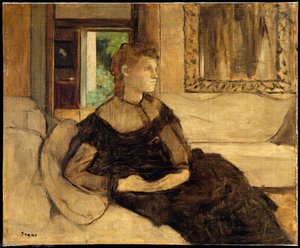
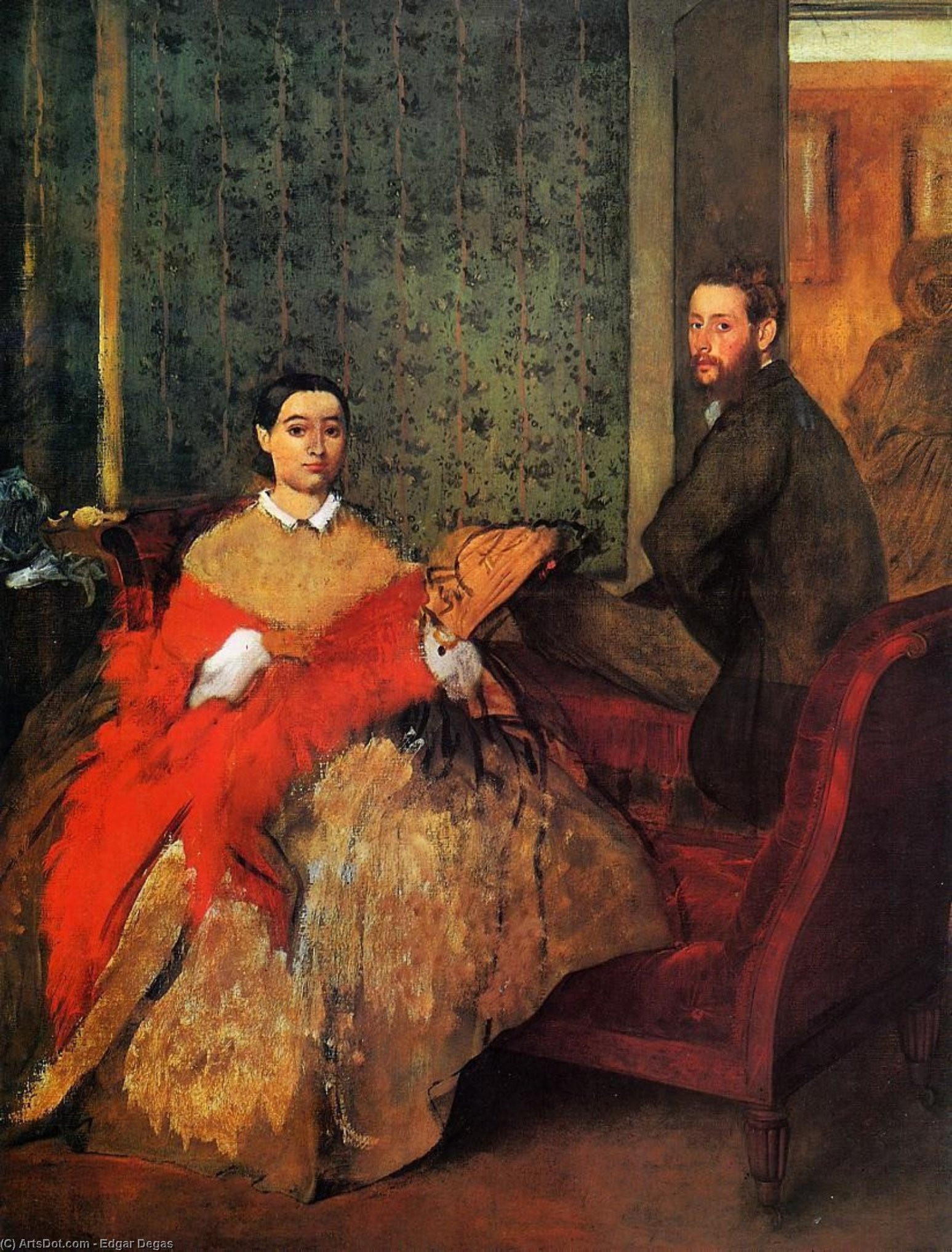
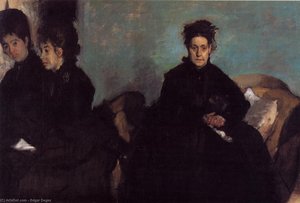
Edgar Degas’s “Edmondo and Therese Morbilli,” painted in 1866, is more than just a portrait; it's a masterful distillation of Impressionist principles interwoven with psychological observation. Located within the National Gallery of Art’s Chester Dale Collection, this canvas offers a glimpse into the domestic life of Parisian artists during a pivotal moment in artistic history—the waning years of Romanticism and the burgeoning dawn of Modernism. The painting captures a seemingly simple scene: a man and woman seated on a chaise lounge, engaged in conversation amidst a richly textured interior. Yet, beneath the surface tranquility lies a palpable tension that speaks volumes about human relationships and Degas’s profound understanding of their complexities.Subject Matter and Composition
The Morbilli couple—Degas' brother-in-law and his wife—are depicted in a carefully constructed tableau vivant, reflecting Degas’s fascination with capturing fleeting moments of everyday life. The woman sits on the chaise lounge, her gaze directed outwards, seemingly confronting an unseen presence. Her posture exudes confidence and composure, yet there’s also an unsettling stillness about her eyes – a hint of apprehension or perhaps even defiance. Contrasting sharply with her stance is Edmondo, seated beside her, whose body leans slightly towards her, casting a shadow that subtly dominates the composition. This physical dominance underscores the dynamic interplay between the figures, mirroring the unspoken anxieties and desires inherent in their interaction. The room itself—wallpapered with a floral pattern—provides a backdrop of muted color and texture, emphasizing the intimacy of the scene while simultaneously distancing it from grand narratives.Artistic Techniques: Impressionist Brilliance
Degas employed innovative techniques characteristic of Impressionism to convey his vision. Loose brushstrokes dominate the canvas, particularly in the background, creating an atmospheric haze that softens edges and imbues the painting with a sense of immediacy. These strokes capture not just visual details but also the subtle nuances of light and shadow—essential elements for conveying mood and emotion. The artist’s meticulous attention to texture is evident in the depiction of fabrics like the woman's dress and shawl, as well as the chaise lounge itself. Degas skillfully rendered these surfaces with delicate brushwork, highlighting their tactile qualities and adding depth to the composition. Furthermore, he achieved remarkable realism by painstakingly detailing the hands of both figures—a hallmark of Degas’s artistic prowess. The artist’s use of color is subdued yet harmonious, favoring pastel shades that evoke warmth and tranquility. However, these colors are punctuated by flashes of crimson—particularly in the shawl—creating visual interest and subtly hinting at underlying emotional currents.Symbolism and Context
“Edmondo and Therese Morbilli” transcends mere representation; it embodies symbolic significance rooted in Degas’s artistic concerns. The woman's piercing gaze symbolizes introspection and vulnerability, reflecting the anxieties of a woman navigating societal expectations during this era. Edmondo’s posture conveys dominance and control—a visual manifestation of masculine authority—yet his shadowed face suggests hidden insecurities. The chaise lounge itself represents comfort and domesticity, but also serves as a barrier between the couple, reinforcing their separation. The inclusion of accessories like the fan and the handbag adds layers of detail to the scene, hinting at social status and personal habits. Painted during a transitional period in art history—the shift from Romantic idealism to Impressionist realism—this artwork exemplifies Degas’s commitment to portraying human experience with honesty and sensitivity.Provenance and Legacy
The painting remained in Degas' studio until his death in 1917, subsequently bequeathed to the National Gallery of Art as part of the Chester Dale Collection. Today, “Edmondo and Therese Morbilli” stands as a testament to Degas’s artistic genius—a captivating portrait that continues to inspire admiration for its masterful technique and profound psychological insight. Its inclusion in the Dale Collection solidified its place within American art history, ensuring that this iconic masterpiece would be accessible to generations of viewers eager to experience the brilliance of Impressionism at its finest. ## Other Relevant Paintings by Edgar Degas - Horses in a Meadow (National Gallery of Art, Washington, United States) - Girl in Red (National Gallery of Art, Washington, United States) - Dancers Backstage (National Gallery of Art, Washington, United States) - Madame Camus with a Fan (National Gallery of Art, Washington, United States) These paintings showcase Degas’s versatility and mastery of Impressionist techniques—a legacy that continues to resonate within the annals of art history.関連作品

アーティストの略歴
エドガー・デガス:動きを捉える芸術家
エドガー・デガスは、1834年にパリで生まれました。彼は印象派の画家たちと並びながらも、そのスタイルにこだわらず、現実主義者として活動しました。これは彼の周囲の世界を注意深く観察し、誠実さを追求した結果です。彼の幼少時代は裕福な家庭環境で育ちましたが、父親は銀行家であり、母親はニューオーリンズのクレオール系でした。この背景は芸術教育へのアクセスを提供しましたが、同時にアカデミックな制約に対する反発を抱えていました。彼は当初、リュシエ・ルグランに通い始めましたが、彼の真の教育はルーブル美術館で古典的な作品を模写することを始めたことから始まりました。これは彼が伝統に挑戦し続けることを意味しました。彼は独立した精神を持った人物であり、彼のキャリア全体を通してその特徴を定義しました。印象派との違い:独自の芸術的視点
同時期のモネやレノワールは屋外で光の移ろいを追求しましたが、デガスは主にスタジオ内で働き、観察と記憶からシーンを作り上げました。彼の主題は現代的なものであり、多くのアカデミックな画家が好みた歴史的なテーマや神話的なテーマとは異なっていました。彼はパリの人々が生きていく日常にインスピレーションを受けました。特にバレエダンサーに対する情熱は彼の作品の中心を成しています。デガスは単に美しいバレリーナを描いたわけではありません。彼は彼らの職業の厳しさを描き、絶え間ない練習、肉体的な負担、そして困難の中で現れる優雅さの一瞬を捉えました。彼の構図はしばしば斬新で、人物を予想外の位置に配置し、非対称な構成を用います。これは動きを捉えるための優れた技術であり、絵画全体にダイナミズムと immediacy を与えます。彼は伝統的な方法を用いて現代的なテーマに取り組むことで、他の若い画家たちに影響を与えました。彼の芸術的開発は多様な影響を受けていました。彼は幼少期に古典的な原則を重視し、特にジャン=オーギュスト=ドミニク・アンジェール絵画家の厳格な訓練を受けました。しかし、デガスは印象派の画家たちのように屋外で絵を描くことを避けませんでした。彼は印象派の画家たちと並びながらも、そのスタイルにこだわらず、現実主義者として活動しました。彼は他のアーティストを鼓舞し、新しい技術を実験するよう促したピサロとの関係が彼の芸術的な開発において重要な役割を果たしました。彼は日本の絵画技法に魅了され、これは構図の非対称性や視点の簡素化など、さまざまな要素に影響を与えました。彼はまた写真を使用し、動きを捉えるためのツールとして認識しました。この多様な影響を受け入れ、伝統的な規範から解放され、世界を表現するための新しい方法を探求する次世代のアーティストに道を拓いたのです。彼の芸術的開発は多様な影響を受けていました。彼は幼少期に古典的な原則を重視し、特にジャン=オーギュスト・ドミニク・アンジェール絵画家の厳格な訓練を受けました。しかし、デガスは印象派の画家たちのように屋外で絵を描くことを避けませんでした。彼は他のアーティストを鼓舞し、新しい技術を実験するよう促したピサロとの関係が彼の芸術的な開発において重要な役割を果たしました。彼はまた写真を使用し、動き捉えるためのツールとして認識しました。この多様な影響を受け入れ、伝統的な規範から解放され、世界を表現するための新しい方法を探求する次世代のアーティストに道を拓いたのです。主な作品と技術
デガスは幅広いメディアで実験しました。油絵、パステル、ゴウアッシュ、エッチング、リトグラフ、モノタイプ、ワックスモデリングなど、さまざまな素材を使って作品を制作しました。特にバレエダンサーや女性のヌードを描くことで知られています。これらの作品は彼の動きを捉えるための優れた技術を示しており、絵画全体にダイナミズムと immediacy を与えます。彼はバレエダンサーや女性のヌードだけでなく、競馬場での騎手やレース馬も描きました。彼のポートレートは人間の孤独を表現し、心理的な複雑さを明らかにしています。彼は特にバレエダンサーや女性のヌードを描き、これらの作品は彼の動きを捉えるための優れた技術を示しており、絵画全体にダイナミズムと immediacy を与えます。彼はバレエダンサーや女性のヌードだけでなく、競馬場での騎手やレース馬も描きました。彼のポートレートは人間の孤独を表現し、心理的な複雑さを明らかにしています。これらの作品は彼の動きを捉えるための優れた技術を示しており、絵画全体にダイナミズムと immediacy を与えます。彼はバレエダンサーや女性のヌードだけでなく、競馬場での騎手やレース馬も描きました。彼のポートレートは人間の孤独を表現し、心理的な複雑さを明らかにしています。これらの作品は彼の動きを捉えるための優れた技術を示しており、絵画全体にダイナミズムと immediacy を与えます。彼はバレエダンサーや女性のヌードだけでなく、競馬場での騎手やレース馬も描きました。彼のポートレートは人間の孤独を表現し、心理的な複雑さを明らかにしています。これらの作品は彼の動きを捉えるための優れた技術を示しており、絵画全体にダイナミズムと immediacy を与えます。彼はバレエダンサーや女性のヌードだけでなく、競馬場での騎手やレース馬も描きました。彼のポートレートは人間の孤独を表現し、心理的な複雑さを明らかにしています。これらの作品は彼の動きを捉えるための優れた技術を示しており、絵画全体にダイナミズムと immediacy を与えます。彼はバレエダンサーや女性のヌードだけでなく、競馬場での騎手やレース馬も描きました。彼のポートレートは人間の孤独を表現し、心理的な複雑さを明らかにしています。これらの作品は彼の動きを捉えるための優れた技術を示しており、絵画全体にダイナミズムと immediacy を与えます。彼はバレエダンサーや女性のヌードだけでなく、競馬場での騎手やレース馬も描きました。彼のポートレートは人間の孤独を表現し、心理的な複雑さを明らかにしています。これらの作品は彼の動きを捉えるための優れた技術を示しており、絵画全体にダイナミズムと immediacy を与えます。彼はバレエダンサーや女性のヌードだけでなく、競馬場での騎手やレース馬も描きました。彼のポートレートは人間の孤独を表現し、心理的な複雑さを明らかにしています。これらの作品は彼の動きを捉えるための優れた技術を示しており、絵画全体にダイナミズムと immediacy を与えます。彼はバレエダンサーや女性のヌードだけでなく、競馬場での騎手やレース馬も描きました。彼のポートレートは人間の孤独を表現し、心理的な複雑さを明らかにしています。これらの作品は彼の動きを捉えるための優れた技術を示しており、絵画全体にダイナミズムと immediacy を与えます。彼はバレエダンサーや女性のヌードだけでなく、競馬場での騎手やレース馬も描きました。彼のポートレートは人間の孤独を表現し、心理的な複雑さを明らかにしています。これらの作品は彼の動きを捉えるための優れた技術を示しており、絵画全体にダイナミズムと immediacy を与えます。彼はバレエダンサーや女性のヌードだけでなく、競馬場での騎手やレース馬も描きました。彼のポートレートは人間の孤独を表現し、心理的な複雑さを明らかにしています。これらの作品は彼の動きを捉えるための優れた技術を示しており、絵画全体にダイナミズムと immediacy を与えます。彼はバレエダンサーや女性のヌードだけでなく、競馬場での騎手やレース馬も描きました。彼のポートレートは人間の孤独を表現し、心理的な複雑さを明らかにしています。これらの作品は彼の動きを捉えるための優れた技術を示しており、絵画全体にダイナミズムと immediacy を与えます。彼はバレエダンサーや女性のヌードだけでなく、競馬場での騎手やレース馬も描きました。彼のポートレートは人間の孤独を表現し、心理的な複雑さを明らかにしています。これらの作品は彼の動きを捉えるための優れた技術を示しており、絵画全体にダイナミズムと immediacy を与えます。彼はバレエダンサーや女性のヌードだけでなく、競馬場での騎手やレース馬も描きました。彼のポートレートは人間の孤独を表現し、心理的な複雑さを明らかにしています。これらの作品は彼の動きを捉えるための優れた技術を示しており、絵画全体にダイナミズムと immediacy を与えます。彼はバレエダンサーや女性のヌードだけでなく、競馬場での騎手やレース馬も描きました。彼のポートレートは人間の孤独を表現し、心理的な複雑さを明らかにしています。これらの作品は彼の動きを捉えるための優れた技術を示しており、絵画全体にダイナミズムと immediacy を与えます。彼はバレエダンサーや女性のヌードだけでなく、競馬場での騎手やレース馬も描きました。彼のポートレートは人間の孤独を表現し、心理的な複雑さを明らかにしています。これらの作品は彼の動きを捉えるための優れた技術を示しており、絵画全体にダイナミズムと immediacy を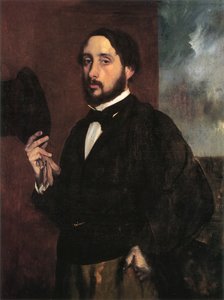
ヒラール・ジェームズ・エドガー・デガス
1834 - 1917 , フランス
基本情報
- Artistic Movement Or Style: 印象派、写実主義
- Artists Or Movements Influenced By This Artist:
- ピカソ
- マティス
- Artists Who Influenced This Artist:
- ジャン=オーギュスト・ドミニク・アンジェール・イングレス
- ゴッホバート
- カミーユ・ピサロ
- Date Of Birth: 1834年7月19日
- Date Of Death: 1917年9月27日
- Full Name: Hilaire Germain Edgar De Gas
- Nationality: フランス人
- Notable Artworks:
- ダンサーと tambourine
- バレエ教室
- デガスのジャケットを着た姿
- コレクター
- 髪をとかす女性たち
- Place Of Birth: パリ、フランス
関連記事

Impressionism's Masterpieces: 10 Paintings That Defined a Movement | ArtsDot
Journey through Impressionism's heart with 10 iconic paintings by Monet, Renoir & Degas. Explore light, color & the stories behind these masterpieces. Find museum-quality art reproductions and elevate your home decor on ArtsDot.com.
Edgar Degas: Capturing Modern Life – A Study of Movement, Observation, and the Parisian Belle Époque
Explore the captivating world of Edgar Degas! Discover his innovative techniques, iconic ballet paintings, and unique portrayal of Parisian life in this insightful art history study.
印象派を定義する至宝:時代を超えた10傑 – 美術、画家、そして洗練された空間演出
印象派を代表する10傑の世界へ。モネ、ルノワールら巨匠の技と色彩が織りなす至高の名作を紐解きます。美術、インテリアに新たなインスピレーションを。ArtsDot.comで、博物館品質のアート複製と洗練された空間演出を見つけましょう。

印象派を定義した傑作10選:名画の物語と、空間を彩るアート | ArtsDot
モネ、ルノワール…印象派を代表する傑作10選。🎨 色彩と光の魔法、芸術家の物語を紐解き、空間に深みを与える絵画の世界へ。ArtsDotで複製画やキャンバスアートを見つけ、あなただけのインテリアを実現しましょう。🖼️ 詳細はこちら
印象派絵画を定義づけた至宝:トップ10必見の傑作の世界
印象派絵画の歴史を彩る、時代を超越した10選。モネ、ルノワールら巨匠の名作に迫り、その技と物語を紐解きます。色彩豊かなアートで空間を演出!ArtsDot.comで至高のアートレプリカを見つけましょう。