

 プレビュー
プレビュー
 プリントを購入
 シェアする
シェアする シェアする
シェアする
 詳細を見る
詳細を見る

 ダウンロード
 似ている作品
 X線調査
X線調査 スライドショー
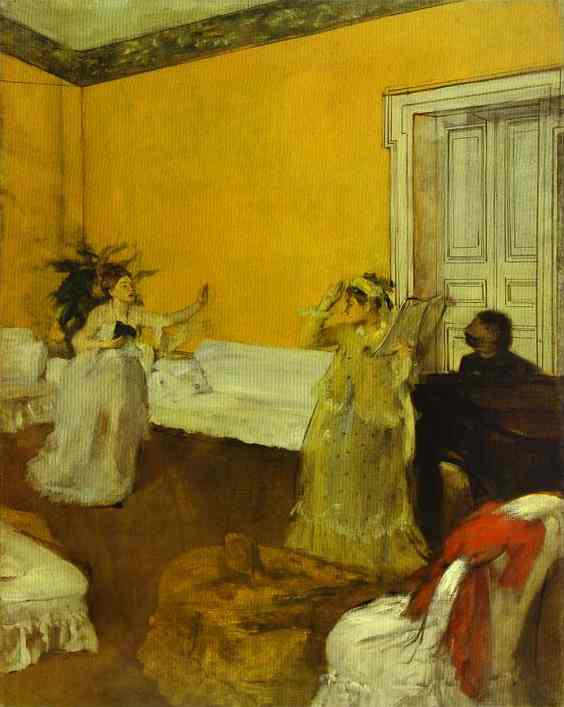
The Song Rehearsal


 詳細を見る
詳細を見る
オンラインプレビューをはるかに凌ぐ、高解像度で鮮明なデジタル画像をご購入いただけます。
各ファイルは、社内の専門家が高度なツールと熟練した手作業によるレタッチを用いて、細心の注意を払って準備されています。すべての画像において、卓越した鮮明度、正確な色彩再現性、そして繊細なディテールを保証いたします。
最終ファイルは、プロフェッショナルな編集・印刷環境ですぐにご利用いただけるよう最適化された状態で、72時間以内にメールにてお届けいたします。これは、一流のデザインスタジオ、出版社、ギャラリーから信頼されているものと同等の品質です。
デジタル画像のご注文に付随する特典
高品質なデジタル画像配信を、確かな品質で。
ArtsDot.com を選ぶことは、単に画像を手に入れることではありません。それは、プロの手によって精密に仕上げられ、満足保証が付いた高品質なデジタルアートワークを受け取ることを意味します。ご注文いただいた際に自動的に付随する内容は、以下の通りです:

メールですぐにお届け
ご注文から72時間以内に、高解像度のデジタル画像ファイルがメールでお手元に届きます。すぐにそのままご利用いただけます。

AI技術で最適化されたデジタルファイル
お客様の作品は、高度なAIツールと専門家による手作業の編集を組み合わせてプロフェッショナルに最適化されており、細部のディテール、鮮明さ、そして正確な色再現性を最大限に引き出しています。

一生涯無料の再送サービス
ファイルを誤って削除したり、紛失してしまったりしましたか?ご安心ください。いつでも無料で再送いたします。

輸入手数料は一切かかりません
関税や手数料、配送料を気にすることなく、お気に入りのアートワークをすぐにお楽しみいただけます。デジタルダウンロードは常に免税です。

色彩再現の保証
プロ仕様のツールとカラーマネジメント技術を用いることで、デジタル画像が元の色を最大限に忠実に再現することを保証いたします。

60日間満足保証
ご購入いただいたデジタル画像にご満足いただけない場合は、60日以内であれば、修正または100%の返金(理由を問う必要はありません)をさせていただきます。

100% 返金保証
ご満足いただけない場合は、デジタルファイルを受け取ってから60日以内であれば、理由を問わず全額返金いたします。

まとめ買い割引
3枚購入で10%OFF - 5枚購入で15%OFF - 10枚以上購入で20%OFF。クリエイティブなプロジェクト、ギャラリー、エージェンシーに最適です。
作品の詳細
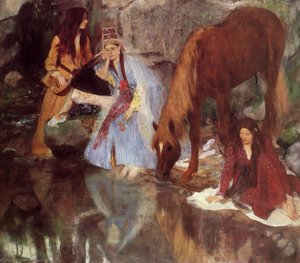
The Song Rehearsal: A Moment of Intimacy in Degas’s Parisian World
Edgar Degas's *The Song Rehearsal*, painted between 1872 and 1873, isn’t merely a depiction of a musical gathering; it’s a carefully constructed tableau brimming with unspoken narratives and the quiet energy of artistic creation. This oil on canvas, now residing within the Dumbarton Oaks Research Library and Collections in Washington, D.C., offers a rare glimpse into Degas's fascination with modern life – specifically, the world of Parisian music halls and their vibrant, often overlooked, backstage realities. The painting immediately draws the eye to the central figures: two women engaged in conversation near a grand piano, while a man, presumably a musician, is deeply absorbed in his performance. Yet, it’s not simply a portrait; Degas masterfully captures a fleeting moment of anticipation and focused concentration, hinting at the drama and artistry about to unfold. Degas, a pivotal figure in the Impressionist movement, defied the rigid academic traditions of his time. While often categorized as a realist, he possessed an extraordinary ability to distill the essence of a scene – its light, atmosphere, and emotional resonance – into a remarkably evocative image. *The Song Rehearsal* exemplifies this approach. The artist’s use of warm, earthy tones—ochres, browns, and subtle greens—creates an intimate and almost claustrophobic space, drawing the viewer directly into the room. Notice how Degas employs loose, broken brushstrokes, characteristic of Impressionism, to suggest movement and capture the ephemeral quality of light filtering through the windows. These aren’t sharply defined forms; instead, they are blended and layered, creating a sense of immediacy and spontaneity. The figures themselves are rendered with remarkable sensitivity, their postures and expressions conveying a wealth of unspoken emotion. The painting's historical context is crucial to understanding its significance. Degas was deeply interested in the burgeoning world of Parisian entertainment, particularly the music halls that were rapidly transforming the city’s cultural landscape. He frequently depicted dancers and musicians, not as idealized figures of beauty or heroism, but as ordinary people engaged in their daily lives – a deliberate departure from the grand historical paintings favored by the established art academies. *The Song Rehearsal* reflects this shift, presenting a realistic portrayal of a rehearsal session, capturing the mundane yet captivating details of artistic preparation. The presence of the watchful women, likely patrons or aspiring musicians, adds another layer to the scene, suggesting the social dynamics and competitive spirit that fueled the Parisian entertainment industry. Symbolically, *The Song Rehearsal* speaks volumes about Degas’s broader artistic concerns. He was fascinated by movement and capturing fleeting moments in time – a pursuit he relentlessly pursued throughout his career. The painting embodies this fascination, with its dynamic composition and emphasis on capturing the energy of the rehearsal. Furthermore, the scene subtly explores themes of performance, expectation, and the relationship between artist and audience. The musician’s intense focus suggests the pressure to deliver a flawless performance, while the women's attentive gazes hint at their anticipation and desire for entertainment. Degas doesn’t offer easy answers or explicit narratives; instead, he invites the viewer to contemplate the complexities of human interaction and artistic creation.Collecting Oil Paintings Like *The Song Rehearsal*
For those seeking to build a collection of fine art reproductions, ArtsDot.com offers an exceptional opportunity to acquire high-quality replicas of iconic works like *The Song Rehearsal*. These meticulously crafted reproductions allow collectors to experience the beauty and artistry of Degas’s masterpiece without the significant investment required for original paintings. ArtsDot.com's reproductions are created using archival-quality materials and techniques, ensuring that they faithfully capture the original’s colors, textures, and details. Beyond *The Song Rehearsal*, explore other notable works by Degas available on ArtsDot.com, such as *Head of a Young Woman* and *A Woman Seated beside a Vase of Flowers*, to expand your collection and deepen your appreciation for this influential artist.Key Characteristics of Impressionism and Degas’s Style
Degas's work is firmly rooted in the principles of Impressionism, a movement that revolutionized painting by emphasizing light, color, and fleeting moments. Here are some key elements to consider:- Impressionist Movement: Characterized by its emphasis on capturing light and color in the natural world, often painted *en plein air* (outdoors).
- Realist Style: Focuses on depicting everyday life in a realistic and accurate manner, but with an artistic sensibility.
- Oil Paintings: A popular medium for artists, known for its vibrant colors and texture, allowing for layering and subtle gradations of tone.
- Dynamic Compositions: Degas frequently employed asymmetrical compositions to create a sense of movement and visual interest.
- Loose Brushstrokes: A hallmark of Impressionism, creating an atmospheric effect and suggesting the fleeting nature of light and perception.
Discover More About Edgar Degas
To delve deeper into the life and work of Edgar Degas, we encourage you to visit both ArtsDot.com and the Dumbarton Oaks Research Library and Collections website for further information on this extraordinary artist and his enduring legacy. You can also explore related works by Degas available at WikiArt.org, a valuable resource for art enthusiasts.関連作品
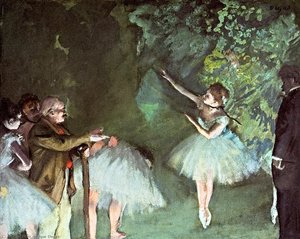
作家の略歴
エドガー・デガス:動きを捉える芸術家
エドガー・デガスは、1834年にパリで生まれました。彼は印象派の画家たちと並びながらも、そのスタイルにこだわらず、現実主義者として活動しました。これは彼の周囲の世界を注意深く観察し、誠実さを追求した結果です。彼の幼少時代は裕福な家庭環境で育ちましたが、父親は銀行家であり、母親はニューオーリンズのクレオール系でした。この背景は芸術教育へのアクセスを提供しましたが、同時にアカデミックな制約に対する反発を抱えていました。彼は当初、リュシエ・ルグランに通い始めましたが、彼の真の教育はルーブル美術館で古典的な作品を模写することを始めたことから始まりました。これは彼が伝統に挑戦し続けることを意味しました。彼は独立した精神を持った人物であり、彼のキャリア全体を通してその特徴を定義しました。印象派との違い:独自の芸術的視点
同時期のモネやレノワールは屋外で光の移ろいを追求しましたが、デガスは主にスタジオ内で働き、観察と記憶からシーンを作り上げました。彼の主題は現代的なものであり、多くのアカデミックな画家が好みた歴史的なテーマや神話的なテーマとは異なっていました。彼はパリの人々が生きていく日常にインスピレーションを受けました。特にバレエダンサーに対する情熱は彼の作品の中心を成しています。デガスは単に美しいバレリーナを描いたわけではありません。彼は彼らの職業の厳しさを描き、絶え間ない練習、肉体的な負担、そして困難の中で現れる優雅さの一瞬を捉えました。彼の構図はしばしば斬新で、人物を予想外の位置に配置し、非対称な構成を用います。これは動きを捉えるための優れた技術であり、絵画全体にダイナミズムと immediacy を与えます。彼は伝統的な方法を用いて現代的なテーマに取り組むことで、他の若い画家たちに影響を与えました。彼の芸術的開発は多様な影響を受けていました。彼は幼少期に古典的な原則を重視し、特にジャン=オーギュスト=ドミニク・アンジェール絵画家の厳格な訓練を受けました。しかし、デガスは印象派の画家たちのように屋外で絵を描くことを避けませんでした。彼は印象派の画家たちと並びながらも、そのスタイルにこだわらず、現実主義者として活動しました。彼は他のアーティストを鼓舞し、新しい技術を実験するよう促したピサロとの関係が彼の芸術的な開発において重要な役割を果たしました。彼は日本の絵画技法に魅了され、これは構図の非対称性や視点の簡素化など、さまざまな要素に影響を与えました。彼はまた写真を使用し、動きを捉えるためのツールとして認識しました。この多様な影響を受け入れ、伝統的な規範から解放され、世界を表現するための新しい方法を探求する次世代のアーティストに道を拓いたのです。彼の芸術的開発は多様な影響を受けていました。彼は幼少期に古典的な原則を重視し、特にジャン=オーギュスト・ドミニク・アンジェール絵画家の厳格な訓練を受けました。しかし、デガスは印象派の画家たちのように屋外で絵を描くことを避けませんでした。彼は他のアーティストを鼓舞し、新しい技術を実験するよう促したピサロとの関係が彼の芸術的な開発において重要な役割を果たしました。彼はまた写真を使用し、動き捉えるためのツールとして認識しました。この多様な影響を受け入れ、伝統的な規範から解放され、世界を表現するための新しい方法を探求する次世代のアーティストに道を拓いたのです。主な作品と技術
デガスは幅広いメディアで実験しました。油絵、パステル、ゴウアッシュ、エッチング、リトグラフ、モノタイプ、ワックスモデリングなど、さまざまな素材を使って作品を制作しました。特にバレエダンサーや女性のヌードを描くことで知られています。これらの作品は彼の動きを捉えるための優れた技術を示しており、絵画全体にダイナミズムと immediacy を与えます。彼はバレエダンサーや女性のヌードだけでなく、競馬場での騎手やレース馬も描きました。彼のポートレートは人間の孤独を表現し、心理的な複雑さを明らかにしています。彼は特にバレエダンサーや女性のヌードを描き、これらの作品は彼の動きを捉えるための優れた技術を示しており、絵画全体にダイナミズムと immediacy を与えます。彼はバレエダンサーや女性のヌードだけでなく、競馬場での騎手やレース馬も描きました。彼のポートレートは人間の孤独を表現し、心理的な複雑さを明らかにしています。これらの作品は彼の動きを捉えるための優れた技術を示しており、絵画全体にダイナミズムと immediacy を与えます。彼はバレエダンサーや女性のヌードだけでなく、競馬場での騎手やレース馬も描きました。彼のポートレートは人間の孤独を表現し、心理的な複雑さを明らかにしています。これらの作品は彼の動きを捉えるための優れた技術を示しており、絵画全体にダイナミズムと immediacy を与えます。彼はバレエダンサーや女性のヌードだけでなく、競馬場での騎手やレース馬も描きました。彼のポートレートは人間の孤独を表現し、心理的な複雑さを明らかにしています。これらの作品は彼の動きを捉えるための優れた技術を示しており、絵画全体にダイナミズムと immediacy を与えます。彼はバレエダンサーや女性のヌードだけでなく、競馬場での騎手やレース馬も描きました。彼のポートレートは人間の孤独を表現し、心理的な複雑さを明らかにしています。これらの作品は彼の動きを捉えるための優れた技術を示しており、絵画全体にダイナミズムと immediacy を与えます。彼はバレエダンサーや女性のヌードだけでなく、競馬場での騎手やレース馬も描きました。彼のポートレートは人間の孤独を表現し、心理的な複雑さを明らかにしています。これらの作品は彼の動きを捉えるための優れた技術を示しており、絵画全体にダイナミズムと immediacy を与えます。彼はバレエダンサーや女性のヌードだけでなく、競馬場での騎手やレース馬も描きました。彼のポートレートは人間の孤独を表現し、心理的な複雑さを明らかにしています。これらの作品は彼の動きを捉えるための優れた技術を示しており、絵画全体にダイナミズムと immediacy を与えます。彼はバレエダンサーや女性のヌードだけでなく、競馬場での騎手やレース馬も描きました。彼のポートレートは人間の孤独を表現し、心理的な複雑さを明らかにしています。これらの作品は彼の動きを捉えるための優れた技術を示しており、絵画全体にダイナミズムと immediacy を与えます。彼はバレエダンサーや女性のヌードだけでなく、競馬場での騎手やレース馬も描きました。彼のポートレートは人間の孤独を表現し、心理的な複雑さを明らかにしています。これらの作品は彼の動きを捉えるための優れた技術を示しており、絵画全体にダイナミズムと immediacy を与えます。彼はバレエダンサーや女性のヌードだけでなく、競馬場での騎手やレース馬も描きました。彼のポートレートは人間の孤独を表現し、心理的な複雑さを明らかにしています。これらの作品は彼の動きを捉えるための優れた技術を示しており、絵画全体にダイナミズムと immediacy を与えます。彼はバレエダンサーや女性のヌードだけでなく、競馬場での騎手やレース馬も描きました。彼のポートレートは人間の孤独を表現し、心理的な複雑さを明らかにしています。これらの作品は彼の動きを捉えるための優れた技術を示しており、絵画全体にダイナミズムと immediacy を与えます。彼はバレエダンサーや女性のヌードだけでなく、競馬場での騎手やレース馬も描きました。彼のポートレートは人間の孤独を表現し、心理的な複雑さを明らかにしています。これらの作品は彼の動きを捉えるための優れた技術を示しており、絵画全体にダイナミズムと immediacy を与えます。彼はバレエダンサーや女性のヌードだけでなく、競馬場での騎手やレース馬も描きました。彼のポートレートは人間の孤独を表現し、心理的な複雑さを明らかにしています。これらの作品は彼の動きを捉えるための優れた技術を示しており、絵画全体にダイナミズムと immediacy を与えます。彼はバレエダンサーや女性のヌードだけでなく、競馬場での騎手やレース馬も描きました。彼のポートレートは人間の孤独を表現し、心理的な複雑さを明らかにしています。これらの作品は彼の動きを捉えるための優れた技術を示しており、絵画全体にダイナミズムと immediacy を与えます。彼はバレエダンサーや女性のヌードだけでなく、競馬場での騎手やレース馬も描きました。彼のポートレートは人間の孤独を表現し、心理的な複雑さを明らかにしています。これらの作品は彼の動きを捉えるための優れた技術を示しており、絵画全体にダイナミズムと immediacy を与えます。彼はバレエダンサーや女性のヌードだけでなく、競馬場での騎手やレース馬も描きました。彼のポートレートは人間の孤独を表現し、心理的な複雑さを明らかにしています。これらの作品は彼の動きを捉えるための優れた技術を示しており、絵画全体にダイナミズムと immediacy を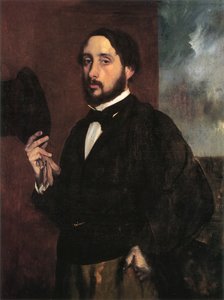
ヒラール・ジェームズ・エドガー・デガス
1834 - 1917 , フランス
プロフィール概要
- Artistic Movement Or Style: 印象派、写実主義
- Artists Or Movements Influenced By This Artist:
- ピカソ
- マティス
- Artists Who Influenced This Artist:
- ジャン=オーギュスト・ドミニク・アンジェール・イングレス
- ゴッホバート
- カミーユ・ピサロ
- Date Of Birth: 1834年7月19日
- Date Of Death: 1917年9月27日
- Full Name: Hilaire Germain Edgar De Gas
- Nationality: フランス人
- Notable Artworks:
- ダンサーと tambourine
- バレエ教室
- デガスのジャケットを着た姿
- コレクター
- 髪をとかす女性たち
- Place Of Birth: パリ、フランス

