 プレビュー
プレビュー
 プリントを購入
 シェアする
シェアする シェアする
シェアする
 詳細を見る
詳細を見る

 ダウンロード
 似ている作品
 X線調査
X線調査 スライドショー
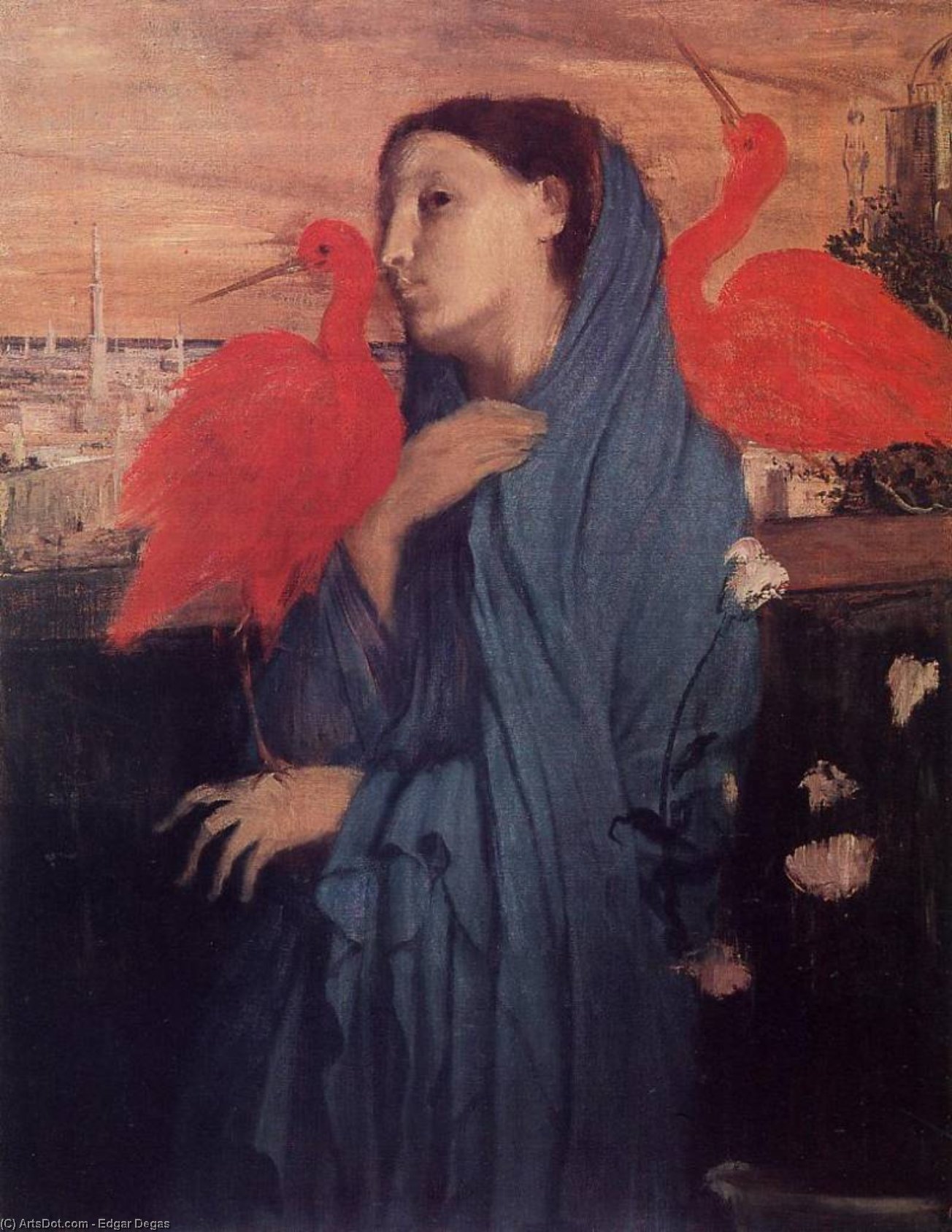
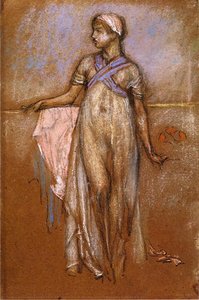
Woman on a Terrace (Young Woman and Ibis)


 詳細を見る
詳細を見る




P118B $10

P118H $10

P118W $10

P438Z $10

P508JH $12

P508YH $12

P805H $10

P805Z $10

P919BZ $10

P919G $10

P919XJ $10

P959ZH $10

P968JZ $12

W106C $8

W218G $10

W218JH $8

W218Y $10

W307PJ $10

W316G $10

W316PJ $8

W316Y $10

W398PJ $8

W4111J $10

W500HY $15

W500JH $15

W692G $12

W849H $8

W940BG $15

W953PJ $8




作品のオリジナル比率に合わせた、当店の規定サイズからお選びください。

特定のフレームやスペースに合わせて、ご希望のサイズをご入力いただけます。選択されたサイズが元の画像の比率と異なる場合、アートワークをトリミングするか、手描きで要素を追加して絵画を拡張いたします。デジタルモックアップ を制作し、制作開始前にご確認(承認)をいただきます。
画面上のプレビューは、実際のトリミングや拡張を正確に反映しているものではありません。最終的な構図は、モックアップによってのみ正確にご確認いただけます。
カスタムサイズもご利用いただけますが、元の比率を維持するためには、あらかじめ用意されたリストからサイズを選択することをお勧めいたします。
ご注文後、ArtsDot.com チームより詳細な指示をお送りするとともに、仕上がりイメージ(モックアップ)をご提供いたします。


 ガラスオプションは、110cm未満のサイズでのみご利用いただけます。

Woman on a Terrace (Young Woman and Ibis)
複製技法
複製画のサイズ
-


合計金額
$ 263
A Moment Frozen in Time: Edgar Degas’s “Woman on a Terrace (Young Woman and Ibis)”
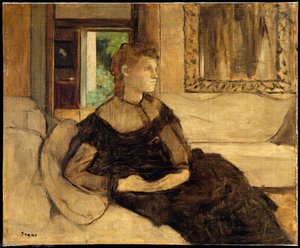
Edgar Degas’s “Woman on a Terrace (Young Woman and Ibis),” painted in 1857, is more than just a portrait; it's a carefully constructed tableau of quiet observation, imbued with the subtle poetry of Parisian life. This fresco, often overlooked amidst Degas’s later, more flamboyant works, offers a poignant glimpse into his early artistic explorations – a period where he wrestled with realism and began to embrace the fleeting beauty of Impressionism. The painting immediately draws the eye to its central figure: a young woman, poised on a terrace overlooking a hazy cityscape. She is not dramatically posed or overtly expressive; rather, her stillness speaks volumes, suggesting a contemplative mood, perhaps a moment of private reflection amidst the bustle of urban existence.
Degas’s genius lies in his ability to capture atmosphere and emotion through deceptively simple brushstrokes. The use of frescoes as a medium is crucial here – it lends a remarkable textural quality to the work, creating a sense of warmth and depth that contrasts beautifully with the cool tones of the cityscape beyond. Notice how he employs broken color, characteristic of Impressionism, to suggest light and shadow without resorting to precise detail. This technique creates an almost dreamlike effect, blurring the edges of reality and inviting the viewer to step into the scene.
The Exotic Detail: Birds as Symbols
But it’s not merely a portrait of a woman; it's the inclusion of two red ibises perched on her shoulders that truly elevates the painting. These birds, likely sourced from exotic bird collections popular at the time, introduce an element of unexpected drama and intrigue. They are not simply decorative additions; they function as potent symbols. Ibises were associated with Egypt and the afterlife, hinting at a connection to ancient mysteries and perhaps even a touch of melancholy. Their gentle pecking at the woman’s face adds a layer of dynamic interaction – a subtle suggestion of vulnerability or perhaps playful curiosity.
The choice of red is also significant. Red is a color associated with passion, energy, and vitality, yet here it's used to frame a scene of quiet contemplation. This juxtaposition creates a compelling tension, forcing the viewer to consider the complexities of human emotion and experience. The birds’ presence transforms the woman from a simple subject into a figure imbued with symbolic weight.
A Glimpse into Degas’s Early Style
“Woman on a Terrace (Young Woman and Ibis)” is a pivotal work in understanding Degas's artistic development. While he would later become renowned for his depictions of dancers, this painting demonstrates his early fascination with capturing the essence of everyday life – the interactions between people and their environment. It’s a period where he was experimenting with different techniques and subjects, laying the groundwork for his future innovations. The loose brushwork, the emphasis on atmosphere, and the subtle use of color all foreshadow the Impressionist style that would define his career.
Interestingly, Degas himself resisted being labeled an Impressionist, preferring to describe his work as “realist.” However, this painting clearly transcends simple realism, embracing a more evocative and emotionally resonant approach. It’s a testament to his artistic vision – a quiet masterpiece that continues to captivate viewers with its beauty and mystery.
Recreating the Atmosphere: ArtsDot Reproductions
ArtsDot is proud to offer meticulously hand-painted reproductions of Edgar Degas's “Woman on a Terrace (Young Woman and Ibis).” We understand the profound impact this painting has, and our skilled artists replicate every nuance – from the delicate texture of the frescoes to the subtle play of light and shadow. Each reproduction is created with archival quality materials, ensuring that it will retain its beauty and vibrancy for generations to come.
Whether you’re an art enthusiast, a collector seeking to expand your collection, or simply someone who appreciates exquisite artistry, a ArtsDot reproduction of “Woman on a Terrace (Young Woman and Ibis)” is a stunning addition to any space. Explore our range of sizes and framing options to find the perfect way to bring this timeless masterpiece into your home or office. Learn more about Degas’s life and work on ArtsDot, and discover a wealth of information about his artistic journey.
関連作品

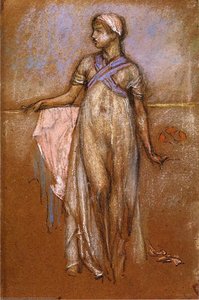
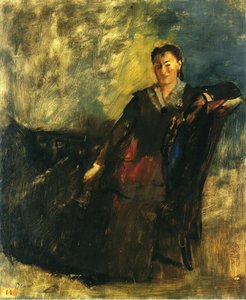
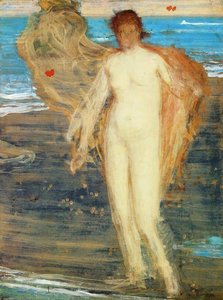
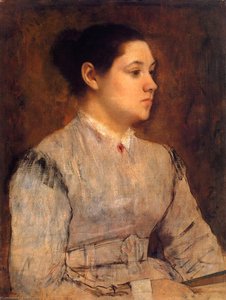
アーティストの略歴
エドガー・デガス:動きを捉える芸術家
エドガー・デガスは、1834年にパリで生まれました。彼は印象派の画家たちと並びながらも、そのスタイルにこだわらず、現実主義者として活動しました。これは彼の周囲の世界を注意深く観察し、誠実さを追求した結果です。彼の幼少時代は裕福な家庭環境で育ちましたが、父親は銀行家であり、母親はニューオーリンズのクレオール系でした。この背景は芸術教育へのアクセスを提供しましたが、同時にアカデミックな制約に対する反発を抱えていました。彼は当初、リュシエ・ルグランに通い始めましたが、彼の真の教育はルーブル美術館で古典的な作品を模写することを始めたことから始まりました。これは彼が伝統に挑戦し続けることを意味しました。彼は独立した精神を持った人物であり、彼のキャリア全体を通してその特徴を定義しました。印象派との違い:独自の芸術的視点
同時期のモネやレノワールは屋外で光の移ろいを追求しましたが、デガスは主にスタジオ内で働き、観察と記憶からシーンを作り上げました。彼の主題は現代的なものであり、多くのアカデミックな画家が好みた歴史的なテーマや神話的なテーマとは異なっていました。彼はパリの人々が生きていく日常にインスピレーションを受けました。特にバレエダンサーに対する情熱は彼の作品の中心を成しています。デガスは単に美しいバレリーナを描いたわけではありません。彼は彼らの職業の厳しさを描き、絶え間ない練習、肉体的な負担、そして困難の中で現れる優雅さの一瞬を捉えました。彼の構図はしばしば斬新で、人物を予想外の位置に配置し、非対称な構成を用います。これは動きを捉えるための優れた技術であり、絵画全体にダイナミズムと immediacy を与えます。彼は伝統的な方法を用いて現代的なテーマに取り組むことで、他の若い画家たちに影響を与えました。彼の芸術的開発は多様な影響を受けていました。彼は幼少期に古典的な原則を重視し、特にジャン=オーギュスト=ドミニク・アンジェール絵画家の厳格な訓練を受けました。しかし、デガスは印象派の画家たちのように屋外で絵を描くことを避けませんでした。彼は印象派の画家たちと並びながらも、そのスタイルにこだわらず、現実主義者として活動しました。彼は他のアーティストを鼓舞し、新しい技術を実験するよう促したピサロとの関係が彼の芸術的な開発において重要な役割を果たしました。彼は日本の絵画技法に魅了され、これは構図の非対称性や視点の簡素化など、さまざまな要素に影響を与えました。彼はまた写真を使用し、動きを捉えるためのツールとして認識しました。この多様な影響を受け入れ、伝統的な規範から解放され、世界を表現するための新しい方法を探求する次世代のアーティストに道を拓いたのです。彼の芸術的開発は多様な影響を受けていました。彼は幼少期に古典的な原則を重視し、特にジャン=オーギュスト・ドミニク・アンジェール絵画家の厳格な訓練を受けました。しかし、デガスは印象派の画家たちのように屋外で絵を描くことを避けませんでした。彼は他のアーティストを鼓舞し、新しい技術を実験するよう促したピサロとの関係が彼の芸術的な開発において重要な役割を果たしました。彼はまた写真を使用し、動き捉えるためのツールとして認識しました。この多様な影響を受け入れ、伝統的な規範から解放され、世界を表現するための新しい方法を探求する次世代のアーティストに道を拓いたのです。主な作品と技術
デガスは幅広いメディアで実験しました。油絵、パステル、ゴウアッシュ、エッチング、リトグラフ、モノタイプ、ワックスモデリングなど、さまざまな素材を使って作品を制作しました。特にバレエダンサーや女性のヌードを描くことで知られています。これらの作品は彼の動きを捉えるための優れた技術を示しており、絵画全体にダイナミズムと immediacy を与えます。彼はバレエダンサーや女性のヌードだけでなく、競馬場での騎手やレース馬も描きました。彼のポートレートは人間の孤独を表現し、心理的な複雑さを明らかにしています。彼は特にバレエダンサーや女性のヌードを描き、これらの作品は彼の動きを捉えるための優れた技術を示しており、絵画全体にダイナミズムと immediacy を与えます。彼はバレエダンサーや女性のヌードだけでなく、競馬場での騎手やレース馬も描きました。彼のポートレートは人間の孤独を表現し、心理的な複雑さを明らかにしています。これらの作品は彼の動きを捉えるための優れた技術を示しており、絵画全体にダイナミズムと immediacy を与えます。彼はバレエダンサーや女性のヌードだけでなく、競馬場での騎手やレース馬も描きました。彼のポートレートは人間の孤独を表現し、心理的な複雑さを明らかにしています。これらの作品は彼の動きを捉えるための優れた技術を示しており、絵画全体にダイナミズムと immediacy を与えます。彼はバレエダンサーや女性のヌードだけでなく、競馬場での騎手やレース馬も描きました。彼のポートレートは人間の孤独を表現し、心理的な複雑さを明らかにしています。これらの作品は彼の動きを捉えるための優れた技術を示しており、絵画全体にダイナミズムと immediacy を与えます。彼はバレエダンサーや女性のヌードだけでなく、競馬場での騎手やレース馬も描きました。彼のポートレートは人間の孤独を表現し、心理的な複雑さを明らかにしています。これらの作品は彼の動きを捉えるための優れた技術を示しており、絵画全体にダイナミズムと immediacy を与えます。彼はバレエダンサーや女性のヌードだけでなく、競馬場での騎手やレース馬も描きました。彼のポートレートは人間の孤独を表現し、心理的な複雑さを明らかにしています。これらの作品は彼の動きを捉えるための優れた技術を示しており、絵画全体にダイナミズムと immediacy を与えます。彼はバレエダンサーや女性のヌードだけでなく、競馬場での騎手やレース馬も描きました。彼のポートレートは人間の孤独を表現し、心理的な複雑さを明らかにしています。これらの作品は彼の動きを捉えるための優れた技術を示しており、絵画全体にダイナミズムと immediacy を与えます。彼はバレエダンサーや女性のヌードだけでなく、競馬場での騎手やレース馬も描きました。彼のポートレートは人間の孤独を表現し、心理的な複雑さを明らかにしています。これらの作品は彼の動きを捉えるための優れた技術を示しており、絵画全体にダイナミズムと immediacy を与えます。彼はバレエダンサーや女性のヌードだけでなく、競馬場での騎手やレース馬も描きました。彼のポートレートは人間の孤独を表現し、心理的な複雑さを明らかにしています。これらの作品は彼の動きを捉えるための優れた技術を示しており、絵画全体にダイナミズムと immediacy を与えます。彼はバレエダンサーや女性のヌードだけでなく、競馬場での騎手やレース馬も描きました。彼のポートレートは人間の孤独を表現し、心理的な複雑さを明らかにしています。これらの作品は彼の動きを捉えるための優れた技術を示しており、絵画全体にダイナミズムと immediacy を与えます。彼はバレエダンサーや女性のヌードだけでなく、競馬場での騎手やレース馬も描きました。彼のポートレートは人間の孤独を表現し、心理的な複雑さを明らかにしています。これらの作品は彼の動きを捉えるための優れた技術を示しており、絵画全体にダイナミズムと immediacy を与えます。彼はバレエダンサーや女性のヌードだけでなく、競馬場での騎手やレース馬も描きました。彼のポートレートは人間の孤独を表現し、心理的な複雑さを明らかにしています。これらの作品は彼の動きを捉えるための優れた技術を示しており、絵画全体にダイナミズムと immediacy を与えます。彼はバレエダンサーや女性のヌードだけでなく、競馬場での騎手やレース馬も描きました。彼のポートレートは人間の孤独を表現し、心理的な複雑さを明らかにしています。これらの作品は彼の動きを捉えるための優れた技術を示しており、絵画全体にダイナミズムと immediacy を与えます。彼はバレエダンサーや女性のヌードだけでなく、競馬場での騎手やレース馬も描きました。彼のポートレートは人間の孤独を表現し、心理的な複雑さを明らかにしています。これらの作品は彼の動きを捉えるための優れた技術を示しており、絵画全体にダイナミズムと immediacy を与えます。彼はバレエダンサーや女性のヌードだけでなく、競馬場での騎手やレース馬も描きました。彼のポートレートは人間の孤独を表現し、心理的な複雑さを明らかにしています。これらの作品は彼の動きを捉えるための優れた技術を示しており、絵画全体にダイナミズムと immediacy を与えます。彼はバレエダンサーや女性のヌードだけでなく、競馬場での騎手やレース馬も描きました。彼のポートレートは人間の孤独を表現し、心理的な複雑さを明らかにしています。これらの作品は彼の動きを捉えるための優れた技術を示しており、絵画全体にダイナミズムと immediacy を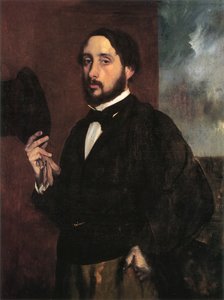
ヒラール・ジェームズ・エドガー・デガス
1834 - 1917 , フランス
基本情報
- Artistic Movement Or Style: 印象派、写実主義
- Artists Or Movements Influenced By This Artist:
- ピカソ
- マティス
- Artists Who Influenced This Artist:
- ジャン=オーギュスト・ドミニク・アンジェール・イングレス
- ゴッホバート
- カミーユ・ピサロ
- Date Of Birth: 1834年7月19日
- Date Of Death: 1917年9月27日
- Full Name: Hilaire Germain Edgar De Gas
- Nationality: フランス人
- Notable Artworks:
- ダンサーと tambourine
- バレエ教室
- デガスのジャケットを着た姿
- コレクター
- 髪をとかす女性たち
- Place Of Birth: パリ、フランス
関連記事

Impressionism's Masterpieces: 10 Paintings That Defined a Movement | ArtsDot
Journey through Impressionism's heart with 10 iconic paintings by Monet, Renoir & Degas. Explore light, color & the stories behind these masterpieces. Find museum-quality art reproductions and elevate your home decor on ArtsDot.com.
印象派絵画を定義づけた至宝:トップ10必見の傑作の世界
印象派絵画の歴史を彩る、時代を超越した10選。モネ、ルノワールら巨匠の名作に迫り、その技と物語を紐解きます。色彩豊かなアートで空間を演出!ArtsDot.comで至高のアートレプリカを見つけましょう。

ポール・セザンヌ:至高の25選 - 傑作と革新の軌跡 | ArtsDot
ポール・セザンヌの至高の25選。ポスト印象派を代表する画家、セザンヌの傑作と革新的な技法を紐解きます。ArtsDotで高品質な複製画やインテリアアートを見つけ、芸術の世界をご自宅に。今すぐコレクションをご覧ください。
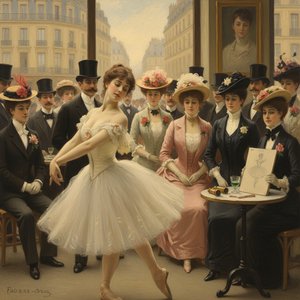
Edgar Degas: Capturing Modern Life – A Study of Movement, Observation, and the Parisian Belle Époque
Explore the captivating world of Edgar Degas! Discover his innovative techniques, iconic ballet paintings, and unique portrayal of Parisian life in this insightful art history study.
印象派を定義する至宝:時代を超えた10傑 – 美術、画家、そして洗練された空間演出
印象派を代表する10傑の世界へ。モネ、ルノワールら巨匠の技と色彩が織りなす至高の名作を紐解きます。美術、インテリアに新たなインスピレーションを。ArtsDot.comで、博物館品質のアート複製と洗練された空間演出を見つけましょう。