

 プレビュー
プレビュー
 シェアする
シェアする シェアする
シェアする
 詳細を見る
詳細を見る

 ダウンロード
 似ている作品
 X線調査
X線調査 スライドショー
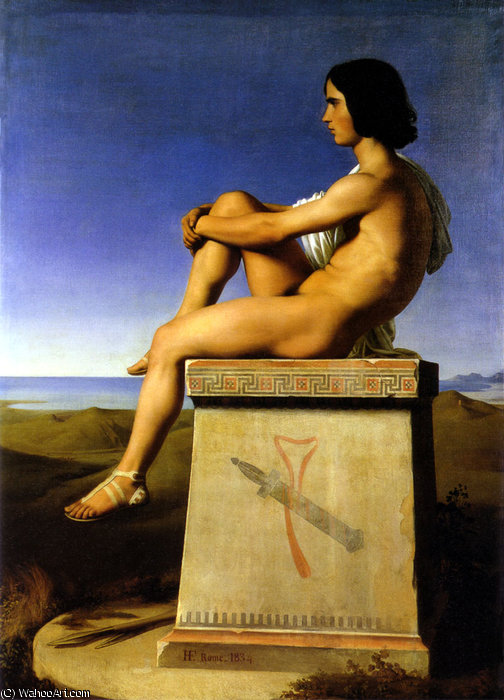
Son of Priam Observes the Movement sof the Greeks
 詳細を見る
詳細を見る
ジークレー/アートプリント
迅速な制作と多彩な仕上げオプションを備えた、ミュージアムクオリティのジークレーまたはキャンバスプリント。 ( 手描きの絵画を購入 画像を購入)




































作品のオリジナル比率に合わせた、当店の規定サイズからお選びください。

特定のフレームやスペースに合わせて、ご自身でサイズを指定することも可能です。選択されたサイズが元の画像の比率と一致しない場合、作品をトリミングするか、鏡面反射または単色での塗りつぶしによって画像を拡張いたします。制作を開始する前に、ご確認用のデジタルモックアップをお送りいたします。
画面上のプレビューには、実際のトリミングや拡張は反映されませんのでご注意ください。最終的な構図を正確に確認できるのは、モックアップのみとなります。
カスタムサイズも承っておりますが、元の比率を維持するためには、あらかじめ用意されたリストからサイズを選択することをお勧めいたします。


 ガラスオプションは、110cm未満のサイズでのみご利用いただけます。

Son of Priam Observes the Movement sof the Greeks
ジークレー/アートプリント
複製画のサイズ
-


合計金額
$ 62
関連作品
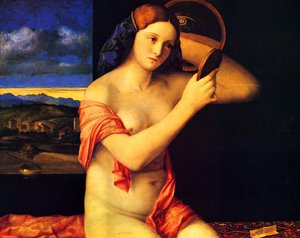
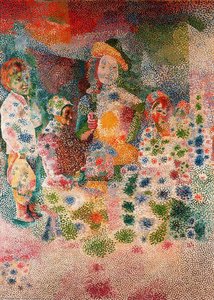

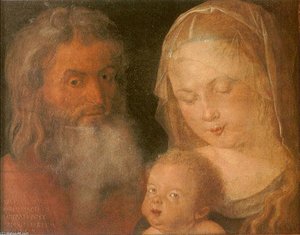
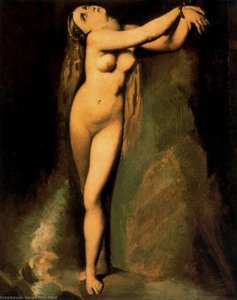
アーティストの略歴
The Neoclassical Vision of Jean-Hippolyte Flandrin
Jean-Hippolyte Flandrin (1809–1864) remains a luminous figure in the pantheon of French Neoclassicism, an artist whose brush captured the profound intersection of spiritual devotion and classical grace. Born in Lyon, France, Flandrin’s journey was initially marked by a tension between familial duty and artistic destiny. While his parents envisioned a stable life for him within the realm of commerce, the creative spirit shared by his brothers, Augusto and Paul, proved irresistible. This early immersion in an environment of artistic pursuit laid the foundation for a career that would eventually transcend the boundaries of private studios to adorn the most sacred architectural spaces in France.
The trajectory of Fland_rin’s talent took a decisive turn in 1829 when he arrived in Paris to enter the legendary studio of Jean Auguste Dominique Ingres. Under the tutelage of this master of line and form, Flandrin refined a technique characterized by precision, clarity, and an almost sculptural approach to the human figure. This period of mentorship was transformative, instilling in him the Neoclassical ideals of purity and anatomical perfection that would define his aesthetic language. His ascent within the academic hierarchy was swift, punctuated by the prestigious Prix de Rome in 1832, a milestone that granted him five years of immersive study in Italy. It was amidst the ancient echoes of Rome that Flandrin’s style matured, absorbing the grandeur of classical antiquity and translating it into a modern, emotive vocabulary.
Mastery of Form and Narrative
Flandrin’s oeuvre is a testament to his ability to navigate both the intimate and the monumental. His early works often focused on the delicate nuances of portraiture and the serene beauty of the human form in repose. A notable example, Jeune Homme Nu Assis au Bord de la Mer (1836), showcases his mastery of tonal gradation and light, presenting a scene of profound tranquility that earned him a permanent place within the esteemed collections of the Louvre. In these works, one observes a seamless blend of technical rigor and a soft, poetic atmosphere that invites deep contemplation.
As his career progressed, Flandrin moved toward larger-scale commissions that demanded a different level of narrative complexity. He became a master of the fresco, a medium that allowed him to integrate his art with the very fabric of religious architecture. His most enduring legacy lies in the monumental decorations for the cathedral of Nantes, where his biblical narratives breathe life into the stone. These works are not merely illustrations of scripture but are profound explorations of light, shadow, and divine presence, executed with a rhythmic grace that guides the viewer's eye through sacred history.
Legacy and Artistic Significance
The significance of Hippolyte Flandrin extends far beyond his technical proficiency. He represented a bridge between the rigid traditions of the early 19th century and a more emotive, spiritually resonant form of painting. As a respected member of the Académie des Beaux-Arts, he helped uphold the standards of French excellence while contributing to the evolution of religious art during a period of significant social change.
To study Flandrin is to encounter an artist who found harmony in the balance of opposites:
- Tradition and Innovation: He utilized the disciplined techniques of Ingres to express the profound spiritual depths of his era.
- Intimacy and Grandeur: His ability to move from the delicate Portrait of Madame Flandrin to massive cathedral frescoes demonstrates a versatile mastery of scale.
- Classical Form and Emotional Depth: While his figures possess the idealized perfection of antiquity, they are imbued with a palpable, human vulnerability.
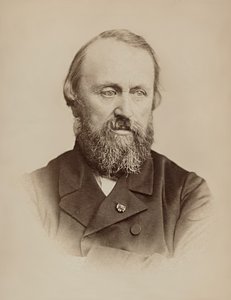
Hippolyte Flandrin
1809 - 1864 , France
基本情報
- Artistic Movement Or Style: Neoclassical
- Artists Who Influenced This Artist:
- Louis Hersent
- Jean Auguste Dominique Ingres
- Date Of Birth: March 23, 1809
- Date Of Death: March 21, 1864
- Full Name: Jean-Hippolyte Flandrin
- Nationality: French
- Notable Artworks:
- Jeune Homme Nu Assis au Bord de la Mer
- St. Clair Healing the Blind
- Jesus and the Little Children
- Dante and Virgil Visiting the Envious Men
- Euripides Writing His Tragedies
- Place Of Birth: Lyon, France

