

 プレビュー
プレビュー
 シェアする
シェアする シェアする
シェアする
 詳細を見る
詳細を見る

 ダウンロード
 似ている作品
 X線調査
X線調査 スライドショー
 統計情報
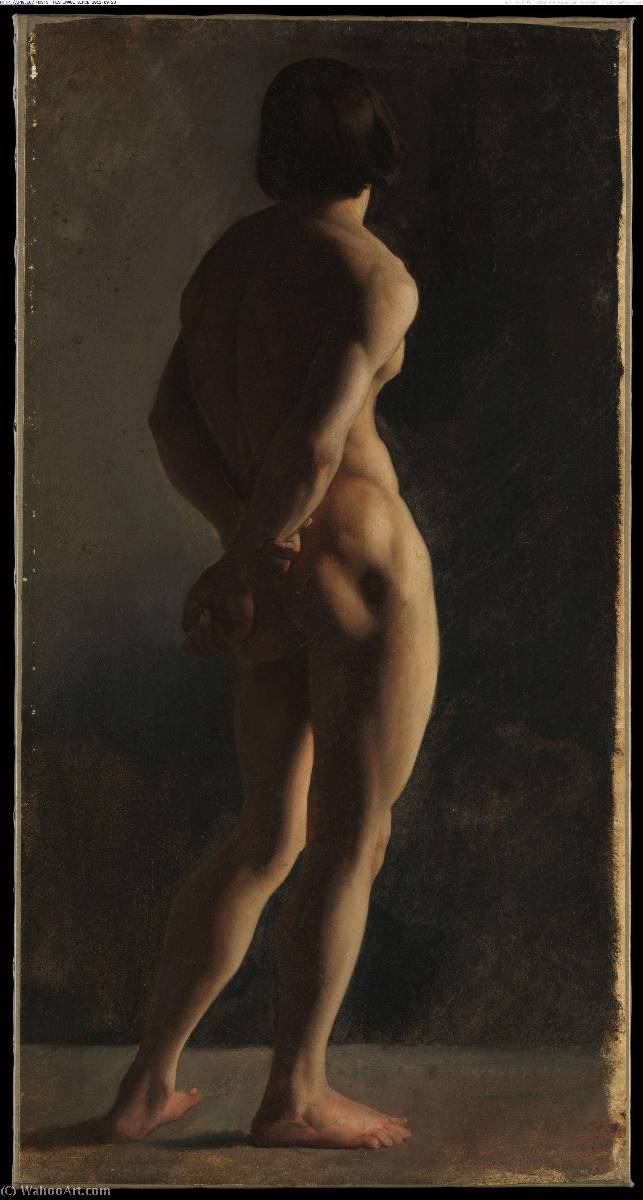
統計情報Male Nude, Seen from Behind
 詳細を見る
詳細を見る
オンラインプレビューをはるかに凌ぐ、高解像度で鮮明なデジタル画像をご購入いただけます。
各ファイルは、社内の専門家が高度なツールと熟練した手作業によるレタッチを用いて、細心の注意を払って準備されています。すべての画像において、卓越した鮮明度、正確な色彩再現性、そして繊細なディテールを保証いたします。
最終ファイルは、プロフェッショナルな編集・印刷環境ですぐにご利用いただけるよう最適化された状態で、72時間以内にメールにてお届けいたします。これは、一流のデザインスタジオ、出版社、ギャラリーから信頼されているものと同等の品質です。
デジタルアート
個人での鑑賞、印刷、クリエイティブなプロジェクト用に、高解像度ファイルをダウンロードできます。 ( プリント版に切り替え 手描きの絵画を購入)
デジタル画像のご注文に付随する特典
高品質なデジタル画像配信を、確かな品質で。
ArtsDot.com を選ぶことは、単に画像を手に入れることではありません。それは、プロの手によって精密に仕上げられ、満足保証が付いた高品質なデジタルアートワークを受け取ることを意味します。ご注文いただいた際に自動的に付随する内容は、以下の通りです:

メールですぐにお届け
ご注文から72時間以内に、高解像度のデジタル画像ファイルがメールでお手元に届きます。すぐにそのままご利用いただけます。

AI技術で最適化されたデジタルファイル
お客様の作品は、高度なAIツールと専門家による手作業の編集を組み合わせてプロフェッショナルに最適化されており、細部のディテール、鮮明さ、そして正確な色再現性を最大限に引き出しています。

一生涯無料の再送サービス
ファイルを誤って削除したり、紛失してしまったりしましたか?ご安心ください。いつでも無料で再送いたします。

輸入手数料は一切かかりません
関税や手数料、配送料を気にすることなく、お気に入りのアートワークをすぐにお楽しみいただけます。デジタルダウンロードは常に免税です。

色彩再現の保証
プロ仕様のツールとカラーマネジメント技術を用いることで、デジタル画像が元の色を最大限に忠実に再現することを保証いたします。

100日間満足保証
ご購入いただいたデジタル画像にご満足いただけない場合は、100日以内であれば、理由を問わず修正または100%の返金対応をさせていただきます。

100% 返金保証
ご満足いただけない場合は、デジタルファイルを受け取ってから100日以内であれば、理由を問わず全額返金いたします。

まとめ買い割引
3枚購入で10%OFF - 5枚購入で15%OFF - 10枚以上購入で20%OFF。クリエイティブなプロジェクト、ギャラリー、エージェンシーに最適です。
関連作品
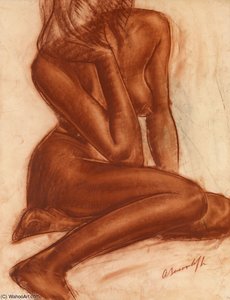
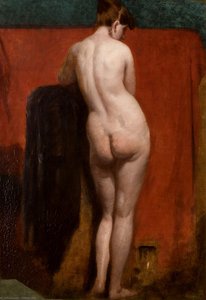
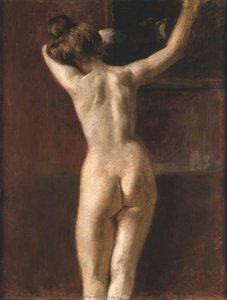
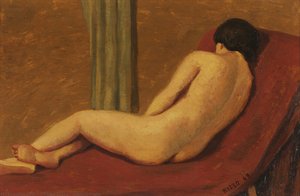
作家の略歴
The Soul of Neoclassicism: The Life and Legacy of Hippolyte Jean Flandrin
In the grand tapestry of nineteenth-century French art, few threads are woven as delicately or as powerfully as those left by Hippolyte Jean Flandrin. Born in Lyon in 1809, Flandrin emerged from a family where the brush was a common language; his brothers, Augusto and Paul, were also deeply immersed in the artistic pursuits of the era. While his parents had envisioned a more stable, conventional business career for him, the young Hippolyte possessed an undeniable, innate passion for the canvas that could not be suppressed. His early training, though initially focused on the meticulous discipline of miniature painting due to financial necessity, gifted him with a profound sensitivity to detail and a mastery of subtle tonal gradations—qualities that would later define his monumental approach to large-scale compositions.
The trajectory of Flandrin’s life changed forever when he entered the École Supérieure des Beaux-Arts in Lyon, studying under the legendary Jean-Auguste-Dominique Ingres. This encounter was more than a mere apprenticeship; it was a spiritual and artistic union. Under Ingres’s tutelage, Flandrin embraced the principles of Neoclassicism, learning to balance rigorous anatomical precision with an ethereal, almost poetic grace. The bond between master and pupil blossomed into a lifelong friendship, and the influence of Ingres’s clean lines and sculptural forms became the bedrock of Flandrin's aesthetic identity.
A Journey Through Rome and the Mastery of Scale
The year 1832 marked a transformative milestone in Flandrin’s career when he was awarded the prestigious Prix de Rome. This scholarship acted as a liberation, providing him with the financial freedom to immerse himself in the intellectual and artistic splendor of Italy. For over two decades, from 1832 to 1856, Rome served as his creative laboratory. It was during this period that Flandrin transitioned from a promising student to a master of decorative painting, capable of commanding vast architectural spaces with religious and historical narratives.
His Roman years were characterized by an ambitious pursuit of the monumental. He began to tackle commissions that required not just technical skill, but a deep understanding of how art interacts with light and architecture. Some of his most significant achievements from this era include:
- St. Clair Healing the Blind: A breathtaking commission for Nantes Cathedral that showcased his ability to weave complex religious drama into large-scale decorative schemes.
- Jesus and the Little Children: A tender, evocative work presented to the town of Lisieux, demonstrating his capacity for warmth and human connection amidst grand compositions.
Flandrin’s work during this time was never merely about decoration; it was about creating a spiritual atmosphere. He utilized the clarity of line inherited from Ingres to ensure that even in the largest frescoes, the emotional core of the subject remained legible and profound.
Portraiture, Patronage, and Eternal Significance
Beyond the soaring ceilings of cathedrals, Flandrin was a celebrated portraitist, capable of capturing the psychological depth and social stature of his subjects. His ability to render skin tones with lifelike accuracy and drapery with sculptural weight made him a favorite among the French elite. One of his most historically significant portraits is that of Napoleon III, painted in 1861. This work, held at the Musée de l'Histoire de France, stands as a testament to his ability to capture the essence of power and presence, earning widespread praise for its true-to-life representation during the Universal Exhibition of 1862.
Even in his more intimate studies, such as the celebrated Young Man by the Sea (held in the Louvre), one can observe the duality of his talent: a rigorous adherence to Neoclassical form paired with an evocative, almost melancholic atmosphere. This balance allowed him to navigate the shifting tides of nineteenth-century art, maintaining relevance even as new movements began to challenge the classical tradition.
Hippolyte Jean Flandrin passed away in 1864, leaving behind a legacy that bridges the gap between the disciplined rigor of the old masters and the emotive potential of modern painting. His contributions to religious iconography, decorative arts, and portraiture ensure his place in the pantheon of French masters, reminding us of an era when art sought to elevate the human spirit through beauty, order, and profound devotion.
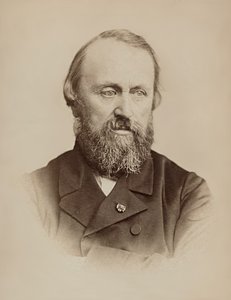
Hippolyte Jean Flandrin
1809 - 1864
プロフィール概要
- Artistic Movement Or Style: Neoclassical
- Artists Or Movements Influenced By This Artist: ['Romanticism']
- Artists Who Influenced This Artist: ['Jean Auguste Dominique Ingres']
- Date Of Birth: 1809
- Date Of Death: 1864
- Full Name: Hippolyte Jean Flandrin
- Nationality: French
- Notable Artworks:
- Young Man by the Sea
- Saint Clair Healing the Blind
- Jesus and the Little Children
- Dante and Virgil Visiting the Envious Men
- Euripides Writing His Tragedies
- Place Of Birth: Lyon, France