

 プレビュー
プレビュー
 シェアする
シェアする シェアする
シェアする
 詳細を見る
詳細を見る

 ダウンロード
 似ている作品
 X線調査
X線調査 スライドショー
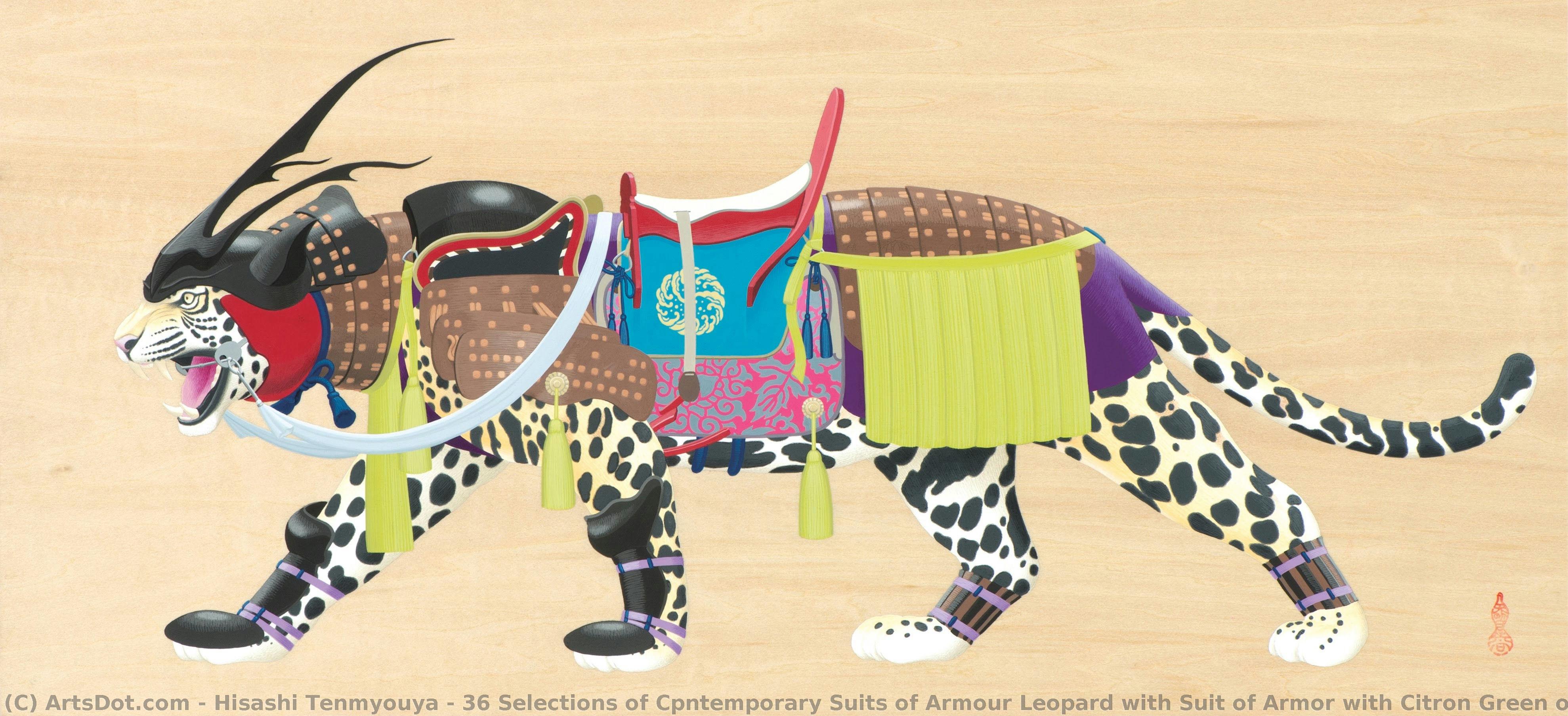
36 Selections of Cpntemporary Suits of Armour Leopard with Suit of Armor with Citron Green on Blown Gold Lacing
 Painting
- Neo-Nihonga
 2013
2013- Contemporary
 23.0 x 50.0 cm
 Meiji Jingu Forest Festival of Art
 詳細を見る
詳細を見る
ジークレー/アートプリント
迅速な制作と多彩な仕上げオプションを備えた、ミュージアムクオリティのジークレーまたはキャンバスプリント。 ( 手描きの絵画を購入 画像を購入)




P118B $10

P118H $10

P118W $10

P438Z $10

P508JH $12

P508YH $12

P805H $10

P805Z $10

P919BZ $10

P919G $10

P919XJ $10

P959ZH $10

P968JZ $12

W106C $8

W218G $10

W218JH $8

W218Y $10

W307PJ $10

W316G $10

W316PJ $8

W316Y $10

W398PJ $8

W4111J $10

W500HY $15

W500JH $15

W692G $12

W849H $8

W940BG $15

W953PJ $8




作品のオリジナル比率に合わせた、当店の規定サイズからお選びください。

特定のフレームやスペースに合わせて、ご自身でサイズを指定することも可能です。選択されたサイズが元の画像の比率と一致しない場合、作品をトリミングするか、鏡面反射または単色での塗りつぶしによって画像を拡張いたします。制作を開始する前に、ご確認用のデジタルモックアップをお送りいたします。
画面上のプレビューには、実際のトリミングや拡張は反映されませんのでご注意ください。最終的な構図を正確に確認できるのは、モックアップのみとなります。
カスタムサイズも承っておりますが、元の比率を維持するためには、あらかじめ用意されたリストからサイズを選択することをお勧めいたします。


 ガラスオプションは、110cm未満のサイズでのみご利用いただけます。

36 Selections of Cpntemporary Suits of Armour Leopard with Suit of Armor with Citron Green on Blown Gold Lacing
ジークレー/アートプリント
複製画のサイズ
-


合計金額
$ 62
A Vision of Neo-Nihonga: The Leopard in Gilded Armor
In the captivating realm of contemporary Japanese art, few works command attention quite like Hisashi Tenmyouya’s "3ical Selections of Contemporary Suits of Armour Leopard with Suit of Armor with Citron Green on Blown Gold Lacing." This masterpiece serves as a breathtaking window into the artist's signature style, known as Neo-Nihonga. At first glance, the viewer is struck by the surreal and powerful presence of a leopard, draped in an intricate suit of armor that seems to pulse with a life of its own. The creature moves across a weathered wooden floor, its natural predatory grace juxtaposed against the rigid, metallic splendor of its regalia. This striking imagery invites us into a world where the wildness of nature meets the disciplined craftsmanship of ancient samurai culture, creating a visual tension that is both mesmerizing and profoundly modern.
The technique employed in this piece is a masterclass in texture and light. Tenmyouya utilizes the traditional foundations of Nihonga—a style characterized by meticulous detail and the use of mineral pigments—but infuses it with a rebellious, street-style energy. The "blown gold lacing" and citron green accents are not merely decorative; they are luminous elements that catch the eye, creating a sense of depth and opulence. The leopard’s fur, rendered with exquisite precision, provides a soft, organic contrast to the hard, reflective surfaces of the armor. This interplay of textures—the tactile warmth of wood, the sleekness of gold, and the patterned complexity of the feline coat—creates a multidimensional experience that rewards prolonged contemplation.
Symbolism and the Spirit of Basara
To understand this artwork is to understand the concept of Basara—an aesthetic of eccentricity, flamboyance, and rebellion. Tenmyouya uses the leopard as a potent symbol of untamed strength and instinct, while the suit of armor represents the weight of tradition, duty, and historical legacy. By cladding a predator in the gear of a warrior, the artist explores the intersection of primal impulse and societal structure. The inclusion of seemingly disparate objects, such as the scissors and the bowl, adds a layer of surrealist mystery, suggesting a narrative that is fragmented yet deeply connected to the ritualistic nature of Japanese history. It is an interrogation of what it means to carry heritage into a contemporary, often chaotic, world.
For the discerning collector or interior designer, this painting offers more than just visual beauty; it provides a profound emotional resonance. The work evokes a sense of awe and curiosity, making it a commanding centerpiece for any sophisticated space. Whether placed in a minimalist modern gallery or a richly textured study, the piece acts as a conversation starter, pulling guests into its gilded, dreamlike atmosphere. As a high-quality reproduction, this artwork allows the splendor of Tenmyouya’s vision to inhabit contemporary homes, bringing with it the prestige of Japanese tradition and the electric pulse of modern rebellion.
関連作品


アーティストの略歴
The Architect of Neo-Nihonga: The Rebellious Spirit of Hisashi Tenmyouya
In the vibrant, often clashing landscape of contemporary Japanese art, few figures command attention with as much provocative energy as Hisashi Tenmyouya. Born in Tokyo in 1966, Tenmyouya did not emerge from the traditional academic path of a fine arts student; instead, his creative sensibilities were forged in the high-octane world of commercial aesthetics. Before establishing himself as a titan of the contemporary scene, he served as an art director for a record company and worked as an illustrator for underground magazines. This background in pop culture, music, and street-level grit provided the essential DNA for what would become his most significant contribution to art history: the creation of Neo-Nihonga.
Tenmyouya’s journey is one of profound transformation, where the meticulous discipline of ancient Japanese painting meets the unbridled chaos of modern rebellion. While he mastered the rigorous techniques of traditional Nihonga—a style characterized by its use of mineral pigments and delicate brushwork—he found the rigid structures of the established art world to be stifling. He sought a way to honor the aesthetic soul of Japan without being imprisoned by its historical formalities. This tension between reverence and revolt became the heartbeat of his practice, leading him to develop a visual language that speaks simultaneously to the Edo period and the neon-lit streets of modern Tokyo.
The Philosophy of Basara and the Neo-Nihonga Revolution
At the turn of the millennium, Tenmyouya introduced the concept of Neo-Nihonga, a stylistic movement that serves as both an homage and a critique. By utilizing contemporary media such as acrylic paints alongside traditional supports, he challenged the artificiality with which Japanese art history had been presented since the Me/ji era. His work does not merely replicate the past; it deconstructs it. This evolution reached a fever pitch around 2010 with the introduction of Basara, a philosophy rooted in the historical concept of flamboyant, eccentric, and even grotesque individuality. Basara celebrates aesthetic excess, much like the legendary outlaws and warriors of Japan's past, utilizing gold-leaf backgrounds and intense, often violent imagery to create a sense of overwhelming opulence.
The symbolism within his canvases is as layered as the pigments themselves. One might encounter a striking leopard clad in intricate, gold-accented armor or powerful figures riding horned beasts, all rendered with a precision that demands close inspection. His themes frequently bridge the gap between the mythological and the mundane, weaving together:
- Samurai Tradition: The use of armored warriors and Edo-era knights to represent strength and historical continuity.
- Modern Iconography: The integration of street culture, pop culture icons, and even contemporary heroes like Sentai characters.
- Mythological Beasts: The presence of legendary creatures that evoke the spiritual depth of Buddhist iconography.
- Societal Disruption: Using abstract lines and vibrant colors to reflect the turmoil of the modern era, such as his BASARA CORE series.
A Legacy Carved in Gold and Rebellion
The historical significance of Hisashi Tenmyouya lies in his ability to prevent Japanese tradition from becoming a static museum piece. Through his work, the classical techniques of Nihonga are breathed into new life, proving that ancient methods can effectively communicate the anxieties and energies of the twenty-first century. His reach is truly global; his provocative visions have been showcased at prestigious venues such as the Whitney Museum of American Art in New York and the Biennale of Sydney, ensuring that his brand of Basara resonates far beyond the borders of Japan.
Today, Tenmyouya’s influence can be seen in the way contemporary artists approach cultural heritage—not as a set of rules to be followed, but as a toolkit for innovation. His works are held in esteemed permanent collections worldwide, including the Museum of Fine Arts, Houston, and the Takamatsu City Museum of Art. Whether he is collaborating with global icons like Disney or exploring the intersection of technology and tradition, Tenmyouya remains a singular force, an artist who has successfully turned the gaze of history toward the beautiful, chaotic, and unyielding present.

hisashi tenmyouya
1966 - , Japan
基本情報
- Artistic Movement Or Style: Neo-Nihonga & Basara
- Date Of Birth: February 10, 1966
- Full Name: hisashi tenmyouya
- Nationality: Japanese
- Notable Artworks:
- 36 Selections of Cpntemporary Suits of Armour Leopard with Suit of Armor with Citron Green on Blown Gold Lacing
- Rainbow God
- Place Of Birth: Tokyo, Japan
関連記事
Golden Glow: How to Use Metallic Gold Artworks to Elevate Your Home Decor with Timeless Luxury
Discover how to elevate your home with the timeless elegance of metallic gold artworks. From sculptural metal pieces to gilded oil paintings, learn expert interior design tips for integrating luxurious gold accents into your space with sophistication and grace.
The Allure of Gold in Art History: Symbolism, Technique & Cultural Significance
Explore the rich history of gold in art! Discover symbolism, techniques & cultural significance from ancient civilizations to Klimt's masterpieces. Expert insights for collectors at ArtsDot.

Golden Masterpieces: 10 Paintings That Define Art History | ArtsDot
Explore 10 breathtaking paintings where gold leaf shines! From Klimt to Byzantine icons, discover art history’s most gilded masterpieces. Find museum-quality reproductions & elevate your home decor with ArtsDot. Explore the full collection online.
Neo-Classicism's Greatest Hits: 10 Masterpieces for Your Home |
Journey through Neo-Classicism's finest! Explore 10 iconic masterpieces by David, Ingres & Canova. Discover art history, techniques & timeless beauty – perfect for inspiring your home decor. Find museum-quality reproductions at
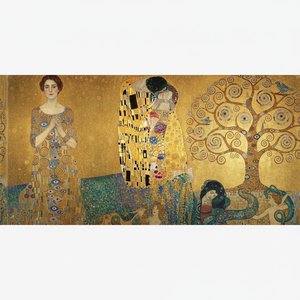
グスタフ・クリムト傑作25選:華麗なる装飾性と象徴が織りなす世界 | ArtsDot
グスタフ・クリムトの傑作25選。華麗なる装飾性と象徴が織りなす世界を紐解きます。キス、ポートレートなど、美術史に残る名画の物語と技法をArtsDotで。高品質複製画やインテリアアートも豊富に。今すぐコレクションをご覧ください。

